How Much Waste Does US Produce Compared To The Rest Of The World?
Every day, the United States throws out roughly 800,000 tons of trash, enough to fill about 60,000 garbage trucks before breakfast tomorrow. Stretched over a year, that comes to 292.4 million tons of municipal solid waste, the most recent national total from the Environmental Protection Agency, which has been weighing America's garbage for more than 35 years. The comparison in this article's title has a short answer: nobody else is close. By one widely cited estimate, the US holds about 4 percent of the world's population and produces around 12 percent of its trash. The long answer, covering where it all goes and why the recycling bin is having a rough decade, takes a few more paragraphs.
America Versus The Rest Of The Planet

The average American generates 4.9 pounds of trash per day, close to 1,800 pounds per year, which is enough to out-trash three average humans. The global average sits around 1.6 pounds per person per day, and the world as a whole produces about 2 billion tons of municipal waste a year, meaning one country accounts for roughly an eighth of the planet's output with a small fraction of its people. No other nation generates more total municipal waste than the United States. It is the rare international ranking where first place comes with no trophy.
The scale is partly a wealth story. Rich countries buy more, package more, and replace more, and the US does all three at volume. It is also a convenience story: American sanitation is genuinely efficient, and when the truck reliably makes the trash disappear every week, "away" starts to feel like a real place. It is not. Away is a landfill, an incinerator, or occasionally a cargo ship.
Where 292 Million Tons Actually Goes

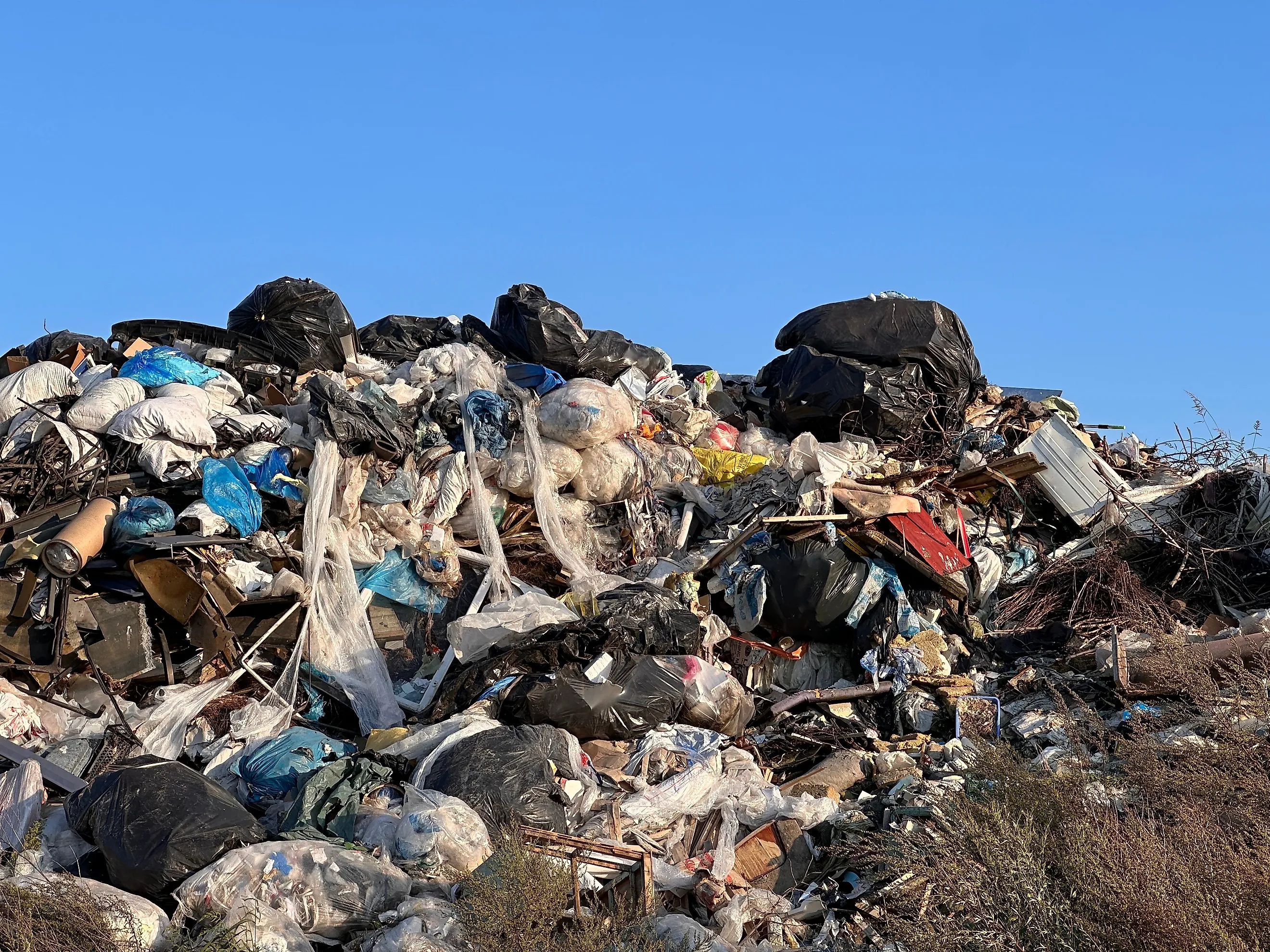
Half of it, more than 146 million tons a year, goes straight into landfills. About 12 percent is burned for energy, which generates electricity but also carbon emissions. The remaining 32 percent gets recycled or composted, a rate that has stalled for years. Food is the single largest component of what gets buried, at about 24 percent of landfilled waste, and buried food does not simply vanish. It decomposes without oxygen and produces methane, a potent greenhouse gas, which is why municipal landfills rank as the third-largest source of human-related methane emissions in the United States.
The recycling side took its hardest hit in 2018, when China, long the world's biggest buyer of American recyclables, imposed its National Sword policy and stopped accepting mixed paper and most post-consumer plastics. The market for sorted American scrap shrank almost overnight, and cities across the country faced a blunt choice: pay much more to move recyclables, or quietly send them to the landfill with everything else. Some programs survived, some did not, and the blue bin has been working through a trust issue ever since. The bright spot is paper, still the largest single category of US waste at about 23 percent, and the best-behaved: roughly 68 percent of it gets recycled.
The Drawer Full Of Dead Electronics

Electronic waste is the overachiever of the garbage world: the fastest-growing waste stream on the planet. The United States discarded about 6.9 million tons of electronics in 2019, roughly 46 pounds per person, and only about 15 percent of it was formally recycled. The rest went to landfills, storage, or export, taking its ingredients with it. Those ingredients cut both ways. E-waste carries genuine hazards, including lead, mercury, beryllium, and chromium, which can leach into soil and water and work their way up the food chain.
It also carries treasure. Discarded electronics contain gold, silver, copper, and platinum, and in 2019 the world dumped or burned an estimated 57 billion dollars' worth of recoverable metal, which is an expensive way to empty a junk drawer. Globally, e-waste hit 62 million metric tons in 2022 with a formal recycling rate of just 22 percent, so the American habit of retiring phones to a drawer and then a dumpster has plenty of international company.
Shrinking The Pile Without Moving To A Cabin

The math above points to the moves that matter most. Since food is the biggest thing Americans bury, composting is the single highest-leverage household habit: a compost bin turns the landfill's methane supply into garden soil. Reusables come next, and the water bottle, lunch box, and shopping bag each retire a long parade of disposable stand-ins. Buying less packaging beats recycling more of it, since the cheapest trash to manage is the trash that never exists.
Electronics deserve their own rule: when a device dies, it goes to an e-waste collection site, not the bin, so the gold and the lead both end up where they belong. None of this requires living in the woods. It mostly requires noticing that 4.9 pounds a day is not a law of nature, just a habit with excellent marketing.
First Place, Wrong Contest
The United States leads the world in garbage the way it leads in many things: decisively and with impressive logistics. The 292-million-ton pile is a byproduct of wealth, convenience, and a system so smooth that most Americans never see where anything goes after the curb. The encouraging part hides in the same numbers. A waste stream this large means every improvement lands at scale, and a country that can move 60,000 truckloads a day has already proven it can organize almost anything. The next trick is making the pile smaller.