Why Freighters Still Sail Up Cleveland's Crooked River
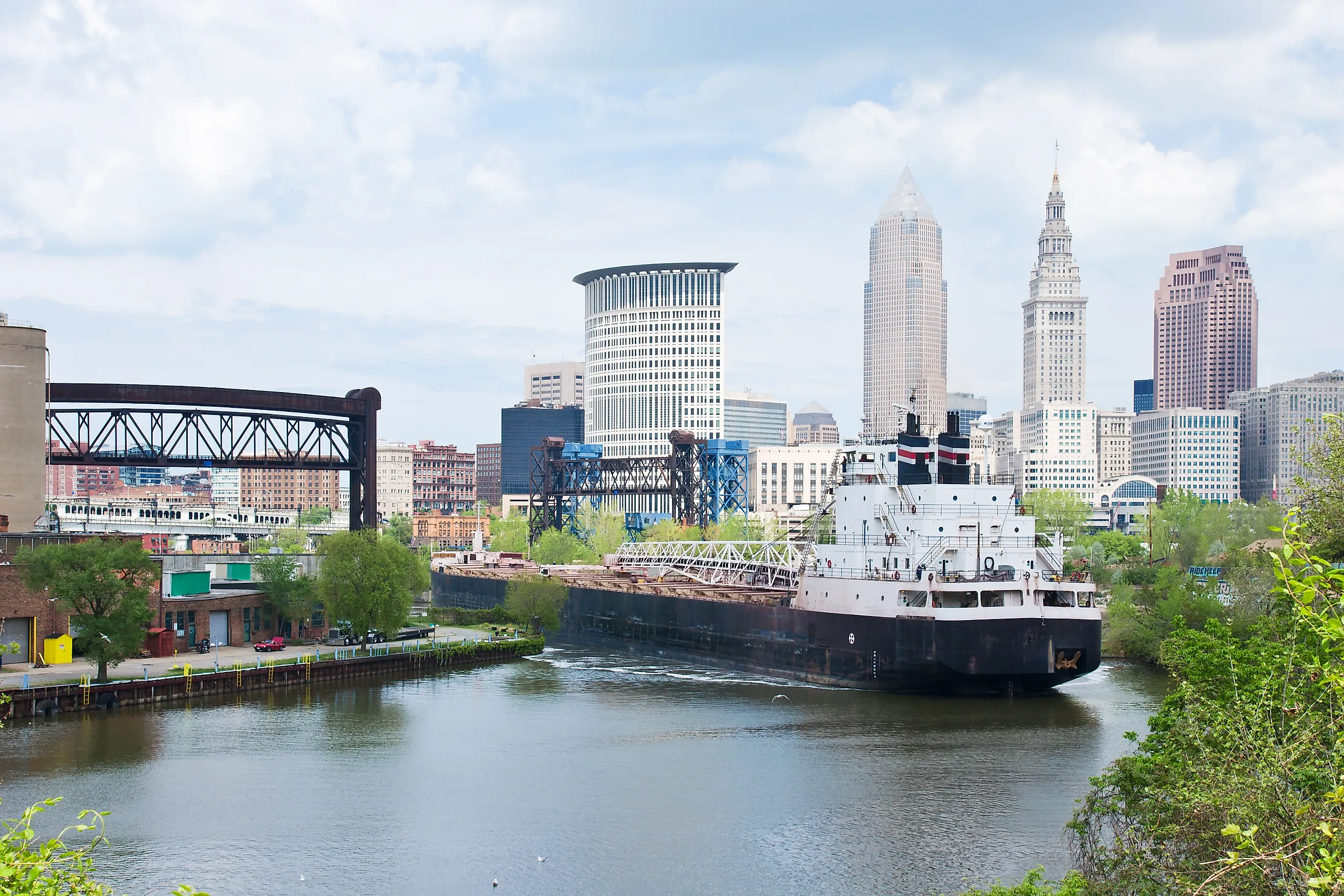
The name is not decorative. Cuyahoga comes from an Iroquoian word meaning crooked river, and the lower five miles of it bend back on themselves hard enough that a 600-foot freighter has to be walked around corners by tugs. Ships keep doing it because the Cleveland-Cliffs steel mill sits at the top, and no amount of difficulty downstream changes where the furnaces are.
The Mill Is The Only Reason

Strip away the destination and nobody would take a ship up this river at all.
Cleveland-Cliffs operates a steelworks on the Cuyahoga that takes iron ore by water. The raw material comes from Minnesota, travels the length of the lakes, and has to finish its journey on the river.
That is the entire commercial case. Everything else about the passage is a problem to be solved rather than a reason to make it.
Thousand-Footers Have To Stop Short

The largest ships on the lakes get within a few miles and can go no further.
A thousand-foot laker cannot unload iron ore at the Cleveland steel mill. It discharges at the Cleveland Bulk Terminal on the lakefront instead, and the ore is transferred onto smaller vessels that can make the river trip.
That double handling costs time and money on every cargo. It persists because the alternative is not sending the ore at all.
A Ship Was Built For These Bends

The clearest evidence of how much the river matters is a vessel designed around it.
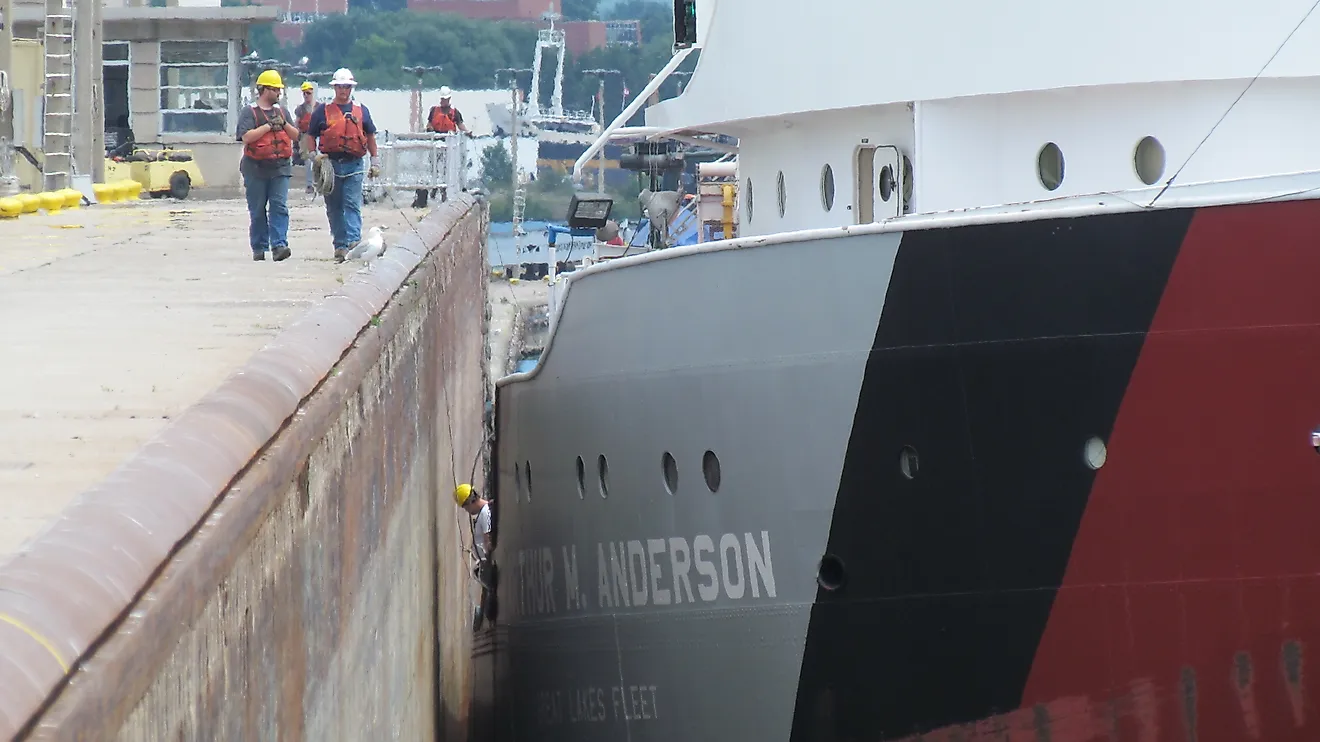
The Mark W. Barker, completed in 2022, was the first new US-flag Great Lakes bulk carrier in nearly four decades. At 639 feet it was deliberately built short, specifically to negotiate the tight bends of the Cuyahoga.
Interlake could have built longer and carried more. They built to the river instead, which tells you how the economics of that destination work.
Tugs Do The Steering

Even a purpose-built ship does not manage the lower river unassisted.
Freighters on the Cuyahoga are worked around the sharpest turns with tug assistance at bow and stern, pivoting rather than steering through. The tunnel thrusters that let lakers dock alone on open water are not enough here.
Local crews know the bends by name. It is one of the few places on the system where that knowledge is not optional.
The River Has To Be Dredged

A navigable Cuyahoga is a maintained Cuyahoga rather than a natural one.
The federal navigation channel requires regular dredging to hold its depth, and the sediment removed has been the subject of long disputes over where it can legally be placed.
Stop dredging and commercial navigation ends within a few seasons. The river silts up faster than it scours.
It Caught Fire More Than Once

The river's most famous moment was neither unique nor the worst of its kind.
The Cuyahoga burned on 22 June 1969, prompting national coverage and contributing to the political momentum behind the Clean Water Act. It had burned before, including in 1936, and by some counts more than a dozen times.
That reputation sits awkwardly beside the fact that it is still a working industrial waterway, because the lake it empties into was being written off at the same time.
The Water Quality Recovered

What happened after 1969 is the part that rarely gets told.
The Cuyahoga was designated a Great Lakes Area of Concern, and decades of remediation have restored fish populations to stretches that held almost nothing. Beneficial use impairments have been formally removed one by one.
A river carrying ore boats and supporting a recovering fishery at the same time is an unusual outcome for an industrial waterway.
The Bends Are Tighter Than The Ships

The geometry is the whole difficulty, and it is not subtle.
The lower river winds through a series of near-right-angle turns in a channel barely wider than the vessels using it. A 639-foot hull negotiating a bend with a radius shorter than its own length has to be pushed through in stages.
There is no engineering fix available. Straightening the river would mean rebuilding the industrial district built along both banks.
Bridges Add Another Constraint

Above the bends sit a series of movable spans that have to open for every transit.
The lower Cuyahoga carries lift, bascule and swing bridges serving road and rail, each requiring coordination with an approaching vessel.
A single ship movement therefore involves tugs, bridge operators and traffic interruption across a working city, several times a week through the season.
Winter Closes It Anyway

The river operates on the same calendar as the rest of the system.
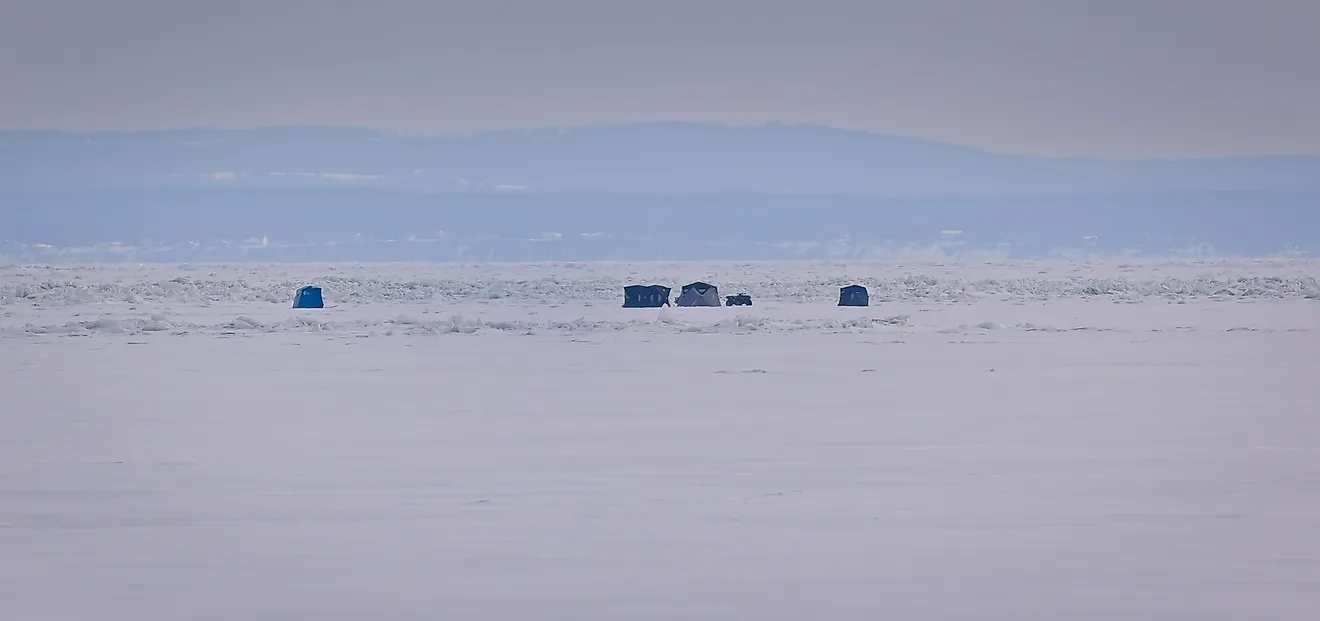
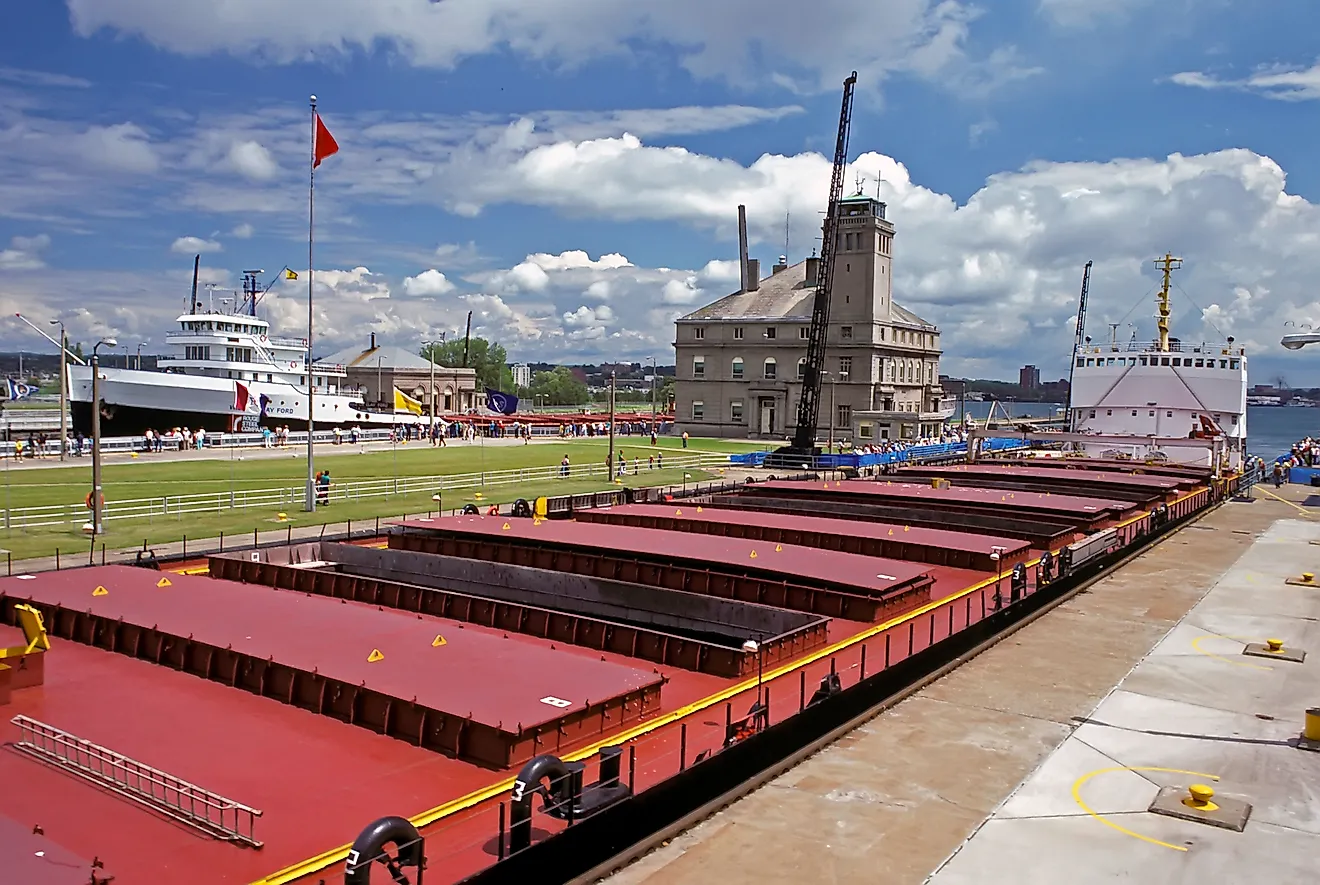
Traffic stops when the Soo Locks close in January and resumes in late March, which is also when the ships come out of layup. Lake Erie ice can delay the first arrivals further.
Mills stockpile ore before the shutdown to carry them through, which is why the last upriver trips of December matter disproportionately.
The Short Answer

Freighters sail up the Cuyahoga because a steel mill at the top of it needs iron ore, and water is the only economic way to deliver the volume required. Thousand-footers cannot make the trip, so they unload at the lakefront and the cargo is transferred to smaller vessels.
The river is dredged to stay navigable, the bends are turned with tug assistance, and the bridges open on request. Interlake thought the destination important enough to build a 639-foot ship around its corners, which is the clearest answer anyone has given to why this continues.