How Many Trips A Great Lakes Freighter Makes In A Season
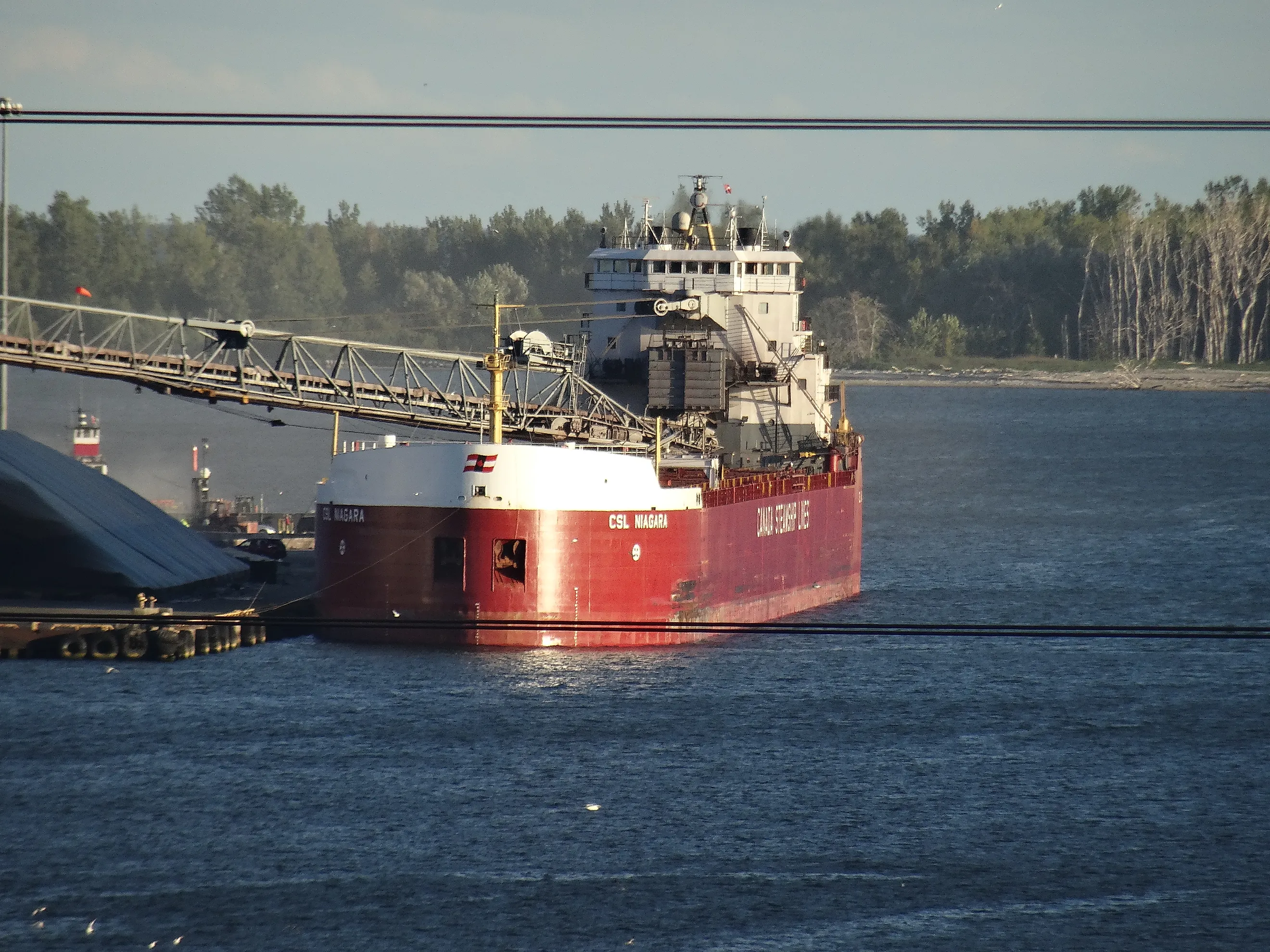
A 2013 report for the US Maritime Administration puts the figure at between 50 and 130 cargo trips a year for a self-unloading laker, which is a spread wide enough to look like an evasion. It is not. The number depends almost entirely on how long the route is, and the lakes carry both. A cement ship shuttling across Lake Michigan and a thousand-footer running ore from Duluth to the lower lakes are doing the same job on completely different clocks.
The Season Is About 297 Days

Everything starts from the calendar, which is fixed by ice rather than by commerce.
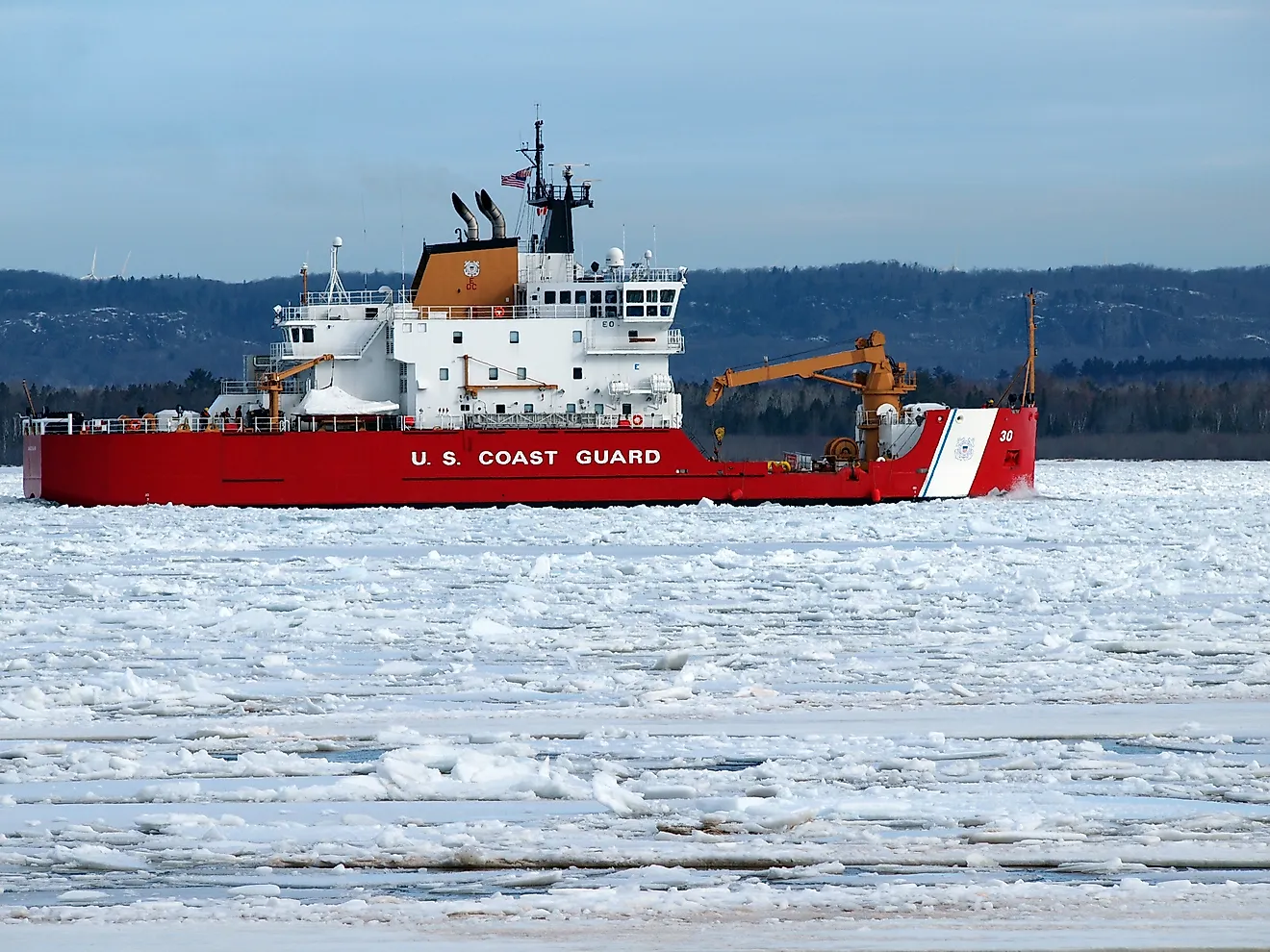
The navigation season runs from late March to the following mid-January, giving a ship trading between Lake Superior and the lower lakes about 297 days to work. The Soo Locks reopen on March 25 and close on January 15.
Divide 297 by the trip count and you get the cycle time. Fifty trips means a round trip every six days. A hundred and thirty means one every two and a quarter.
Route Length Sets The Count

The variable driving the whole range is distance, and the lakes offer a very wide choice of it.
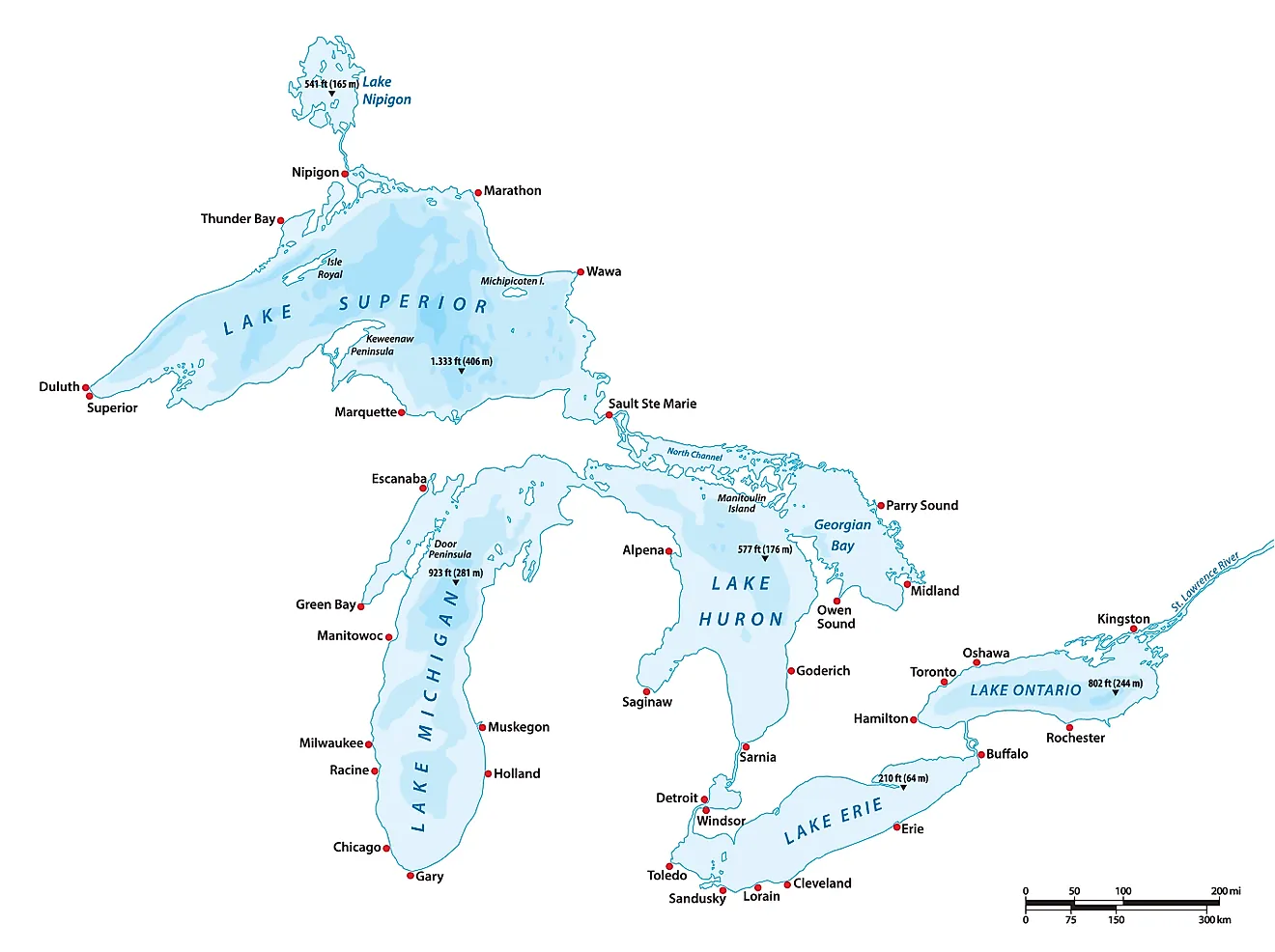
Duluth to Cleveland is 840 nautical miles and takes three to four days one way. Add the return and the dock time and a round trip runs somewhere between seven and nine days, which puts a ship on that run near the bottom of the range.
A cement carrier working Lake Michigan ports covers a fraction of that distance and turns around far more often. Same season, same rules, triple the trips.
One Ship Did Seventy A Year

A documented example sits neatly in the middle of the published range.
The SS Alpena, a self-unloading cement carrier, was making about 70 trips a year on Lake Michigan and Lake Superior, working a season from mid-March to late January. At 70 trips across 297 days that is a round trip every 4.2 days.
Loading, sailing, unloading and sailing back, four times a fortnight, for ten months. The ship is essentially never idle.
The Ore Run Is Slower And Heavier

At the other end, the long iron ore haul trades frequency for volume.
In the 1953 season, when 600-footers were standard, ships made 32 to 45 trips across an eight-month season, with round trips of 1,600 to 1,800 miles taking five to eight days. One new freighter that year carried 866,845 gross tons in 45 trips, a single-season record.
That is about 19,300 tons per trip. A modern thousand-footer carries three and a half times that in one load.
Modern Capacity Changes The Arithmetic

Fewer trips in a bigger ship moves far more cargo, which is the point of the thousand-foot class.
The Paul R. Tregurtha's first 71 cargoes totaled 4,151,398 long tons, averaging 58,450 per load. At 40 to 50 trips a season carrying 68,000 tons, a thousand-footer moves roughly 2.7 to 3.4 million tons a year.
The 1953 record-holder needed 45 trips to move 867,000 tons. A modern laker can beat that figure in about 13.
Self-Unloading Is What Made It Possible

Trip frequency depends less on sailing speed than on how long a ship sits at a dock.
Mid-century unloading facilities could discharge a freighter in six to ten hours. The Tregurtha unloads at 10,000 long tons of iron ore an hour, or 6,000 net tons of coal, using its own boom and no shore equipment at all.
A ship that unloads itself is not waiting for a berth with the right crane. That independence is worth several trips a season on its own.
Loading Can Be Astonishingly Fast

The loading side of the cycle has always been quicker than people expect.
A trial loading at one ore dock put 12,057 gross tons into a steamer in 16 and a half minutes. That was decades ago, under test conditions, and it indicates what gravity-fed ore chutes can do.
Loading has rarely been the bottleneck on the lakes. Sailing time and winter are.
The Last Trips Run Right To The Gate

Ships do not wind down gently as January approaches, which is visible in the records.
On January 6, 2026 the thousand-foot Presque Isle stopped at the Duluth entry to refuel before continuing an iron ore run on Lake Superior, nine days before the Soo Locks closed. The Tregurtha has finished a season by unloading on January 29 before heading to winter lay-up at Sturgeon Bay.
Every trip squeezed in before the gate is a trip that does not need to wait ten weeks.
Port Traffic Shows The Aggregate

Individual trip counts add up to a visible pattern at the busy end of the system.
Duluth-Superior, the largest Great Lakes port by tonnage, records nearly 800 vessel visits a year, and roughly 90 percent of its traffic is lakers rather than ocean ships.
That is a ship arriving or departing better than twice a day across a 297-day season, from one port.
The Short Answer

A self-unloading Great Lakes freighter makes between 50 and 130 cargo trips a year, across a season of about 297 days running from late March to mid-January. Short Lake Michigan routes sit at the high end, with one documented cement carrier making about 70. Long iron ore hauls from Duluth to the lower lakes sit at the low end, around 40 to 50.
Capacity does the rest. A thousand-footer making 45 trips moves about three million tons a season, which is more than three times what the 1953 record-holder managed in the same number of voyages.