5 Most Snake-Filled Bodies Of Water In New York
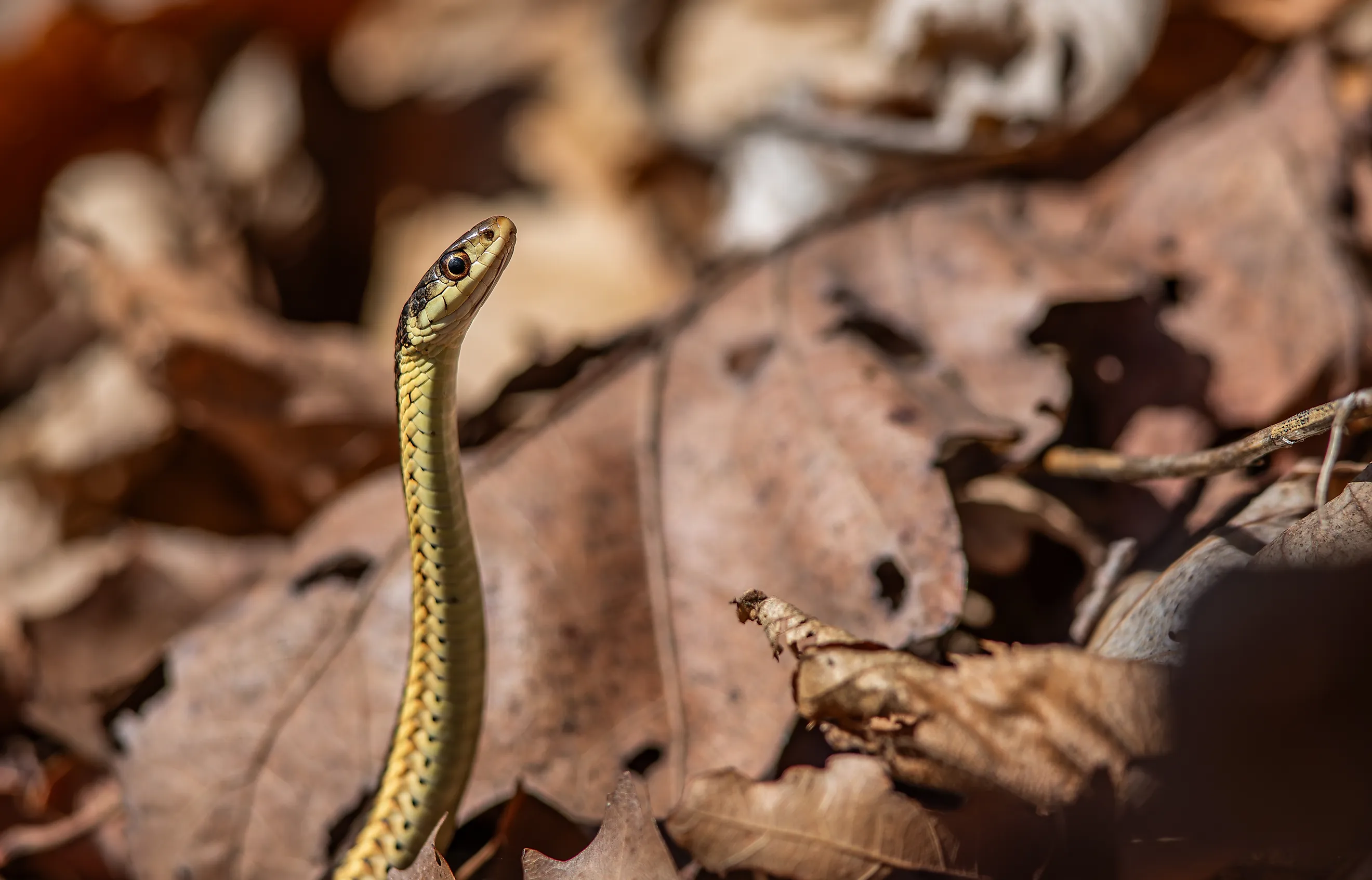
New York holds about a dozen native snake species. A handful of them live their lives around water. The northern water snake is the one you will actually meet along a marshy shoreline. It is nonvenomous and turns up at lakes and reservoirs across the state. Garter snakes work the same wet edges hunting frogs and small fish. The five waterways below concentrate these snakes better than almost anywhere else in New York. Knowing which shorelines they favor tells you what to expect before you set foot on one.
Montezuma National Wildlife Refuge

Located between Cayuga Lake and the Finger Lakes region's northern wetlands, Montezuma National Wildlife Refuge contains a network of marshes and canals that provide ideal habitat for several snake species. The refuge is especially known for its populations of northern water snakes (or "common watersnakes"), large nonvenomous reptiles that spend much of their time near shorelines hunting for their favorite food, such as fish, amphibians (namely frogs), and small mammals. Eastern garter snakes and northern brown snakes also inhabit the wetland landscape in healthy numbers.
Established in 1938, the refuge protects more than 10,000 acres of wetlands, making it a valuable habitat area for other water-dwelling critters, like turtles, within New York's extensive inland water network. But beyond its reptiles, Montezuma is perhaps better known as a major stopover for migratory birds, with thousands of ducks, geese, and other waterfowl passing through each year.
Lake Champlain

Stretching along New York's northeastern border with Vermont, the immense 435-square-mile Lake Champlain contains large amounts of shallow bays, marshes, and rocky shorelines that support thriving populations of northern water snakes. These snakes, recognized by their dark bodies with reddish or brown markings, are commonly found basking on logs, swimming near shorelines where vacationers frequent, and hunting fish and amphibians in the lake's many adjacent wetlands. Areas around Ausable Marsh, the South Bay wetlands, and other protected shoreline habitats boast particularly suitable conditions.
Champlain is also said to be home to one of New York's most famous cryptids, that being "Champ," an enormous, snake-like, and fully aquatic creature that has somehow eluded modern video cameras despite the lake's popularity and ease of access.
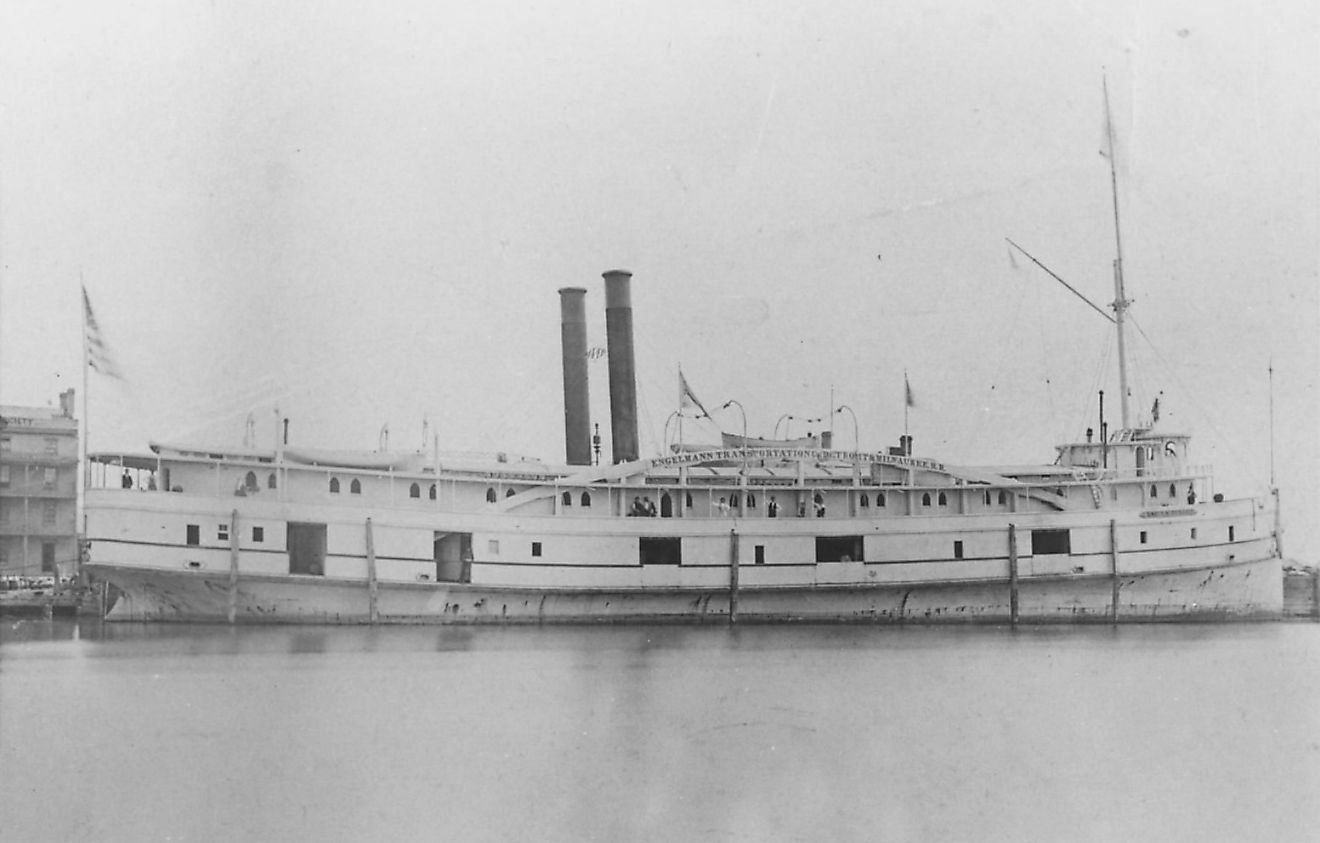
On a more grounded note, Lake Champlain is known for its remarkable biodiversity in general, supporting more than 80 species of fish and likewise serving as an important habitat for birds, turtles, American eels, and other aquatic wildlife. Moreover, the lake has played a major role in regional history, with a number of underwater shipwrecks and artifacts having been found here from centuries of military and commercial activity preserved beneath its waters.
Oneida Lake
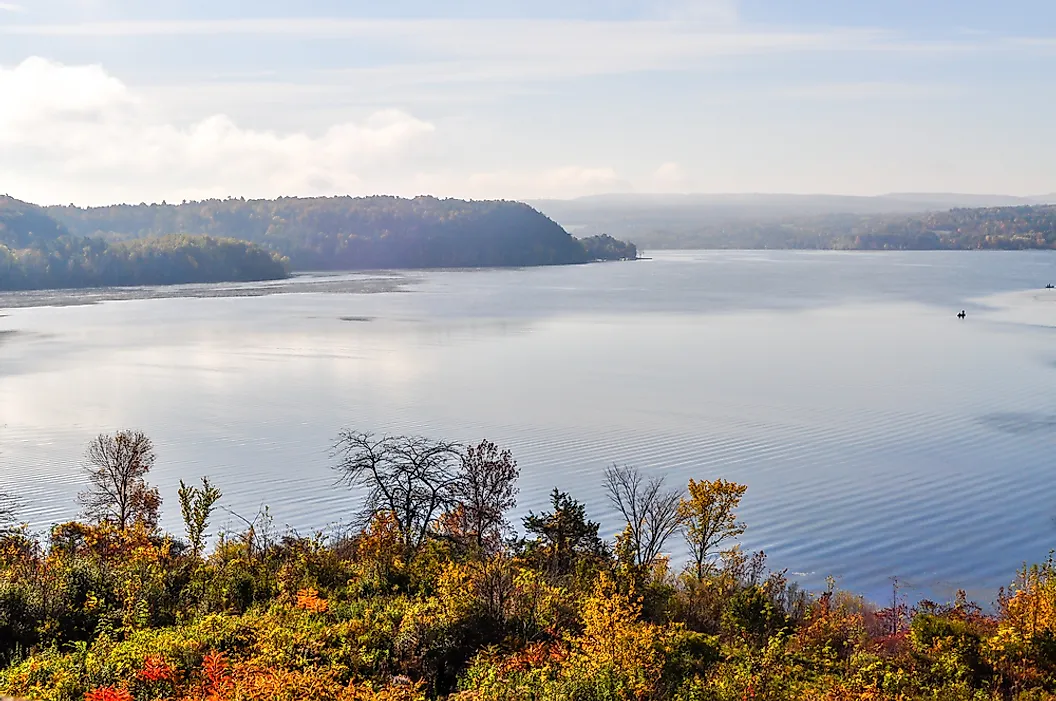
Oneida Lake, located northeast of Syracuse, is quite a shallow freshwater lake with an average depth of only 22 feet. But its 79 mi² (205 km²) surface area actually makes it the largest lake entirely within New York State, and its connection to the Erie Canal has given it further historical importance as a transportation route.
It features numerous marshes, weed beds, and protected shoreline areas that support a strong population of northern water snakes, which are frequently seen along docks, rocky edges, and wetlands. On the other hand, massasauga rattlesnakes have been documented further inland in nearby woodlands. This is a venomous species, and tall grasses, downed branches, other piled-up foliage, and rock crevices should be approached with caution, as those are their preferred hiding spots.
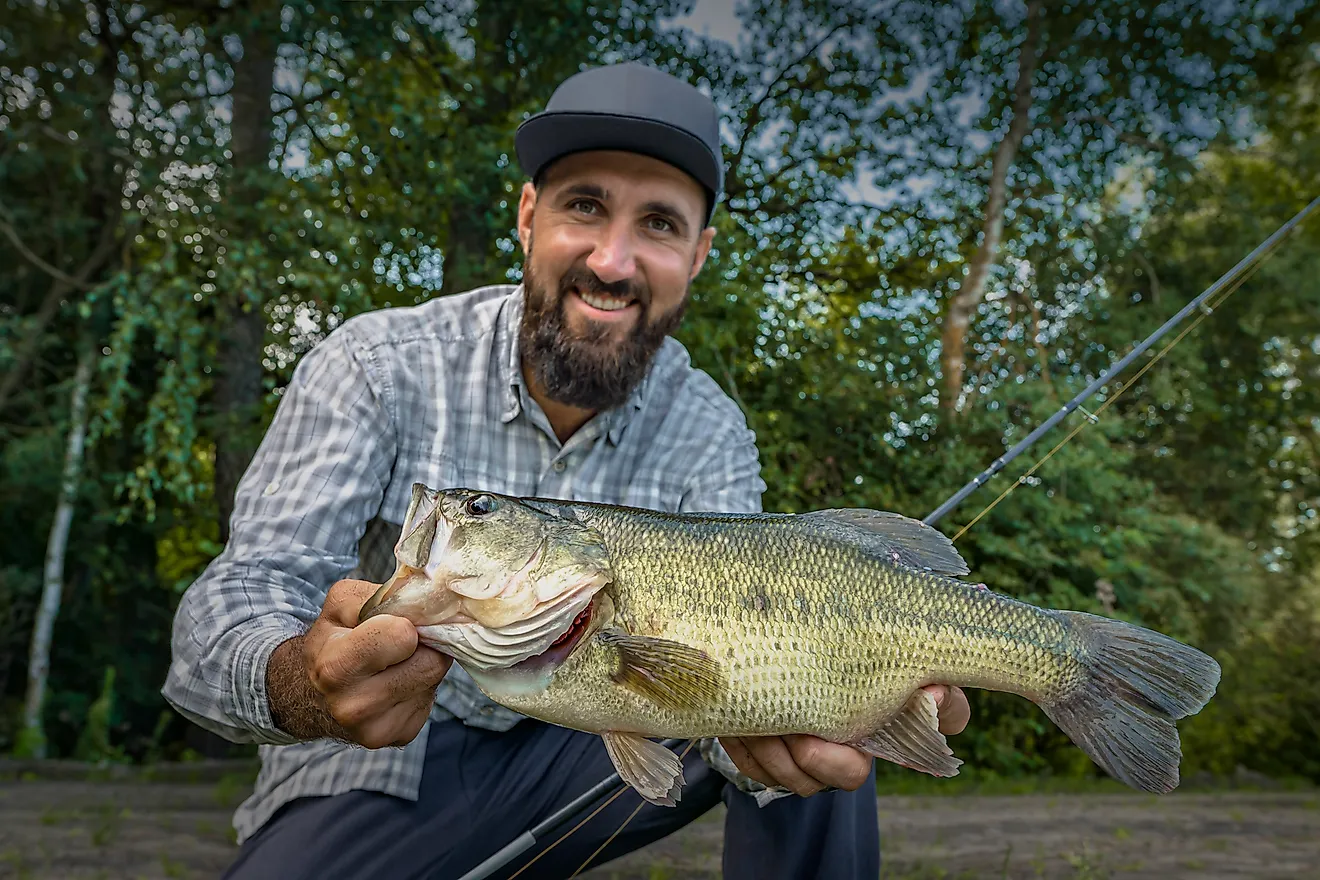
Oneida Lake is also recognized as a premier fishing destination in New York, housing species such as walleye, yellow perch, and bass, and making snake sightings by anglers commonplace.
Lake Ontario

Although best known as one of North America's Great Lakes, Lake Ontario includes countless bays, marshes, river mouths, and protected inlets along its shoreline on the New York side, each of which provides excellent living space for a variety of snakes. In fact, it contains more than 700 mi of shoreline and reaches depths of over 802 ft, making it the smallest by surface area but the second deepest of the Great Lakes.
Like usual in this state, northern water snakes are especially common in its quieter areas, where they warm their blood on rocks, breakwaters, and fallen trees. Eastern garter snakes and DeKay's brownsnakes are also found in nearby wetlands and coastal habitats.
Important habitats occur around places such as Sodus Bay, Black River Bay, and the extensive wetlands at the eastern end of the lake. Its immense and diverse coastal ecosystems also support hundreds of bird, fish, and reptile species throughout the year.
Great Sacandaga Lake

Created in 1930 by the Conklingville Dam, Great Sacandaga Lake covers roughly 41 mi² in the southern Adirondacks. Its irregular, craggy shoreline and various backwaters provide ideal conditions for northern water snakes, which frequently patrol the shallows in search of fish, tadpoles, salamanders, and crayfish. Rocky points warmed by the sun also attract snakes during cooler mornings, with eastern garter snakes regularly encountered in the surrounding wetlands and grassy margins sharing the space.
Unlike many natural lakes in New York, Great Sacandaga was, as mentioned, formed as a flood-control reservoir to regulate the Hudson River, permanently inundating dozens of former farms, roads, and communities. During periods of exceptionally low water, however, remnants of old foundations, bridge abutments, and stone walls occasionally reappear along the shoreline, offering a visible reminder of the valley that existed before the reservoir was created while highlighting the lake's unusual blend of natural habitat and human history. Within many of these manmade landmarks, snakes may make a home in hollowed-out walls and other tight places too!
Watch Out for Snakes in These New York-Based Waters
New York's most snake-filled waters are valuable ecosystems where these cold-blooded predators play an important role in maintaining healthy food webs. Although encountering a snake can be surprising in this state, most species are still harmless and avoid people whenever possible. Knowing which waterways provide suitable habitat allows visitors like you to appreciate these environments while giving wildlife the space it needs to thrive.