Why The Gulf Of Mexico Is So Warm
The Gulf of Mexico is known for its warm waters, a result of its tropical and subtropical location, extensive shallow coastal areas, and the movement of warm ocean currents. Strong sunlight heats the Gulf's surface, while the Loop Current carries tropical water into the region from the Caribbean Sea. These natural conditions keep much of the Gulf relatively warm throughout the year. However, climate change is adding to that warmth. Research shows that the Gulf's surface temperatures increased by approximately 1.8°F (1°C) between 1970 and 2020, nearly twice the rate of global ocean surface warming over the same period.
Location, Location, Location

The Gulf of Mexico's geographic location plays a significant role in its warm temperatures. Bordered by southern US states, including Florida, Texas, and Louisiana, as well as Mexico and Cuba, the Gulf lies primarily within subtropical latitudes, with its southern reaches extending into the tropics. This location exposes its waters to substantial solar radiation year-round, particularly during the summer months.
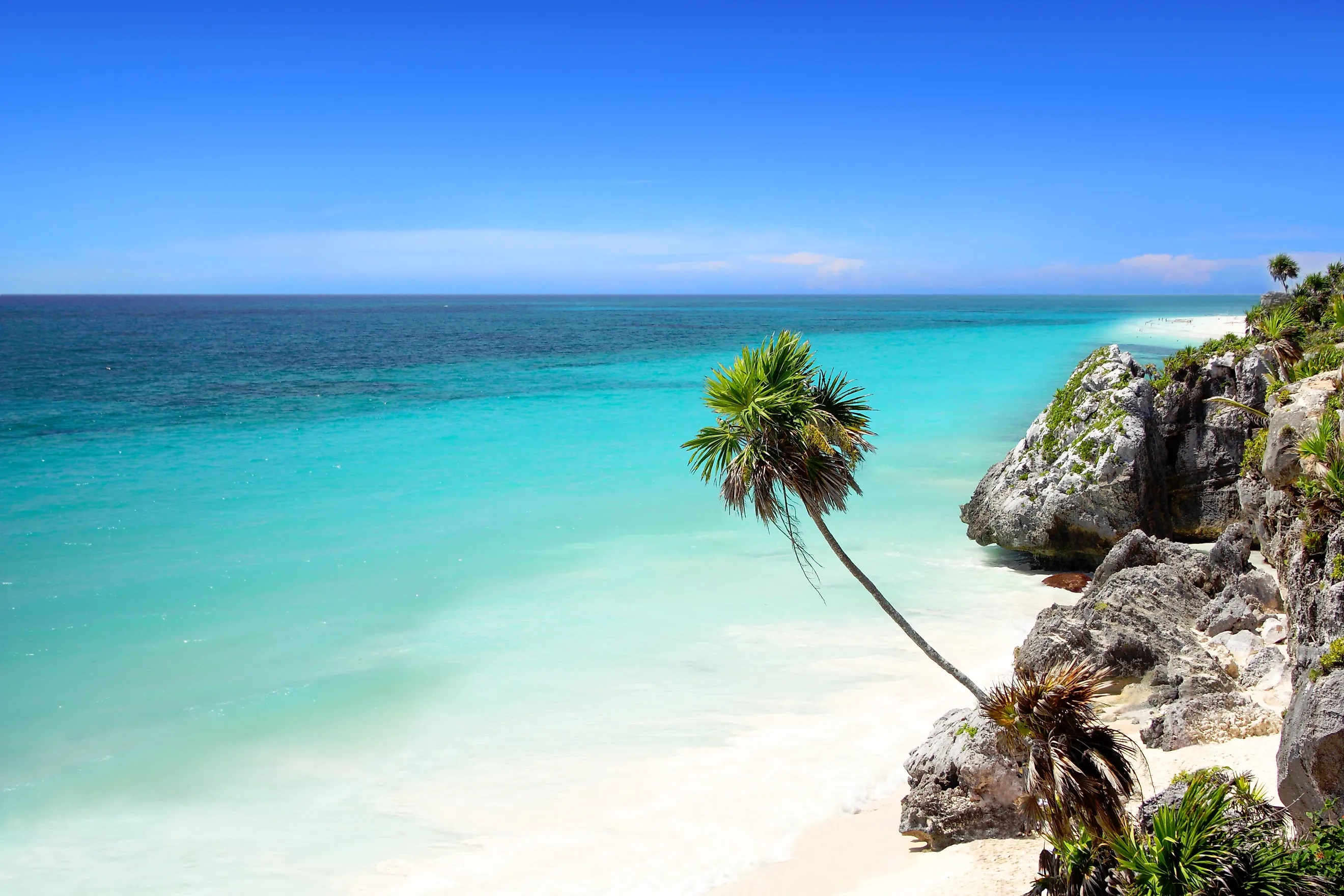
Unlike bodies of water at higher latitudes, the Gulf experiences relatively mild winters, especially in its southern regions. Strong summer sunlight heats the surface waters, with coastal temperatures in parts of Florida reaching approximately 87°F (31°C). However, temperatures vary across the Gulf, and northern coastal waters can cool considerably during winter cold fronts.
Shallow Waters and the Loop Current

Much of the Gulf of Mexico's coastline is bordered by shallow continental shelves. One example is the West Florida Shelf, a broad, gently sloping underwater platform extending westward from Florida's Gulf Coast. Because shallow waters contain less water to heat, they can warm rapidly under strong summer sunlight. However, they also lose heat more quickly during winter cold fronts, producing greater seasonal temperature fluctuations than the Gulf's deeper offshore waters.
Another important source of warmth is the Loop Current, which carries warm tropical water northward from the Caribbean Sea through the Yucatán Channel. The current extends into the Gulf before turning east and south toward the Straits of Florida, where it feeds into the Florida Current and ultimately the Gulf Stream system. By transporting warm tropical water into the region, the Loop Current influences water temperatures and distributes heat throughout parts of the Gulf.
Nearby Land

The Gulf of Mexico is a partially enclosed marginal sea of the Atlantic Ocean, bordered by the United States to the north, Mexico to the west and south, and Cuba to the southeast. Its surrounding landmasses and relatively limited connections to the open ocean influence ocean circulation and heat distribution. However, these landmasses do not completely trap heat, and the Gulf continuously exchanges heat with the atmosphere.
The Gulf connects to the Caribbean Sea through the Yucatán Channel and to the Atlantic Ocean through the Straits of Florida. Warm water enters primarily through the Yucatán Channel, while the Florida Current carries water out toward the Atlantic. These connections help circulate tropical water through the Gulf. Combined with strong sunlight and extensive continental shelves, this circulation contributes to the Gulf's generally warm conditions, although temperatures vary considerably by season and location.
Climate Change

Climate change is another important factor affecting the Gulf of Mexico's water temperatures. Human activities have increased atmospheric concentrations of greenhouse gases, including carbon dioxide, which trap additional heat in Earth's climate system. The oceans absorb much of this excess heat, causing water temperatures to rise over time. This warming is occurring globally, but some regions, including the Gulf of Mexico, have experienced particularly rapid increases.
Research by scientists associated with NOAA's National Centers for Environmental Information and the Northern Gulf Institute found that the Gulf's average sea surface temperature increased by approximately 1.8°F (1°C) between 1970 and 2020. This represents nearly twice the global ocean's average surface warming rate over the same period. The study also identified warming throughout much of the Gulf's water column, particularly in its upper layers. Continued warming poses risks to marine ecosystems, while higher ocean temperatures can contribute to more intense hurricanes when atmospheric conditions are favorable. Rising sea levels also threaten low-lying coastal communities.
Warming Trends

The Gulf of Mexico's naturally warm waters result from several interacting factors, including its southern location, strong sunlight, shallow coastal shelves, and the tropical heat transported by the Loop Current. These conditions have long influenced temperatures throughout the region, but climate change is increasing the amount of heat stored in its waters. As warming continues, the consequences could extend to marine ecosystems, hurricane intensity, and coastal communities. Understanding the Gulf's temperatures requires considering both the natural processes that keep it warm and the long-term changes affecting its environment.