The Most Dangerous Stretches Of US Coastline
Unpredictable patterns make the ocean a hazardous place, especially in the Northern Hemisphere, where the water can drop to 28°F. Sneaker waves and rip currents threaten visitors to Point Reyes National Seashore in California. Waves beat against the shore on the Oregon coast, sometimes meeting hot coals, slippery boulders, and massive trees that can be swept away and turned into dangerous debris. In places such as Cape Cod, sharks are known to hunt close to shore, helping keep the food chain intact and occasionally biting swimmers. The stretches of surf below are remarkable for their rugged beauty, but they also come with inherent risks.
Point Reyes, California

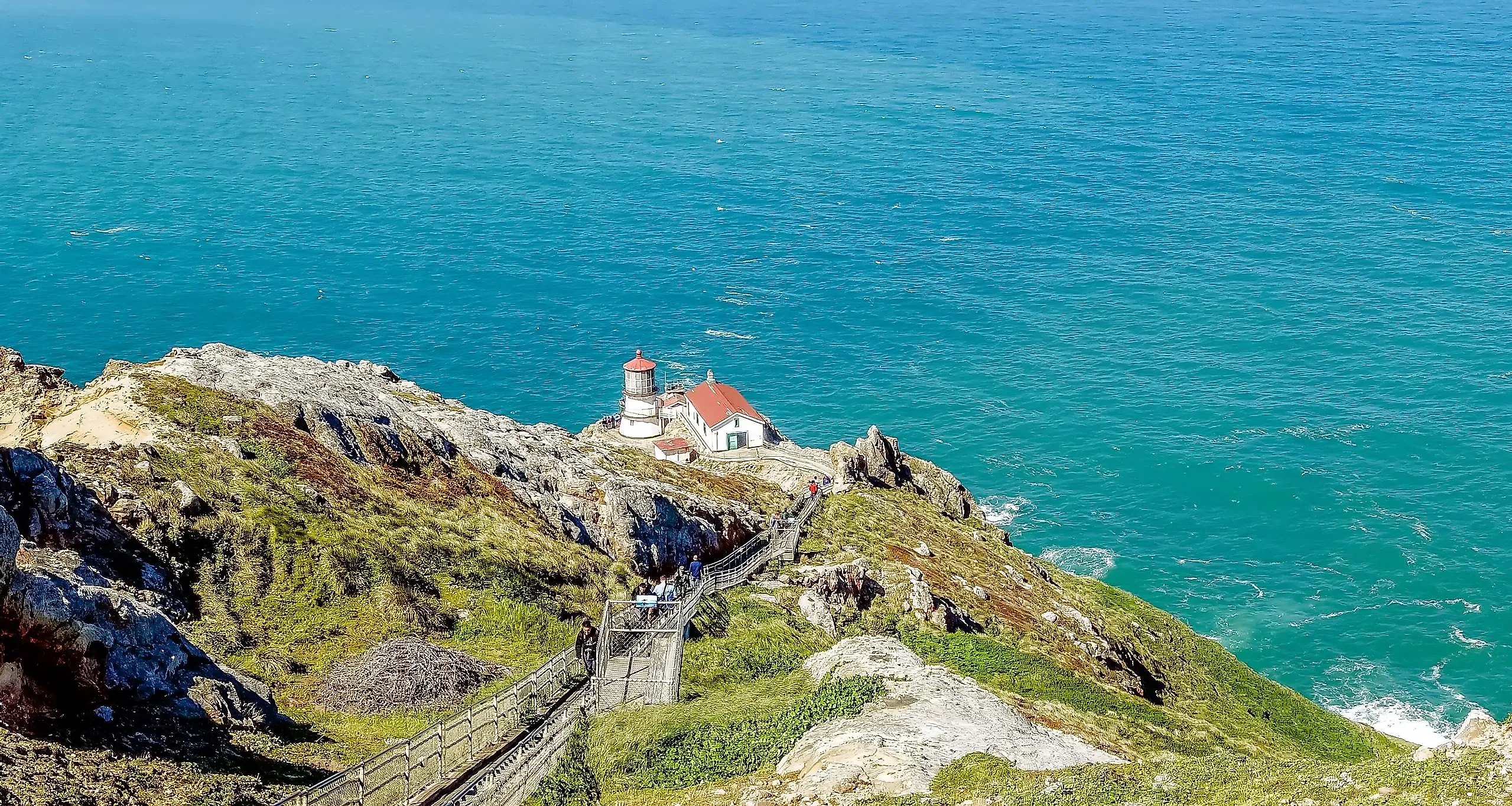
The National Park Service calls the ocean one of the most dangerous hazards found at Point Reyes National Seashore for good reason. Buried hot ashes, sneaker waves, rip currents, contaminated water, and hypothermia all await those who enter this dangerous surf. In addition to being aggressive and hard to monitor, the water is often contaminated by rainfall, allowing dangerous bacteria to flow from nearby agricultural areas into the waterway.
With temperatures typically staying below 50 degrees Fahrenheit, hypothermia is also a real possibility for those in the water. A contrasting hazard lies beneath the sand, where hot coals from beach fires have been buried in shallow sand rather than extinguished. The danger does not only come from the ocean itself, but from the rugged environment that surrounds it. Rockfalls and landslides are a regular occurrence on the bluffs that surround the beach, posing a serious hazard to those lounging on the shore.
Outer Banks, North Carolina

According to the National Park Service, there are daily rip-current forecasts on the islands that make up the Outer Banks. Low spots in the sand, such as dips between sandbars, cause the current to flow away from the shore, flowing roughly perpendicular to the shoreline into the ocean. Otherwise known as a rip current, this aquatic event is typically 50 to 100 feet wide yet very deadly. These currents are fast, moving from 1 to 8 feet per second. Rip currents form even when the waves are small. There are actually fewer rip currents in heavy waves, making the ocean look deceivingly calm when it is at its most treacherous.
These hazards are harder to spot than massive waves, yet roughly 10-15% of U.S. tropical-cyclone fatalities have been attributed to rip currents. Even under a blue sky and within a calm sea, rip currents can form, especially if grey clouds gather in distant parts of the ocean. One of the leading factors in rip currents is hurricanes. Even from thousands of miles away, large-scale storms can disturb the current for thousands of miles.
Northern Oregon Coast, Oregon

The unique geology of the North Oregon Coast creates the perfect storm for deadly ocean conditions. The steep slopes against the ocean cause the same sneaker waves seen in California, which surge up close to shore in huge, unexpected swells. Trees that grow on the cliffs can also fall into the sea, adding long pieces of splintered wood to the waves. Along with reaching impressive heights, the waves can run at least 150 feet onto the dry beach, making the shore almost as hazardous as the shallows. The massive swells can erupt unexpectedly, ambushing beach walkers. Frigid water temperatures may also cause cold-water paralysis on impact.
Outer Cape Cod, Massachusetts

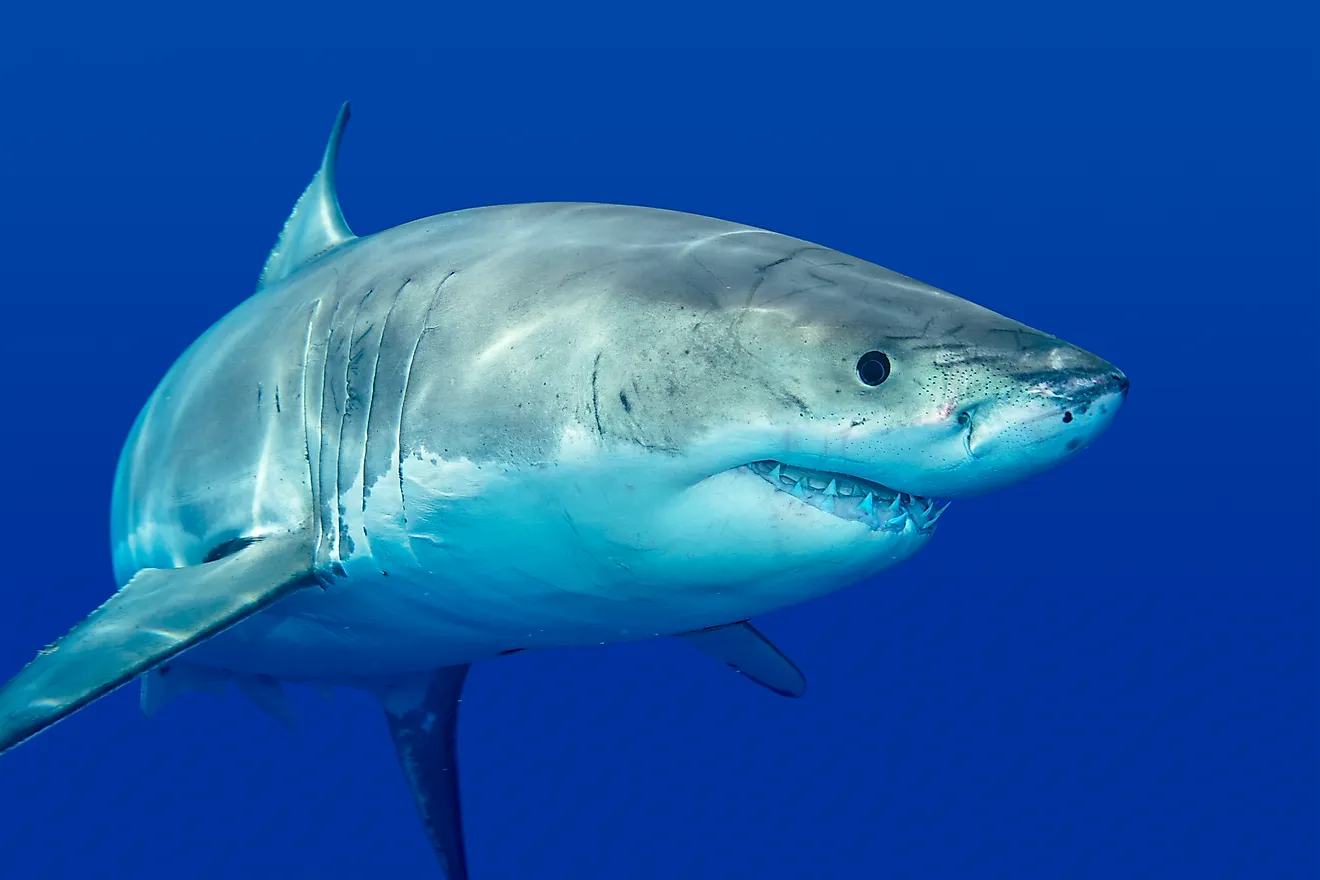
Swimming in the waters of Cape Cod means you may encounter its resident, the great white shark. While swimmers can encounter the sharks that inhabit these waters anywhere, areas near their prey are especially dangerous. Because of this, tourists are advised not to approach seals in the shallows. The seal population has rebounded after being hunted to near extinction. Now that the seals are mostly hunted by their natural predator, shark sightings near the shore of swimming beaches have increased. Shark sightings are far more common than attacks on humans, with the last fatality being in September 2018. There is also a danger of being pulled away from shore by a rip current. You can not escape a rip current by swimming against it; rather, swim diagonally to calmer tides.
Olympic Coast, Washington

The tides on the Olympic Coast change rapidly. This is one of the main draws of the area, especially at Kalaloch's Beach 4, Mora's Hole in the Wall, Second Beach, Ruby Beach, and Third Beach. Tourists visit these beaches to see the tide pools and the aquatic life within them, including colorful anemones, invertebrates, and marine mammals. Tide pools occur when the tide hits boulders that trap the water in basins and crevices in the rock's surface. This creates little viewing pools of aquatic life that are typically hidden in the sea.
The danger lies in the tide's sudden, sometimes unexpected, return. When the tide returns, sneaker waves can hide within it. In places such as Hole in the Wall, visitors are told not to pass through the picturesque opening once the tide begins to cover the earth. The extreme tides and sneaker waves are made even deadlier by the frigid water temperatures characteristic of the northwestern coastal environment.
Thunder Hole, Mount Desert Island coast, Maine

Rather than a sandy shore, this coast is composed of large, sharp boulders slick from ocean spray. Sometimes the tide forces water into narrow channels between the boulders. The water roars like thunder as it churns, filling the narrow pathways. Viewing platforms around these channels are made of stone, so they are often slippery from constant water spray, which sometimes reaches heights over 40 feet. Even when the water looks calm, rogue waves splash over the boulder edges. People have been swept from the rocks and fallen from the slippery rocks lining the coast at Thunder Hole, sending them into the thrashing sea below.
Makapu'u Beach Park, Hawaii

Waves crash on Oʻahu's eastern shore with an incredible amount of energy. Usually, shelves and sandbars in the sea slow the growth of waves. Since there's no continental shelf to slow the building waves, they can crash aggressively on the shore of Hawaii's East Shorebreak Beaches. These waves, or shorebreaks, can be stronger here than anywhere else in the world, and are extremely unpredictable. The wave's overwhelming force is more than a drowning hazard. A strong wave can push a swimmer into coral and sharp rocks, causing head injuries, spinal cord injuries, and broken extremities. While some shorebreaks are huge, the average wave height when a spinal cord injury occurs in the surf is just three feet.
There is so much to explore along the coastlines that frame the United States. These stretches can still be admired, as long as visitors take caution. A few general ocean safety rules help keep beachgoers safe in the surf and on the sand. Never turn your back to the ocean, stay away from the prey of ocean predators, walk carefully on slippery surfaces, and know when to avoid a shoreline entirely.