8 Strange Discoveries About the Amazon Rainforest
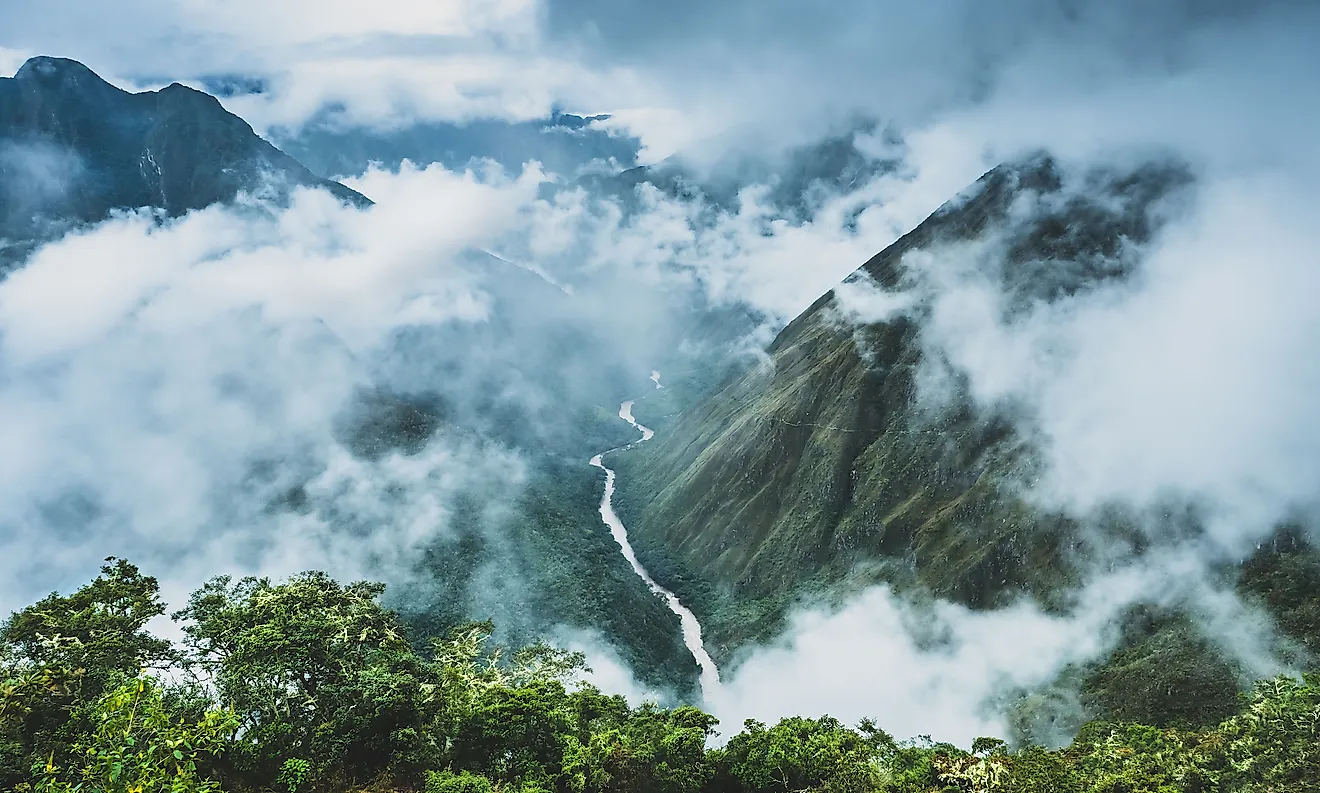
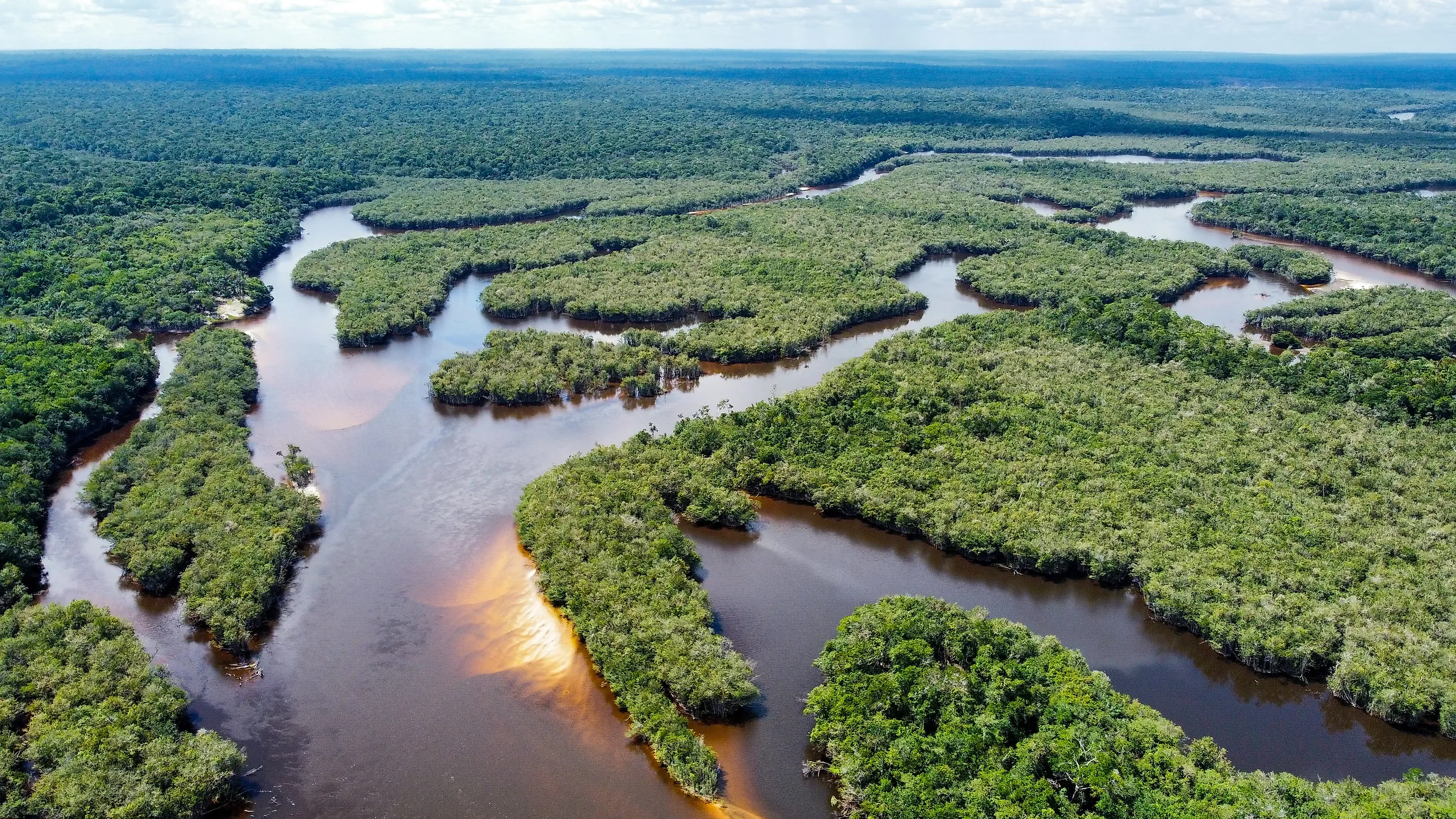
The Amazon Rainforest spans across Brazil, Peru, Colombia, and several neighboring countries, covering an area of more than 2.1 million square miles. It is renowned for its diverse wildlife, winding rivers, and rich Indigenous cultures that have thrived there for thousands of years. The region also plays a significant role in shaping the world’s climate, which is why scientists closely monitor it. Since the 1970s, rapid deforestation has led to significant changes in large sections of the forest.
At the same time, new discoveries have shifted previous assumptions. LiDAR technology, widely used since the mid-2010s, has revealed ancient cities hidden beneath the trees. Soil research uncovered advanced engineering that challenges old ideas about how people lived here. Even with decades of study, the Amazon remains one of the least understood places on Earth. That said, here are eight strange discoveries that show how much mystery still hides under the rainforest canopy.
Lost Ancient Cities Hiding Under the Trees Like a Secret World

For years, many researchers believed the Amazon could not support large cities, only small groups moving through the forest. That idea changed when LiDAR scans revealed huge settlements hidden beneath the trees. These scans revealed extensive road networks, canals, platforms, and organized neighborhoods that had been obscured by vegetation for centuries.
The discoveries surprised archaeologists because the cities were far more advanced than anyone expected. They showed planned layouts, raised fields for farming, and structures that likely served ceremonial purposes. The most shocking part is that these cities were invisible from the ground, and some scientists estimate that they are over 2,000 years old.
Thick forest growth hid roads wider than modern highways and complexes that stretched for miles. The findings prove that ancient Amazonian societies were skilled engineers who shaped the land in ways we are only beginning to understand. These hidden cities show that the rainforest once supported dense, complex communities that disappeared long before written history.
Man-Made Super-Soil So Rich It Still Beats Modern Farming Tricks

Man-made super-soil in the Amazon, known as terra preta, is one of the strangest discoveries in the region. This dark, fertile soil was created more than 1,000 years ago by Indigenous communities who mixed charcoal, food scraps, bones, and pottery pieces into the ground.
While most Amazon soil is thin and low in nutrients, terra preta stays rich for centuries. The surprising part is that it seems to renew itself through helpful microbes, even when the surrounding land becomes exhausted. Farmers today still cannot recreate it with the same success, which makes the soil even more mysterious. Its existence shows that ancient Amazonians were skilled land managers who could support larger communities than once believed. Terra preta challenges modern science and raises questions about what other knowledge may still be hidden in the forest.
The Boiling River That Kills Anything It Touches

The Boiling River in Peru, also known as Shanay-timpishka, is a four-mile stretch of water so hot that it can reach nearly 200 degrees Fahrenheit. Anything that falls in, from insects to small animals, dies within seconds. Explorer Andrés Ruzo brought attention to it in 2011 after hearing stories from his family and finally tracking it down.
What makes the river strange is that there are no volcanoes nearby. Its heat comes from deep cracks in the Earth that push geothermal water to the surface. Shamans in the region treat the river with respect and utilize it in traditional rituals, while scientists continue to study how such extreme temperatures form in a place surrounded by a normal rainforest. Ruzo once said that the river was hot enough to poach eggs. In one of his TED Talks, Ruzo said he was handed a mug and a tea bag. When he asked for hot water, the locals pointed towards the river. To his surprise, the water was clean and had a pleasant taste (Despite anecdotal reports, scientists advise against drinking the water, as its safety has not been scientifically verified). Today, the river is threatened by logging, raising concerns about protecting one of the Amazon’s rarest natural features.
A Massive Coral Reef Thriving in Muddy River Darkness

A huge coral reef sits at the mouth of the Amazon River, stretching across about 3,600 square miles. It survives in dark, muddy water where most reefs cannot live because sunlight barely reaches the seafloor. Scientists discovered it in 2016 and were shocked to find sponges, fish, and corals growing in conditions that should make reef life impossible.
The Amazon pushes massive amounts of sediment into the ocean, yet this reef has adapted to low light in a way researchers still do not fully understand. Some believe river nutrients may help keep it alive. The discovery raised concerns when oil companies showed interest in the area, leading to debates about drilling, safety, and conservation. Researchers are trying to study the reef quickly so it can be protected before industrial activity damages it.
Pink Dolphins That Navigate Flooded Forests

Pink dolphins are one of the strangest animals in the Amazon. They are Amazon river dolphins (Inia geoffrensis), and many adults turn a bright pink color that looks almost unreal. Their shade can change with age, water temperature, and even their mood. During the rainy season, rivers rise and flood the surrounding forest.
Instead of staying in open water, these dolphins swim between tree trunks and branches as if the forest has become their personal highway. They move through the flooded canopy with slow, careful motions, using their flexible necks, which allow them to turn their head nearly 180 degrees to navigate sharp turns in tight spaces. Scientists study them to understand how animals adapt to a landscape that changes every year. Their behavior shows how life in the Amazon adjusts to extreme seasonal shifts. The sight of a pink dolphin gliding through a drowned forest feels otherworldly, which is why they remain one of the rainforest’s most unforgettable discoveries.
An Underground River As Long As The Amazon Itself

The Rio Hamza is an underground river discovered in 2011 while scientists were studying deep oil well data in Brazil. It flows approximately 13,000 feet below the surface and spans nearly 3,700 miles, almost the same length as the Amazon River above it. Unlike the fast-moving Amazon, the Rio Hamza moves very slowly, almost like thick syrup passing through layers of rock. Even though it is hidden from view, it carries a surprising amount of water, more than major rivers like the Thames.
The idea of a giant underground river shocked researchers because no one had expected a system this large to exist beneath the rainforest. Its discovery also raised new questions about groundwater, deep aquifers, and the movement of water through the Amazon Basin. Scientists want to study it further, but drilling too much could damage the fragile rock layers that let the river flow.
Ancient Geoglyphs Carved Into the Earth Like Giant Drawings

In Brazil’s Acre state, large geometric earthworks began appearing as trees were cleared. More than 450 shapes have been found so far, including circles, squares, and long trenches that stretch nearly 1,000 feet across. They were built around 2,000 years ago and can only be seen clearly from the air. Archaeologists still do not know their exact purpose.
Some think they were ceremonial gathering places, while others believe they may have been used to track seasons. What makes the discovery unusual is that it does not match the settlements or villages known from the same time period. They show careful planning, engineering skill, and large-scale labor that many did not expect to find in this part of the Amazon. Each time more forest is removed, new shapes appear, which creates a mix of curiosity and concern. The discoveries grow, but so does the damage to the surrounding ecosystem.
A Spider That Builds Decoy Replicas of Itself

The Cyclosa spider is one of the strangest creatures in the Amazon because it builds a fake version of itself to stay alive. This tiny spider gathers leaves, silk, and bits of debris to create a large decoy that hangs in the center of its web. The fake spider is big enough to catch a predator’s attention, and it even moves slightly when the wind blows, which makes it look real.
Birds and insects often strike the decoy first, giving the actual spider time to escape. This behavior shows how cleverly some rainforest animals adapt to danger. Instead of building stronger webs or hiding, the Cyclosa spider tricks its enemies with a simple but effective distraction. It serves as a reminder that even the smallest creatures in the Amazon can develop ingenious survival strategies that surprise scientists.
Discoveries Of The Amazon
The Amazon Rainforest is often described as the world’s most famous wilderness; yet, these discoveries reveal how much of it remains unknown. Hidden cities, engineered soil, boiling rivers, coral reefs in muddy water, pink dolphins weaving through flooded forests, and a massive underground river all challenge what many thought was possible. Even the smallest creatures, like decoy-building spiders, reveal surprising intelligence shaped by the rainforest’s constant change.
Each new finding expands our understanding of the region’s past and present, while reminding people how fragile it has become. As scientists uncover more beneath the trees and soil, the Amazon continues to reveal stories that reshape history, biology, and the human sense of how life adapts. Protecting it means protecting one of the last places on Earth where real mystery still thrives.