4 Wild Animal Hotspots In New Mexico
New Mexico’s arid climate and biodiverse environment support some of the most unique creatures in the world, from monstrous lizards to migrating waterfowl. The state’s wild residents have plenty of habitats to choose from, including the cooler climes of the Jemez Mountains, where New Mexico’s state animal, the black bear, makes its home, and the barren Chihuahua Desert, which attracts scorpions, snakes, and wolves. Below, we list the state’s wildlife hotspots to help nature-loving visitors plan for the trip of a lifetime. These preserves, parks, and refuges aren’t just popular recreation areas where the whole family can enjoy a day outdoors; they’re also an opportunity to see the wilder side of New Mexico and take home unforgettable memories of its native residents.
Valles Caldera National Preserve

Located in the Jemez Mountains of northern New Mexico, the Valles Caldera National Preserve protects a unique environment formed by a volcanic eruption around 1.2 million years ago. The preserve’s high-elevation environments, abundant rainfall, and rich soil support a diverse range of flora and fauna. Some of the wildlife that call the preserve home include bears, mountain lions, elk, bobcats, and coyotes. There are also three threatened and endangered species in Valles Caldera: the Jemez Mountains salamander, the New Mexico meadow jumping mouse, and the Mexican spotted owl.

Valles Caldera has the second-largest elk population in New Mexico, but other popular residents include a lively colony of Gunnison’s prairie dogs and the American pika, a tiny rodent that thrives at higher elevations. If you’re a birdwatcher, bring your binoculars. Valles Caldera is a sanctuary for 40 bird species of conservation concern, including the olive-sided flycatcher, Grace’s warbler, and northern goshawk
If you’re coming to the preserve for wildlife viewing, the best times to spot the animals are dawn or dusk when they come out to feed. Always keep a safe distance as it is illegal to willfully remain near or approach wildlife within any distance that disturbs them.
Gila Wilderness

The first designated wilderness in the world, the Gila Wilderness is a sprawling 558.065 acres of mountains, meadows, canyons, and forest in southwest New Mexico. It’s also a popular recreation area, offering hundreds of miles of hiking trails, campgrounds, fishing spots, and horse riding trails.

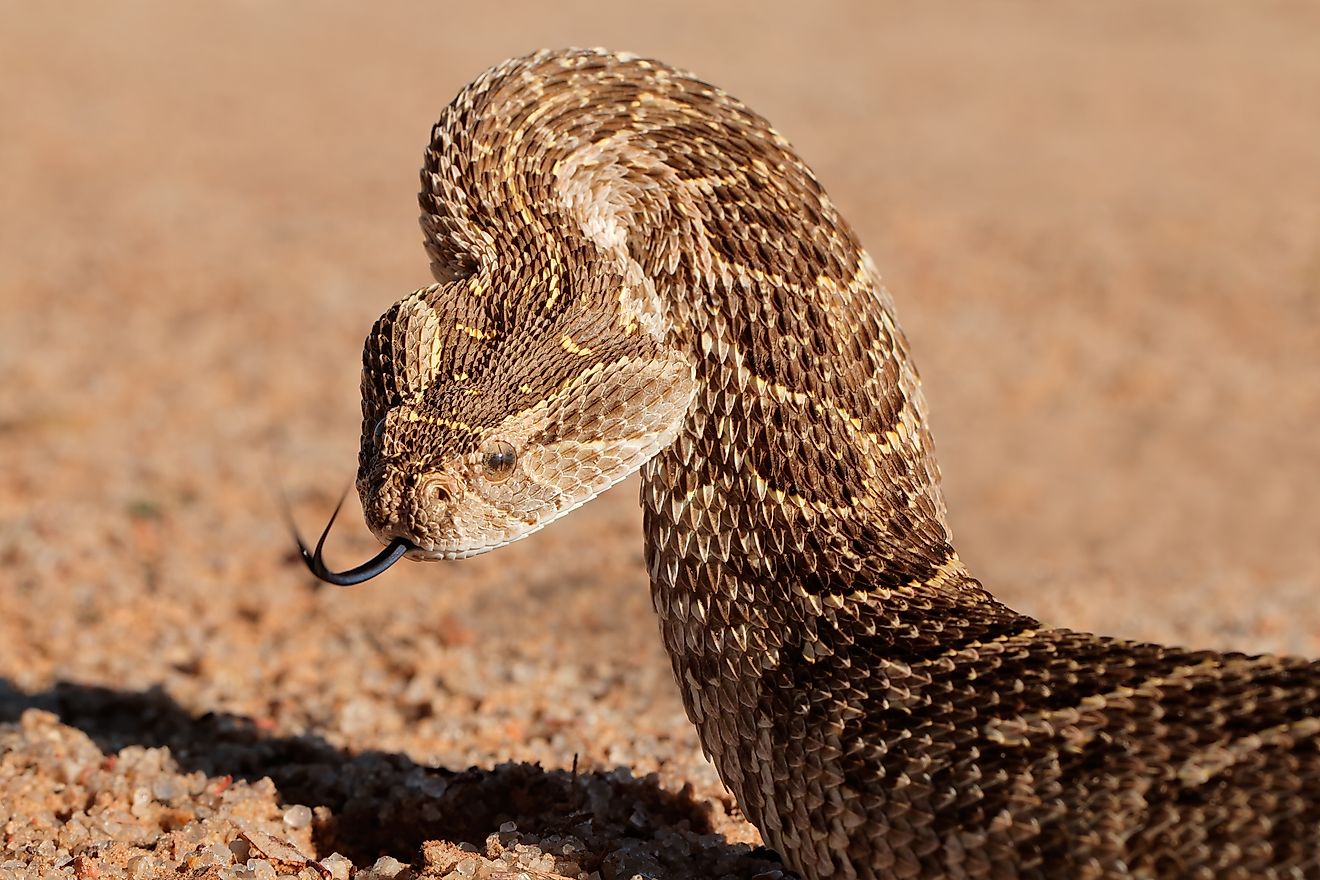
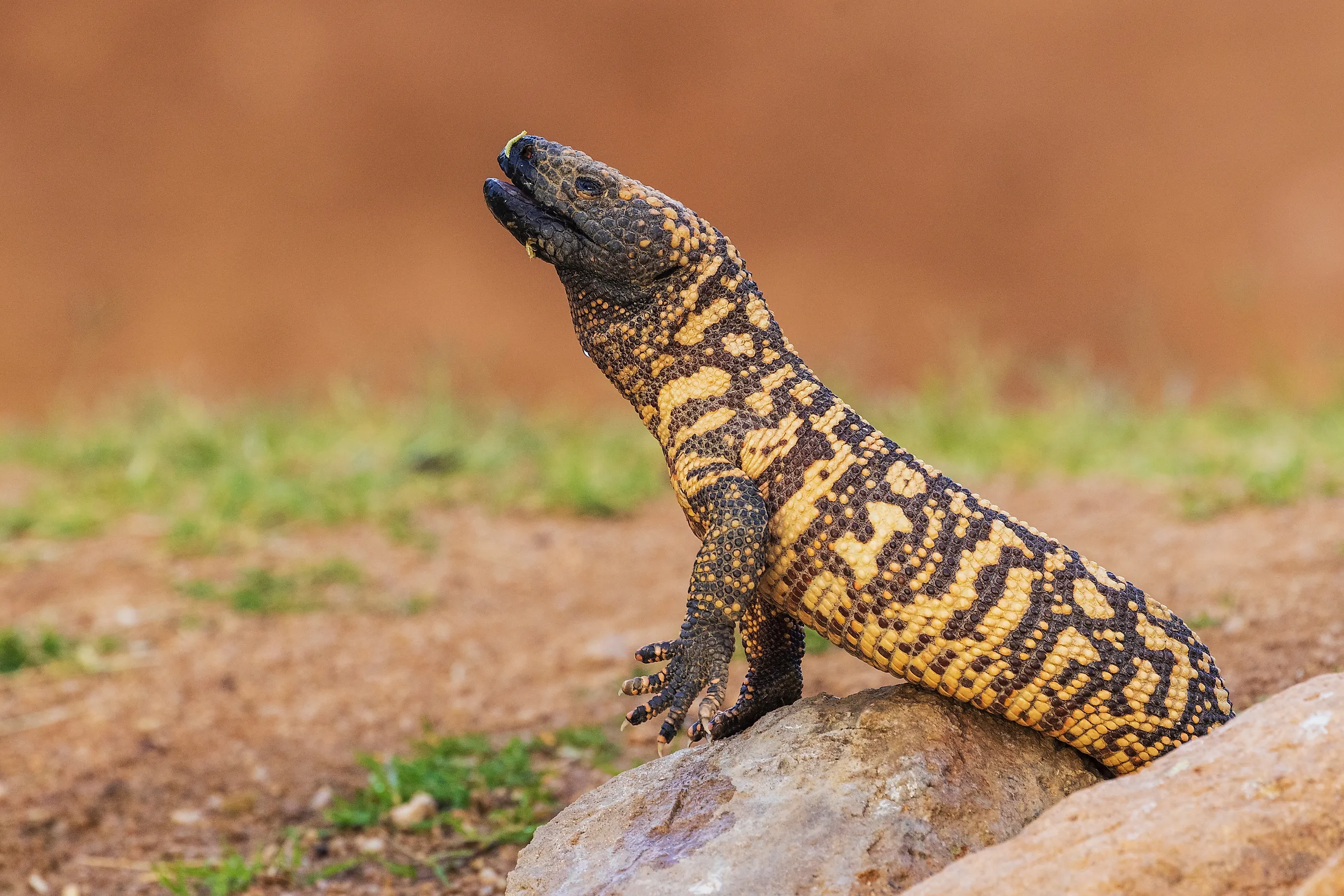
There are over 300 bird species in the wilderness area, along with elk, mule deer, mountain lions, and bears. One of the preserve’s smallest inhabitants is also one of its most dangerous. The rare Gila Monster is a venomous lizard with a painful bite. It’s protected by law in New Mexico. Other wildlife to watch in the wilderness area includes the giant vinegeroon, also known as a giant whip scorpion, which blasts a jet of acid at its prey, and the black-tailed rattlesnake, which is commonly found along ridgelines and in rock canyons. In summer, they may also be seen sunning themselves on the trails, so step carefully.
Carlsbad Caverns National Park

Despite the name, there’s more to Carlsbad Caverns National Park than its impressive underground grottos. The park encompasses a large portion of the Chihuahua Desert and the Capitan Reef, as well as more than 119 limestone caves. This diversity of habitats has led to a diversity of species making their home within the park’s boundaries.

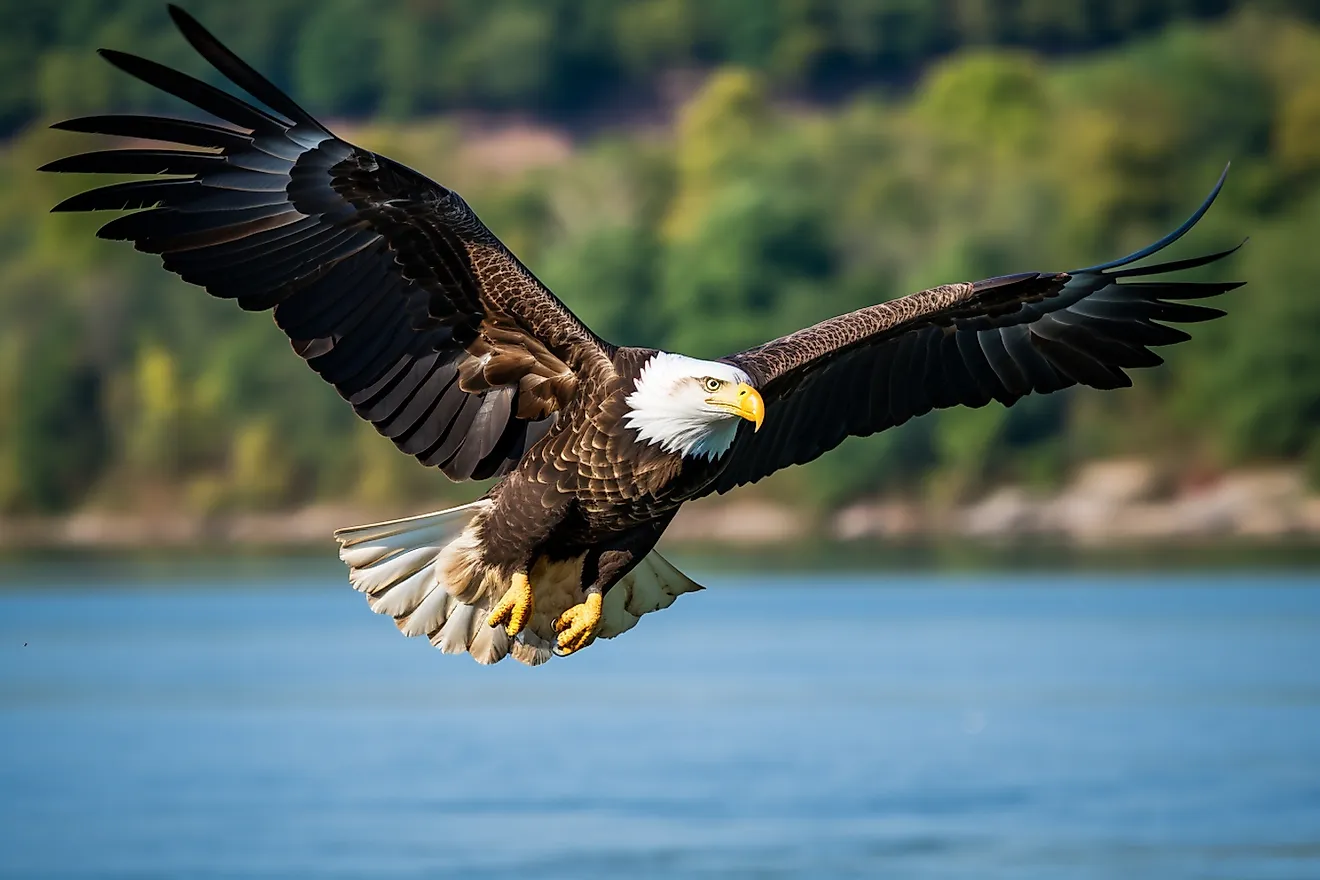
Cougars, raccoons, bears, bobcats, and mountain lions all roam the park, but it’s perhaps best known as a birding hotspot. There are 357 species of birds in Carlsbad Caverns National Park, earning it an Important Bird Area designation by the National Audubon Society. One of the best places to go birdwatching is Rattlesnake Springs, a rare desert wooded riparian area that attracts birders from all over the globe. Here you can expect to see Bald Eagles, Summer Tanagers, Yellow-billed Cuckoos, and Peregrine Falcons.
Bosque del Apache National Wildlife Refuge

Occupying over 57,000 acres between the Chupadera Mountains and the San Pascual Mountains, the Bosque del Apache National Wildlife Refuge was established to protect a key migration area. Every year, tens of thousands of geese, cranes, and ducks converge on this patch of wilderness to overwinter in New Mexico.

The best times to see the birds are early November to late January, but there are wildlife viewing opportunities year-round on the refuge, which is also home to mule deer, coyotes, roadrunners, and javelina.

You can see the refuge’s residents and its stunning scenery from the 12-mile Auto Tour Loop or take to the trails, choosing from 12 different nature walks. Refuge staff also offer a guided Wildlife Trek. This is a free, three-hour tour led by an expert naturalist who can tell you all about the refuge’s reptiles, mammals, and birds.
Safety Tips for Wildlife Watching In New Mexico
The best times to spot wildlife are typically in the mornings and evenings when animals are most active. Keep a safe distance from all wildlife as animals are unpredictable, especially when feeling threatened. It’s a good idea to bring some binoculars on your nature walks, as well as a camera, so you can observe the animals without disturbing them. If you’re exploring areas where there are dangerous animals such as bobcats, bears, wolves or mountain lions, stay on marked paths and check with the Visitor Center for any current warnings or alerts.