11 Iconic Animals That Live Only In Brazil
In the most biodiverse country on earth, you can expect to find plenty of animals found nowhere else on earth. Brazil is home to more plant and amphibian species than any other country, the second-most mammal species, and the third-most species of birds, reptiles, and fish - and, overall, the greatest total biodiversity in the world. Of the near-countless species that call Brazil home, which ones are found nowhere else? These 10 species, some familiar and some less so, make their homes exclusively in the forests, wetlands, and savannas of Brazil.
Silvery Marmoset

Brazil is home to more endemic primate species than you could shake a stick at, so that’s a natural place to start this list of species found only in Brazil. The silvery marmoset is a small, silvery-grey monkey that’s instantly recognizable by its hairless, elf-like ears. They’re some of the smallest New World monkeys and found in fragmented patches of lowland forest in Brazil’s Amazon Basin, which are further threatened by clearing of the forest for agricultural purposes. Much of their diets consist of tree sap; they have shown remarkable adaptability and will settle wherever they can find adequate food.
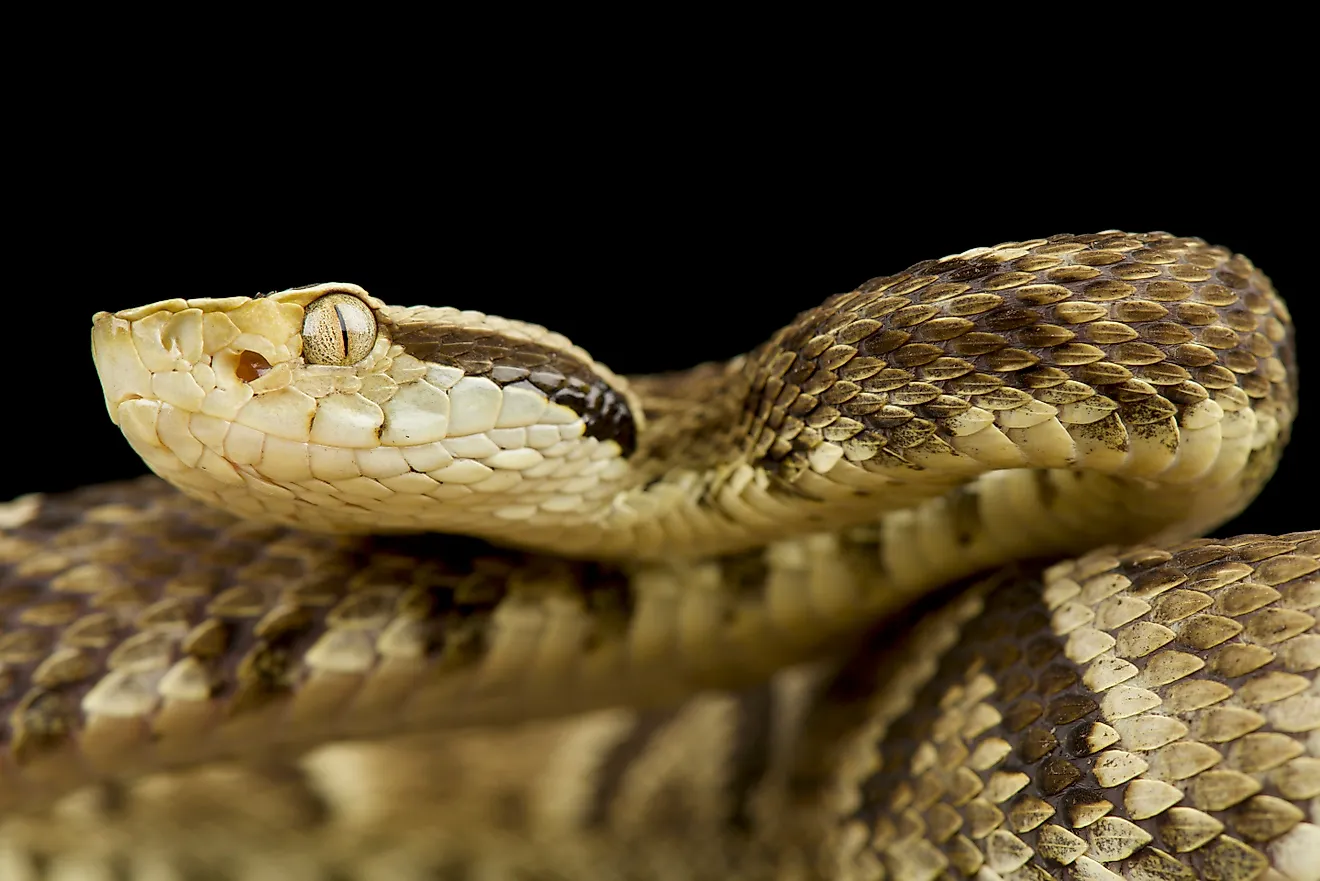
Golden Lancehead

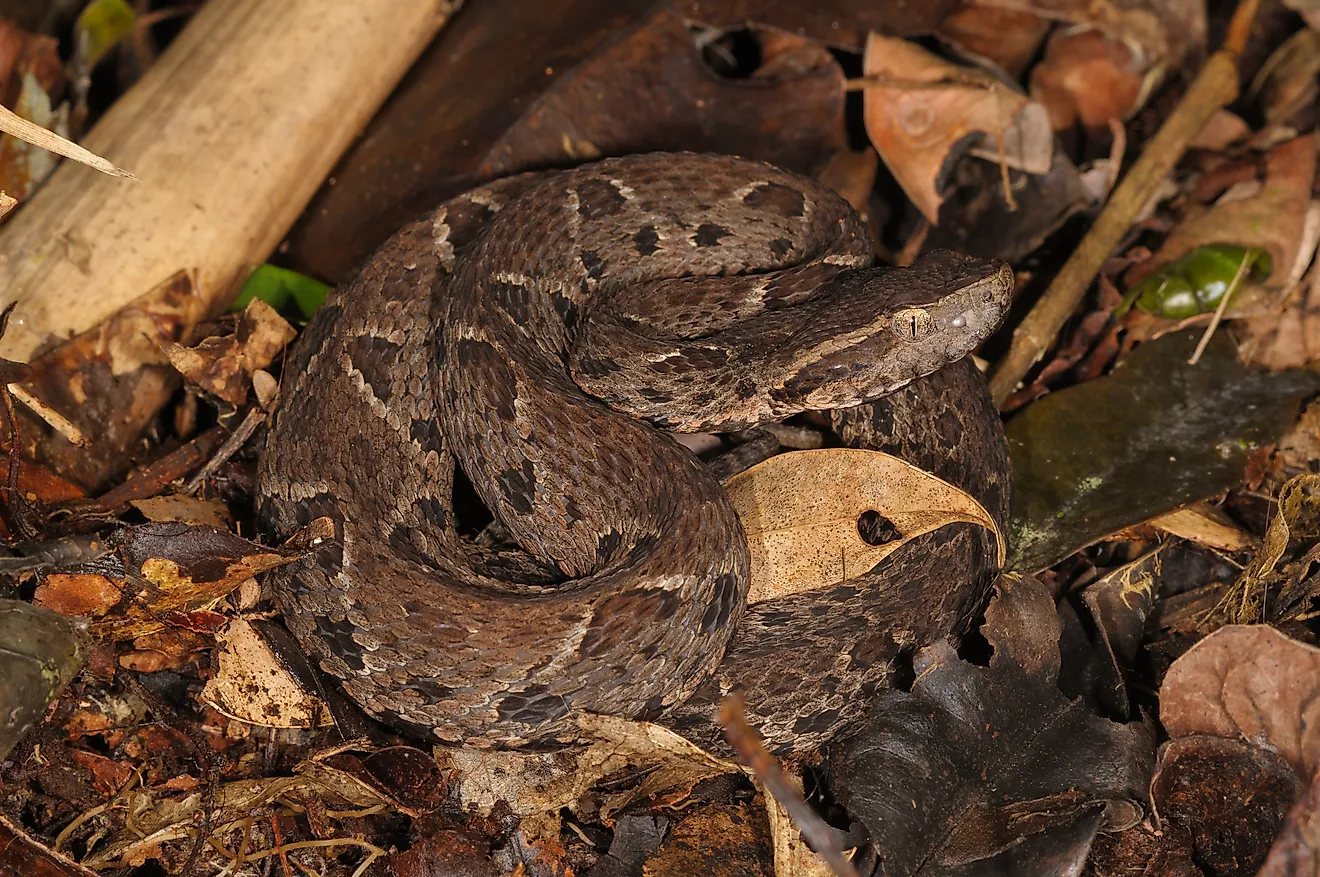
Off the coast of Sao Paulo is a Snake Island that more than lives up to its name. The island of Queimada Grande (Snake Island) is known for its dense population of venomous snakes, and it’s also the only place on earth where you’ll find this extremely rare and venomous pit viper. The golden lancehead inhabits nearly every ecological niche on Queimada Grande and preys primarily on perching birds. Even so, they’re considered critically endangered by the International Union for Conservation of Nature (IUCN). Queimada Grande is small and highly isolated, and human activity — including the presence of a lighthouse maintained by the Brazilian Navy — adds to the challenges these snakes face.
Lear’s Macaw

Brazil’s bird diversity is a special standout in its already-stellar biodiversity profile, and one of the most iconic is this large, striking blue parrot. You’ve likely seen them in zoos, where they are part of conservation programs; with a solid blue body and yellow rings around the eyes, these macaws are visually striking and attract widespread attention. In its native range, the Lear’s macaw is found only in the arid scrublands of northeastern Brazil, where they nest on cliffs. You may also hear this species referred to as the indigo macaw.
Pied Tamarin

Much like the silvery marmoset we discussed before, the pied tamarind is most recognizable by its bare face and ears. It’s also critically endangered and has one of the smallest ranges of any primate, found only in and around the Amazon city of Manaus. (It’s unsurprisingly been named as the mascot of that city.) It can be identified by its white shoulders, brown rump, and hairless black face and ears, and is usually seen in the bonded extended kinship groups in which pied tamarinds live. Their proximity to a growing urban area continues to endanger this already-threatened species.
Araguaian River Dolphin

If you’ve ever seen photos of a pink dolphin, you weren’t seeing an elaborate hoax; there are several species of South American river dolphin that fit that description exactly. One of those is the Araguaian river dolphin, which is restricted to the Arguaia-Tocatins Basin in Brazil. Like all South American river dolphins, this species is recognizable by its long snout, prominent forehead, and pinkish color. Because the waters they call home are frequently turbid (murky), they have poor vision and locate their prey (mostly fish) primarily using echolocation. Uniquely, they also have unfused neck vertebrae, which gives them a greater range of motion in the neck than most species.
Spix’s Macaw

Another of Brazil’s most iconic endemic species, partially made famous by the "Rio" animated film franchise in the early 2010s, is the Spix’s macaw (also known as the little blue macaw). These small parrots, with vibrant blue plumage in several shades, are so appealing and popular that they were driven to extinction in the wild by the pet trade by the year 2000. And although captive-driven breeding and reintroduction efforts have successfully reintroduced a small population into the wild, the species remains extremely rare in its native range in the arid woodlands of northeastern Brazil.
Bruno’s Casque-Headed Frog

There are plenty of poisonous frogs in the world, but most of them secrete poison through their skin, so it’s touching or consuming them that exposes prey to their toxicity. The Bruno’s casque-headed frog is an entirely different kind of dangerous: it’s venomous rather than poisonous, meaning that it kills by injecting its venom. It’s found in the dry forests of Brazil’s Atlantic coast, and its venomous spines make it one of the most dangerous frogs in the world to touch. By comparison, its venom is far more potent than that of many of Brazil’s venomous snakes, though precise effects on humans are not well-studied. Suffice to say you don’t want to get on the bad side of the Bruno’s casque-headed frog, but you probably won’t: They’re threatened by habitat loss.
Golden Lion Tamarin

This tiny Cheetos Puff of a primate is another of the best-known endemic Brazilian species. Typical golden lion tamarins measure no more than 10 inches tall and weigh less than a pound, but their bright-orange manes make them easy to spot in the canopies of southeastern Brazil’s Atlantic dry forests even so. They live in family groups, will eat just about anything of appropriate size, and are highly territorial. Thanks to the bright orange color of their fur, this endangered primate has become an iconic symbol of Brazil’s endemic biodiversity and conservation movement.
Brazilian Pygmy Gecko

Another “smallest” superlative: The Brazilian pygmy gecko lives up to its name with one of the smallest body sizes of any lizard, measuring less than an inch long. It’s found on the forest floor, where it preys on insects, and is so tiny and inconspicuous you could easily step on one. Its water-resistant skin helps it survive heavy rain, an important adaptation for a tiny forest-dweller in the Amazon. This is vital when you’re a tiny creature trying to make a living in a rain-drenched country; in the Amazon, this is a skill that comes in handy.
Rock Cavy

This final endemic Brazilian species hails from the Atlantic island of Fernando de Noronha, which, while politically under Brazilian jurisdiction, is 220 miles off the Brazilian coast and highly remote. The rock cavy is a large rodent closely related to the capybara and guinea pig, which are in the same family of rodents, and it lives in scrubby, rocky territories on the island where the plants they eat are most abundant. Think of the hybrid of a guinea pig or small capybara and a chinchilla, and you’ll probably have a decent idea of what this unique endemic rodent looks like.
Golden Parakeet

The cheerful yellow-and-green plumage of this small parrot species has made it popular in the pet trade, but in its native habitat, it’s found only in the interior Amazon Basin in northern Brazil. (Fittingly, it matches Brazil’s flag.) The golden parakeet lives in the tropical forests of the region and travels in large groups that you’d likely hear before you saw them. Unfortunately, the species is somewhat of a victim of its own popularity; the demand for this attractive species by prospective pet owners is the biggest existing threat to its population.
Though Brazil’s Amazon Rainforest is what most people imagine when they think of its biodiversity, there’s much more to this massive country and its habitats. Arid scrublands, wide rivers, and dry tropical forests are only a few of the ecological niches you’ll find in Brazil, and each is home to species found nowhere else. These are just a few of those species, and an untold number likely remain to be discovered — such is life in the most biodiverse country on earth.