The National Parks Donated By A Single Person
Seldom is the work, time, and money spent in establishing a national park credited to just one person. However, a handful exist thanks to philanthropists and conservationists who acquired tracts of wilderness, only to give them back to the public. George B. Dorr devoted over 40 years of his life to Acadia National Park, while Douglas and Kristine Tompkins donated thousands of acres of land to Chile to establish Pumalin Douglas Tompkins National Park. These five parks all began as private property before becoming the public playgrounds they are today.
Acadia National Park
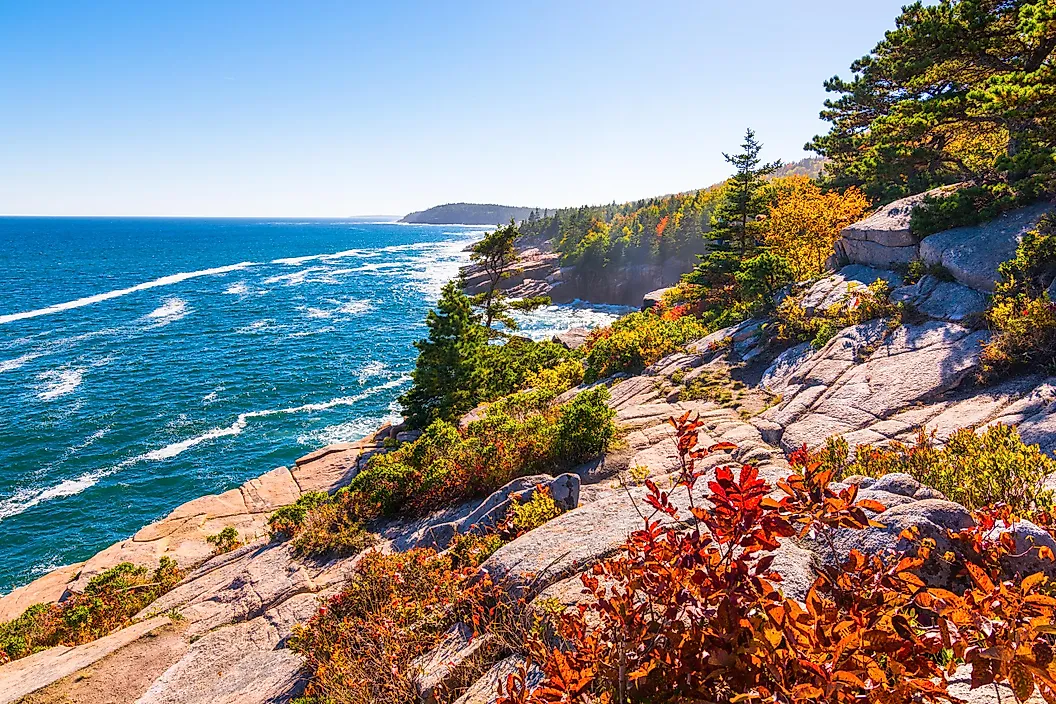
Acadia was the first national park east of the Mississippi River, and the National Park Service describes it as one of the few created almost entirely from donated private land. George B. Dorr first visited Mount Desert Island in Maine with his parents in 1868 and decided to make the island his home. He devoted 43 years of his life and personal wealth to the establishment, maintenance, and expansion of what is now known as Acadia National Park. Dorr donated tracts of his own land and persuaded others to either donate their land or gift funds.

Dorr and other conservationists established the Hancock County Trustees of Public Reservations in 1901, which had acquired 6,000 acres by 1913. Dorr donated the land to the federal government, and in 1916, President Woodrow Wilson proclaimed the Sieur de Monts National Monument. Dorr continued to acquire land, and in 1919 the monument was redesignated Lafayette National Park under an act Wilson signed that February. Dorr became the first park superintendent. After Congress authorized the National Park Service to accept a land donation on the Schoodic Peninsula in 1929, the park's current name was adopted.
Grand Teton National Park

John D. Rockefeller, Jr. first visited Jackson Hole in 1926, accompanied by Yellowstone Superintendent Horace Albright. Rockefeller, who fell in love with the mountainous landscape, began purchasing private land. Within the next two decades, he had acquired 35,000 acres through the Snake River Land Company. The Snake River Land Company was established in 1927 under the guise of a recreational company. This was to prevent landowners from increasing their prices after learning Rockefeller was behind the purchases.

Although President Calvin Coolidge signed the act that created Grand Teton National Park in 1929, only the peaks of the Grand Teton Range and several lakes at the foot of the mountains were protected from exploitation. President Franklin D. Roosevelt declared additional land in the valley as Jackson Hole National Monument in 1943. Rockefeller donated his purchased land to the government in 1949 to be included in the national park. In 1950, Congress combined the national park, the national monument, and Rockefeller's lands to establish what is now Grand Teton National Park.
Virgin Islands National Park

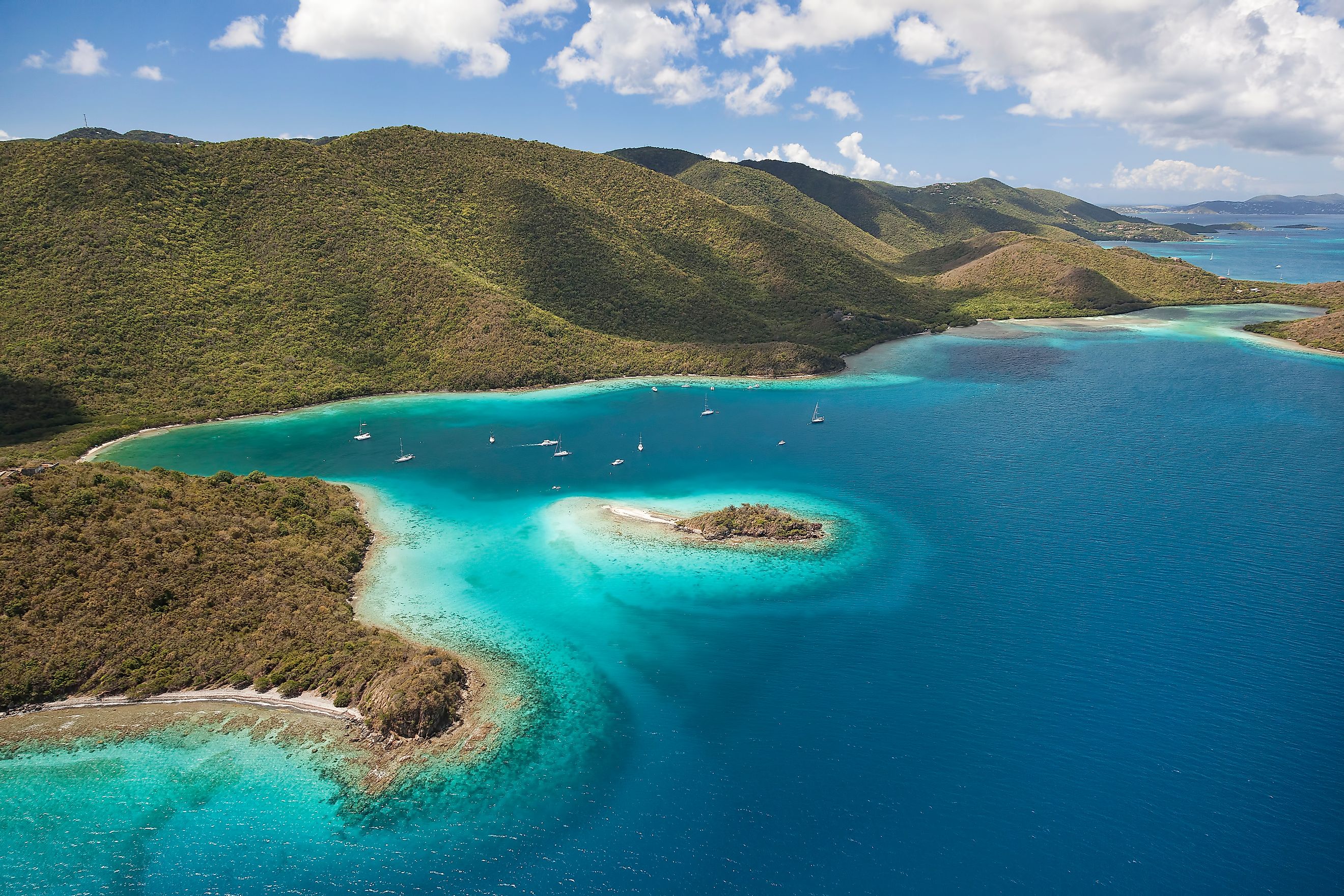
Laurance Rockefeller acquired most of St. John, the smallest of the three main US Virgin Islands, with two objectives. He wanted an ecologically minded resort hotel at Caneel Bay, and he wanted to donate enough land for a national park. He acquired over 5,000 acres using the same nonprofit entity his father, John D. Rockefeller Jr., had used to buy private land that later became Grand Teton National Park.

All but 150 acres of acquired land were donated to the National Park Service. The remaining 150 acres were used for Caneel Bay Resort, which sits on a 150-acre peninsula on the northwest side of the island. Congress passed the legislation establishing Virgin Islands National Park on August 2, 1956. The park opened to the public on December 1, the same day the resort opened for business. Four years later, in 1960, Laurance Rockefeller donated the Caneel Bay Resort to Jackson Hole Preserve. In 1983, Jackson Hole Preserve donated it for inclusion within the national park.
Pumalín Douglas Tompkins National Park

Douglas Tompkins, late founder of The North Face, and his wife Kristine Tompkins spent approximately 25 years accumulating tracts of land in Chilean Patagonia. Their purchases began in 1991. The main goal was to donate the land back to Chile for the creation of protected wilderness areas. Tompkins died in 2015. Less than two years later, Kristine signed a protocol agreement committing more than a million acres of the couple's holdings to the Chilean state.

Douglas Tompkins first visited the area of Chile abundant with the endangered alerce tree in 1989. He began acquiring land in 1991. Working with his wife and their team, he assembled Pumalín Park, which became one of the largest private nature reserves in the world. The park received official nature sanctuary status in 2005. In 2018, Kristine donated close to 725,000 acres (about 293,000 hectares). The former Pumalín Park was renamed Pumalín Douglas Tompkins National Park, in honor of Doug Tompkins. Combined with state land, the park now covers roughly 994,000 acres (402,392 hectares).
Patagonia National Park

Kristine and Douglas Tompkins first visited the Chacabuco Valley in 1995, quickly realizing the urgency to protect it in its natural state. In 2004, Kristine Tompkins arranged for her nonprofit Conservación Patagónica to acquire what Tompkins Conservation describes as the third-largest ranch in Chile. The Chacabuco Valley Estate covered 173,000 acres (about 70,000 hectares) and became the core of the future park.

In the following years, additional properties were acquired, and several large-scale ecological restoration and rewilding projects were carried out. This brought the total area to over 198,000 acres. In 2017, Tompkins Conservation and the Chilean state formalized the donation, which at that point covered close to 207,000 acres. That acreage was combined with the existing Jeinimeni and Tamango National Reserves to create Patagonia National Park in 2018, one of five new national parks established under the same agreement. The park covers 304,527 hectares (about 752,500 acres).
Conservation as a Personal Mission
Creating a national park takes years of acquisition, negotiation, and restoration work. The Chacabuco Valley ranch took 13 years to assemble and hand over, and Laurance Rockefeller's holdings on St. John passed through a family trust for decades before the last 150 acres were transferred to the National Park Service in 1983. What these transfers share is that the public received the land only after a private owner had paid for it and then chose to give it up. That choice, repeated across more than a century, is why these five parks are public ground today.