The Highest National Park In The United States
Mount Denali is the highest point in any national park in the United States. Yet Denali National Park and Preserve is not the highest-elevation national park in the country. That distinction belongs to Rocky Mountain National Park, where the landscape sits thousands of feet above sea level before even coming close to the park's highest peak. The distinction comes from looking beyond the highest point in a national park and considering the elevation of the landscape as a whole.
Defining the Highest National Park

Mount Denali rises 20,310 feet above sea level, making it the highest point in North America. That does not necessarily make the surrounding Denali National Park and Preserve the highest national park in the United States.
The distinction comes down to how "highest" is measured. Mount Denali is surrounded by six million acres of flat river valleys, lakes, forests, and other peaks of the Alaska Range. The park's lowest point is around 200 feet above sea level at the Yentna River boundary. This diverse topography gives the park an average elevation of 2,733 feet.
Rocky Mountain National Park is elevated almost everywhere. The park elevation ranges from 7,600 feet at the Big Thompson River to 14,259 feet at the summit of Longs Peak. This means the average elevation of the park is 10,082 feet, making it the highest national park in the United States by average elevation.
The Landscape of Rocky Mountain National Park

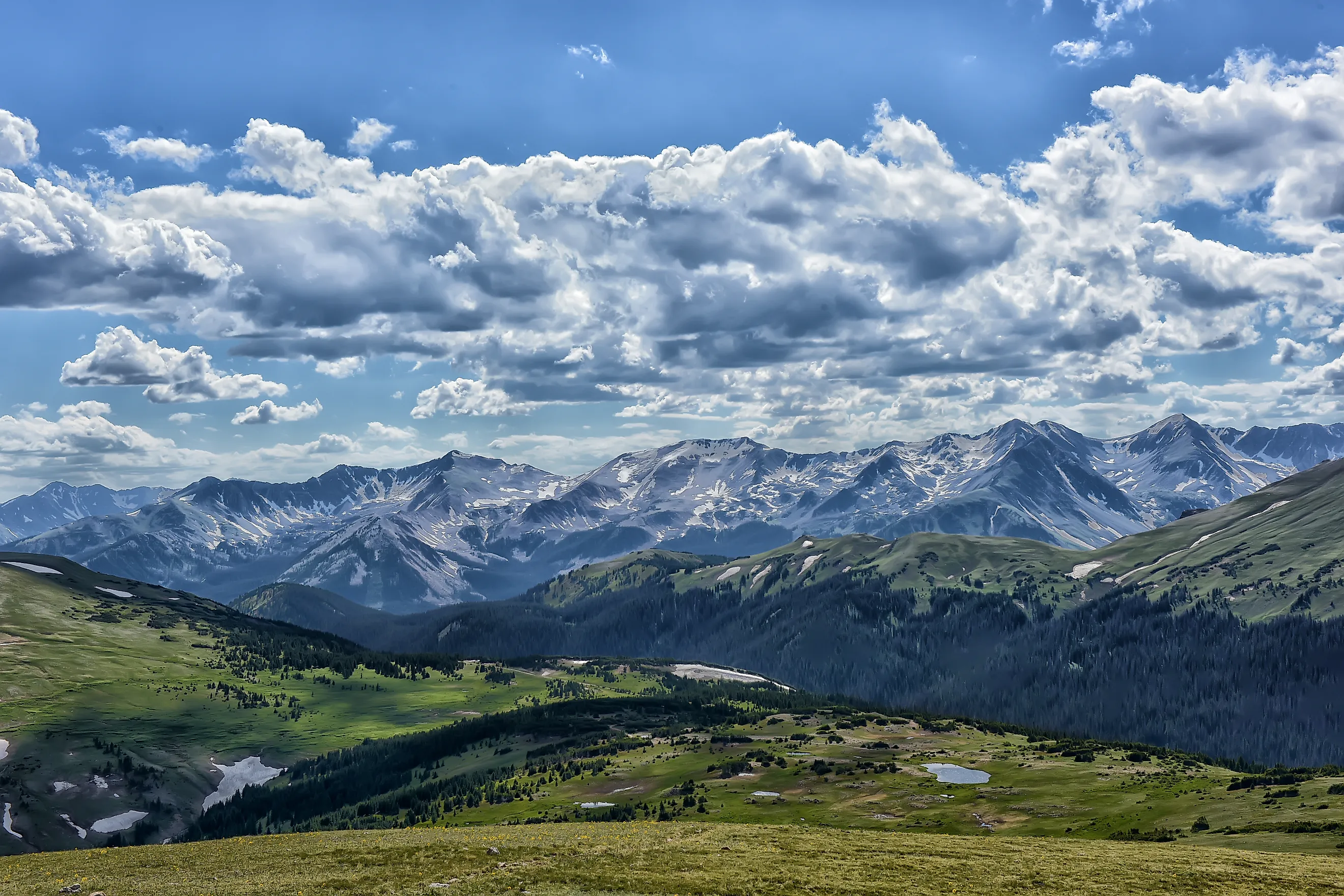
Rocky Mountain National Park is located in the Rocky Mountains of Colorado. The park is composed of three ecosystems, the Montane Ecosystem, the Subalpine Ecosystem, and the Alpine Tundra Ecosystem, which rises over 11,000 feet and encompasses over one-third of the park. It is one of the largest protected alpine tundra ecosystems in the contiguous United States. The park's topography is the result of ancient glaciers carving out the landscape.
The Montane Ecosystem is composed of meadows, forested areas, rivers, and gentle slopes that provide habitat for a variety of vegetation and wildlife year-round. Rivers and streams wind through the meadows. The Subalpine Ecosystem occurs just below the tree line between 9,000 and 11,000 feet. This zone features subalpine forests and lakes. Depending on exposure, the Alpine Tundra Ecosystem begins anywhere between 11,000 feet and 11,500 feet and contains over 60 peaks over 12,000 feet high.
Flora and Fauna

Despite harsh alpine conditions, Rocky Mountain National Park supports a broad diversity of flora and fauna. This is attributed to the Continental Divide, a boundary which runs through the park, separating North America's river systems. Rain that falls west of the Continental Divide eventually reaches the Pacific Ocean, while rain that falls east of it eventually reaches the Gulf of Mexico. Rocky Mountain National Park's ecological zones were uplifted by tectonic forces and shaped by glaciers.
The greatest diversity is found within the Montane Ecosystem. Over 60 species of mammals live in the park, including elk, which graze in the meadows bordering pine forests. In summer, melting snow feeds rivers flowing through the meadows, creating riparian habitats for migrating songbirds. The park is home to over 300 bird species, along with over 1,100 species of vascular plants, including numerous wildflowers that bloom in the warmer months. Black bears, coyotes, and mule deer also inhabit the Montane Ecosystem.
The Subalpine Ecosystem experiences short summers and long cold winters. Although evergreen trees cover the mountain slopes, fewer species of animals can tolerate the conditions. Birds migrate to the subalpine in the summer, only to move to lower elevations with higher seed availability in the fall. Only animals adapted to snowy conditions, such as the snowshoe hare, live there year-round. The Alpine Tundra is too cold and exposed, meaning trees like spruce and limber pine experience stunted growth. Mammals like the yellow-bellied marmot survive alpine conditions by hibernating up to 200 days out of the year.
How High Can People Go?

The harsh climate and rugged terrain do not make Rocky Mountain National Park inaccessible. Trail Ridge Road, the highest continuous paved road in the United States, allows visitors to access the Alpine Tundra Ecosystem to experience alpine views. Trail Ridge Road stretches 48 miles between Estes Park on the park's east side and Grand Lake on the west side. Eleven miles of the highway travel above 11,500 feet to the Alpine Tundra Ecosystem, reaching a high point of 12,183 feet. Travelers of the highway can take in views of the vast tundra landscape and view wildlife.
Visitors can also reach high elevations on foot. Rocky Mountain National Park has over 350 miles of hiking trails that culminate with views of rocky peaks, glaciers, and alpine lakes. Out of all the trails, 260 miles of them are accessible for horseback riders.
Hazards in High Places

While appropriate planning and caution are necessary in any national park, they are especially important in Rocky Mountain's high-elevation landscapes. Mountain weather can change drastically. Even in the summer, a warm sunny day can transition to rain and high winds in minutes. Higher elevations also increase the likelihood of experiencing dehydration, severe sunburn, and altitude sickness, with symptoms like headaches, nausea, and dizziness.
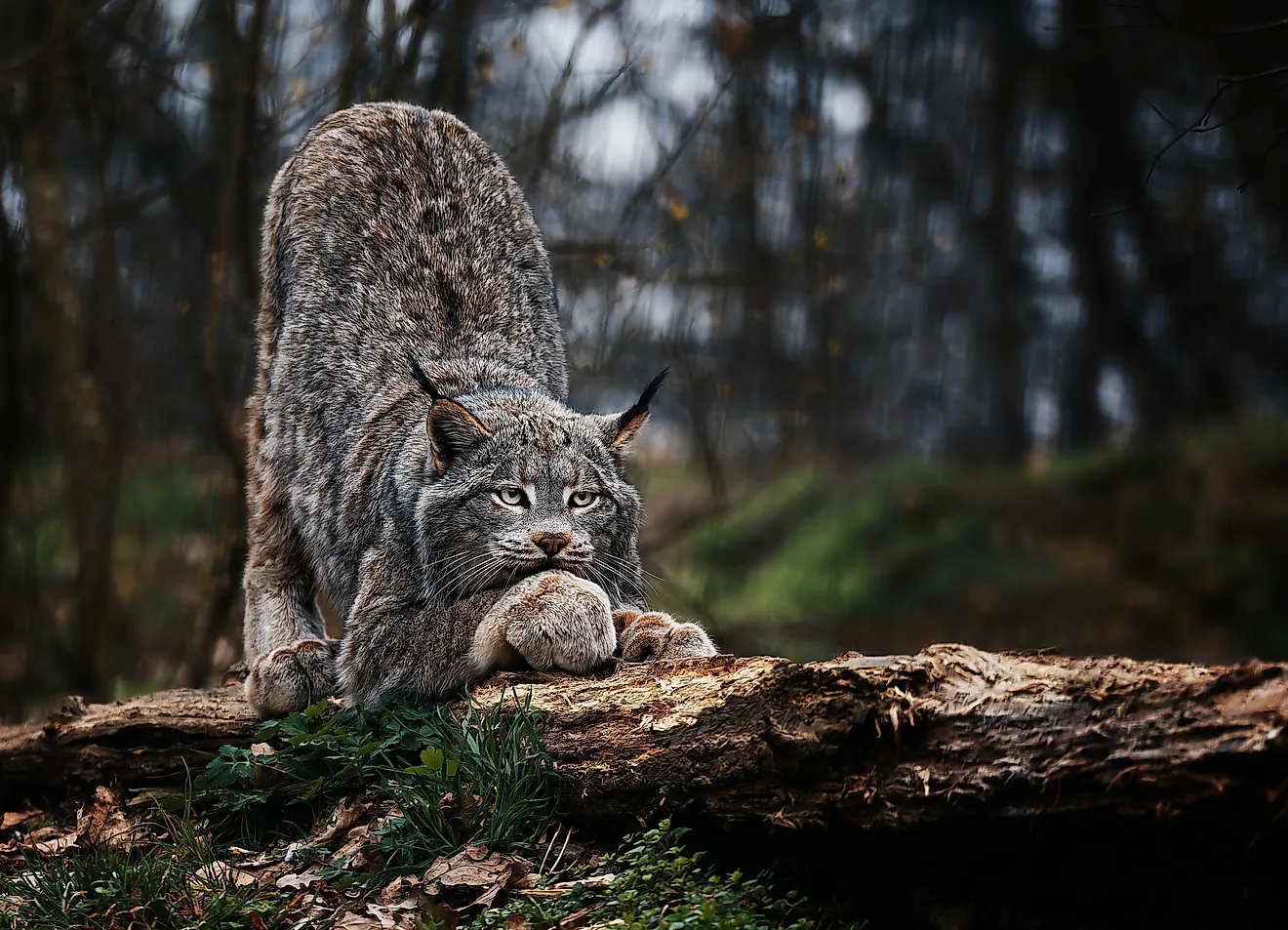
While many species of wildlife in the park include birds, deer, and elk, it is also home to large predators like mountain lions and black bears. While the chances of being attacked by either of these are unlikely, both have been sighted more often in recent years.
Why Rocky Mountain is the Highest National Park
Rocky Mountain National Park's elevation separates it from other national parks in the United States. While Denali National Park and Preserve contains some of the highest mountains in the Alaska Range, much of the park lies at relatively low elevations. Rocky Mountain sits at a high elevation across almost all of its landscape. Its combination of high-alpine tundra, extreme weather, and ecosystems adapted to life above the tree line makes it one of the most distinctive landscapes in the National Park System.