11 Best US National Parks To Escape The Crowds
The national park fantasy goes like this: pristine wilderness, a still lake, a deer drinking at dawn, not another soul in sight. The reality at the famous parks is a full parking lot by nine in the morning, a line for the overlook, and a stranger's selfie stick in your personal space. The good news is that the fantasy still exists. You just have to go where the crowds will not. All eight national parks in Alaska qualify almost by default, and a few of them are here, but there is real solitude in the lower 48 too, if you know where to look. Here are eleven parks where you can actually hear yourself think.
Gates Of The Arctic National Park & Preserve, Alaska

Gates of the Arctic is routinely the least-visited national park in the United States, and it works hard for the title. It sits entirely north of the Arctic Circle, has no roads and no trails, and draws only a few thousand people a year, fewer than a popular trailhead in the lower 48 gets on a single Saturday. Given that it is also the second-largest national park in the country, the odds of bumping into another human are essentially zero. If you have come this far for solitude, you might as well keep going east to Kobuk Valley, another stretch of northern Alaskan wilderness that barely registers on the visitor charts.
National Park Of American Samoa

The National Park of American Samoa is the only US national park in the Southern Hemisphere, marooned some 2,600 miles southwest of Hawaii in the South Pacific. It spreads across three volcanic islands, Tutuila, Ta'u, and Ofu, all tropical rainforest fringed with sand and reef. The land is leased from the Samoan villages that live alongside it, a rare arrangement that ties the park's survival to the culture around it. Roughly 4,000 of its acres are underwater, which makes the snorkeling superb and the RV traffic nonexistent. The catch is the airfare and the flight time, but nobody escaping the crowds ever claimed it would be convenient.
North Cascades National Park, Washington

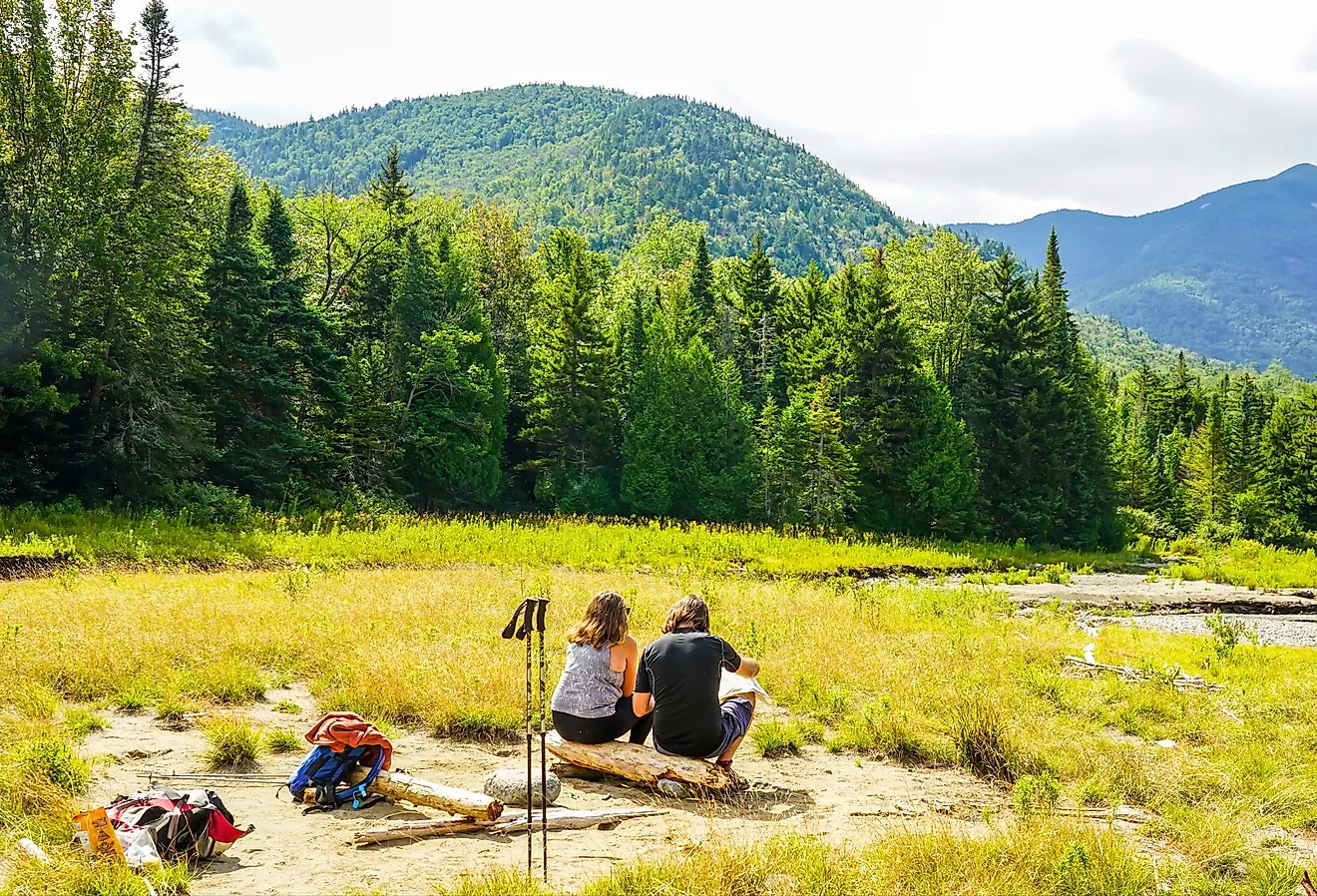
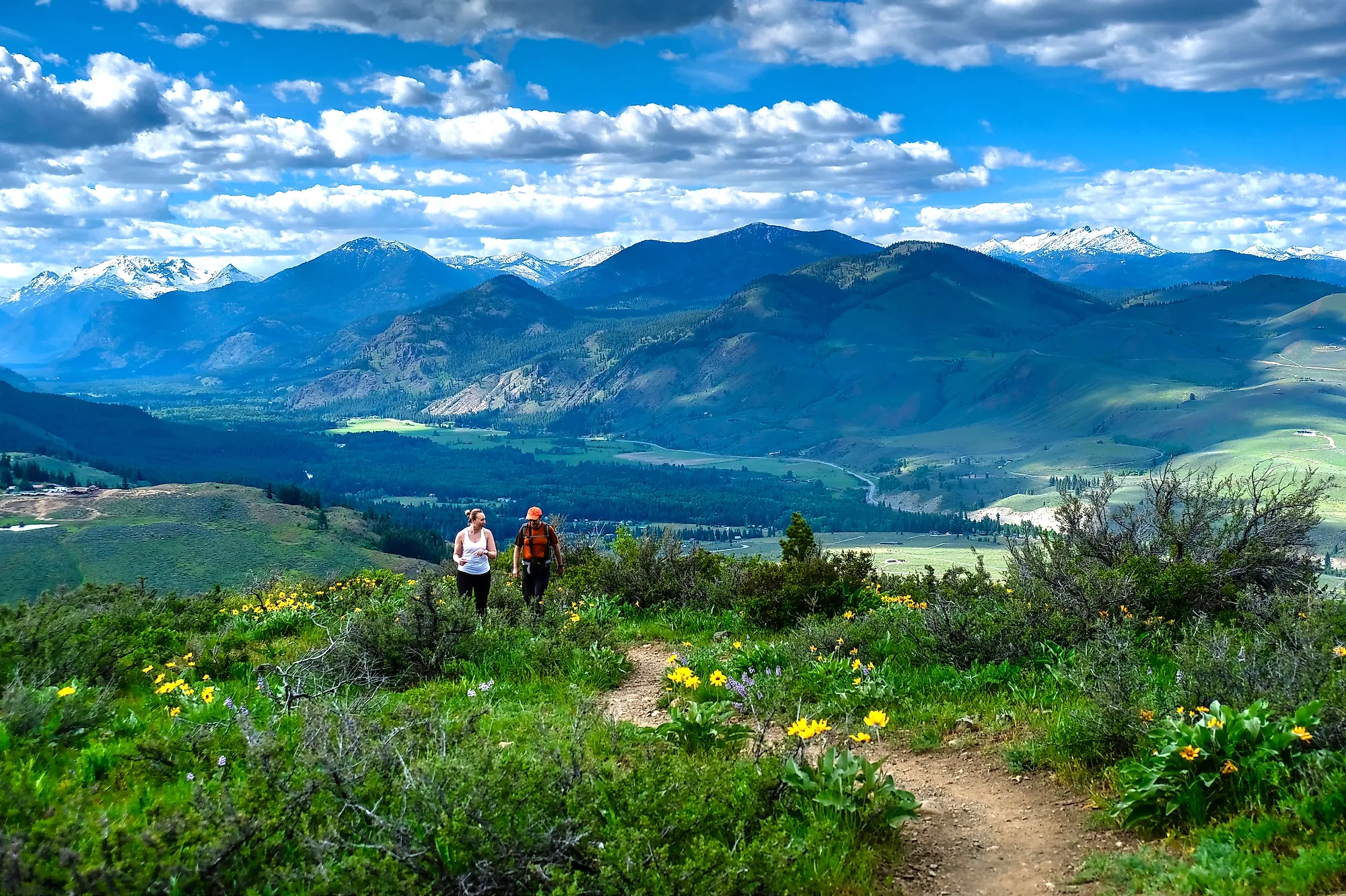
Seattle is three hours away, and yet North Cascades sees a tiny fraction of the millions who pour into neighboring Olympic and Mount Rainier each year. It is not a question of scenery. The place is wall-to-wall jagged peaks, hanging glaciers, and turquoise lakes. The difference is roads, or the lack of them. Very few penetrate the park, so seeing the best of it takes a little backcountry nerve and a willingness to walk. That single barrier is exactly why the crowds stay away and the marmots outnumber the tourists.
Isle Royale National Park, Michigan

Isle Royale uses Lake Superior as a moat. Reaching this Michigan archipelago near the Canadian border takes a ferry or a seaplane and a real commitment, which is the whole point. It is one of the least-visited parks in the country, drawing only a couple dozen thousand people a year, most of them backpackers and boaters who want exactly this kind of quiet. The island is famous among scientists for its decades-long wolf and moose study, the longest of its kind anywhere. And if even that starts to feel crowded, there are more than 400 other islands in the park to disappear onto.
Wrangell-St. Elias National Park And Preserve, Alaska

Wrangell-St. Elias is the largest national park in the country at 13.2 million acres, about the size of Yellowstone, Yosemite, and Switzerland combined. It climbs from sea level at the Gulf of Alaska to the 18,008-foot summit of Mount St. Elias, the second-highest peak in the United States, and packs the highest concentration of glaciers in North America in between. With only tens of thousands of visitors scattered across territory that immense, you could spend a week here and never share a viewpoint. Just south, near Juneau, Glacier Bay serves up more of the same gorgeous, low-key wilderness.
Dry Tortugas National Park, Florida

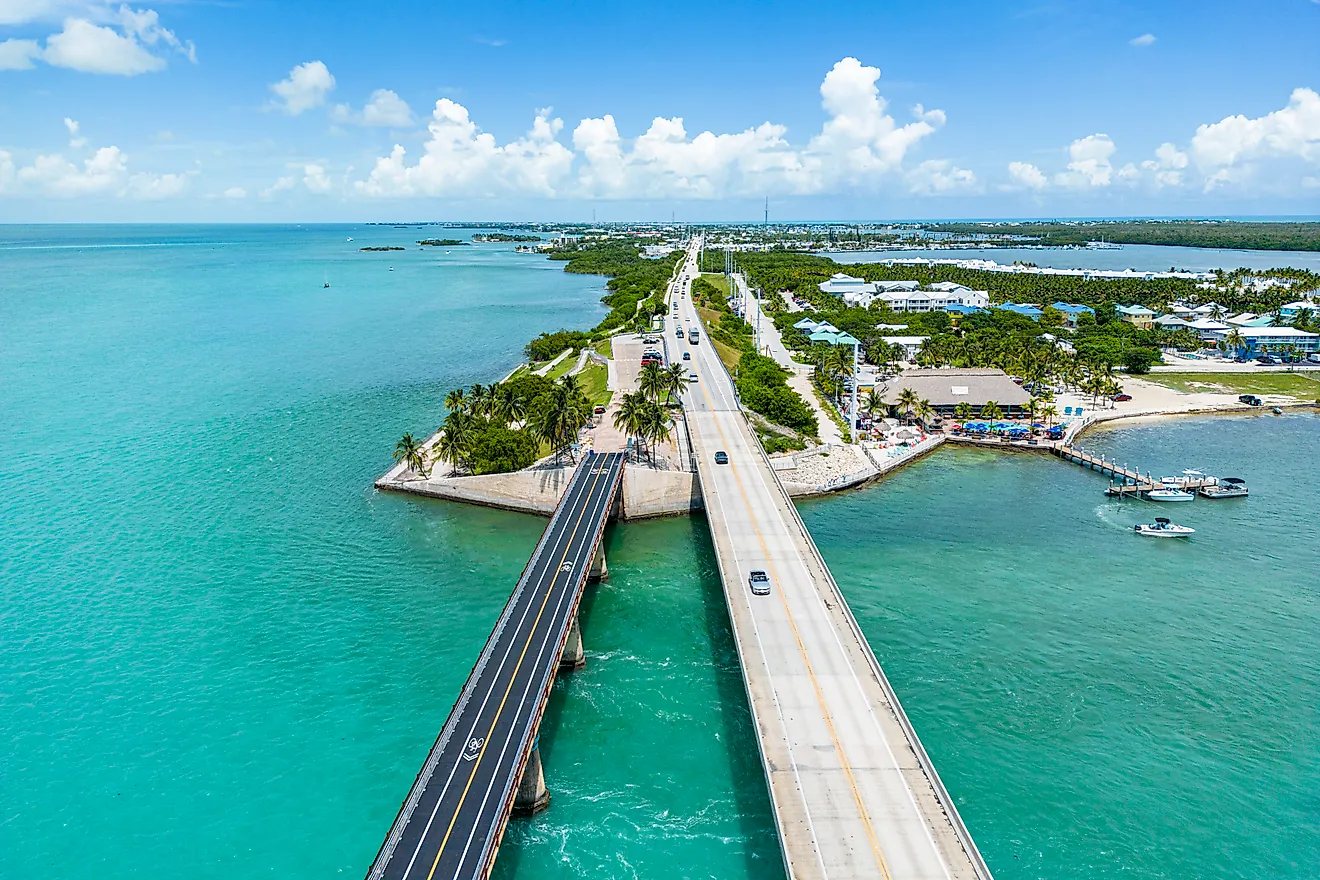
Dry Tortugas sits about 70 miles west of Key West, and the only ways in are by boat or seaplane, which trims the crowd down to the genuinely committed. Seven tiny islands surround Fort Jefferson, a massive 19th-century coastal fortress built from some 16 million bricks. It served mainly as a Civil War prison, most infamously holding Dr. Samuel Mudd, the physician convicted of setting John Wilkes Booth's broken leg after the Lincoln assassination. The rest of the park is open water, coral reef, and bright fish, which makes the snorkeling some of the best the park system has to offer.
Great Basin National Park, Nevada

Great Basin sits in the lonely middle of Nevada, close enough to Las Vegas and the Grand Canyon to be a detour and quiet enough to feel like another planet. The 13,063-foot Wheeler Peak holds one of the only glaciers in the region and a grove of bristlecone pines, among the oldest living things on Earth. Below ground, guided tours wind through the stalactites of Lehman Caves. And because the nearest city lights are hours away, the night sky here is staggering, routinely rated one of the darkest and best stargazing spots in the country.
Congaree National Park, South Carolina

Congaree, just outside Columbia, South Carolina, is the East Coast's most overlooked giant. It protects the largest tract of old-growth bottomland hardwood forest left in the country, with one of the tallest deciduous canopies in the world. More champion trees, the biggest known examples of their species, grow here than almost anywhere in North America. You can keep your feet dry on the 2.4-mile boardwalk loop through the floodplain, or rent a canoe and paddle Cedar Creek beneath the canopy. Either way, the loudest thing you are likely to hear is a woodpecker.
Denali National Park, Alaska

Denali wraps 6 million acres of wilderness around the tallest mountain in North America. The park was established in 1917 as Mount McKinley National Park and renamed Denali in 1980. The mountain itself became Denali in 2015, then switched back to Mount McKinley by federal order in 2025, so the name now depends on who is asking. Whatever you call it, a single road runs into the park, which keeps the whole experience refreshingly raw. The best of Denali is seen on foot, on marked trails or established off-trail routes. South of here, near Anchorage, Lake Clark and Katmai draw even fewer people and offer some of the best brown bear viewing anywhere on the continent.
Voyageurs National Park, Minnesota

Voyageurs hides up in far northern Minnesota, a park that is more water than land. Lakes and islands stitch together boreal and hardwood forest, and the way to see it is by boat, canoe, or kayak rather than by car. It draws just under a quarter-million visitors a year, modest for a park that stays open and active through a long four-season winter. It is a paddler's park in summer and a snowshoer's in the cold months, and on a clear night the northern lights put on a show with almost no one around to watch. Learn more about Voyageurs National Park before you go.
Guadalupe Mountains National Park, Texas

Guadalupe Mountains rises out of the Chihuahuan Desert about 115 miles east of El Paso, just south of the New Mexico line. Guadalupe Peak tops out at 8,751 feet, the highest point in Texas, and the sheer 1,000-foot limestone wall of El Capitan is the landmark you spot from miles off, not to be confused with the one in Yosemite. The whole range is a fossil. It is part of Capitan Reef, a roughly 260-million-year-old Permian reef system that once sat underwater. Most of it is buried, but the park exposes a long, dramatic slice. Fewer than a quarter-million people make it out here in a year, which suits the place just fine.
The Case For Going Out Of Your Way
The famous parks are famous for good reason. Everyone should stand at the rim of the Grand Canyon once, watch Old Faithful do its thing, and walk beneath the giants of the Great Smoky Mountains at least once in a lifetime. But you will be doing it alongside a few thousand of your closest strangers. The parks on this list ask more of you: a longer drive, a ferry, a flight, a willingness to walk past the end of the road. They give more back, too, namely the original fantasy, the one with the deer and the lake and nobody else in the frame. The effort is the admission price, and it is worth every mile.