The Best National Parks Within A Day's Drive Of A Major City
It's easy to see that America's national parks are true treasures that protect some of the country's and the world's most beautiful and noteworthy natural environments. However, they're not always easy to get to. Even big-name parks like Yellowstone can require substantial logistical feats to get there, including flights or multi-day drives from more populated areas. Fortunately, some of the top national parks in the entire system are relatively convenient to major cities, ranging from a day's drive to just a few minutes in the car. Here's a closer look at them.
Grand Canyon National Park (Phoenix)

Around four hours north of Phoenix, the South Rim of the Grand Canyon National Park serves as one of the clear top options in the national park system. Sprawling across a vast expanse of over 1.2 million acres and reaching an average of a mile deep, it's hard to argue that the Grand Canyon isn't among the most visually striking national parks.
Visitors can experience the park in a variety of ways, even on a quick trip. These include strolling the paved, low-difficulty Rim Trail or taking scenic drives along the park's roads to spots like Hermit's Rest or Desert View, the latter of which is known for its striking stone tower. More adventurous visitors can also hike down into the canyon itself on routes like the South Kaibab or Bright Angel trails. More extended trips can even involve rafting the Colorado River at the canyon's bottom or hiking down for overnight visits to Phantom Ranch.
Yosemite National Park (San Francisco)

Around four hours east of San Francisco, Yosemite National Park protects more than 759,000 acres of the Sierra Nevada, including deep valleys, granite cliffs, waterfalls, meadows, giant sequoia groves, and vast wilderness. The best-known area is Yosemite Valley, home to landmarks like Half Dome, El Capitan, and Yosemite Falls, which drops 2,425 feet in three distinct sections.
Visitors can explore the valley on foot before heading farther afield to Glacier Point, an overlook more than 3,200 feet above Curry Village, with views across Yosemite Valley and the surrounding high country. Hiking opportunities abound throughout the park, including the higher-elevation landscapes around Tuolumne Meadows and Tioga Road. To experience another side of Yosemite, visitors can walk among hundreds of mature giant sequoias in Mariposa Grove, the park's largest sequoia grove.
Great Smoky Mountains National Park (Atlanta)

Although Great Smoky Mountains National Park is most convenient for those departing from Atlanta, a 3 to 4 hour drive, it's among the best-known and beloved parks on the highly populated East Coast, making it relatively convenient for a large number of major cities. It's the most-visited national park by a wide margin, with its 11.5 million visitors more than doubling its closest competitor, Zion, with roughly 5 million.
The region, spanning the North Carolina and Tennessee border, is full of activities for nearly any lover of the outdoors. It's a hiker's paradise, with over 800 miles of trails to explore through mountains, woods, and past numerous waterfalls, while those who want a view of a lifetime should head to Kuwohi, the highest point in the park, offering an observation tower to provide an even better vantage point. Meanwhile, the scenic drive around Cades Cove past open valley meadows and historic buildings serves as a jumping-off point for other outdoor activities in the area.
Everglades National Park (Miami)

There's no better example of national parks convenient to a major city than Everglades National Park, which is essentially adjacent to the sprawling Miami metro area. Depending on which park location and what part of Miami you're departing from, the trip can range from 1.5 hours to under an hour in some cases.
Although it spans a vast 1.5 million acres, relatively little of the park's area is easily accessible to visitors, as it's made up of remote, hard-to-access swamps, marshes, and waterways. The best way to get a sense of this unique ecosystem is to hop on a tram tour of the park's Shark Valley section, which progresses through various ecosystems and offers an excellent opportunity to spot gators and other wildlife. Visitors can also check out a variety of easy boardwalks and trails along park routes, such as the Anhinga Trail, or even paddle the Everglades in kayaks or canoes.
Acadia National Park (Boston)

Around 4.5 hours north of Boston, Acadia National Park is by far the smallest park on this list, protecting just over 47,000 acres along the coast of Maine. Despite its relatively compact footprint, visitors have access to more than 150 miles of hiking trails, 45 miles of carriage roads, and numerous scenic driving routes, giving Acadia an unusually dense concentration of ways to explore. However, this can also mean navigating more crowds during the busy summer season.
One of the best ways to see the park is to follow Park Loop Road, which provides access to major destinations including Sand Beach, Thunder Hole, Otter Cove, and the Cadillac Mountain area. Visitors can also hike around Jordan Pond, explore the park's extensive carriage-road network by foot or bike, or head to Cadillac Mountain for wide views over Acadia's mountains, lakes, Atlantic Ocean coastline, and offshore islands.
Rocky Mountain National Park (Denver)

The primary attraction of this easily accessible national park is right in the name. Protecting some of America's highest mountains and the surrounding forests, meadows, and tundra, Rocky Mountain National Park combines a wild, rugged feel with convenience to Denver, less than two hours away.
The park offers a range of activities, including the beautiful and convenient drive along Trail Ridge Road, a nearly 50-mile route between Estes Park and Grand Lake that soars above the treeline to provide an experience unlike any other in the national park system. Those who'd like to explore some of the park's 350 miles of hiking trails will find the most accessible options around Bear Lake, home to some of the area's most memorable scenery. Wildlife is also a top draw to Rocky Mountain National Park, with visitors treated to opportunities to view elk, bighorn sheep, moose, mule deer, and a variety of birds.
Joshua Tree National Park (Los Angeles)

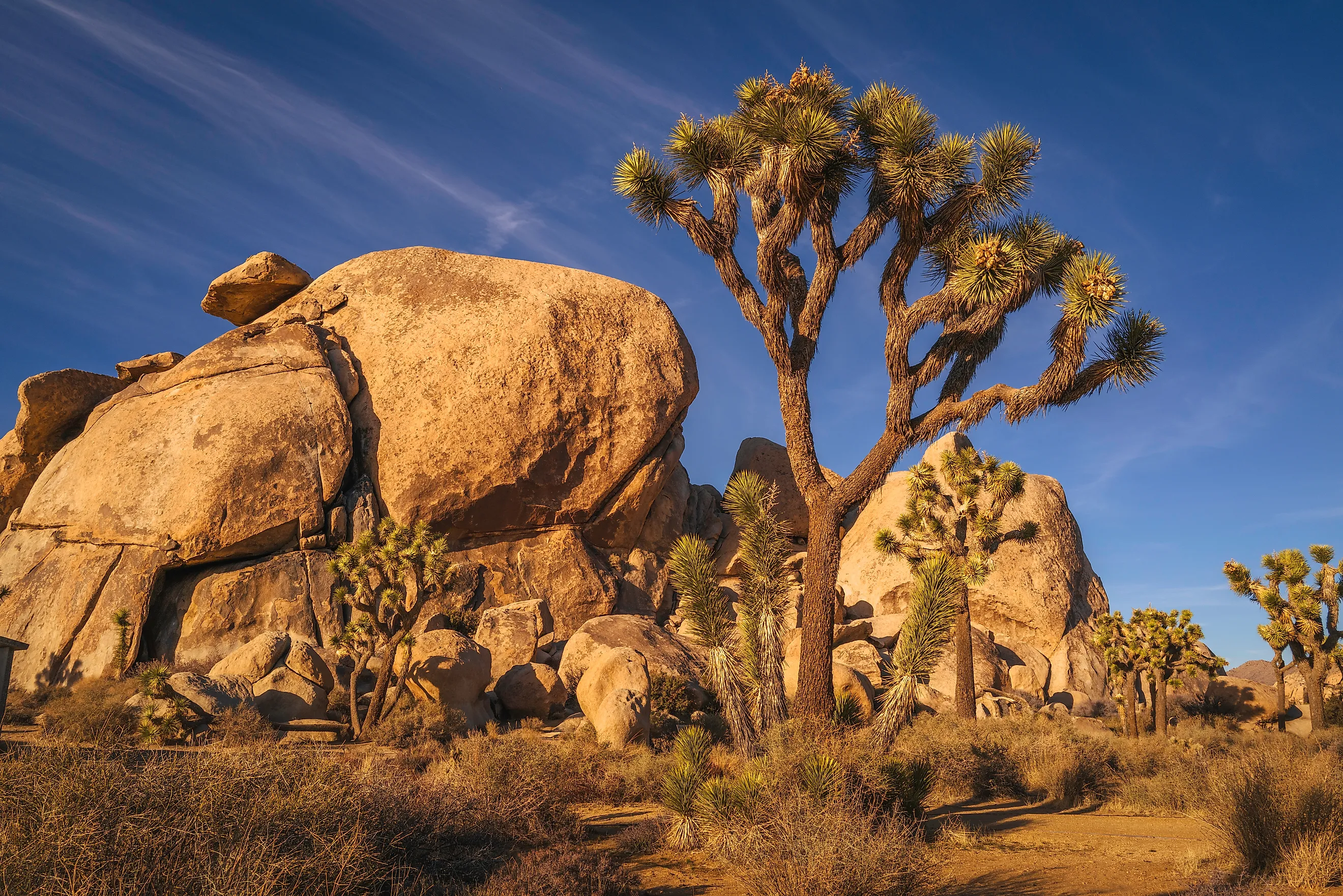
Two to three hours from Los Angeles, in the deserts of inland southern California, sits Joshua Tree National Park. The mix of desert surroundings, unique vegetation and rock formations, and dark skies can create an otherworldly experience that's surprisingly convenient to America's second-largest city.
Millions of visitors a year explore the park's roughly 300 miles of hiking trails, perhaps most famously the Barker Dam Trail, which includes not only rock formations and the park's namesake trees, but also historic rock art. Meanwhile, a quick drive to Keys View offers a long look at the surrounding Coachella Valley, and even potentially as far as Mexico. The dark skies also make it a top regional spot for stargazing, with ranger-led programs offered to enhance your understanding of the cosmos.
Top National Parks Are Just Hours Away from America's Big Cities
For those living in big cities like Los Angeles, Miami, Denver, and others, there's no need to book a flight and plan an elaborate vacation just to explore America's national parks. Some of the top options are just a day's drive or less from these major metros. Whether it's a day trip or an extended vacation, there's no denying the boost that these parks get from their proximity to millions of potential visitors.