The Best National Parks In The Rocky Mountains
Glaciers. Geysers. Towering peaks. The Rocky Mountains contain some of North America's most recognizable landscapes, running more than 3,000 miles down the western spine of the continent. The range crosses British Columbia and Alberta in Canada before reaching its southern end in New Mexico. Every year, millions of people travel to the Rockies to hike alpine trails, ski mountain slopes, and view wildlife at the side of scenic highways. The following national parks are ranked by annual visitation in 2025, showing which destinations attracted the most visitors across the Rocky Mountains of the United States and Canada.
Yellowstone National Park

The first national park in the United States remains its most popular and most visited in the Rocky Mountains. Yellowstone National Park welcomed 4.76 million visitors in 2025, a total the park reached despite a 43-day government shutdown that fall. Yellowstone's interior is mostly a forested plateau, although a subrange of the Rocky Mountains makes up its perimeters, like the Absaroka, Gallatin, and Beartooth Mountains. For many visitors to the park, the Rocky Mountains provide a backdrop for viewing the park's hydrothermal features. Yellowstone is home to over half the world's active geysers, with an estimated 500 to 700 active each year. This includes Old Faithful, where visitors gather on boardwalks to watch it erupt up to a height of 184 feet. The geyser fires roughly every 90 minutes on average, and rangers post the next predicted eruption at the nearby visitor center. Beyond the boardwalks, the Grand Loop Road links the park's major basins, so a single drive can pass Old Faithful, the terraces at Mammoth Hot Springs, and the yellow canyon walls that gave the park its name.
Banff National Park
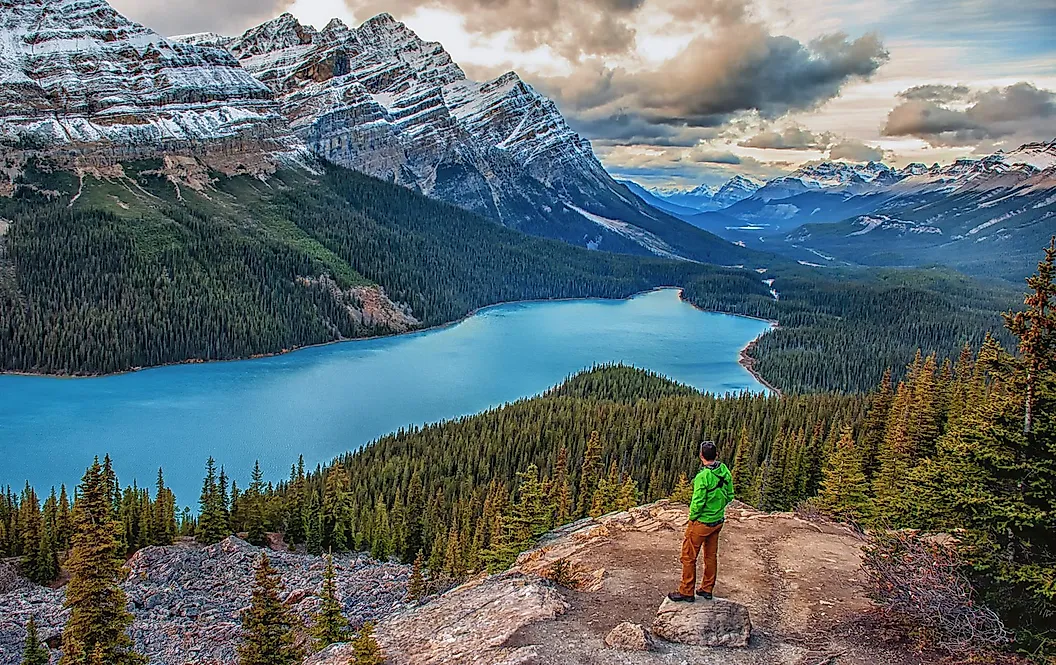
Snow-capped mountain peaks. Turquoise alpine lakes. Glaciers. Icefields. Canada's first national park is the epitome of the Rocky Mountains. Banff National Park welcomed 4.51 million visitors in 2025, its busiest year on record, many of whom drove up the Bow Valley Parkway between the town of Banff and Lake Louise, spotting grizzly bears at the side of the road and visiting turquoise-colored glacier lakes like Lake Louise and Moraine Lake. Visitors feel truly immersed within the Rocky Mountains no matter where they are in Banff National Park, whether walking on Banff Avenue beneath the towering face of Cascade Mountain, or hiking the Big Beehive to a panoramic viewpoint overlooking Lake Louise. The park's color comes from glacial silt, a fine rock flour that stays suspended in the meltwater and scatters light toward the blue-green end of the spectrum. That same glacial system feeds the Icefields Parkway north of Lake Louise, a highway that traces the Continental Divide past the Columbia Icefield and ranks among the most photographed drives in North America.
Rocky Mountain National Park

The Rocky Mountains' namesake park in Colorado contains a variety of mountain environments, including montane meadows, subalpine forests, alpine tundra, and over 60 mountain peaks rising above 12,000 feet. Within the park's 415 square mile boundary is the equivalent of the wider landscape changes seen on a road trip between Denver and Alaska. The diversity in the scenery of Rocky Mountain National Park is why 4.17 million people visited the park in 2025. Trail Ridge Road, the highest continuous paved road in the United States, winds through the park for 48 miles, connecting the towns of Grand Lake and Estes Park. It crests at 12,183 feet, and roughly 11 miles of it sit above the tree line, where the forest gives way to open tundra. The road showcases the park's most notable natural features, like mountain peaks along the Continental Divide, wide valleys below, and alpine lakes like Milner Lake and Lake Irene. Snow keeps the highest stretch closed until late May most years, so the full crossing is a summer and early-fall experience.
Grand Teton National Park

Grand Teton National Park protects the peaks of the Teton Mountain Range, including the Grand Teton, which rises 13,775 feet above Jackson Hole. Unlike most ranges in the Rockies, the Tetons have no foothills, so the wall of granite climbs straight off the valley floor and gains more than 7,000 feet in a few horizontal miles. Jenny Lake is one of the most visited areas in the park, located at the base of the Teton Range, where the jagged rocky pinnacles of the Tetons are reflected in the still surface of the lake. With 3.80 million visitors in 2025, the mountains are central to each trip in the Tetons, whether hiking, backpacking, rock climbing, Nordic skiing, backcountry skiing, or snowshoeing. July and August are the busiest months, when almost all of the 242 miles of trails are free from snow. The summer also brings seasonal wildflowers, making for scenic rafting trips on the Snake River, which threads the valley below the peaks and draws moose, elk, and bald eagles to its banks.
Glacier National Park

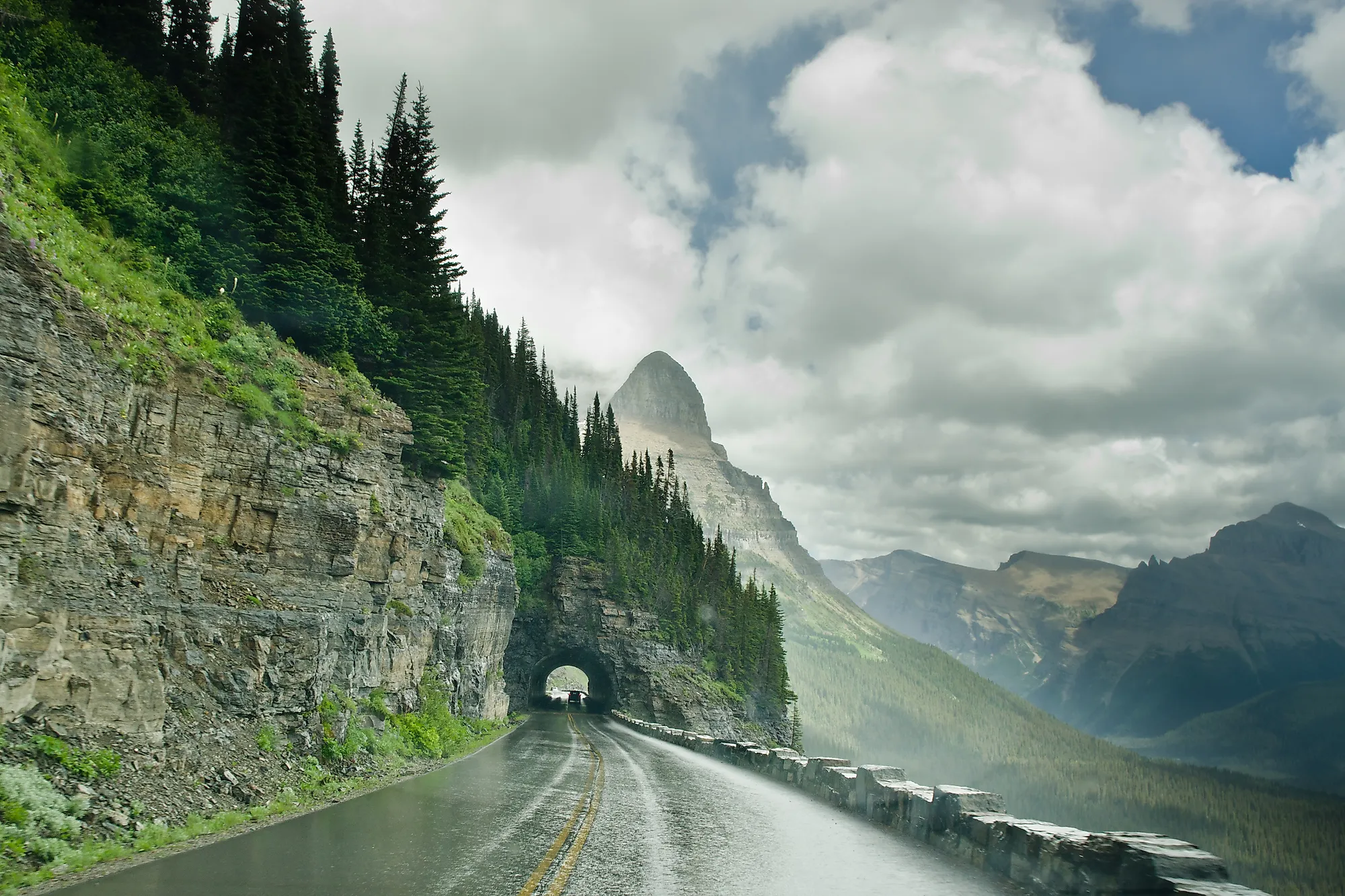
Glacier National Park covers 1,583 square miles in northwest Montana and contains some of the finest ice age alpine glacial features in the contiguous United States. The park is home to some 25 active glaciers, which are easily accessible and a big draw for some of the 3.14 million visitors the park received in 2025. Jackson Glacier is the easiest to see in the park and the seventh largest. It is visible from an overlook on the Going-to-the-Sun Road, the main road that spans the full width of the park. It runs about 50 miles and passes through almost every type of terrain found in the park, including cedar forests, alpine tundra, and some of the park's 700 lakes. It climbs to Logan Pass at 6,646 feet, the highest point a car can reach in the park, and a narrow window each summer is all that separates the plowing crews from the first snows of fall. The park's glaciers have retreated sharply over the past century, and researchers use them as one of the clearest local records of a warming climate.
The Best of the Rockies
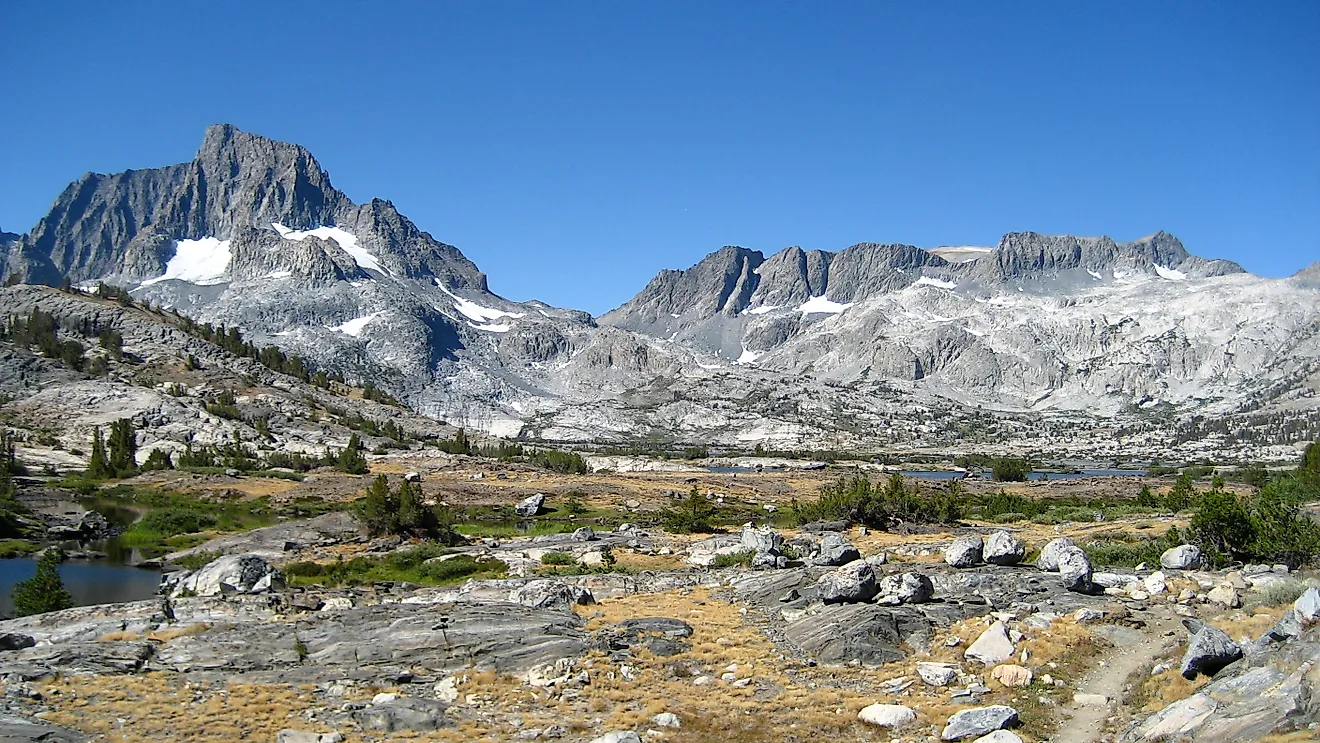
Although each of these parks is different, they all showcase the Rocky Mountains in their own way. Yellowstone sets its mountain scenery against geysers and hot springs found almost nowhere else on Earth. Banff draws its crowds to turquoise glacier lakes. Rocky Mountain National Park compresses a continent of ecosystems between one valley floor and its alpine tundra. Grand Teton offers a wall of granite peaks that rises without warning above Jackson Hole. Glacier holds some of the most accessible glaciers left in the contiguous United States, at least for now. The visitation numbers rank them, but the reason people keep coming back is harder to put in order, and it looks a little different from every trailhead, lakeshore, and mountain pass in the range.