The Hottest National Park In The United States
America's national parks cover nearly every environment imaginable, from the tundras of northern Alaska to the balmy waters of the Gulf of Mexico. Within this diverse range of protected lands are some of the country's (and the world's) hottest temperatures, where extreme conditions regularly send the mercury soaring into triple digits, or unique tropical climates never let the weather cool down.
America’s hottest national parks do not all produce heat the same way. Death Valley drops its valley floor below sea level and is surrounded by steep mountains. Clear skies bake the ground while descending air compresses and warms. At Furnace Creek, a WMO-recognized 134°F reading from 1913 now faces a serious scientific challenge. July highs average 116°F, and nights can remain near 88°F. The National Park of American Samoa works at the opposite extreme. Tropical ocean water keeps its lowlands warm through every season, while high humidity makes the air feel hotter. Within the 50 states, Dry Tortugas and Biscayne extend the pattern into subtropical Florida. Their winter days stay mild, and their summer highs reach about 90°F. Here is a closer look at the hottest spots within the National Park System, with a spotlight on the one park that claims the fiercest peak heat.
Hottest Extremes: Death Valley National Park

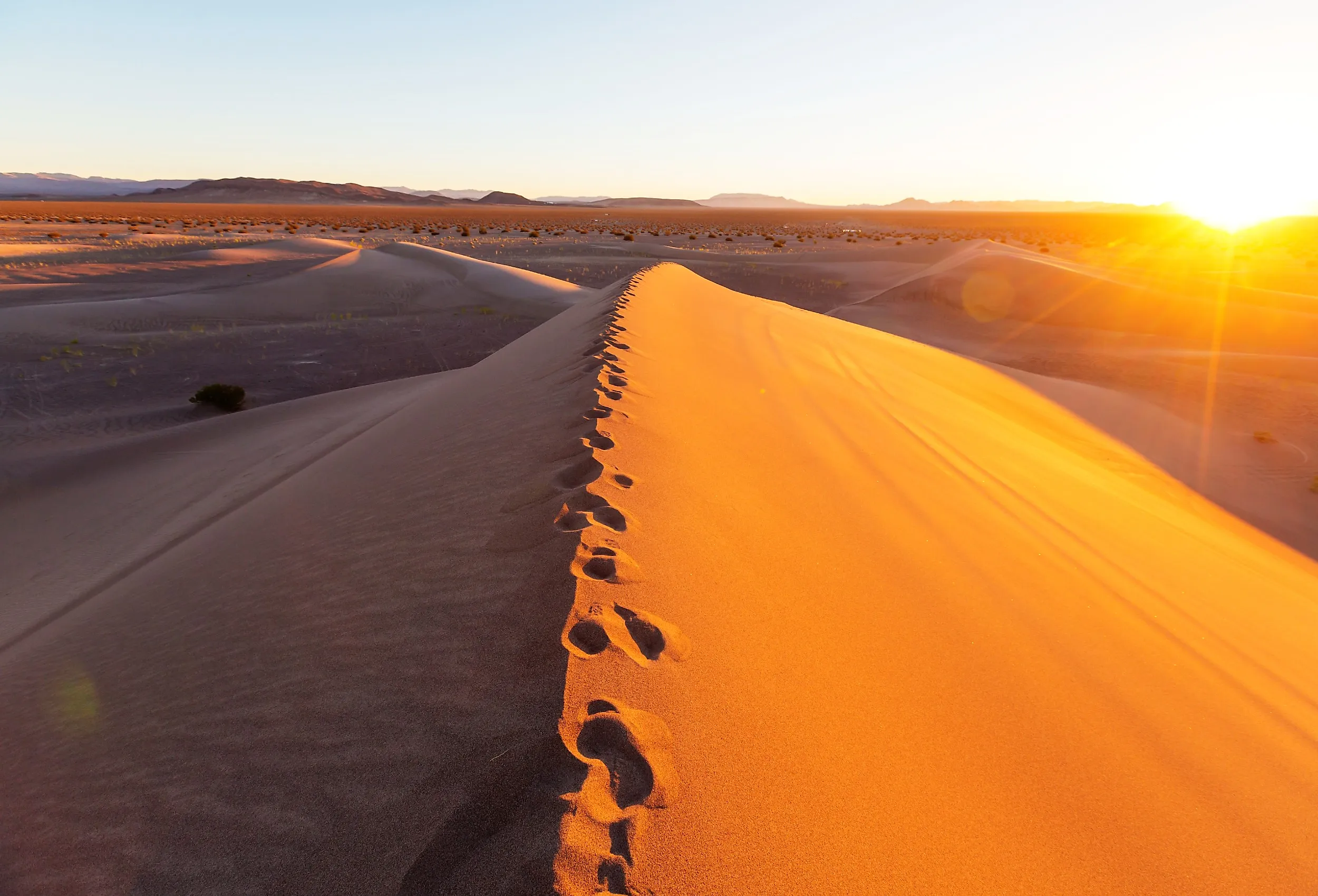
When it comes to high temperature records and the typical highest highs, there is no doubt that Death Valley National Park is the hottest national park in the United States.
The World Meteorological Organization still recognizes the 134-degree reading at Furnace Creek on July 10, 1913, as the official world record, although recent peer-reviewed research has challenged the measurement's validity. The National Park Service reports that the ground surface at Furnace Creek reached 201 degrees on July 15, 1972, although that reading is not directly comparable with standard air-temperature records. Average high temperatures in July (the hottest month of the year) reach 117 degrees Fahrenheit, with lows only settling around a still-scorching 91 degrees at night.

Death Valley experiences such high temperatures due to the region's unique topography. The floor of the valley, where temperatures are highest, lies below sea level in the warm, arid inland region of southern California. Clear skies and sparse vegetation allow the ground to absorb intense solar energy, while the deep basin traps radiated heat, and descending air warms further as it is compressed.
Summer still attracts visitors who want to experience the heat, though the park's busiest stretches fall in the cooler half of the year. Death Valley recorded 1,320,134 recreation visits in 2025, its fourth-highest annual total. Many are curious about what these extreme temperatures feel like, while higher-altitude regions of the park also provide more temperate outdoor exploration.
Warmest Year-Round: National Park of American Samoa

Death Valley's desert location is conducive to scorching summer daytime highs, but it's worth noting that temperatures can be moderate or cool in the winter months. For example, the same year that saw Death Valley's world-record high temperature (1913) also saw the park's lowest temperature on record, 15 degrees Fahrenheit. Daily average lows in the park also sit under 50 degrees between December and February.

One of the warmest national parks year-round is the National Park of American Samoa, the only National Park Service site south of the equator. Temperatures generally range from the high 70s to the low 90s, with surprising consistency. Average highs reach about 84 degrees in the "cooler" months of July and August and about 87 degrees between December and April, a spread of just a few degrees. However, high humidity often makes temperatures feel even more elevated than the thermometer might suggest.
Covering both ocean waters and soaring forested mountains, American Samoa can also exhibit some temperature variation by altitude. Even so, the park's tropical lowlands remain warm year-round, including during Death Valley's much cooler winter season.
Honorable Mention in the States: Dry Tortugas National Park and Biscayne National Park

The National Park of American Samoa lies thousands of miles from the continental United States in the South Pacific. Within the 50 states, Dry Tortugas and Biscayne National Parks also stay warm year-round.
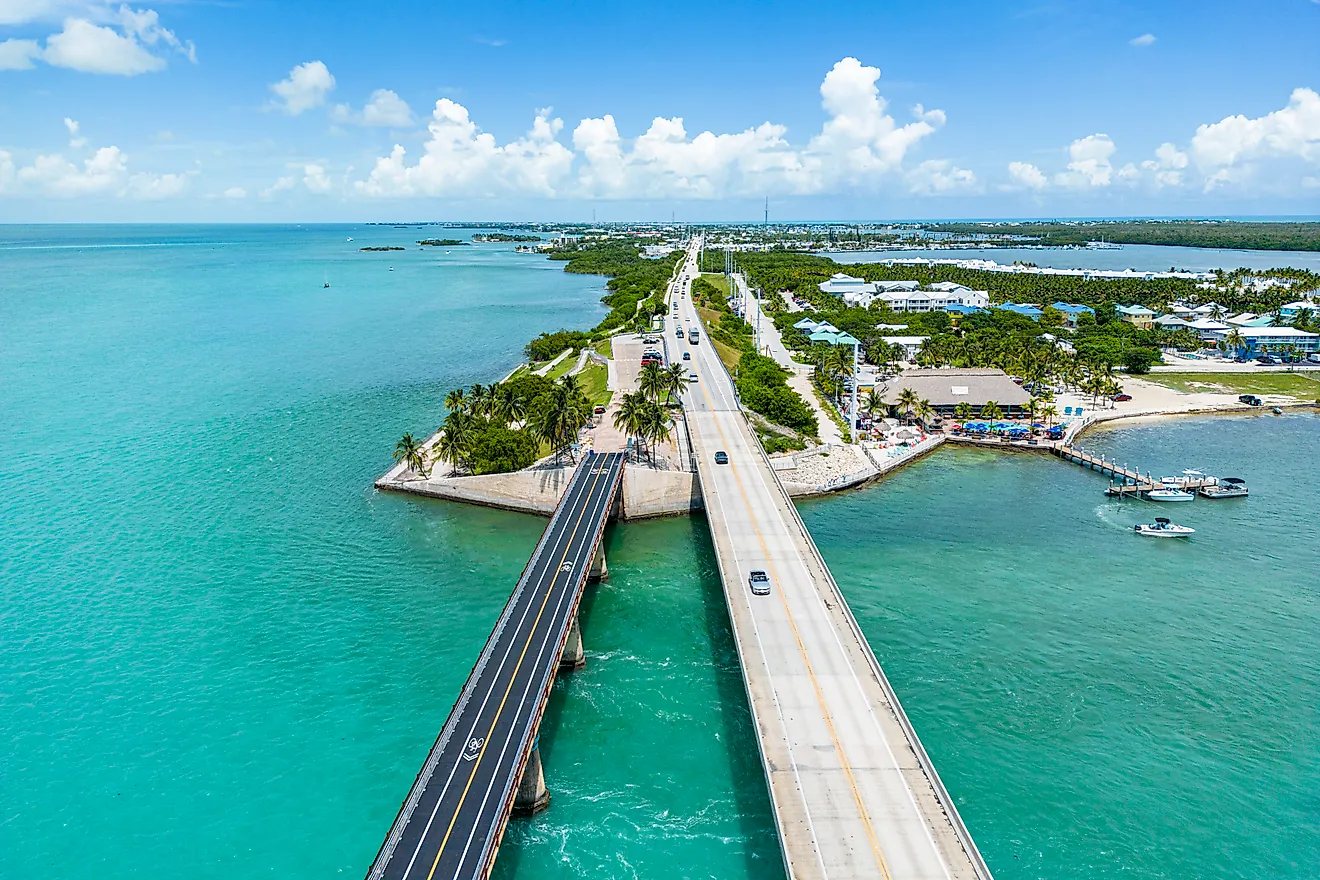
These are Dry Tortugas National Park, located off Key West in the Gulf of Mexico, and Biscayne National Park, which protects Biscayne Bay on Florida's Atlantic coast. Both are located in the warmer subtropical region off the coast of the mainland United States.

At Dry Tortugas itself, the 1991-2020 normals show January highs of 73.9 degrees and lows of 64.7 degrees. August is the warmest month, averaging a high of 91.4 degrees and a low of 79.0 degrees. At Biscayne National Park, average highs reach 77 degrees in January and 90 degrees in August.
Scorching Temperatures Abound in America's National Parks
Heat does not settle over every national park in the same way. Death Valley concentrates it in a basin below sea level, where July highs average 116°F and summer nights offer little relief. The National Park of American Samoa takes the steadier route. Pacific water keeps temperatures warm across every season, while humidity makes the air feel hotter. Dry Tortugas and Biscayne carry that tropical influence into the 50 states, trading Death Valley’s brutal peaks for mild winters and summer highs near 90°F. One park owns the extremes: Death Valley. The others hold their warmth month after month. Across all four, desert basins and island waters produce very different versions of heat.