The Fastest-Growing Counties In America
Since 2020, the population of the United States has grown by over 10 million people, or roughly 3.1%. However, that growth hasn’t been equal everywhere throughout the country. Some parts have shrunk, while other areas have seen their populations swell as tens of thousands of people relocate to these desirable spots. Here’s a closer look at the fastest-growing counties in America (as measured by U.S. Census data between April 2020 and July 2025) and why so many new residents are calling them home.
Fastest-Growing Counties in America by Percentage
Although there are a few different ways to determine what “fastest-growing” means, the percentage change in residents is the single best barometer of how significantly an area’s population is changing. These three counties have seen the biggest jumps.
Kaufman County, Texas

2020 population: 145,337
2025 population: 209,235
Percentage change: 44.0% (+63,898 residents)
Kaufman County sits on the eastern edge of the sprawling Dallas-Fort Worth metro area, benefiting greatly population-wise from the boom these cities have seen in the early 2020s. Spanning just over 780 square miles, Interstate 20 runs through the northern end of the county, with US Routes 80 and 175 also providing relatively direct routes into Dallas. While much of the county remains relatively rural and undeveloped, towns like Forney, Crandall, and Kaufman have absorbed a significant number of new residents. They’re likely drawn by the combination of convenience to the city, a more rural, spacious setting, and more affordable housing than inner-ring suburbs.
Jasper County, South Carolina

2020 population: 28,811
2025 population: 38,533
Percentage change: 33.7% (+9,722 residents)
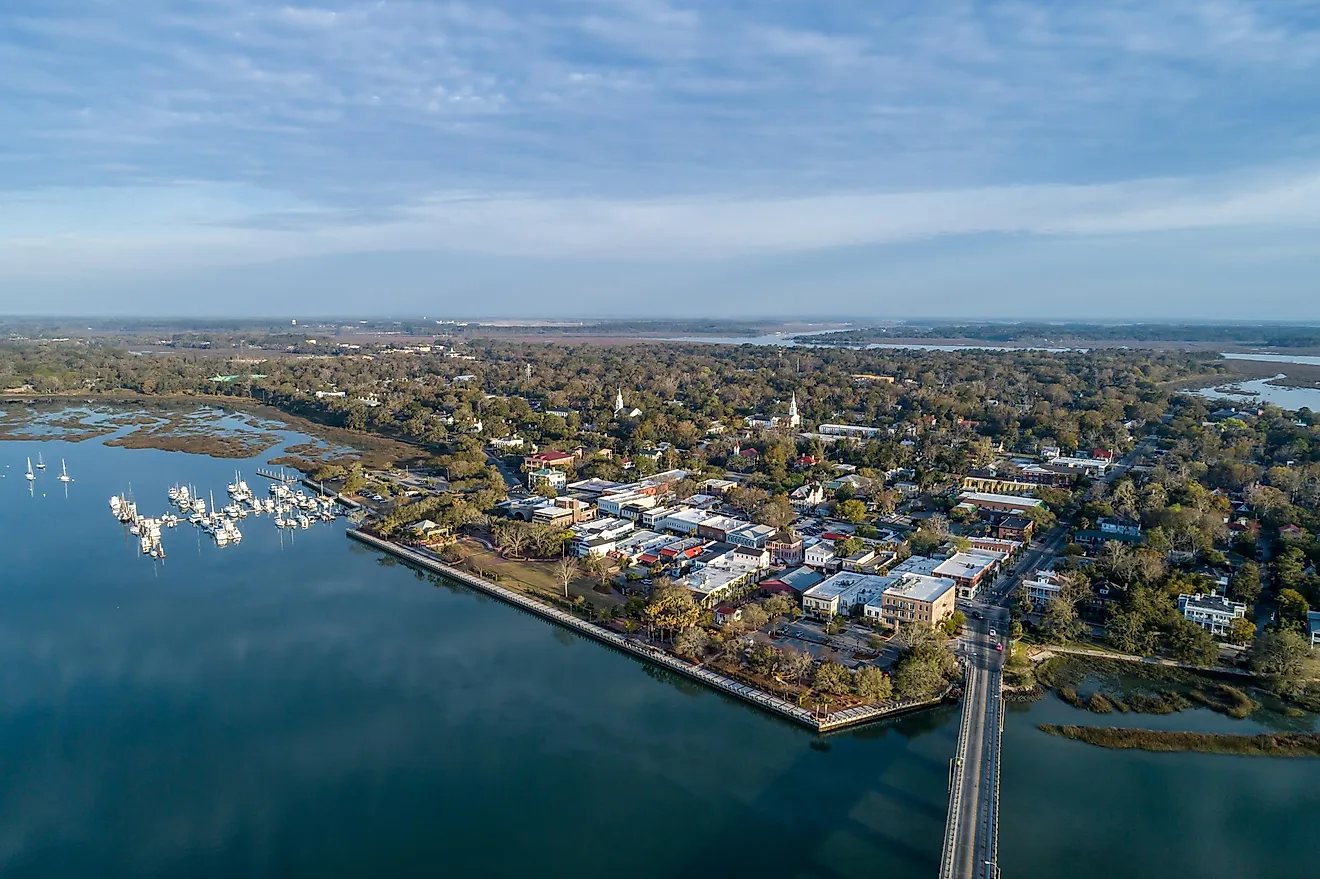
Jasper County started the 2020s small, but grew by more than a third in the half-decade since. It’s located in the state’s far southeastern corner, just over the Georgia border from Savannah and not far from one of South Carolina’s best-known vacation destinations, Hilton Head Island. These dual influences played a major role in the county’s growth, as there has been a substantial number of retirees moving to the area in growing 55+ developments like Latitude Margaritaville Hilton Head. However, at 656 square miles, it still provides very low density outside of small towns like Hardeeville and Ridgeland. Nevertheless, county residents still enjoy access to Interstate 95, making regional travel quick and simple.
Long County, Georgia

2020 population: 16,150
2025 population: 21,557
Percentage change: 33.5% (+5,407 residents)
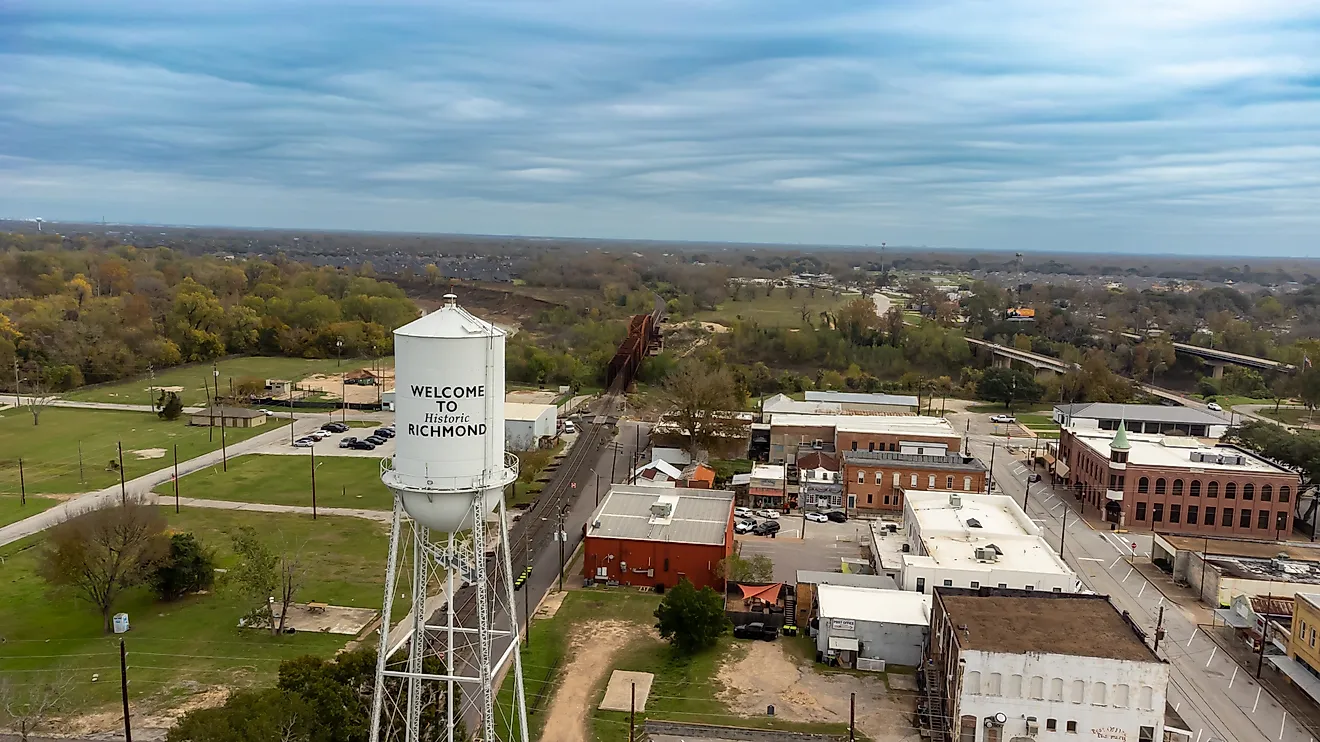
Long County demonstrates how even a modest number of new residents can help dramatically change the composition of some smaller counties. Although the area gained just over 5,400 people in five years, this was enough for Long County to grow by over a third. The county has just a single incorporated municipality, Ludowici, in its entire 400 square miles. Its growth is likely linked to nearby communities such as Hinesville and Fort Stewart, the latter of which plays a significant role in the regional economy as the largest Army installation east of the Mississippi River. Younger residents expanding their families may also play a role in Long County’s growth; 30.3% of the county is under 18, almost double the percentage of retirement-focused second-place Jasper County, South Carolina.
Fastest-Growing Counties in America by Number of New Residents
While percentage growth might provide the clearest picture of the impact of growth, it’s worth noting the counties that grew the fastest in absolute terms, as well. These larger counties saw relatively modest growth as a percentage, but added huge numbers of new residents between 2020 and 2025.
Harris County, Texas

2020 population: 4,730,408
2025 population: 5,045,026
Population change: +314,618 new residents (+6.7%)
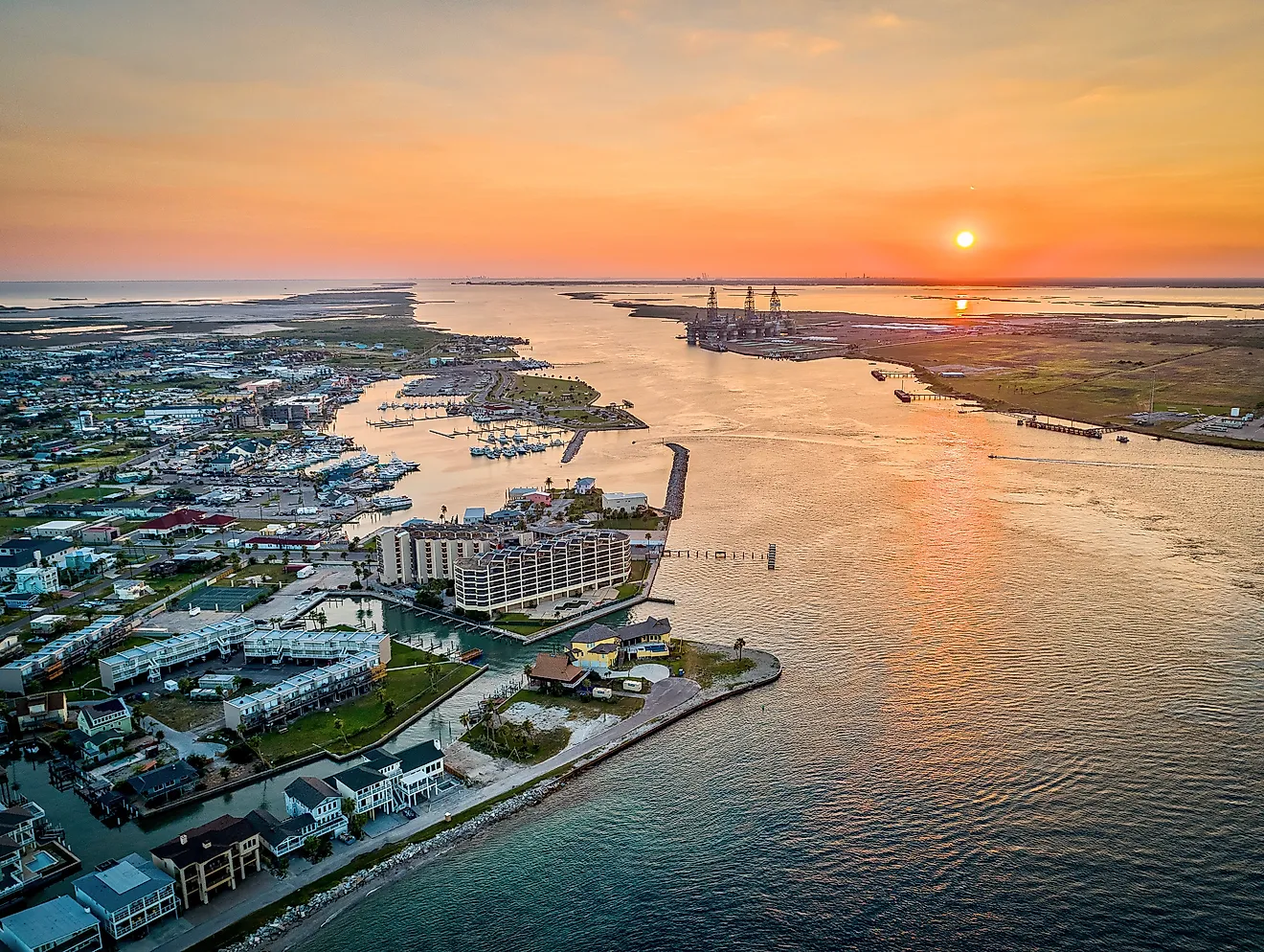
Harris County is home to fast-growing Houston and some of its surrounding areas, spanning a vast expanse of over 1,700 square miles (larger than the state of Rhode Island). The area’s booming economy added over 635,000 jobs between 2020 and 2025, helping fuel plenty of migration. The relatively moderate cost of living and extensive new home construction also brought in a large number of transplants from more expensive regions of the country. Migration from abroad has also helped Harris County add residents, with over 1 in 4 residents born outside the United States. It’s easy to see the appeal for those interested in the big-city amenities, proximity to the Gulf of Mexico, and unique blend of cultures.
Maricopa County, Arizona
2020 population: 4,425,302
2025 population: 4,689,558
Population change: +264,256 (+6%)
The home of Phoenix is America’s second-fastest-growing county in terms of total residents added. However, the city proper only contributed around 57,000 residents to the more than quarter-million who were added to the county. That’s a sign that Maricopa’s rapid expansion primarily came in its numerous suburbs and exurbs, the latter of which take advantage of expansive open land for development. Maricopa County takes advantage of a unique combination of influences in its growth. On the one hand, the diverse regional economy is growing quickly, adding substantial amounts of jobs since 2020. On the other hand, Phoenix and its suburbs remain a top retirement destination for those seeking the benefits of the region’s warm, dry climate and comparatively affordable housing.
Collin County, Texas

2020 population: 1,066,201
2025 population: 1,297,179
Population change: +230,978 (+21.7%)
Not far from the fastest-growing Kaufman County, Collin County sits just north of Dallas and provides a unique example of a county that grew significantly in both absolute numbers and percentage-wise. Nearly a quarter-million residents were added to the county between 2020 and 2025, both in established communities closer to Dallas, like Frisco and McKinney, and in newly developed outlying areas. Like other Texas metros, it’s benefited significantly from quick and expansive home construction at relatively attainable prices, as well as a growing economy in its own right, outside of that of Dallas and Fort Worth. Almost a quarter of residents are under 18, with a similar amount born outside the United States, more evidence of the diverse influences in Collin County’s expansion.
Look to the South and Sunbelt for America’s Fastest-Growing Counties
There’s no doubt that many American communities have seen substantial growth since 2020, along with the other changes that come with it. However, these six counties stand out for their dramatic expansion, evidence of a broad, long-standing trend of migration to the South and Sun Belt. While there’s no way to predict where growth will occur in the second half of the 2020s, it’s likely that some combination of metro area expansion, retirement relocation, growing economies, and newly born and transplant residents will power them to the top, just like these wide-ranging communities.