The Windiest Mountain In America
On April 12, 1934, the wind on Mount Washington reached 231 mph (371 km/h), a velocity so extreme that it remained the fastest surface wind ever recorded by a staffed weather station for more than 60 years. The measurement was made during a storm that covered the summit in heavy icing, while weather observers worked to keep their instruments operating and verify what they were seeing. The record has since been surpassed as the world's fastest measured surface wind, but the 231-mph (371 km/h) gust remains Mount Washington's most famous weather statistic. It is not, however, what makes the mountain America's windiest. That distinction comes from the summit's annual average wind speed of 34.9 mph (56 km/h), according to the 1991-2020 climate normals. Extreme winds are not an isolated event here but a persistent feature of the mountain's climate.
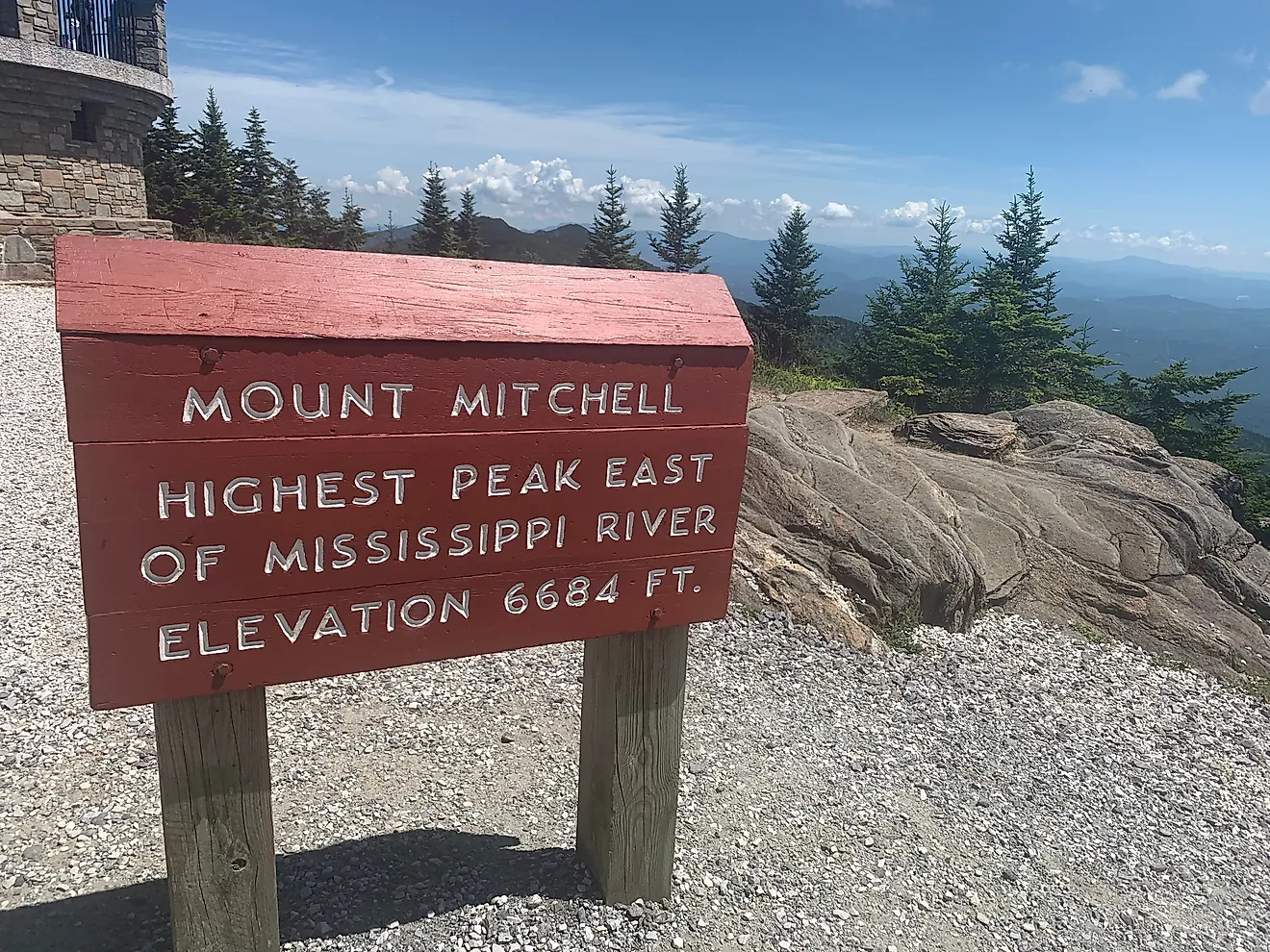
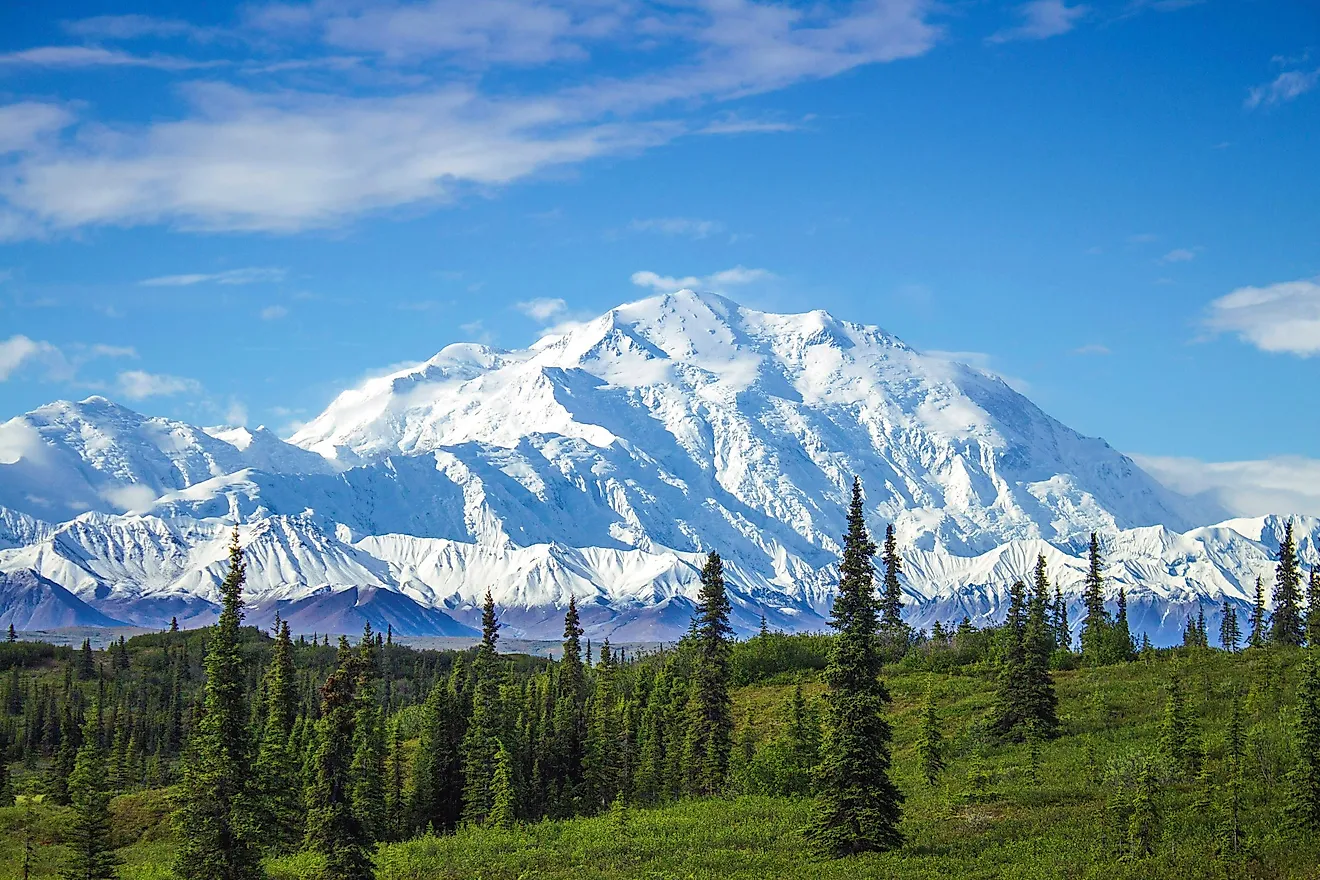
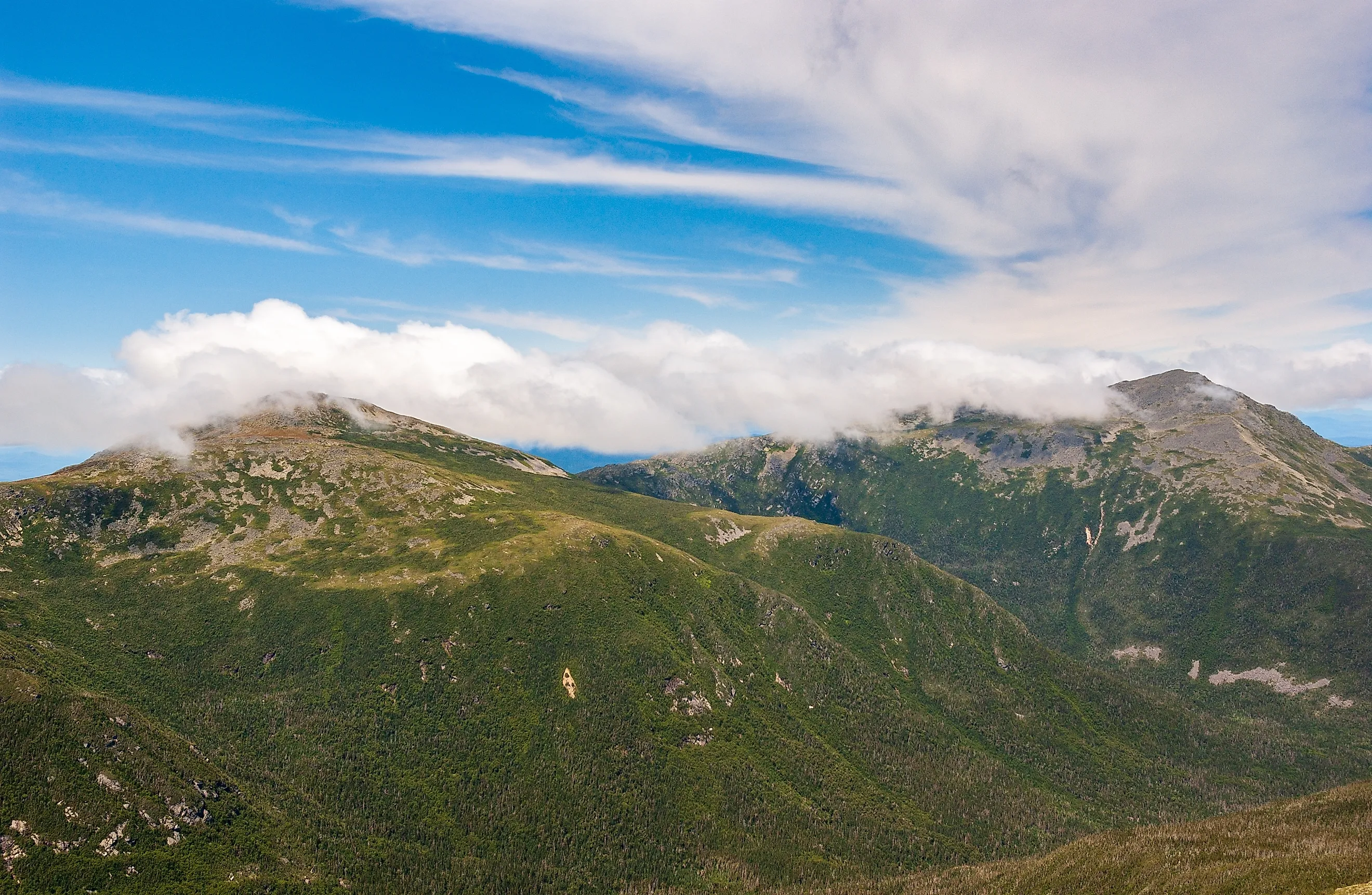
The National Park Service identifies Mount Washington as having the highest annual average wind speed in the United States. At 6,288 feet (1,916 meters), the summit is not the highest mountain in the country, or even the highest in the eastern United States. North Carolina's Mount Mitchell rises to 6,684 feet (2,037 meters), while Alaska's Denali reaches 20,310 feet (6,190 meters). What makes Mount Washington unusual is its combination of elevation, position, and topography. The summit sits in the Presidential Range of New Hampshire's White Mountains, where large weather systems moving across the region encounter a mountain that can intensify and funnel the wind.
Perfectly Positioned for Bad Weather

The mountain's physical setting matters more to its wind than its height. Storm systems frequently cross New England, and Mount Washington's position places it in the path of strong winds associated with those systems. The surrounding Presidential Range also helps channel air toward the summit. To the west, the mountain has a long stretch of relatively unobstructed terrain, allowing strong winds to reach the summit with little to slow them down.
That combination helps explain why Mount Washington can experience extreme winds even though it is considerably lower than many taller North American peaks. Its reputation comes from being exposed more than tall. Mount Washington Observatory's 1991-2020 climate normals put the annual average wind speed at 34.9 mph (56 km/h). January's average is 45.6 mph (73 km/h), while August, the calmest month, still averages 24.5 mph (41 km/h). In other words, even the mountain's relatively quiet summer conditions would qualify as a strong wind by everyday standards. The 231-mph (371 km/h) gust made Mount Washington famous; its 35-mph (56 km/h) average makes it America's windiest mountain.
Measuring the Wind

The 1934 record was not produced by an unattended electronic sensor. It was measured by weather observers working inside the summit observatory during one of the mountain's most violent storms. On that day, three observers—Sal Pagliuca, Alex McKenzie, and Wendell F. Stephenson—were on duty as conditions deteriorated. Heavy icing coated the summit and the instruments, while the wind increased. By early afternoon, Stephenson had recorded an average wind of 173 mph (278 km/h), with gusts exceeding 220 mph (354 km/h). Pagliuca used the observatory's recording equipment and timed telegraph clicks to help establish the wind speed. Two gusts reached 231 mph (371 km/h). The National Weather Bureau confirmed the measurement.
The human involvement is important because measuring extreme wind on Mount Washington is itself a monumental technical challenge. Ice can accumulate rapidly on exposed equipment, interfering with the moving parts of conventional anemometers. The observatory has developed and used specialized instruments to continue recording winds under conditions that can disable ordinary equipment.
The Mount Washington Observatory has maintained weather observations near the summit since 1932, creating one of the longest continuous mountain weather records in North America. Historical wind observations extend back to the 1930s, allowing researchers to examine the mountain's climate over decades rather than relying on isolated extreme events. That work continues today.
A Mountain of Extremes

Wind is only part of Mount Washington's reputation for severe weather. The summit is exposed to conditions more commonly associated with much higher mountains, including heavy icing, rapidly changing temperatures, and winter storms. Rime ice can accumulate on exposed surfaces at high rates. The observatory has documented instances in which ice builds up, inch by inch, adding substantial weight to structures and equipment. In winter, the combination of wind and ice can make even routine maintenance a difficult undertaking.
For comparison, the National Park Service recorded an average daily winter wind speed of about 65 mph (104 km/h) on Longs Peak in Colorado during a 74-day study. That figure illustrates how extreme conditions can be on other exposed American summits, but Mount Washington's distinction comes from maintaining the highest long-term annual average.
Hiking Mount Washington

Mount Washington attracts hikers from several directions, but the mountain's trails shouldn't be considered easy recreational walks. Weather can change rapidly, and conditions near the summit can be substantially different from those at the trailhead. Winter travel requires appropriate equipment, such as crampons, snowshoes, or skis, as well as experience.
The Tuckerman Ravine Trail approaches the summit from the east through the glacially carved Tuckerman Ravine, one of the mountain's best-known natural features and a major winter recreation area. The Ammonoosuc Ravine Trail approaches from the west, while the Crawford Path provides another route toward the summit through the Presidential Range. Other trails connect Mount Washington with surrounding peaks and the larger network of the White Mountains.
Riding to the Summit

One of Mount Washington's more unusual features is that hikers are not the only people who reach its summit. Visitors can drive to the top on the Mount Washington Auto Road, which opened in 1861, or ride the Mount Washington Cog Railway, which began operating in 1869. The Auto Road is a historic mountain road that climbs through increasingly exposed terrain to the summit. The Cog Railway approaches from the west and was the world's first mountain-climbing cog railway.
The ability to drive or ride a train to 6,288 feet (1,916 meters) does not make the summit's weather any less severe. The mountain's weather can change dramatically from conditions at the base, and the infrastructure at the top has to be built to withstand it. The Sherman Adams building, which houses summit facilities, was designed with the mountain's extreme environment in mind. New Hampshire State Parks notes that the structure was designed to withstand winds exceeding 200 mph (322 km/h) and temperatures as low as -47°F (-44°C).
A Record of Persistent Wind
Mount Washington's 231-mph (371 km/h) wind remains one of the most notable measurements in American weather history, but it's the more mundane, long-kept records of average wind speeds on the mountain that give it its title. And the observers who recorded the 1934 storm had to contend with the same problem that continues to challenge the observatory today: keeping instruments functioning long enough to record the data.
More than 90 years later, Mount Washington serves as a reminder that a mountain doesn't have to be the tallest or most remote to have the most extreme weather. The 231-mph gust is the number people associate with the mountain. Decades of measurements showing an annual average of roughly 35 mph (56 km/h) make Mount Washington America's windiest mountain.