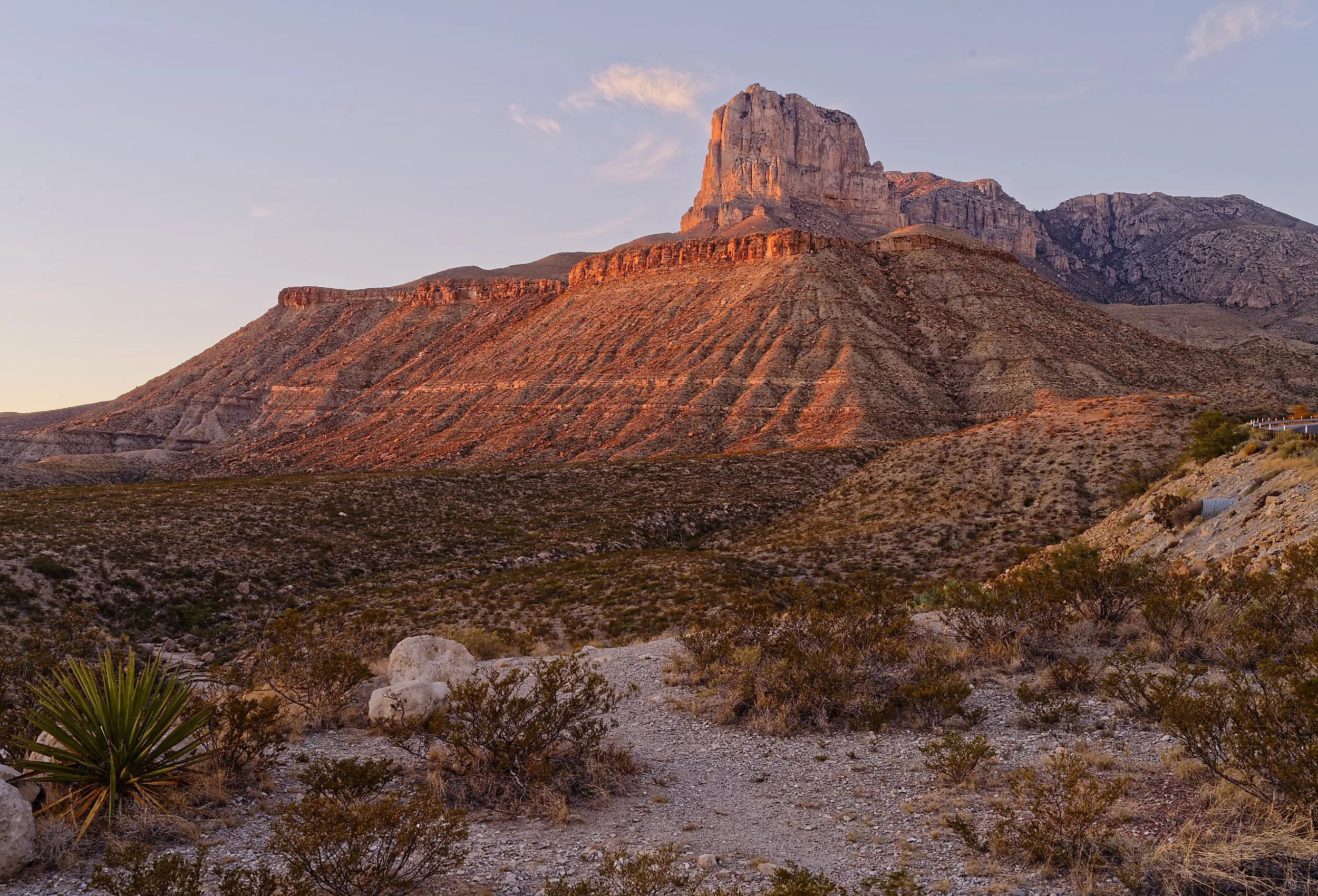
The Windiest National Park In The United States
By the measure most relevant to hikers and campers, recurring high winds at accessible elevations in Guadalupe Mountains National Park in West Texas make a compelling case for the title of windiest national park in the United States. The National Weather Service maintains a separate forecast zone for terrain above 7,000 feet, while the National Park Service says winds often exceed 30 mph from November through March, with gusts ranging from 50 to 80 mph. During an extraordinary storm in January 1996, winds at park headquarters topped 130 mph and shattered windows in 13 vehicles.
No federal agency publishes a standardized wind-speed ranking of all 63 national parks, and differences in elevation, exposure, instruments, and reporting periods make direct comparisons difficult. Rocky Mountain National Park and Denali National Park have recorded higher gusts, but those readings came from much higher and less accessible locations. The Guadalupe Mountains stand apart because their powerful winds repeatedly reach campgrounds, trailheads, and hiking routes between roughly 4,000 and 9,000 feet while the park remains open to visitors.
Guadalupe Mountains National Park

Winds exceeding 130 mph hit park headquarters at Pine Springs through most of January 17, 1996. Nine government vehicles and four employee vehicles had their windows blown out. A step van went over on its side. Blowing dirt cut visibility across the headquarters area for much of the day.
A picnic table struck a visitor's RV. A roof came off the Texas highway department building next door, and a double-trailer semi blew over on the highway.

Other events show that the 1996 storm was not the park's only encounter with exceptional wind. The National Weather Service recorded a 79 mph gust at Guadalupe Pass on January 28, 2008. On December 8, 2009, the agency reported gusts exceeding 100 mph at the highest elevations of the Guadalupe Mountains, along with damaged roofs and broken windows at Pine Springs and at least two overturned semitrailers near Guadalupe Pass. A wind farm in the nearby Delaware Mountains lost turbine blades in the same storm, and one tower came down entirely.
Weather monitoring associated with the park spans nearly 4,000 feet of elevation. The high-country station at The Bowl sits at 7,755 feet, with a record that extends back to 2002 and includes both wind-speed and gust observations. Below it are Dog Canyon at 6,262 feet, the Guadalupe Pass station at 5,449 feet, and PX Well at 3,873 feet. No agency has published a uniform long-term comparison of the four.
The Park Service sets out its own wind-safety thresholds for hikers:
| Wind Speed | What The Park Service Tells Hikers |
|---|---|
|
30 mph |
Wind can begin to affect your balance |
|
40 mph |
Walking becomes difficult |
|
50 mph |
Dangerous to continue, even for experienced hikers |
|
55 mph |
Turn back immediately |
|
70 mph |
Get down to lower elevation without delay |
The same page compares a 70-mph gust to an F1 tornado; however, the current Enhanced Fujita scale places 70 mph in the EF0 range, which runs to 85 mph, and tornado ratings are assigned based on observed damage rather than a single measured gust.
What Causes The Wind

The strongest west-wind events develop when powerful winds aloft combine with a tight surface-pressure gradient and an atmosphere capable of transporting that momentum downward. The abrupt terrain of the Guadalupe Mountains can then intensify downslope flow and turbulence on the range's eastern side. A National Weather Service analysis of major regional windstorms identifies strong upper-level winds, steep temperature changes, and downward momentum transfer as important ingredients in damaging surface winds.

The Pine Springs area sits at nearly 5,700 feet, and Guadalupe Peak tops out at 8,751 feet, a climb of 3,000 feet over 8.4 miles round trip. As a planning rule, the Park Service tells hikers to expect the summit to be at least ten degrees cooler than Pine Springs, with wind speeds at least ten miles per hour faster. The National Weather Service uses two forecast zones for the surrounding range: "Guadalupe Mountains Above 7000 Feet" and "Guadalupe and Delaware Mountains."
The park and its developed campgrounds are open year-round, including the November-to-March windy season. Anyone hiking Guadalupe Peak in February climbs straight into the wind zone the National Weather Service forecasts separately.
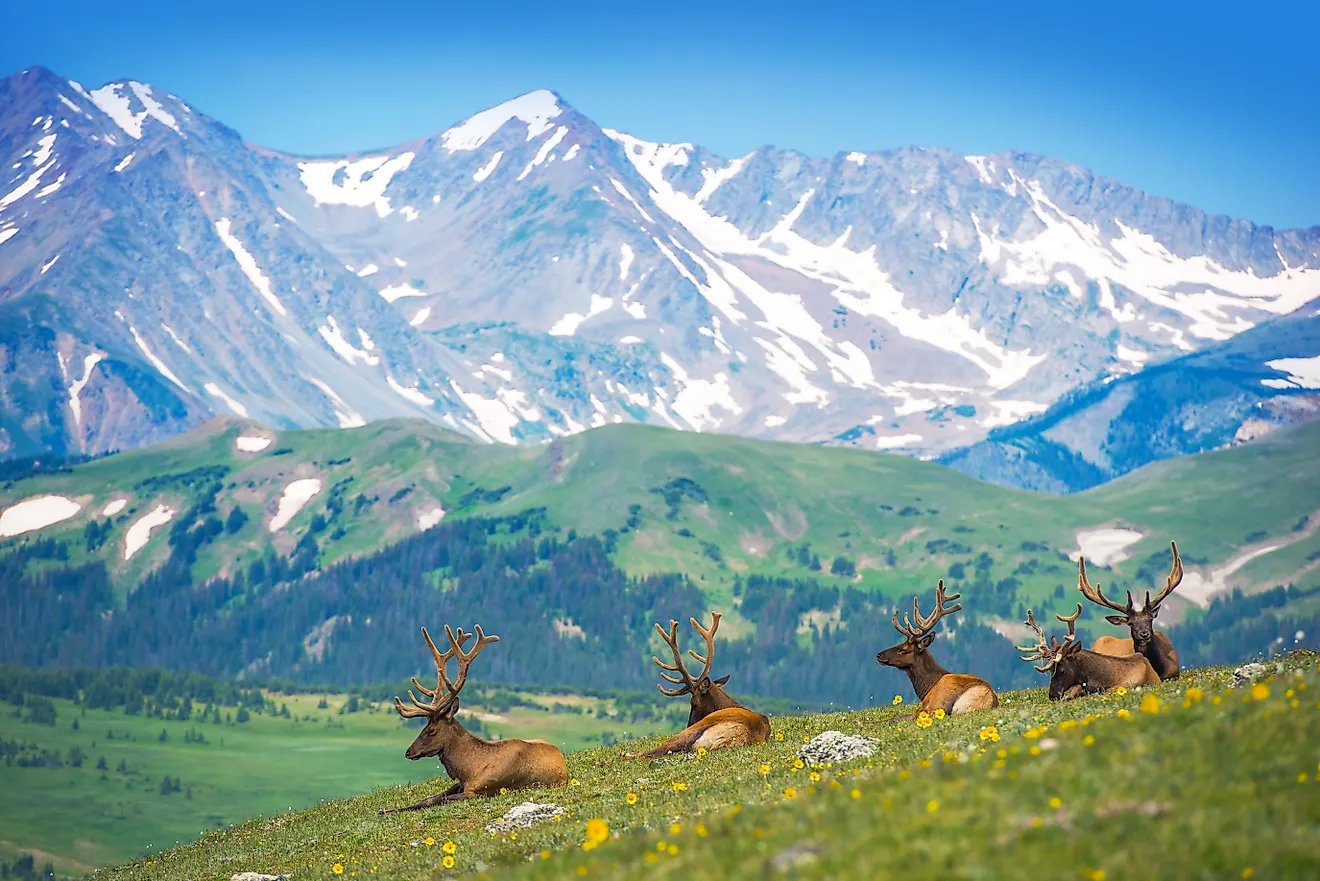
Rocky Mountain and Denali National Park

Rocky Mountain recorded gusts of 201 mph on Longs Peak and 155 mph on Trail Ridge during a wind study conducted in the winter and summer of 1980. Longs Peak tops out at 14,259 feet, and Trail Ridge Road crests at 12,183 feet.
Those figures came from specialized alpine monitoring, and the Park Service's summary does not identify the season or exact date of either maximum. Trail Ridge Road is closed between mid-October and Memorial Day, and the Keyhole Route on Longs Peak is generally clearest of snow and ice between mid-July and mid-September. The study also recorded gusts of at least 74 mph at the Alpine Visitor Center in both winter and summer, so Rocky Mountain's measurements cannot be dismissed simply as winter readings taken when visitors were absent.

The Denali Pass station sat at 5,715 meters above sea level, roughly 18,750 feet. The highest wind value in the researchers' cleaned 1994-1996 dataset was 63.9 meters per second, approximately 143 mph, on February 15, 1995. The station operated intermittently, and the researchers caution that its unconventional installation and incomplete instrument documentation create significant uncertainty in the record.
The Park Service caps the season at 1,500 permitted Denali climbers between April 1 and August 1, and the busiest stretch on the West Buttress runs late May into early June. February falls outside it.
Three Japanese climbers died during a severe February 1989 storm near Denali Pass, though the cause of death was hypothermia. The accident prompted the Japanese Alpine Club to install an automatic weather station near the pass in 1990.
Guadalupe Mountains may not hold the highest wind reading ever recorded in a national park, but its most powerful winds are not confined to remote summits. They repeatedly sweep across campgrounds, parking areas, trailheads, and nearby highways during a season when the park remains open to hikers and campers. That combination makes Guadalupe a compelling choice for the title of America’s windiest visitor-accessible national park.
The record underscores the danger. Winds exceeded 130 mph at Pine Springs in 1996, Guadalupe Pass registered a 79 mph gust in 2008, and the National Weather Service reported gusts above 100 mph at the range’s highest elevations in 2009. Beyond those exceptional storms, the Park Service says winds above 30 mph occur often from November through March, with gusts ranging from 50 to 80 mph.
Visitors planning a winter trip should check the forecast for terrain above 7,000 feet and be prepared to change course. At 40 mph, walking becomes difficult; above the Park Service’s 55 mph turn-back threshold, hikers should abandon the ascent and descend to a lower elevation.