What Happens If Lake Powell And Lake Mead Both Fail
If Lake Powell and Lake Mead both hit dead pool, the water stops moving to seven states and Mexico. The dams go quiet first, losing the power they send across the Southwest. Then delivery itself becomes the problem. Some places have bought themselves time. Others would feel the cut within a single season. The Colorado River keeps flowing either way. What disappears is the reserve that carries the region through its dry years.
Failure comes in stages, not all at once. Hydropower goes first, then reliable releases, and finally delivery itself at dead pool.
Failure Begins Long Before Either Reservoir Is Empty

A reservoir can still contain billions of gallons while losing its usefulness. Hydropower depends on hydraulic head, the height difference between the reservoir surface and the turbines. As the lake falls, water reaches the turbines with less pressure, reducing electricity production. Eventually the surface drops below the lowest elevation at which the generating system can operate.
Water delivery can continue below that point through bypasses or lower outlet structures. Those facilities have smaller capacities and were not necessarily designed for decades of continuous operation. Dead pool arrives when the water surface falls below the dam's lowest usable outlet. Water may remain trapped behind the structure, but gravity can no longer carry it downstream.
Lake Powell Would Lose Hydropower First

Glen Canyon Dam stops producing hydroelectricity when Lake Powell approaches an elevation of 3,490 feet above sea level. Reclamation uses 3,525 feet as a protective target because it leaves only 35 feet between the reservoir and minimum power pool. At approximately 3,370 feet, Powell reaches dead pool.
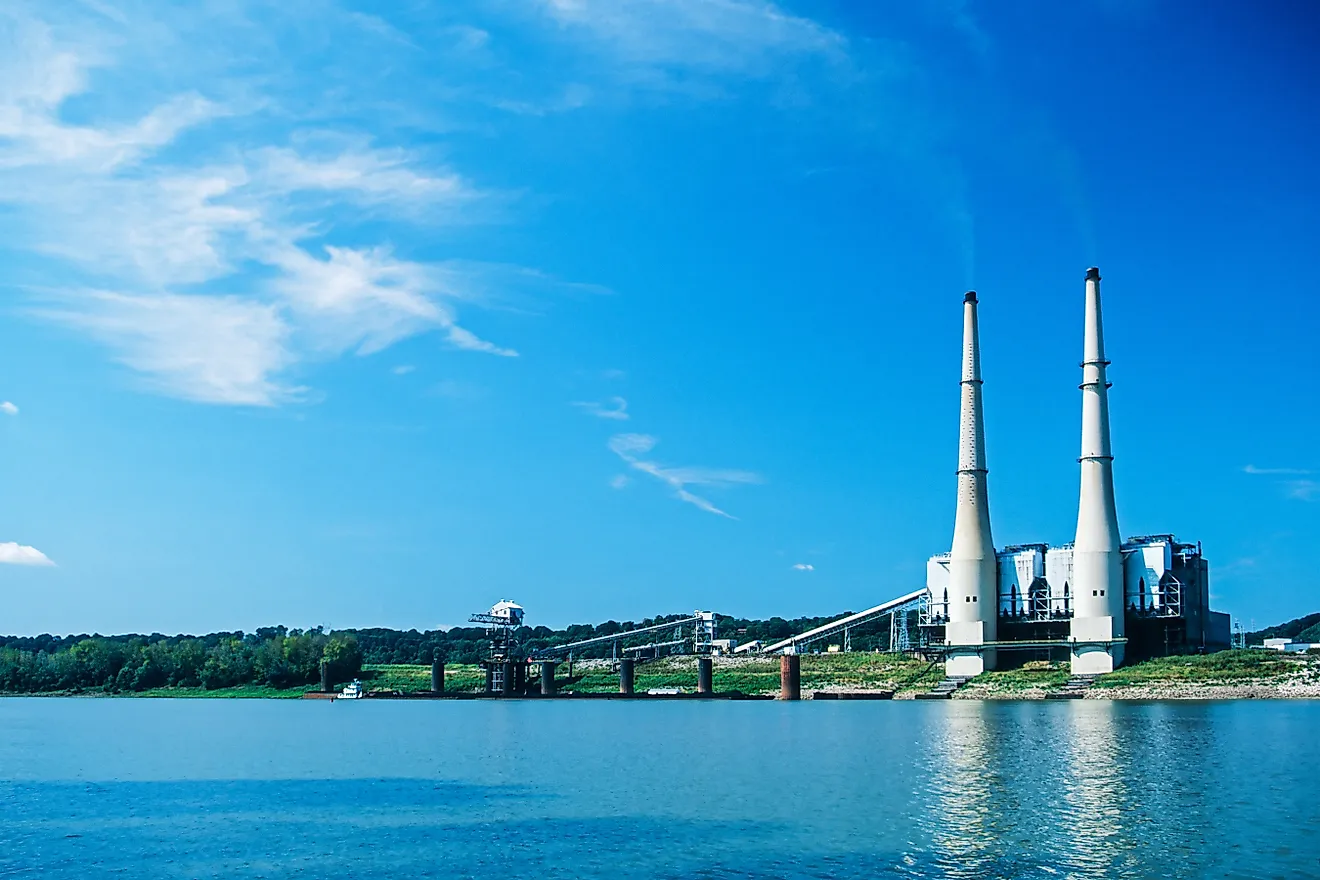
The power plant has an installed capacity of 1,320 megawatts. Its electricity is marketed across six western states, including service to municipalities, irrigation districts, rural cooperatives, government agencies, and Tribal communities. Losing that electricity would not automatically black out the Southwest, because the western grid contains many other generating sources. It would remove a valuable supply of power that can respond quickly when demand rises or solar and wind production changes.
Replacement electricity would probably cost more, particularly during periods of high demand. Smaller public utilities and irrigation districts could face substantial price increases. The federal hydropower system also helps finance environmental programs, salinity control, dam maintenance, and other Colorado River projects. Reduced power sales would therefore create consequences beyond the electricity market.
Glen Canyon Dam Would Become Harder to Operate

Below minimum power pool, releases from Lake Powell would have to pass through four river outlet works rather than the turbines. These pipes can preserve downstream flow, but they offer less operating flexibility. Their release capacity also falls as the reservoir loses elevation because less water pressure is available to push water through the dam.
Long-term reliance on the outlet works would create engineering concerns involving vibration, cavitation, air entrainment, erosion, and maintenance access. Reclamation has examined modifications that could improve low-elevation releases, but the dam was not built with permanent dead-pool operation in mind. Once Powell reached approximately 3,370 feet, even the river outlet works would become unusable.
Incoming water from the Colorado and San Juan rivers would not stop. Inflows could gradually raise Powell above its outlets again, especially after a snowy winter. Until that happened, however, the water arriving from upstream would accumulate behind the dam instead of immediately continuing toward Lake Mead.
The River Would Lose Its Upper-Basin Drought Reserve

Lake Powell functions as a bank account for Upper Basin runoff. A strong snowmelt can be stored and released over several later years. This buffering protects downstream users when the Rocky Mountains produce little snow or when warm conditions cause snow to melt early and evaporate before reaching the river.
At dead pool, releases would depend on whether new inflow raised the reservoir above its lowest outlets. The river would begin behaving more like an unregulated system. A poor snow year would translate more directly into poor downstream flow, while a wet year could produce a temporary recovery. Water managers would lose much of their ability to smooth out the difference between those extremes.
This loss of timing would be as important as the reduction in total water. Farms need deliveries during growing seasons, cities require dependable supplies throughout the year, and downstream reservoirs depend on scheduled releases. Water arriving at the wrong time cannot fully replace stored water available on demand.
Lake Mead Would Determine Whether Water Could Reach the Lower River

Lake Mead's hydropower system would also weaken as the reservoir declined. The Bureau of Reclamation estimates its minimum power pool near 950 feet. Hoover Dam's generating capacity would fall before reaching that elevation because declining hydraulic head reduces the output of each turbine.
Water could continue passing through Hoover Dam after power generation stopped. The decisive threshold is approximately 895 feet, the bottom of the dam's intake towers. Below that elevation, Lake Mead would be at dead pool. Stored water could no longer pass through Hoover Dam toward Arizona, California, or Mexico using the existing system.
This would be the most disruptive stage of dual failure. Water rights establish who has priority when supplies are limited, but a legal entitlement cannot move water through an intake that sits above the lake. Senior users would retain claims against future flow, yet the physical delivery system would no longer be able to satisfy them.
Lake Mohave and Lake Havasu Would Provide Only a Temporary Buffer

Dead pool at Lake Mead would not instantly empty every canal below Hoover Dam. Lake Mohave stores water behind Davis Dam, while Lake Havasu stores water behind Parker Dam. The Colorado River Aqueduct and Central Arizona Project draw from the lower river system near Lake Havasu rather than directly from Lake Mead.
Those smaller reservoirs could temporarily support deliveries after Hoover releases stopped. Their storage is tiny compared with Mead, however, and they would decline as water continued entering aqueducts, irrigation canals, and the river toward Mexico. Without renewed flow from Hoover Dam, managers would have to reduce withdrawals sharply to prevent the lower reservoirs from being drained.
Arizona Would Face the Earliest Deep Reductions

Arizona is especially exposed because much of the Central Arizona Project holds junior priority within the Lower Basin. Existing shortage rules already place most early reductions on CAP users. In a dual-reservoir failure, cuts would move beyond the agricultural water pools that have absorbed previous shortages and begin threatening municipal, industrial, and Tribal deliveries.
Agriculture in central Arizona would probably experience extensive fallowing. Farms that retained access to groundwater could continue producing, but heavier pumping would increase costs and accelerate aquifer decline. Several agricultural basins already face subsidence, well failures, and fissures caused by groundwater withdrawal. Replacing river water with pumping would transfer the shortage underground rather than solve it.
Phoenix and Tucson would not immediately run dry. Both have groundwater, stored reserves, reclaimed water, and other surface supplies. Parts of metropolitan Phoenix also receive water from the Salt and Verde rivers. Prolonged loss of CAP water would nevertheless require stronger outdoor restrictions, tighter development rules, greater wastewater reuse, and expensive efforts to move or purchase water from other users.
California's Senior Rights Would Delay, Not Prevent, the Crisis

Many California irrigation districts hold older Colorado River rights than the Central Arizona Project. Those priorities would protect them during ordinary allocation cuts. They would offer no physical protection once Lake Mead could no longer release water through Hoover Dam.
The Imperial and Coachella valleys depend on Colorado River deliveries for desert agriculture. Severe reductions would remove acreage from production and disrupt communities built around farming, food processing, transport, and irrigation services. The effects would extend into national produce markets because the region supplies vegetables during seasons when colder farming areas produce less.
Urban Southern California has a more varied supply. The Metropolitan Water District receives water from the Colorado River Aqueduct, Northern California, local groundwater, reservoirs, recycling, and conservation. Colorado River water generally contributes about 20 to 25 percent of the regional supply. Losing it would be difficult but manageable during wet years elsewhere in California. The danger would rise sharply if Colorado River failure coincided with drought in the Sierra Nevada.
Las Vegas Could Pump Below Hoover Dam's Dead Pool

Southern Nevada is an unusual case. The Southern Nevada Water Authority completed a third intake and a low-lake-level pumping station specifically to protect access during extreme declines. Together, these facilities can withdraw Lake Mead water near an elevation of 875 feet, about 20 feet below Hoover Dam's dead-pool threshold.
Las Vegas could therefore continue drawing water after releases toward Arizona, California, and Mexico had stopped. That advantage would not last indefinitely. The remaining water would occupy the lake's deepest basin, and its level would continue falling unless new inflow exceeded Southern Nevada's net consumption.
The city's extensive indoor recycling would reduce the rate of loss. Most indoor wastewater is treated and returned to Lake Mead, while outdoor irrigation is largely consumed through evaporation and plant growth. Continued service would depend on strict limits on consumptive uses rather than unrestricted access to the shrinking pool.
Mexico Would Face a Treaty and Humanitarian Emergency

The 1944 Water Treaty normally provides Mexico with 1.5 million acre-feet of Colorado River water each year. Binational agreements allow Mexico's deliveries to be reduced during shortages, but dead pool at Lake Mead would create a physical interruption rather than an ordinary allocation reduction.
After water stored in Lake Mohave and Lake Havasu declined, deliveries through Morelos Dam could become impossible. Agriculture in the Mexicali Valley would face major losses, while communities in Baja California would need to rely more heavily on groundwater, conservation, reuse, transfers, or emergency supplies.
Environmental restoration in the Colorado River Delta would also suffer. Water assigned to wetlands and restored river channels would become difficult to defend when cities and farms were competing for inadequate human supplies. Negotiations would have to occur through the International Boundary and Water Commission because the consequences would cross an international border.
The Upper Basin Would Enter a Legal Crisis

Colorado, Wyoming, Utah, and New Mexico would not lose most of their water diversions simply because Lake Powell reached dead pool. Their farms and cities generally withdraw water before it reaches the reservoir. Powell's failure would instead remove the storage system that helps the Upper Basin manage its obligations at Lee Ferry.
The Colorado River Compact states that the Upper Division must not cause the river's flow at Lee Ferry to fall below 75 million acre-feet during any consecutive ten-year period. Lake Powell allows managers to supplement low natural flow with water saved during earlier years. Without usable Powell storage, prolonged drought could push the rolling total toward the compact threshold.
A formal curtailment could affect irrigated agriculture, industrial users, municipal diversions, and projects carrying water across the Continental Divide. How reductions would be calculated remains disputed, particularly when declining flow results partly from warming rather than new upstream consumption. Dual failure would place those unresolved legal questions under immediate pressure.
Agriculture Would Absorb Most of the Lost Water

The Colorado River supports municipal supplies for roughly 40 million people and irrigation on about 5.5 million acres in the United States. Those figures do not mean every person or farm is entirely dependent on the river, but they show the scale of the connected economy.
A comprehensive water budget covering 2000 through 2019 found that irrigated agriculture accounted for 74 percent of direct human consumption. It represented 52 percent of all consumption after reservoir evaporation and natural vegetation were included. Cattle-feed crops, especially alfalfa and grass hay, used most agricultural water.
Cities can reduce landscaping, reuse wastewater, increase prices, and invest in alternative supplies. Farms use larger volumes and often operate with less money available for replacement infrastructure. For that reason, a response to dual failure would probably involve compensated fallowing, crop changes, irrigation improvements, and permanent reductions in cultivated acreage. The damage would fall unevenly on rural communities whose employment and tax bases depend on irrigated land.
The Grand Canyon Ecosystem Would Change

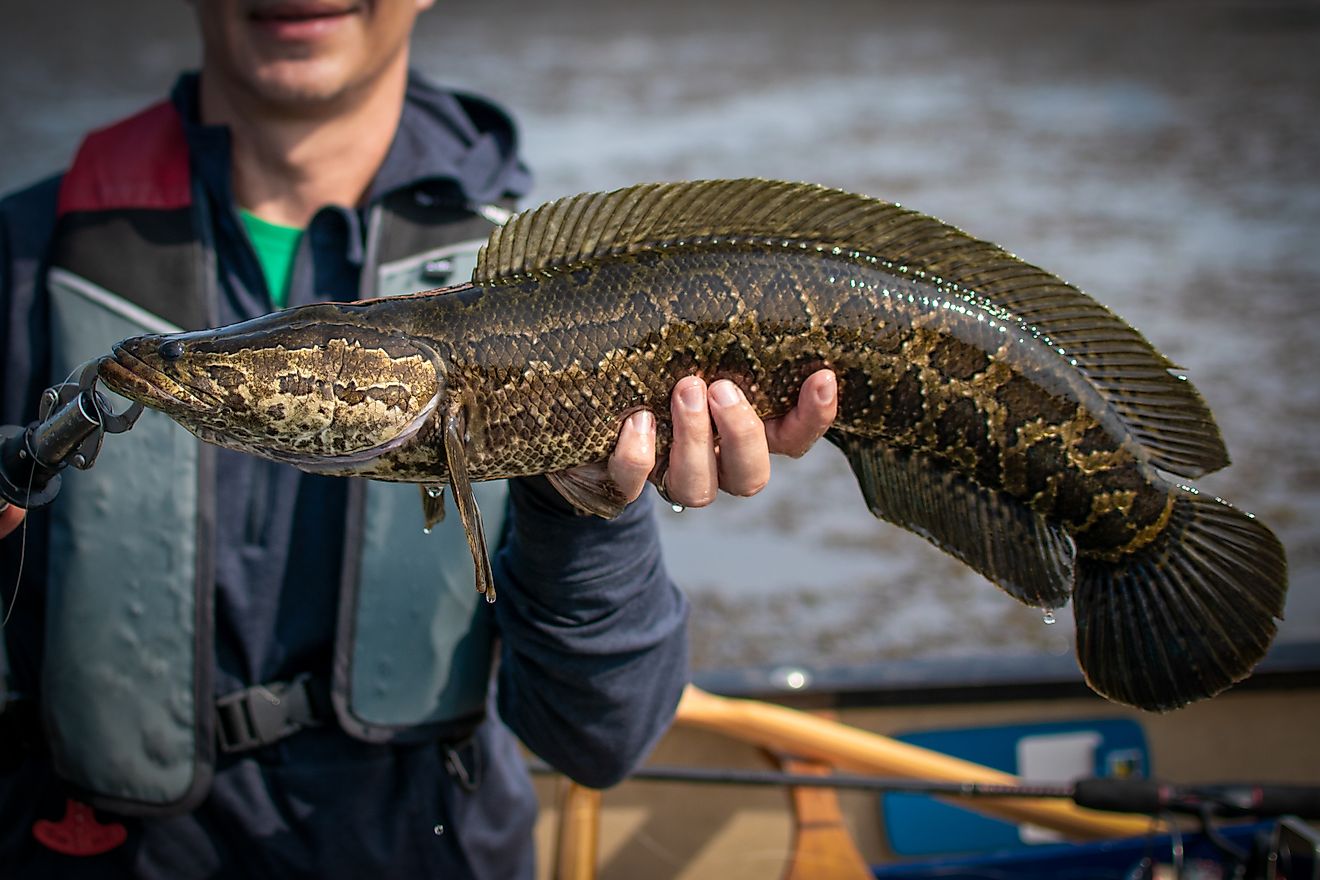
Lake Powell currently releases cold water from deep below its surface. As the reservoir falls, warmer surface water approaches the turbine intakes. Warm-water fish are also more likely to pass through Glen Canyon Dam and enter the river below it.
Smallmouth bass are a particular concern because they prey on native fish, including young humpback chub. Historically cold releases prevented the species from reproducing successfully in much of the Grand Canyon. Low reservoir levels have warmed the river and increased the risk that invasive fish will establish breeding populations downstream.
Failure of normal dam operations would also limit controlled releases used to rebuild sandbars, support aquatic habitat, and manage recreational conditions. Some ecological changes could be beneficial. Receding water would expose parts of Glen Canyon, allowing river channels, vegetation, archaeological sites, and side canyons to reappear. The recovery above the dam would occur alongside severe disruption below it.
Reservoir Recreation Would Collapse Before Dead Pool

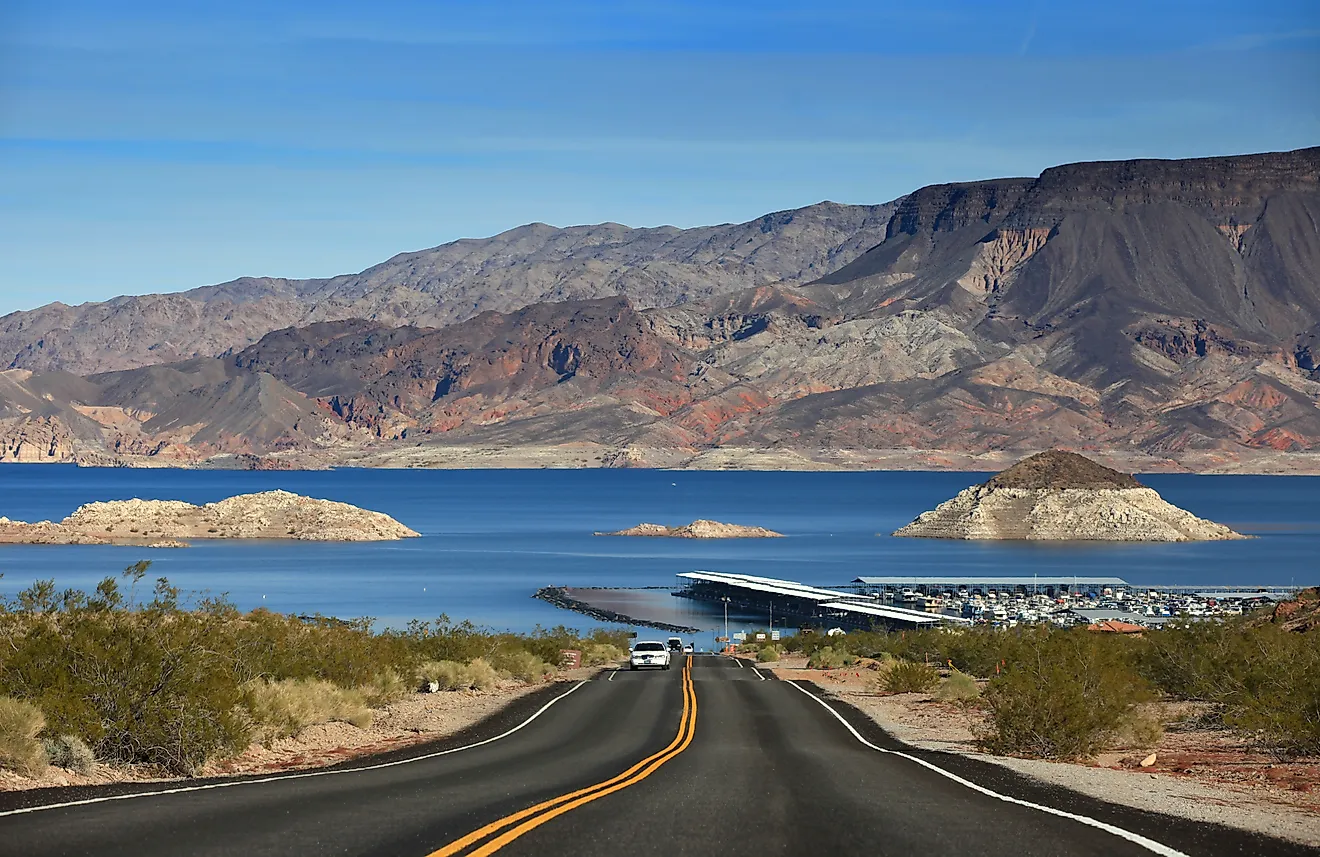
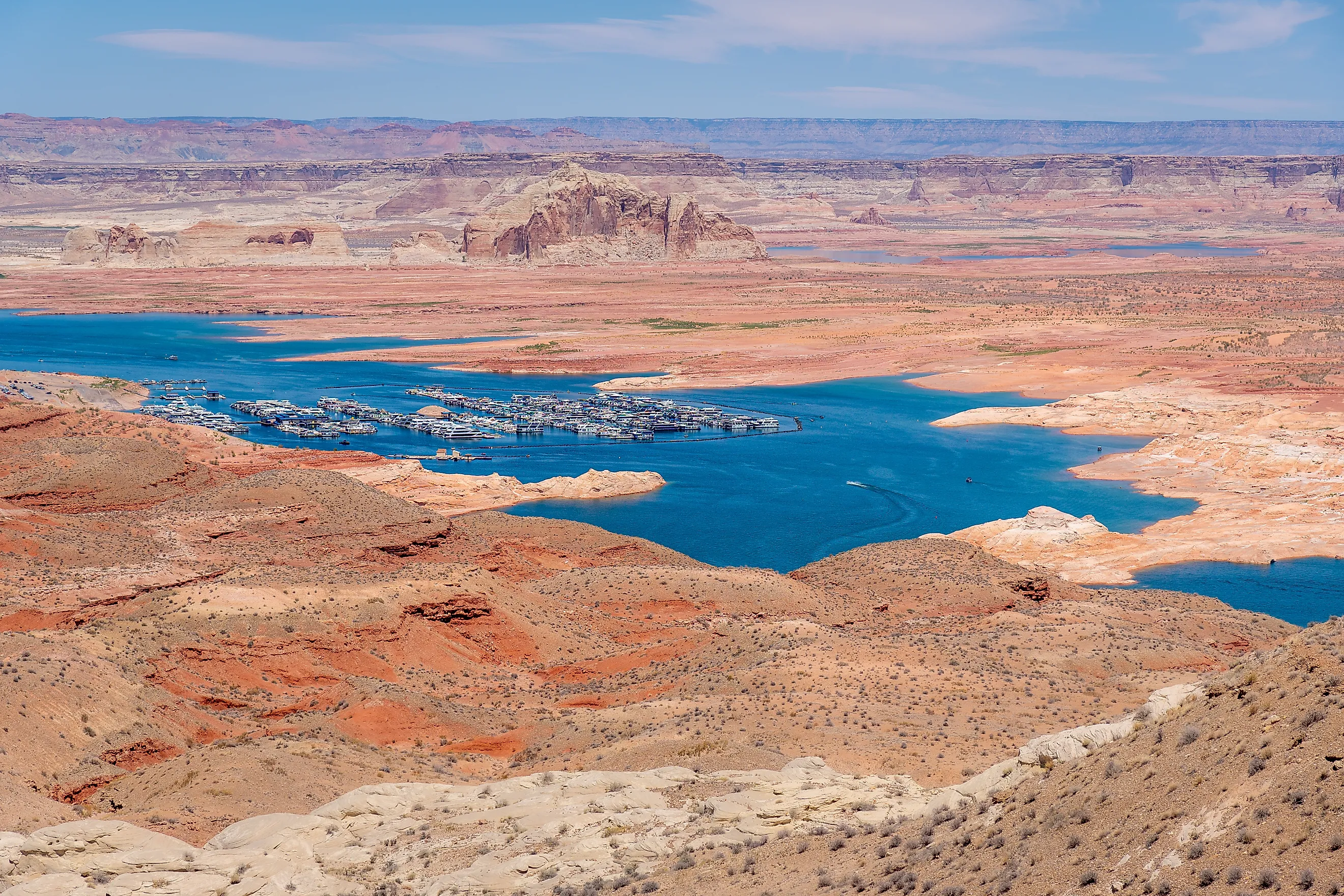
Boat ramps and marinas become unusable hundreds of feet before a reservoir reaches dead pool. Roads and utilities built for one shoreline elevation cannot follow a lake indefinitely as it retreats into narrow former river channels. Launching boats becomes difficult, submerged hazards emerge, and marina operators must repeatedly relocate expensive facilities.
Page, Arizona, and communities surrounding Lake Mead would lose spending connected with boating, fishing, rentals, lodging, and marina services. New opportunities could emerge for hiking, archaeology, and river-based recreation in exposed canyons. Those activities would not immediately replace the scale of an established reservoir tourism economy.
Major Cities Would Not Become Uninhabitable Overnight

The most populated metropolitan areas have more protection than simplified accounts often suggest. Phoenix has groundwater and Salt-Verde supplies. Southern California draws from several regional systems. Las Vegas has low-elevation infrastructure and returns most indoor water to Mead. Tucson has stored water and aquifer capacity.
The consequences would instead accumulate through higher bills, stricter landscaping rules, construction limits, agricultural losses, groundwater depletion, and expensive infrastructure projects. Some smaller communities would be more vulnerable because they have fewer wells, limited treatment capacity, and little money for new supplies.
Population could continue growing in parts of the Southwest, but development patterns would change. Water-intensive landscaping and low-density expansion would become harder to justify. New housing might depend on verified groundwater, recycled water, transfers from agriculture, or permanent demand reductions elsewhere.
Dual Failure Is Not the Current Federal Forecast

As of August 2, 2026, Lake Powell stood near 3,522 feet and contained about 23 percent of capacity. Lake Mead stood near 1,041 feet and held about 27 percent. The entire Colorado River reservoir system contained roughly 32 percent of its capacity, compared with 39 percent one year earlier.
Reclamation's July projection placed Powell near 3,508 feet and Mead near 1,037 feet at the end of 2026. Powell would remain above its 3,490-foot minimum power pool under that forecast, but the margin would be narrow. Managers reduced Powell's planned 2026 release from 7.48 million to six million acre-feet and arranged additional water from Flaming Gorge Reservoir to protect critical infrastructure.
These actions reduce immediate danger rather than resolve the underlying imbalance. The river has experienced prolonged drought, unusually low runoff, and rising temperatures that increase evaporation and water use by vegetation. Avoiding future operational failure requires consumption to remain below the amount the river can reliably produce under a warmer climate.
What Dual Failure Would Ultimately Mean

The first visible failure would be lost electricity at Glen Canyon Dam. The next would be reduced control over releases from Lake Powell. Hoover Dam would later lose hydropower, followed by the far more serious loss of water delivery once Lake Mead reached 895 feet.
The river would continue receiving snowmelt and rainfall. What would disappear is the stored reserve that allows the Southwest to survive several dry years without matching every withdrawal to that year's runoff. Agriculture would shrink, groundwater pumping would rise, electricity would become more expensive, and disputes among states would intensify.
Dead pool at both reservoirs would mark the end of the Colorado River's present operating system. Recovery would require enough inflow to lift Powell and Mead above their outlets while users left much of that water in storage. One wet winter would not be enough if the added water were immediately diverted. Restoring the system would require several favorable runoff years combined with sustained reductions in consumption.