What Happens If Navajo Reservoir Is Drained To Save Lake Powell
Nobody is proposing this, and the reason is instructive. When the Bureau of Reclamation triggered drought response releases in 2021 to support Lake Powell, three upstream reservoirs were named as possible sources: Flaming Gorge, Blue Mesa and Navajo. Across 2021 and 2022 those operations moved 624,000 acre-feet downstream, of which Flaming Gorge supplied 588,000 and Blue Mesa 36,000. That accounts for all of it. Navajo stayed on the list and off the hook, because the water in it is committed in ways the other two reservoirs are not.
What Navajo Actually Holds

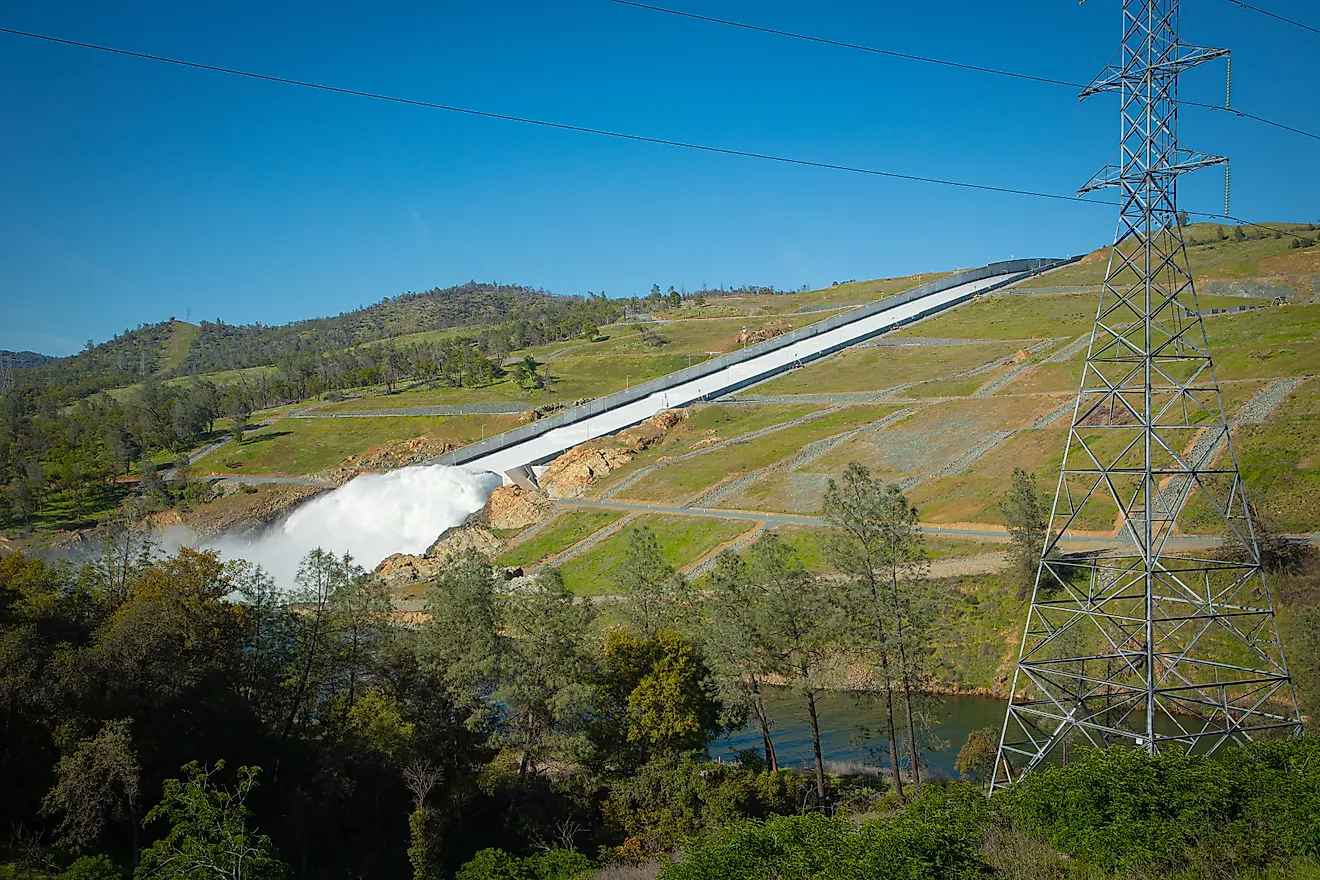
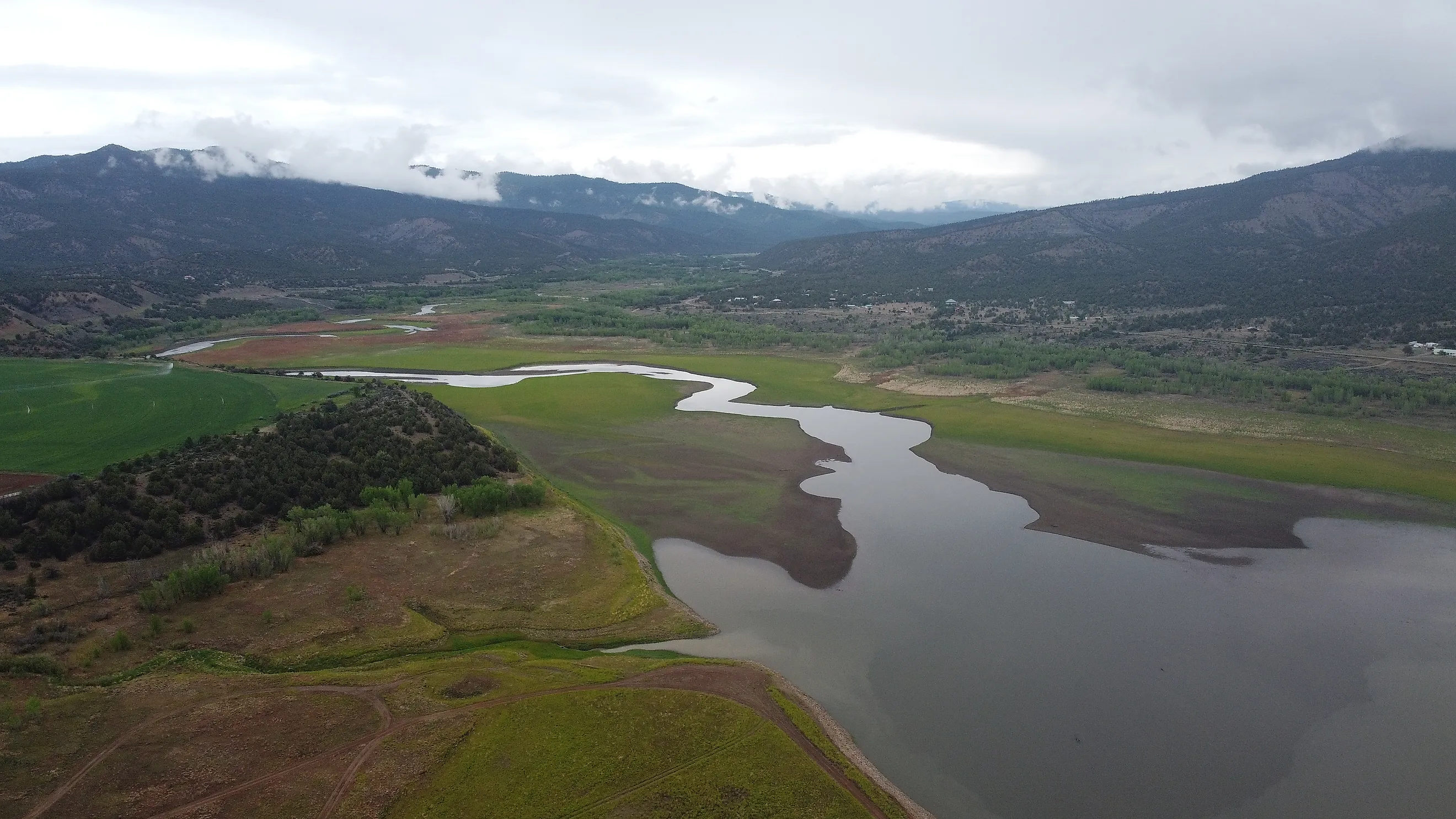
Navajo Dam sits on the San Juan River 39 miles east of Farmington, New Mexico, and the reservoir behind it is substantial without being enormous.
Total capacity runs about 1,708,600 acre-feet with an active capacity of 1,036,100, covering 15,610 acres when full and reaching 35 miles up the San Juan and 13 up the Pine River. It was built as part of the Colorado River Storage Project and completed in the early 1960s.
For comparison, Lake Powell at full pool holds over 24 million acre-feet. Emptying Navajo entirely would raise Powell by a fraction of what the system loses in a bad year.
Most Of It Belongs To Somebody Specific

This is the reason Navajo gets treated differently, and it is a question of law rather than hydrology. The single largest claim on the reservoir is the Navajo Indian Irrigation Project at 280,600 acre-feet a year. The Jicarilla Apache Nation holds rights under a 1992 settlement. Add the City of Farmington, other irrigation south of the city, and roughly 27,428 acre-feet lost annually to evaporation.
Those are settled entitlements rather than discretionary storage. Moving that water downstream would require working through rights established by settlement and statute, which is slower and more complicated than operating Flaming Gorge, and it is the practical reason the system routes around Navajo.
There Is A Fish Requirement Downstream

Navajo Dam does not simply store water. It is operated continuously to hit a flow target through a stretch of endangered species habitat downstream.
The San Juan River Basin Recovery Implementation Program recommends a target base flow between 500 and 1,000 cubic feet per second through the critical habitat reach, which runs from Farmington all the way down to Lake Powell. Reclamation adjusts releases week by week to stay inside that window.
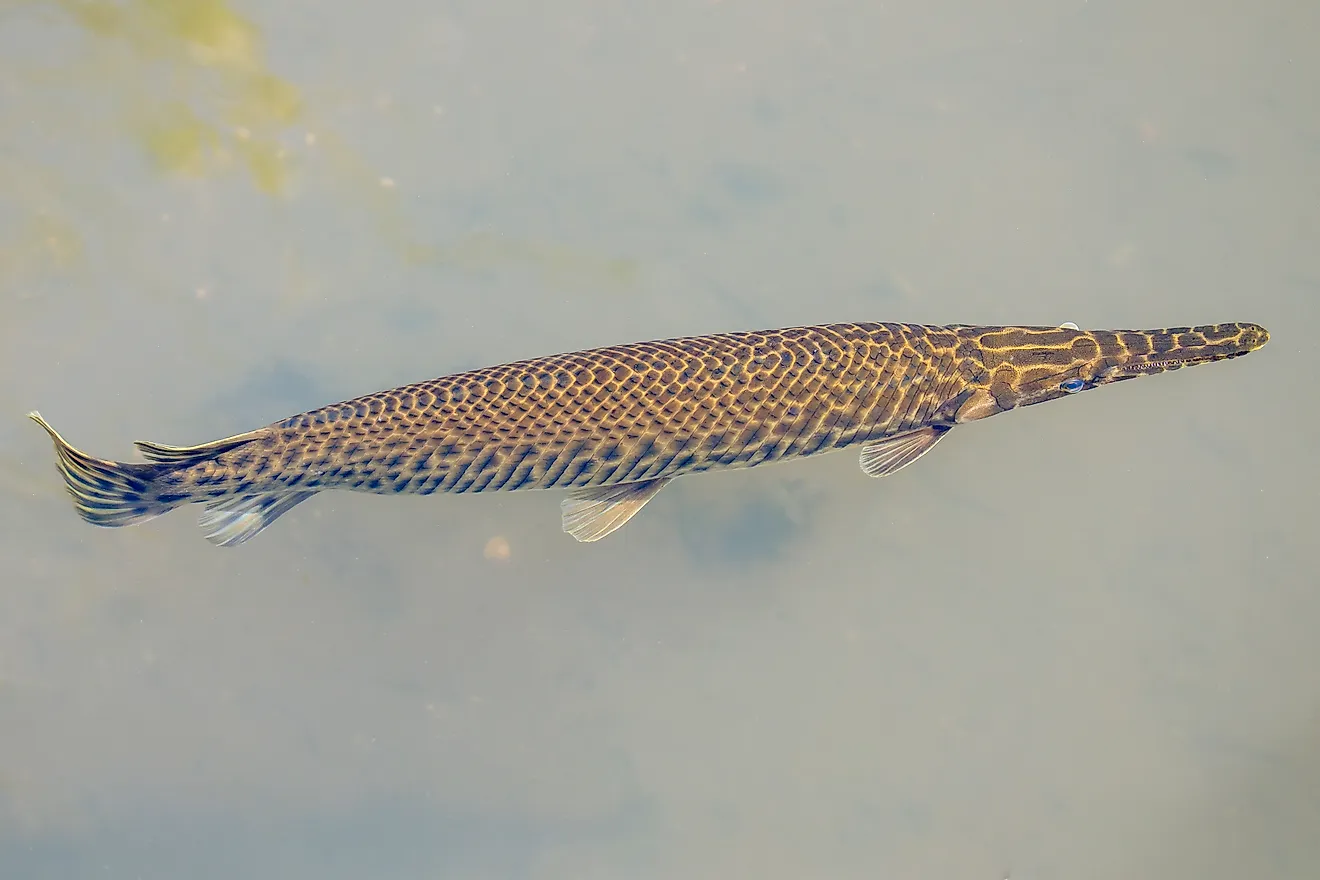
The species concerned are the Colorado pikeminnow and the razorback sucker, both endangered. The flow requirement is a standing obligation on the dam, which means any proposal to send water elsewhere has to be reconciled with it first rather than simply scheduled.
The Dam Already Mimics A Flood
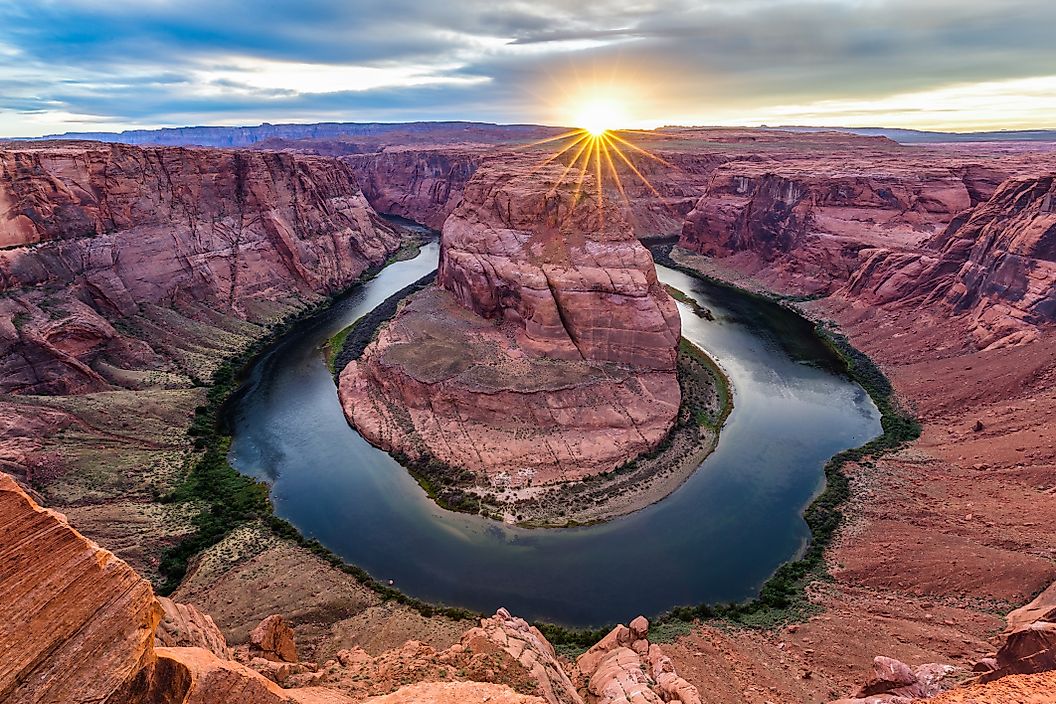
One of Navajo's jobs is to impersonate a river that was never dammed, which is more sophisticated than ordinary storage operation.
Releases are timed to mimic the natural hydrograph of the San Juan, including a spring peak that scours sandy banks and gravel beds the way snowmelt used to. In one recent June a pulse of more than 24,000 acre-feet was sent down the river over several days for exactly that purpose.
Those releases depend on having water to spare. In 2022 there was no spring peak release at Navajo, an example of how the dam already adjusts to dry years without anybody needing to drain it.
The Trout Fishery Is Seven Miles Long

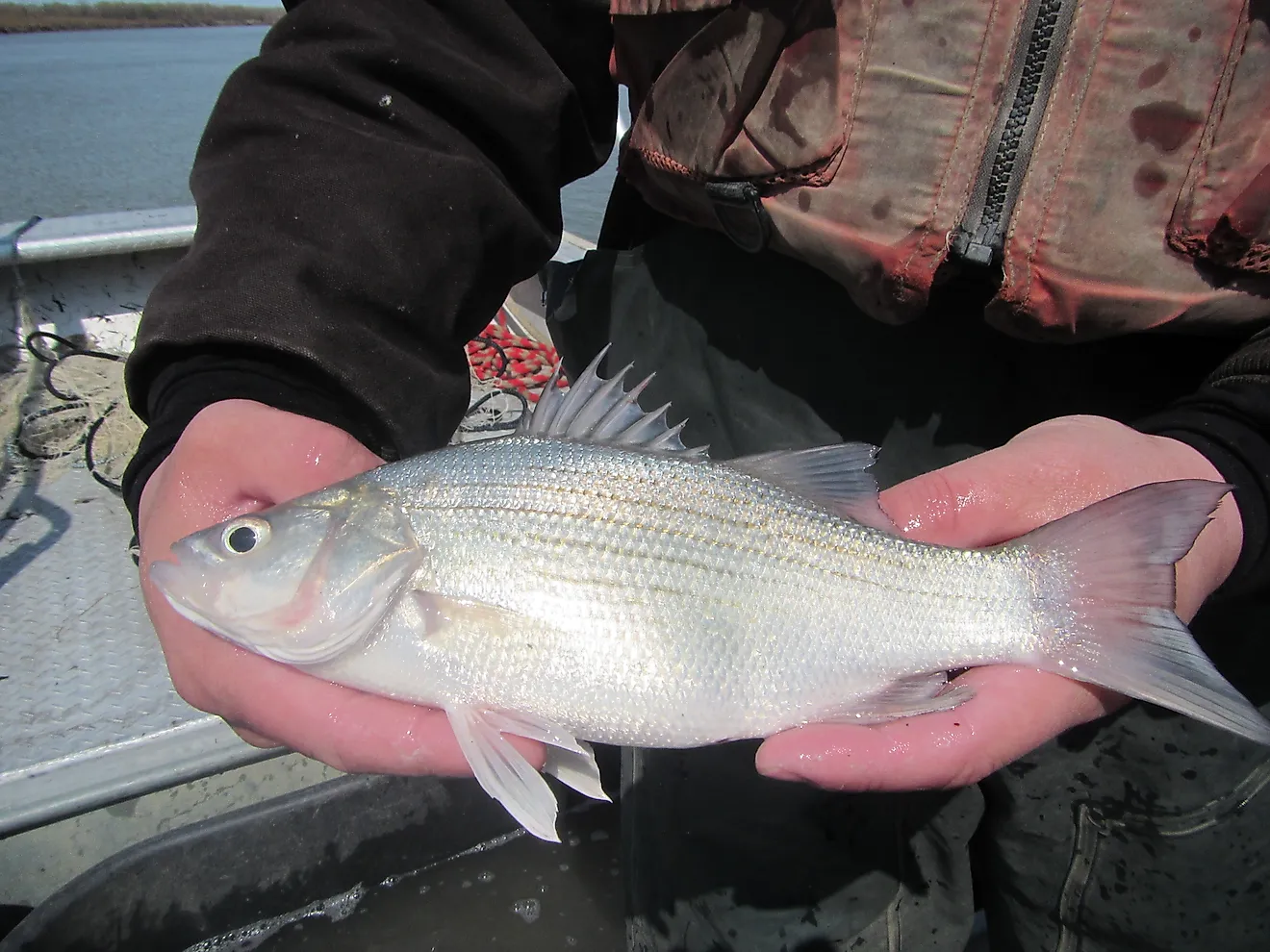
Below the dam the San Juan supports a high quality trout fishery for about seven miles, with good fishing continuing well beyond that.
Like the fishery at Lees Ferry below Glen Canyon Dam, it exists entirely because of the dam, which releases cold water from deep in the reservoir into a river that would otherwise be too warm. Lower the reservoir far enough and the releases warm up.
It is a regional economy rather than a national one, and it is the kind of thing that changes quietly when release temperatures do. Worth noting rather than worrying about, since the reservoir is nowhere near the elevations involved.
Flaming Gorge Did Ninety-Four Percent Of It

The division of labor across the 2021 and 2022 emergency releases tells you which reservoir the system actually leans on.
Flaming Gorge supplied 588,000 acre-feet of the 624,000 total, which is 94 percent. Blue Mesa supplied the remaining 36,000. Both were expected to recover those volumes in full by the end of April 2024, which is the detail that gets lost in most coverage: these were short-term transfers between federal reservoirs, not permanent losses.
Flaming Gorge is simply bigger, further from senior tribal claims, and has fewer downstream obligations written into its operating rules. When the basin needs water in a hurry, that is where it goes.
The Arithmetic Does Not Favor It Anyway

Even setting the legal complications aside, Navajo is not a solution to Lake Powell's problem. Powell has been falling by tens of feet a year and needs millions of acre-feet to recover meaningfully. Navajo's entire active capacity is roughly one million acre-feet, and most of that is committed before anybody considers sending it downstream.
A reservoir can be drained once. The deficit arrives every year, which is the recurring problem with every proposal of this shape.
It Would Also Be Draining Into The Problem
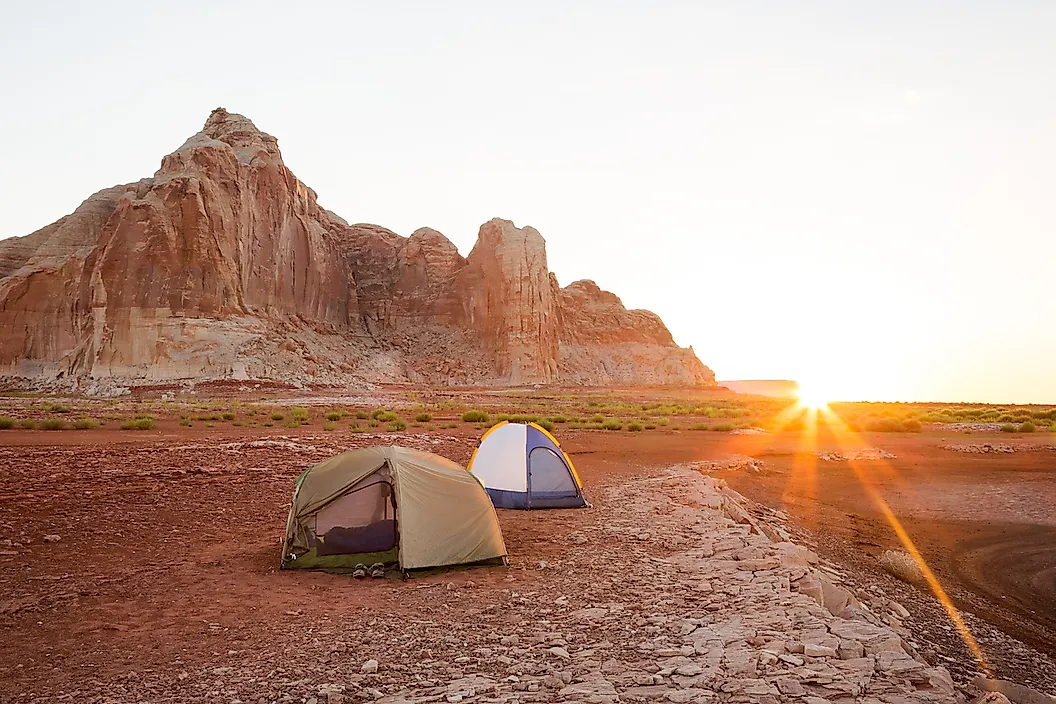
There is a further wrinkle specific to the San Juan, and it concerns where the river ends. The San Juan flows directly into Lake Powell, and one of the documented impacts of the reservoir on the river has been the loss of riverine habitat to Powell itself, including habitat for the same endangered fish the dam releases are meant to protect.
So water moved from Navajo toward Powell does not leave the San Juan system so much as shift the boundary between river and reservoir. That is a reason the exchange delivers less than it first appears to, which is an argument about efficiency rather than alarm.
What Has Actually Been Happening

Rather than draining Navajo, the trend in New Mexico has been running in the opposite direction.
The Jicarilla Apache Nation is leasing up to 20,000 acre-feet a year to New Mexico's Strategic Water Reserve, a state program that functions like a savings account for water rights. That water is being used to put flows back into the San Juan rather than send them downstream.
It is a tribal nation choosing to lease water for river health, which is close to the opposite of the scenario in the headline.
The Short Answer

Draining Navajo Reservoir would mean reallocating water committed to the Navajo Indian Irrigation Project and the Jicarilla Apache Nation, reworking flow requirements that protect two endangered fish species, altering a seven-mile trout fishery, and raising Lake Powell by an amount the basin's annual deficit would absorb inside a year.
Which is presumably why, when Reclamation listed three reservoirs that could be tapped in an emergency, it took 94 percent of the water from the one in Wyoming and left Navajo almost untouched. The option exists on paper. It has already been declined in practice.