What Happens If Lake Powell Drops Below Its Power Intakes
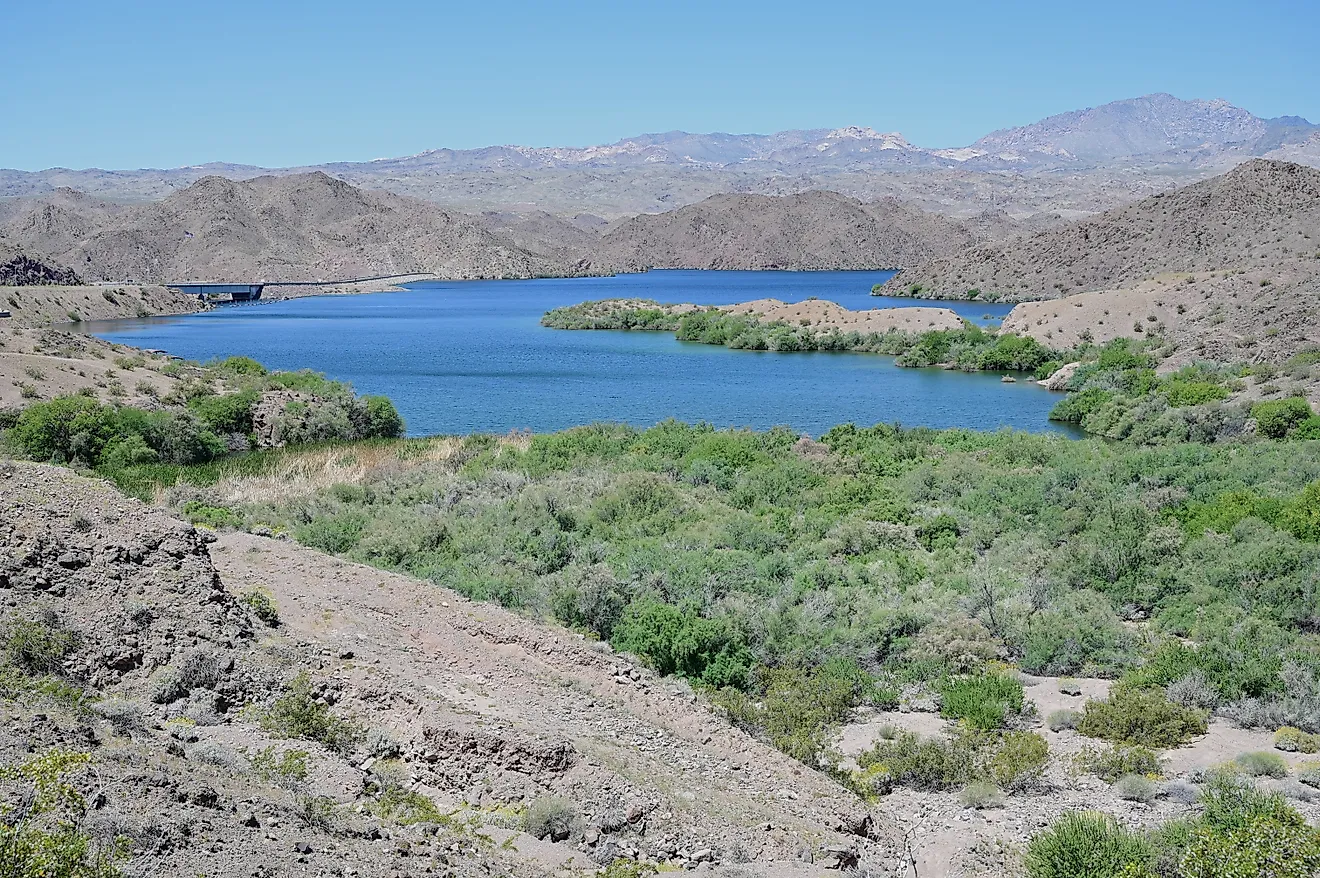
Lake Powell does not have to run dry before Glen Canyon Dam stops working the way it was built to. The reservoir holds millions of acre-feet, yet a single elevation, 3,490 feet above sea level, marks the point where the dam's most valuable function quietly switches off. Cross that line and the Colorado River keeps flowing, but the way water reaches it, who pays for the trip, and what lives downstream all begin to change. That threshold sits a full 120 feet above the level people usually worry about, which makes it the first real trouble the reservoir would hit, and the least understood. Here is what happens once Lake Powell slips beneath it.
Glen Canyon Dam Would Stop Producing Hydroelectricity

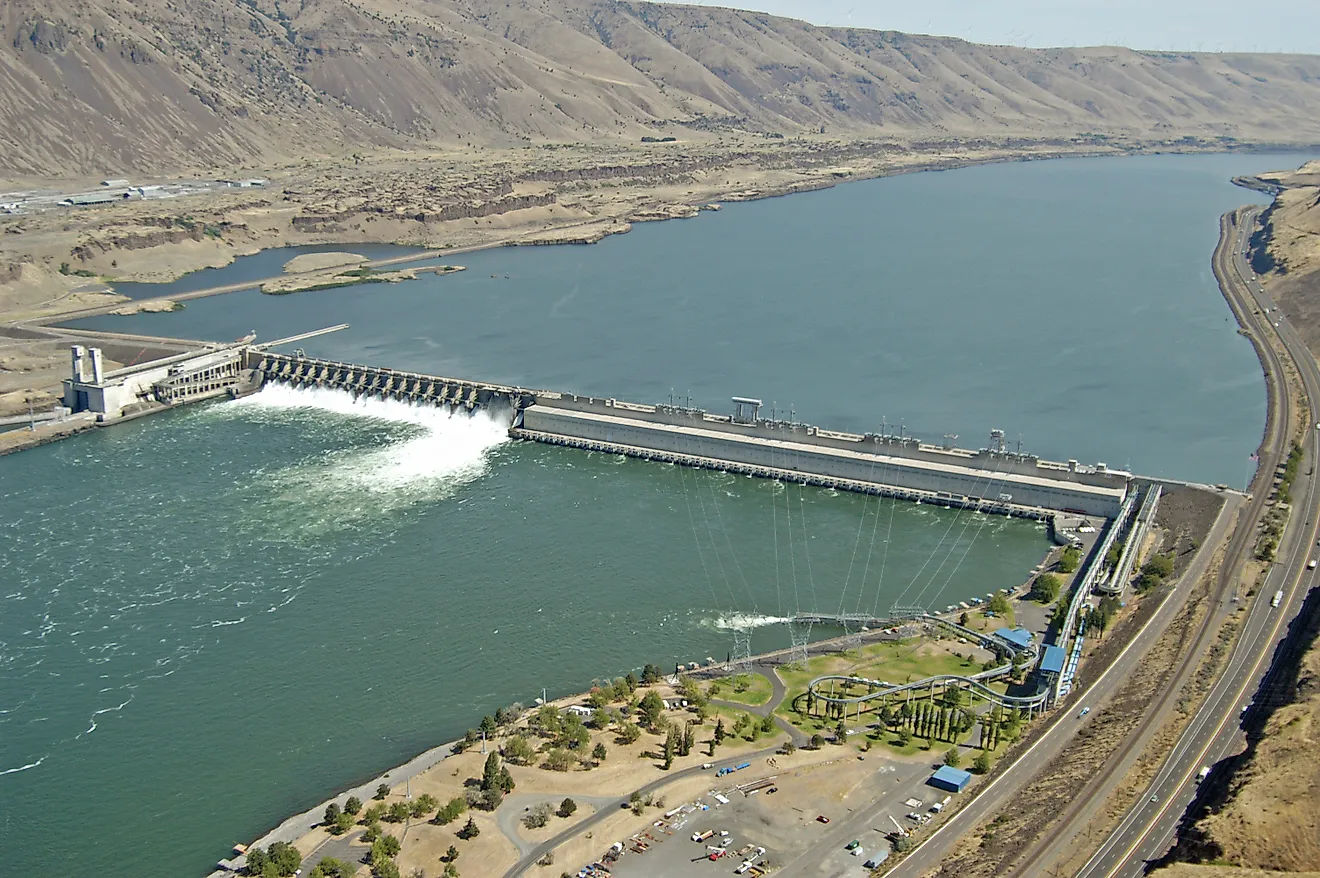
Cross Lake Powell's 3,490-foot minimum power pool and one of the Colorado River's biggest pieces of machinery falls silent. Glen Canyon Powerplant has eight generating units with 1,320 megawatts of installed capacity, and the Bureau of Reclamation says it has historically produced about 5 billion kilowatt-hours in an average year. The drop would not stop the Colorado River itself, but water could no longer reach the turbines through the powerplant penstocks, so every release would bypass electricity generation. That matters because hydropower is unusually flexible: operators can raise or lower output quickly as demand changes, which makes the plant useful for balancing the western grid as well as supplying energy. The loss would also arrive before the reservoir was empty. Lake Powell's dead-pool elevation is about 3,370 feet, a full 120 feet lower, so the first dramatic threshold is an energy one. The river would still emerge below the dam, but its trip through Glen Canyon would no longer turn a single turbine.
Four Lower Outlet Pipes Would Carry Every Release

Below minimum power pool, the dam's four river outlet pipes are the only route for controlled releases. Each is 96 inches in diameter and sits far below the turbine intakes. Reclamation's low-reservoir engineering analysis gives the four outlets a combined capacity of about 15,000 cubic feet per second near full pool, with less capacity available as the reservoir drops. An annual release of 8.23 million acre-feet, equivalent to a continuous 11,368 cubic feet per second, could theoretically be maintained to roughly 3,440 feet if all four outlets were operating.
The maintenance picture makes that backup system much more interesting. A 2024 Reclamation review warns that sustained sole reliance on the outlets raises concerns about cavitation, hollow-jet valve wear, conduit-lining repairs, trash-rack blockage, and sediment shifting around the powerplant tailrace. Taking one conduit offline would immediately cut release capacity. The four tubes make an impressive emergency route, but Reclamation specifically recommends against relying on them indefinitely as the dam's only means of sustained release.
Moving Stored Water Downstream Would Become Harder

Lake Powell is more than a reservoir framed by red cliffs. Reclamation describes its storage as a water bank that can be drawn upon during dry periods. With the powerplant operating, managers can route large volumes through eight turbines and supplement them with the lower outlets. Below 3,490 feet, every controlled release toward Glen Canyon, Grand Canyon, and ultimately Lake Mead must pass through four outlet conduits instead.
The operating margin narrows with every additional foot of decline. Reclamation's low-water guidance flags about 3,394 feet because the reservoir would then stand only around 20 feet above the centerline of the river-outlet intakes. Lower water reduces the pressure available to drive releases and raises concern about damaging hydraulic conditions. The important distinction is that downstream deliveries do not suddenly vanish at 3,490 feet. Instead, operators run out of alternative routes for moving water safely and efficiently.
At roughly 3,370 feet comes dead pool, listed by Reclamation as the top of dead storage. Powell could no longer be drawn down normally through the outlet works, leaving downstream flow much more dependent on incoming water. The 120-foot descent between these thresholds is therefore a steadily narrowing operating corridor rather than one single point of failure.
Replacement Power Could Raise The Financial Stakes

A powerless Glen Canyon would change the economics of Colorado River electricity. The Western Area Power Administration markets Colorado River Storage Project power to public utilities, cooperatives, tribes, irrigation districts, municipalities, and other preference customers across the West. If Glen Canyon's 1,320 megawatts of installed capacity became unavailable, the missing energy would have to be absorbed through other generation, reduced allocations, market purchases, or some combination of those options. Replacement electricity can cost more than federal hydropower, particularly when regional demand is high. There is a second financial connection at the dam: hydropower revenues feed the Upper Colorado River Basin Fund, which pays project operation and maintenance costs and has historically supported salinity control, adaptive management, and endangered-fish work. Funding arrangements have shifted in recent years, with major environmental programs receiving appropriated money rather than relying solely on power revenue, but shutting Glen Canyon's generators would still remove a major revenue-producing asset while increasing the need to obtain electricity elsewhere.
Grand Canyon Flows And Fish Habitat Would Shift

The change would be visible far downstream on the Grand Canyon's beaches and sandbars. U.S. Geological Survey scientists study high-flow experiments from Glen Canyon Dam that move stored sand onto river margins, building campsites, habitat, and deposits that help protect archaeological and cultural resources. These experiments typically release between 31,500 and 45,000 cubic feet per second. During the 2008 experiment, flows peaked near 41,000 cubic feet per second for roughly 60 hours, with near-capacity powerplant releases supplemented by the lower outlet works. Below power pool, the outlets alone could not approach that scale because their combined capacity is only about 15,000 cubic feet per second near full pool.
Water temperature is the other measurable change. USGS found that low reservoir levels let warmer water and smallmouth bass pass through Glen Canyon Dam in 2022, leading to the first documented reproduction of the invasive fish below the dam. Reclamation has since released colder water drawn from deep in the reservoir when temperatures favor bass spawning, because smallmouth bass threaten the native humpback chub. If the turbines became unavailable, every release would originate at those deeper outlets, changing the thermal mix again while eliminating the powerplant flows used to create the Grand Canyon's largest experimental floods.
One Reservoir, A Ladder Of Thresholds
The 3,490-foot line is not the moment Lake Powell fails; it is the moment the dam's role narrows. Above it, operators run eight turbines that both earn revenue and offer a wide, flexible channel for moving water. Below it, every release funnels into four aging pipes that Reclamation says were never meant to carry the load alone, electricity revenue disappears, and each additional foot of decline tightens the hydraulics until dead pool at 3,370 feet leaves downstream flow dependent on whatever the Colorado brings in. The distance between those two elevations marks the difference between a managed water bank and a canyon reach operators can no longer control.