The Western Cities With No Backup Water Source
The cities everyone worries about are not the ones in trouble. Phoenix, Las Vegas, San Diego and Los Angeles get named in every Colorado River story, and all of them have spent the past forty years building redundancy specifically so that a bad year on one source does not become a crisis. A former Phoenix water director put it bluntly: the city can survive dead pool for generations. The places with genuinely no backup are small, sit directly on a reservoir, and almost never appear in the coverage. One of them has about 7,500 residents and draws its entire municipal supply from Lake Powell.
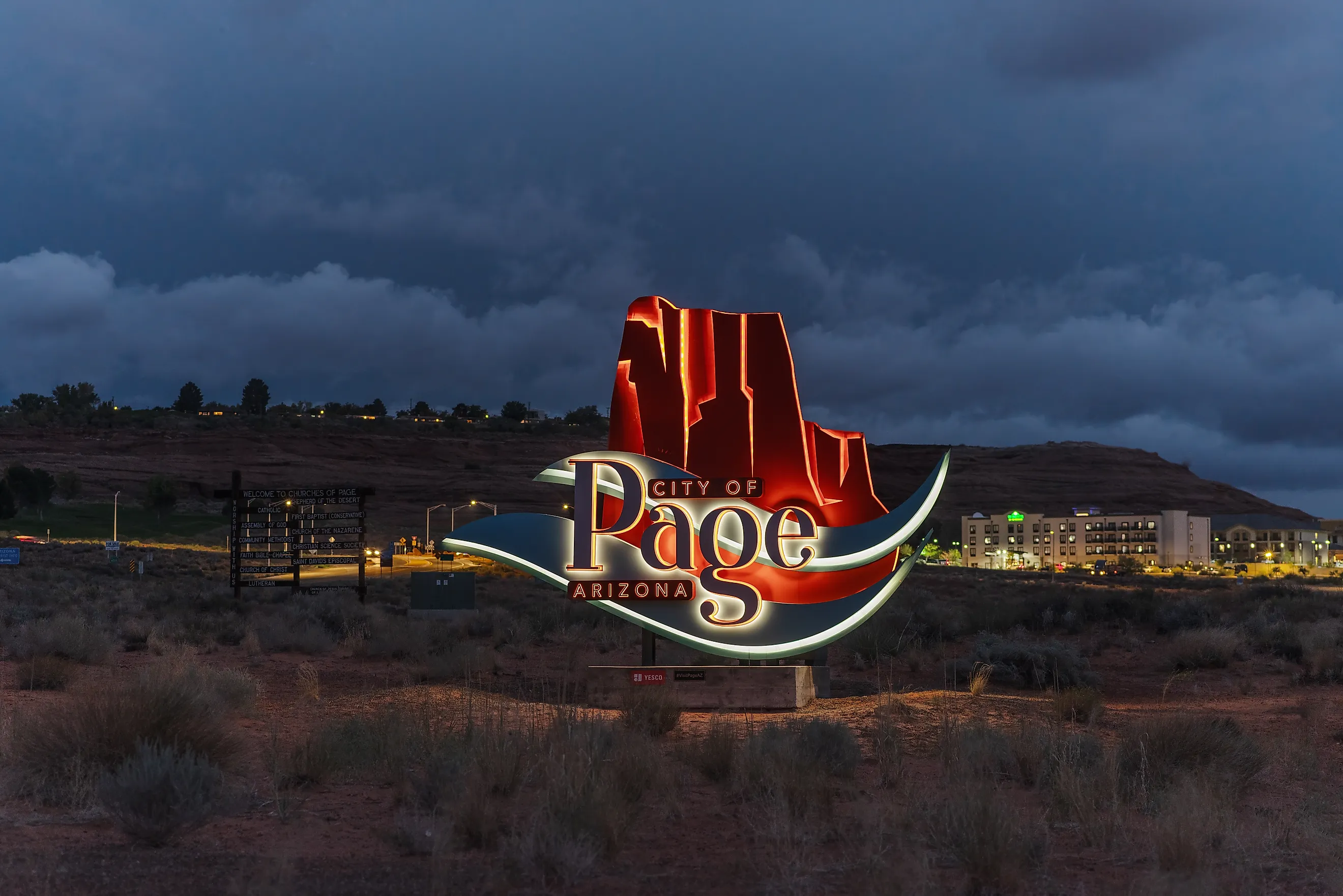
Page, Arizona

Page exists because of Glen Canyon Dam. It was built in the 1950s to house the construction workforce, it sits on a mesa directly above Lake Powell, and it takes its municipal water straight out of the reservoir.
That is the entire supply. Analysts have been direct that the town could lose its municipal water if Lake Powell drops too far, which is a sentence that applies to almost nowhere else in the Southwest. Page is one of very few communities that draws straight from Powell rather than through a project or a canal hundreds of miles downstream.
It is also the clearest illustration of the difference between proximity and security. The town with the best view of the reservoir has the least protection from it.
Boulder City, Nevada

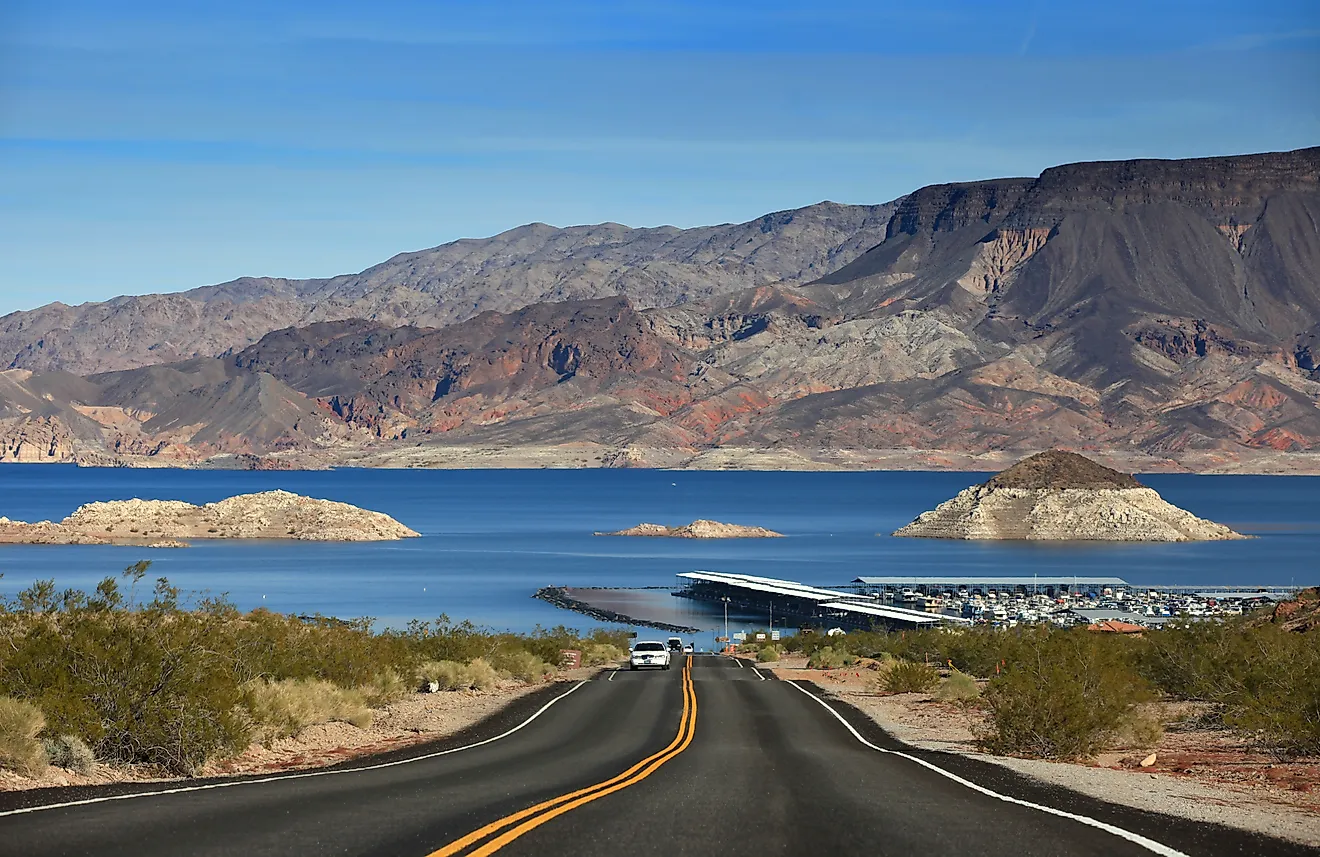
Boulder City was built to house the workers who put up Hoover Dam, which makes it the Lake Mead version of Page, and its position is similar in an instructive way.
It draws from Lake Mead and, unusually, it is the only Southern Nevada user of the reservoir that does not send treated water back. Without that return infrastructure the city earns no return-flow credits, which is the mechanism by which the rest of Southern Nevada effectively stretches its allocation.
Some of its reclaimed water currently goes to dust control at solar facilities and a quarry. Congress granted close to a million dollars as a first step toward building the infrastructure to return water to the lake, and a feasibility study has been slow to start.
Why Phoenix Is Fine
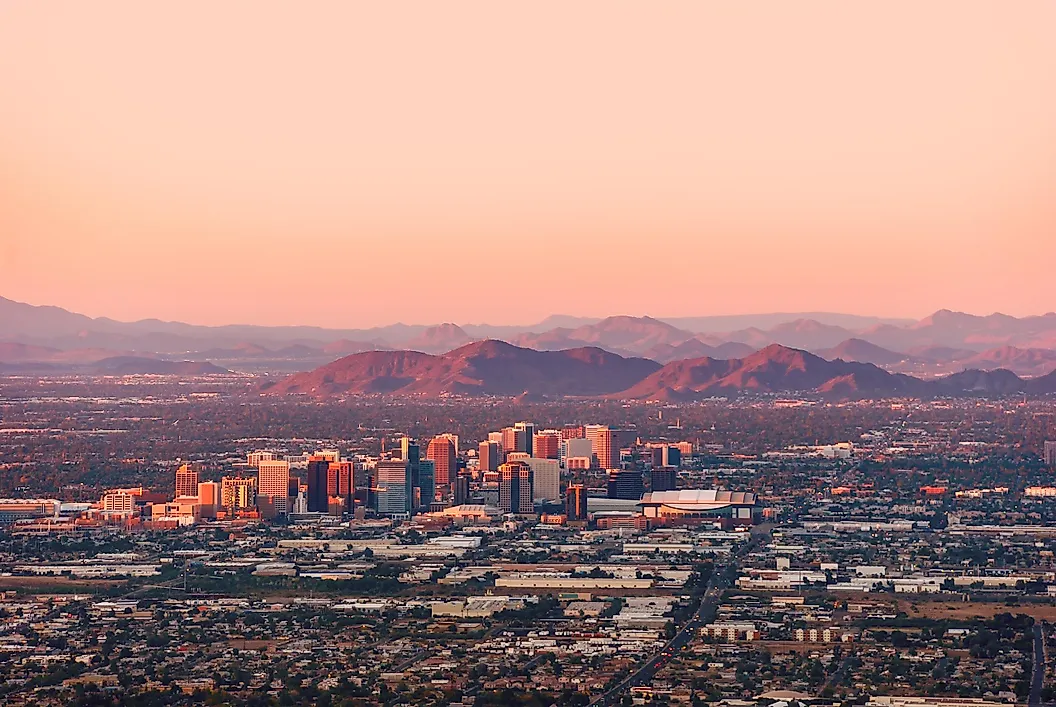
Phoenix is the city most often described as doomed, and it holds four separate supplies. The Salt River Project delivers water from the Salt and Verde rivers, which are entirely separate from the Colorado. The Central Arizona Project brings Colorado River water across 336 miles. The city holds substantial banked groundwater, stored underground deliberately over decades. And it runs reclaimed water programs on top of that.
Colorado River water makes up about 36 percent of Arizona's total supply, behind groundwater at 41 percent. A city losing a third of its water would have a severe problem. It would not have an existential one.
San Diego Rebuilt Itself On Purpose

San Diego is the best example in the West of a city that identified a single-source problem and then spent thirty years fixing it. During the drought of the 1980s the region drew roughly 95 percent of its water from one supplier, the Metropolitan Water District, delivered along the Colorado River Aqueduct. That is about as exposed as a major city can be.
Today its largest single source is a transfer of conserved agricultural water from the Imperial Irrigation District, at around 55 percent of supply, and Colorado River water through MWD has fallen to roughly 11 percent. Add the Carlsbad desalination plant and recycling programs and the city that was most dependent became one of the least.
Las Vegas Uses The Same Water Twice
Las Vegas takes about 90 percent of its water from Lake Mead, which sounds like the textbook single-source dependency. The arrangement underneath is more clever than that.
Roughly 40 percent of Southern Nevada's supply goes to indoor use, and almost all of that wastewater is treated and returned to Lake Mead, earning return-flow credits that let the region withdraw more than its paper allocation. The water is effectively used, cleaned and used again.
On top of that sit the Third Straw and the Low Lake Level Pumping Station, which together let the city keep drawing at elevations below the point where Hoover Dam stops releasing water downstream. Vegas is heavily dependent on one reservoir and has engineered that dependency about as thoroughly as money allows.
Tucson Did It The Other Way
Tucson is worth a mention because it solved the same problem with a different instrument and almost nobody noticed.
The city receives Colorado River water through the Central Arizona Project and, rather than using it directly, spent years recharging much of it into the aquifer beneath the city and then pumping it back out as needed. The reservoir, in effect, is underground and does not evaporate.
It is a slower and less visible approach than a desalination plant, and it leaves the city with a stored buffer that no upstream decision can take away.
What Redundancy Actually Means
The useful distinction is not how many sources a city can name but whether those sources fail together. Two Colorado River entitlements are not redundancy, because one drought takes both. A Colorado River entitlement plus a separate watershed is redundancy, which is why Phoenix's Salt and Verde rivers matter so much and why Denver's split between the Colorado and the South Platte is more valuable than its size suggests.
Banked groundwater is the other real buffer, because it is physically stored, already paid for and does not depend on this year's snowpack. Cities that spent the wet years putting water underground are in a materially different position from those that spent them growing.
Why The Small Towns Got Left Out

Redundancy is expensive, and that is the whole explanation. San Diego's transformation involved a multi-decade agricultural transfer agreement and a desalination plant. Las Vegas spent well over a billion dollars on an intake tunnel and a pumping station. Phoenix banked groundwater across decades using infrastructure built for the purpose.
A town of 7,500 people cannot run that playbook. It has no ratepayer base to fund a second source, no political weight in interstate negotiations, and in many cases nowhere else to physically get water from. The cities that could afford insurance bought it.
The Honest List

Western cities with genuinely no backup water source are mostly small, mostly sit within sight of a reservoir, and mostly depend on a single intake. Page and Boulder City are the clearest cases, both of them built as dam construction towns and both still tied to the structure that created them.
The large cities named in every drought headline are, by and large, the ones that took the problem seriously earliest. Which produces a conclusion that runs against the usual framing: the water risk in the American West is concentrated in places too small to generate a headline, and the places that generate the headlines have already bought their way out.