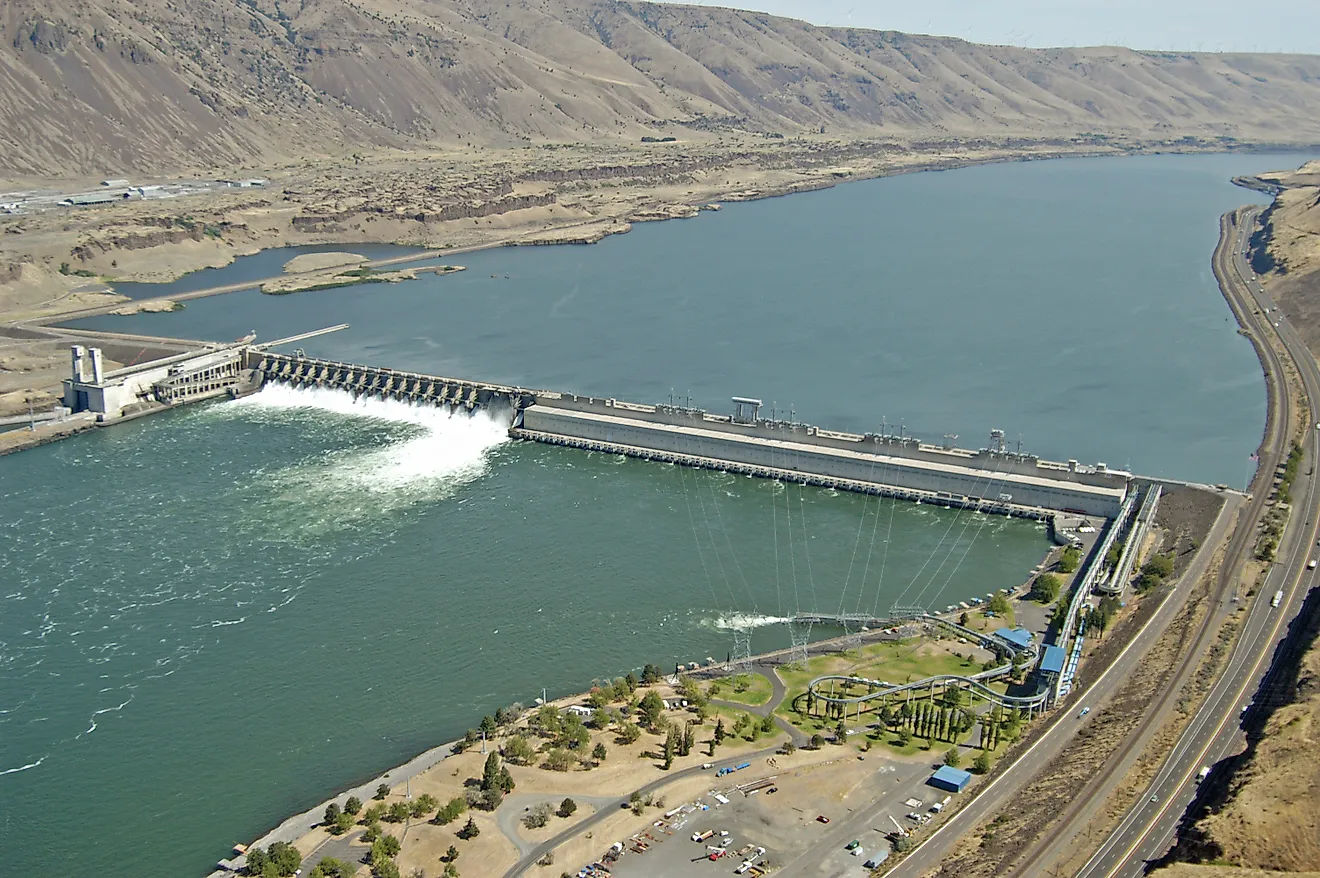
The Warmest Swimming Lakes in the United States
Across the lower 48 states, several lakes routinely achieve water temperatures that would make an ocean swimmer jealous. While coastal waters rarely exceed the mid-70s Fahrenheit, certain inland lakes transform into genuine thermal baths each summer, with surface temperatures climbing into the upper 80s and occasionally breaking 90°F (32°C).
These warm-water havens extend swimming seasons well beyond what's typical at higher latitudes, support unique ecosystems adapted to thermal conditions, and attract millions of visitors annually. The lakes featured here were chosen based on data from monitoring stations, area reports, and historical temperature records. So read on to learn where lake swimmers can enjoy a bathtub-like experience in the United States!
Lake Havasu, Arizona/California

Lake Havasu stakes its claim among America's hottest swimmable waters, a massive reservoir where the Colorado River backs up behind Parker Dam along the Arizona-California state line. Throughout peak summer, this 19,300-acre lake delivers water temperatures ranging from the mid-80s to low 90s, with July and August averages firmly planted around 88°F (31°C) to 92°F (33°C). During extreme heat waves, the thermometer has climbed past 93°F, creating conditions more reminiscent of a spa than a natural lake.
Multiple geographical factors conspire to create this thermal extreme. The reservoir sits barely 450 feet above sea level in one of the continent's most scorching landscapes, where triple-digit air temperatures are the norm from June through September. Lake Havasu's moderate depth means solar energy warms the entire water mass rather than just a thin surface layer. Desert rocks ringing the shoreline absorb and radiate additional heat, while the near-total absence of shade maximizes exposure to the Mojave sun. Spring arrives early here, with water reaching comfortable swimming temperatures by April, and warmth lingers through Halloween.

The city of Lake Havasu has embraced its aquatic sauna, building a recreation economy around water that requires no wetsuit. The relocated London Bridge (yes, the actual 19th-century Thames crossing, transported stone by stone in the early 1970s) now arches over Colorado River water hot enough for unlimited swimming. Summer weekends bring armadas of ski boats, personal watercraft, and cruisers to the coves and beaches. The only real limitation becomes the sun exposure in the punishing desert climate surrounding this liquid oasis.
Lake Austin, Texas

Austin's home lake delivers a surprise for those expecting cold Texas Hill Country spring-fed water. This slender 21-mile reservoir winding through the capital city's western neighborhoods produces summer temperatures that challenge the hottest desert lakes, averaging 89°F (31°C) to 90°F (32°C) during peak season and occasionally spiking to 93°F (nearly 34°C). These readings put Lake Austin in elite company among natural warm-water bodies nationwide.
The lake's heat becomes even more remarkable considering its urban setting. This isn't some remote reservoir in unpopulated badlands - it flows right through suburban Austin! The warmth originates from the lake's physical dimensions: depths rarely exceed 50 feet, allowing complete heating of the water column, while the Texas climate delivers weeks of cloudless 95°F-plus days with relentless sun. Lake Austin receives its inflow from Lake Travis immediately upstream, but by midsummer, that water has already cooked under the Texas sky, arriving pre-heated rather than providing cooling relief.
Temperature variations from surface to bottom remain minimal, giving swimmers consistently warm conditions at any depth. The lake serves as an urban water sports playground, with wakeboarding, paddleboarding, and water skiing happening in conditions that feel more Caribbean than Central Texas. Waterfront parks and restaurants capitalize on the extended swimming season running from May deep into fall, when most northern lakes have already turned frigid.
Patagonia Lake, Arizona

Arizona's grassland country holds an unexpected warm-water gem at an elevation of 3,786 feet. Patagonia Lake, a compact 265-acre state park reservoir south of Tucson, routinely achieves summer temperatures between 86°F (30°C) and 90°F (32°C), with the hottest days pushing 93°F (nearly 34°C). This performance seems impossible for an elevation typically associated with cooler mountain conditions, yet the lake delivers reliable bathtub warmth throughout the summer.
The secret lies in depth - or rather, the lack thereof. At maximum, Patagonia Lake reaches only 120 feet down, and most areas run considerably shallower. Solar radiation penetrates completely through this modest water column, heating the lake from top to bottom. The surrounding open grasslands provide virtually no shade while reflecting additional sunlight onto the water surface. Although elevation moderates the most extreme temperatures found in low-desert locations, the area still bakes under sunshine more than 300 days yearly.

The swimming season stretches from late April through October, far longer than typical mountain lakes permit. Anglers appreciate casting lines into water that won't cause hypothermia during an accidental swim, while the combination of warmth, scenery, and facilities makes this a hidden treasure for swimmers.
Lake Mead, Nevada/Arizona

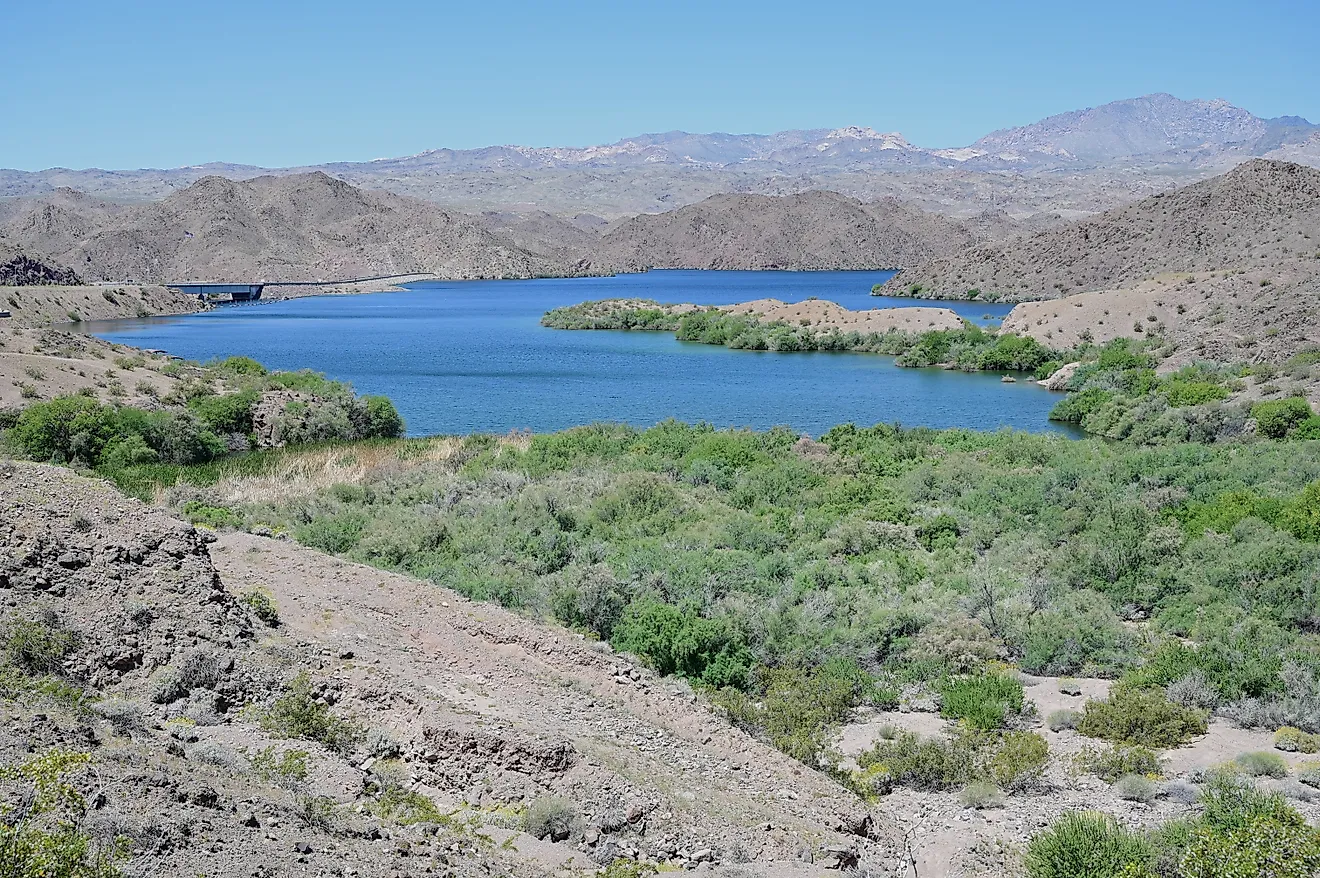
The Colorado River's largest reservoir sprawls across 247 square miles of the Mojave Desert basin behind the Hoover Dam, and while its massive size might suggest temperature moderation, summer conditions tell a different story. Lake Mead's surface water averages around 82°F (28°C) during peak season, with protected coves and shallow bays climbing to 85°F (29°C) to 88°F (31°C) by late July and August. Though cooler than the most extreme warm-water lakes, Mead still provides genuinely comfortable swimming without the shock factor.
This enormous reservoir shows dramatic temperature variation by location. Shallow areas along exposed southern shores heat most intensely under the desert sun, while the lake's deepest sections maintain much colder temperatures in their depths. The surface layer, however, warms efficiently despite the depth below, benefiting from summer air temperatures that regularly exceed 105°F and humidity levels that barely register. The desert environment provides virtually no cooling influence; instead, the surrounding landscape radiates stored heat day and night.

Swimming season runs from early spring through late fall, with summer seeing the heaviest use despite the heat. Numerous beaches and coves provide swimming areas where water temperature permits hours-long immersion. Unfortunately, drought has dramatically shrunk the reservoir since 2000, exposing vast white mineral bands on canyon walls and reducing accessible swimming areas, but the remaining water maintains its characteristic warmth.
Lake Powell, Utah/Arizona

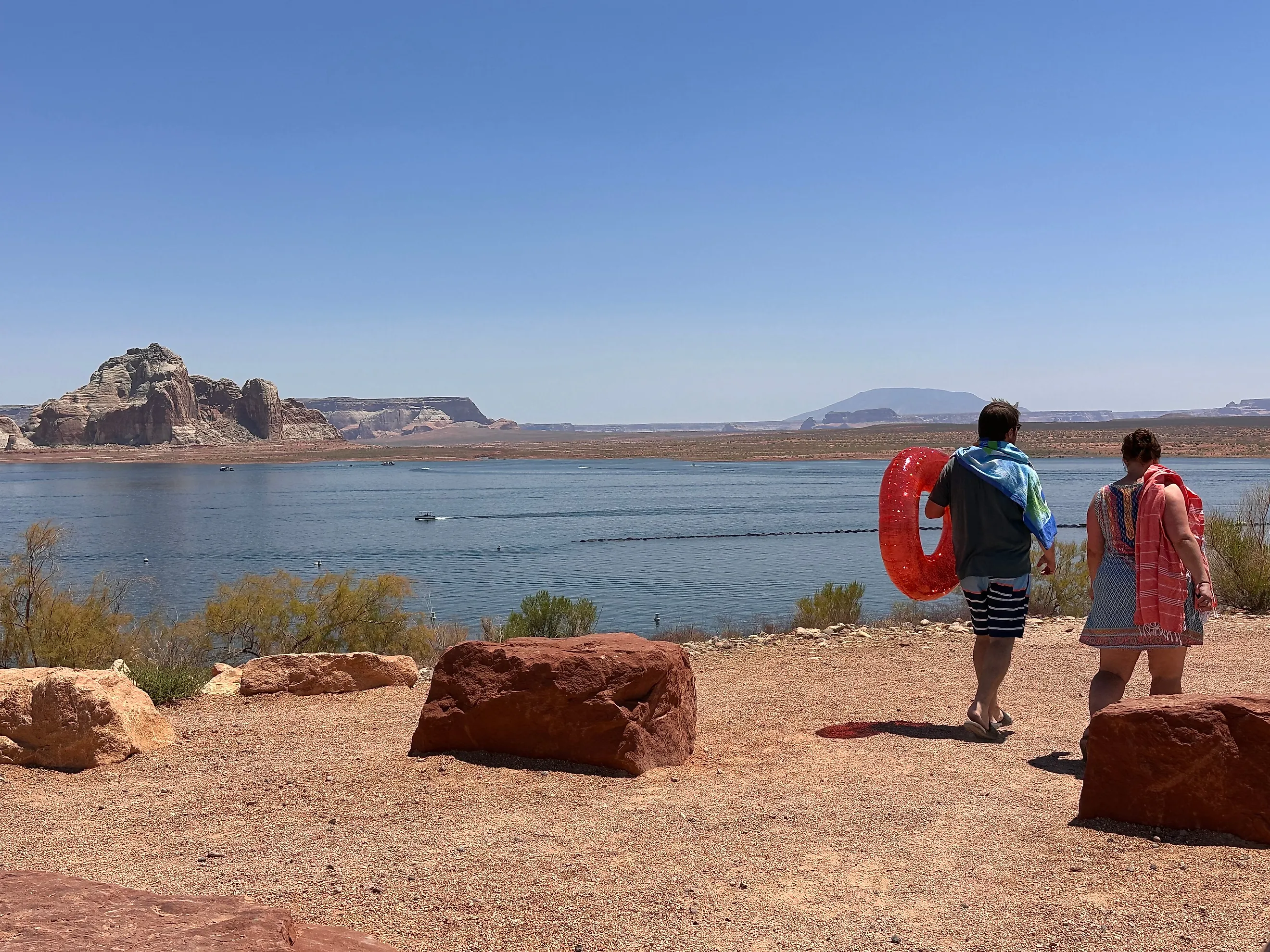
Lake Powell snakes 186 miles through red sandstone canyons at the Utah-Arizona border, creating one of the Southwest's most photogenic reservoirs. Summer surface temperatures average 72°F (22°C) to 79°F (26°C), with the warmest shallow-water areas reaching 84°F (29°C) during peak July and August heat. While decidedly cooler than the region's hottest lakes, Powell still delivers comfortable swimming conditions without requiring wetsuit tolerance or cold-water adaptation.
Several factors moderate Powell's temperatures compared to lower-elevation reservoirs. At 3,700 feet elevation, the surrounding air stays somewhat cooler than low-desert basins, though summer days still regularly hit 100°F (38°C). The lake's tremendous depth (reaching 583 feet at Glen Canyon Dam)creates pronounced thermal layering, with warm surface water floating atop much colder deep zones. The reservoir's signature sandstone slot canyons provide extensive shoreline shade, reducing solar heating in these protected areas compared to open-water sections.

Even with these moderating influences, the surface layer provides excellent swimming throughout summer. The 84°F water feels refreshingly cool against 100°F air without shocking the system the way truly cold mountain lakes do. Popular access points at Wahweap and Bullfrog, plus countless remote coves accessible only by boat, often draw large crowds. The reservoir's massive size ensures finding a warm, protected swimming area despite drought-induced water level declines that have reshaped the shoreline dramatically since initial filling in the 1960s.
The Takeaway
Certain physical characteristics and conditions are the cause of exceptional water heating. Depth limitation stands as the primary factor. Bodies of water that are under 100 feet deep tend to heat more efficiently than deep-water bodies. Location in desert or subtropical regions is another key factor.
Low elevation correlates strongly with high temperatures as well. Lakes sitting near sea level experience hotter air temperatures than high-elevation counterparts, and that air directly heats surface water through contact and radiation. Isolation from cold-water inputs matters significantly; lakes fed by warm rain runoff or pre-heated upstream flow maintain higher temperatures than those receiving glacial melt or cold spring discharge. Finally, protection from wind reduces evaporative cooling that would otherwise strip heat from the surface.
These warmest lakes are found in convergence zones where multiple heating factors align perfectly. The result is swimming seasons extending months beyond what coastal areas offer, attracting visitors seeking comfort over challenge.