The National Parks Where Rattlesnakes Stay Active Into October
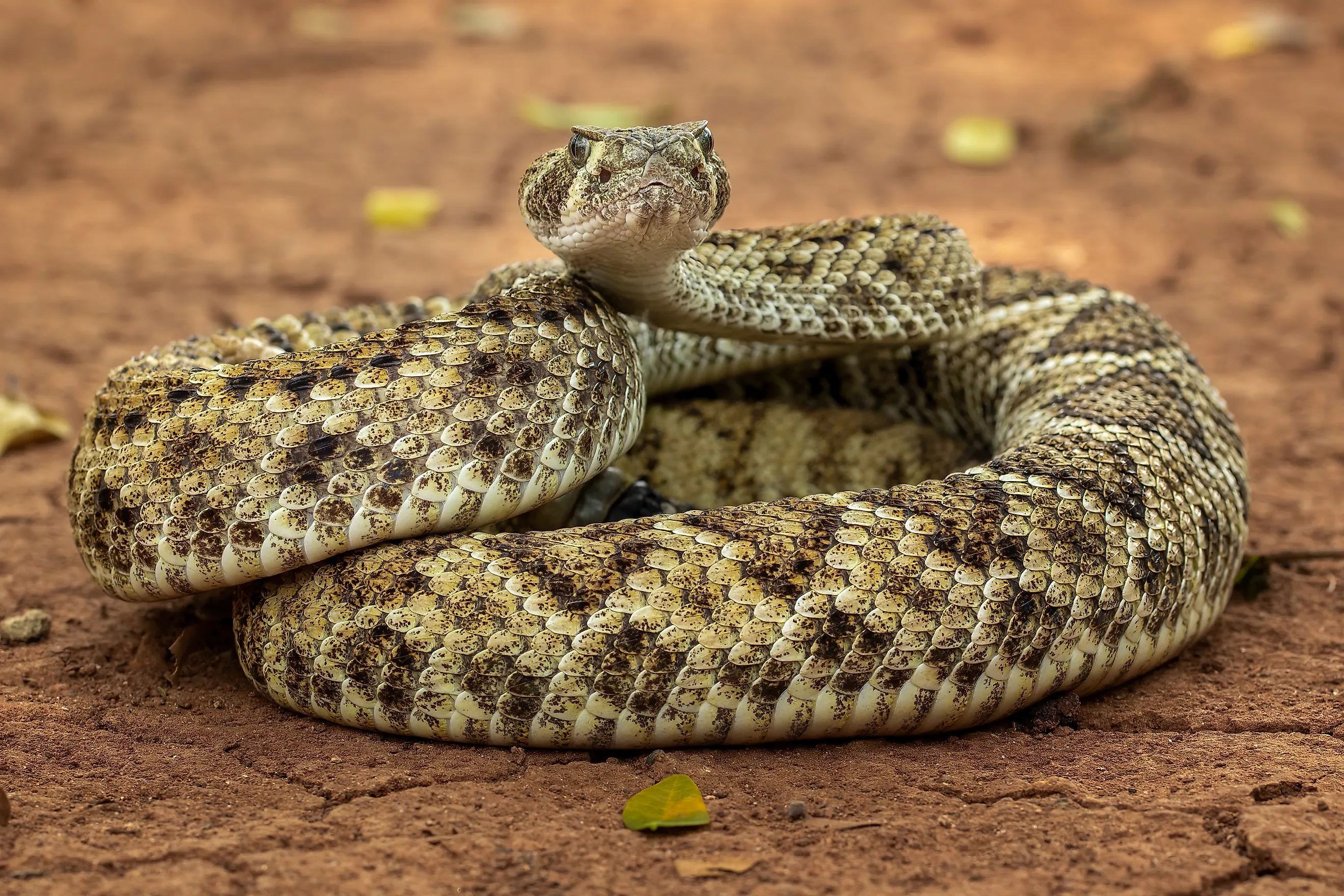
Most visitors assume rattlesnakes are a summer problem and that a trip in October is a trip without them. It is close to the opposite. Autumn is one of the highest-encounter periods of the year across the desert Southwest, because rattlesnakes spend the hottest months hiding and hunting at night, then switch back to daytime activity as soon as the weather becomes tolerable. Add snakes feeding hard before winter, traveling toward communal dens and in some species mating, and October becomes a month when a hiker is more likely to meet one in broad daylight than in August. These are the parks where that applies, and why the timing works the way it does.
Heat Drives Them Underground, Not Cold
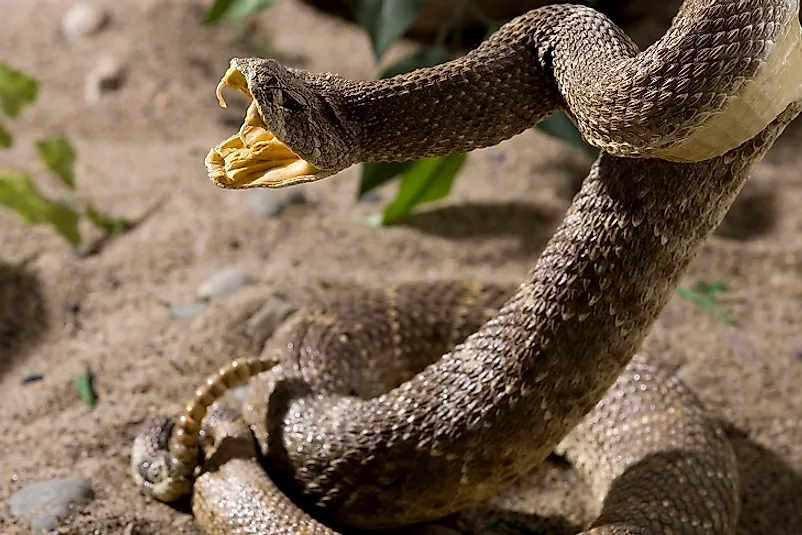
The central misunderstanding is about what a rattlesnake is avoiding in July. Desert heat is not merely uncomfortable for them, it is lethal. Exposure to temperatures above 110 degrees Fahrenheit for more than a few minutes will kill a rattlesnake, which is why they vanish from the surface during a Sonoran summer afternoon.
Their preferred operating range is roughly 80 to 90 degrees. In a desert summer those conditions exist for a couple of hours around dawn and again after dark, so the snakes go nocturnal and visitors simply stop seeing them.
Come October, that ideal range moves back into the middle of the day. The snakes follow it.
The Day Shift Returns
Arizona field guidance sets the year out as a simple rota. Daytime in spring, nighttime in summer, daytime again in fall, and rarely active at all in winter.
The tiger rattlesnake illustrates it precisely. It is nocturnal through the hot months of June to August, then becomes diurnal and crepuscular in autumn, staying active mainly from March through October in southeastern Arizona.
So a hiker on a trail at two in the afternoon in October is walking through the same hours the snakes have just reclaimed.
They Also Have A Deadline

Beyond the temperature switch, autumn snakes are busy in a way summer snakes are not. They are feeding heavily to build reserves before brumation, which means more hunting and more movement. They are traveling toward hibernacula, the communal rock dens they return to each winter, often following routes used across generations. Several species mate during this period, which adds another layer of activity.
The people who deal with rattlesnakes professionally are blunt about the result: random encounters with snakes of all age classes are highest during the fall.
Saguaro National Park, Arizona
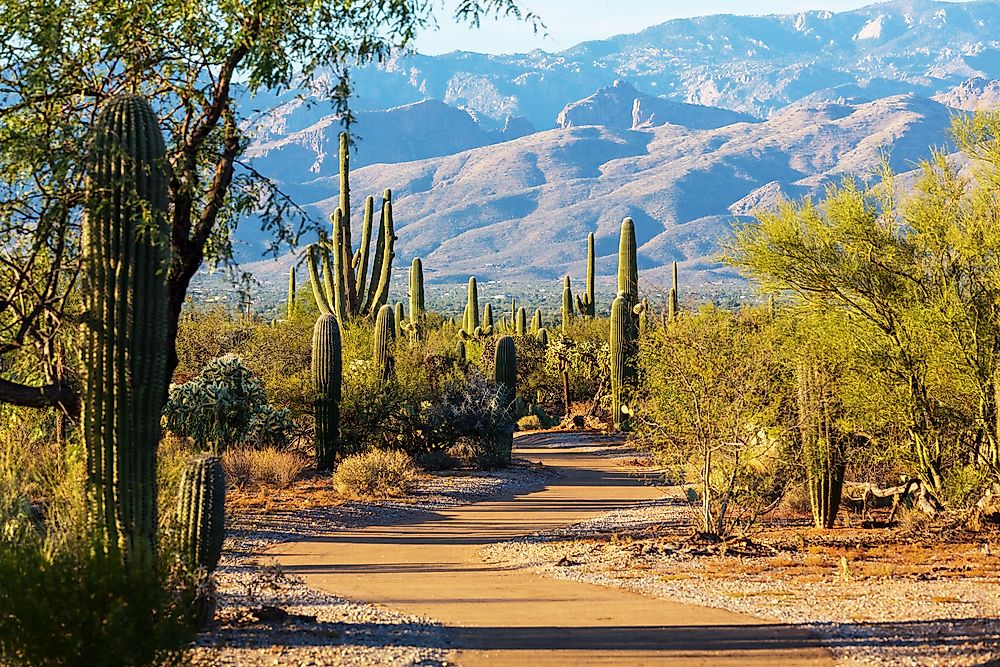
The Sonoran Desert around Tucson is close to the ideal case for a long snake season. Arizona's climate lets rattlesnakes stay active for something like eight to nine months a year, far longer than populations further north manage.
October here is genuinely pleasant hiking weather, which is exactly why visitor numbers climb and why the snakes are out in the same hours. Southern Arizona populations also stay more active through winter than northern ones, so the season tapers rather than stopping.
Big Bend National Park, Texas
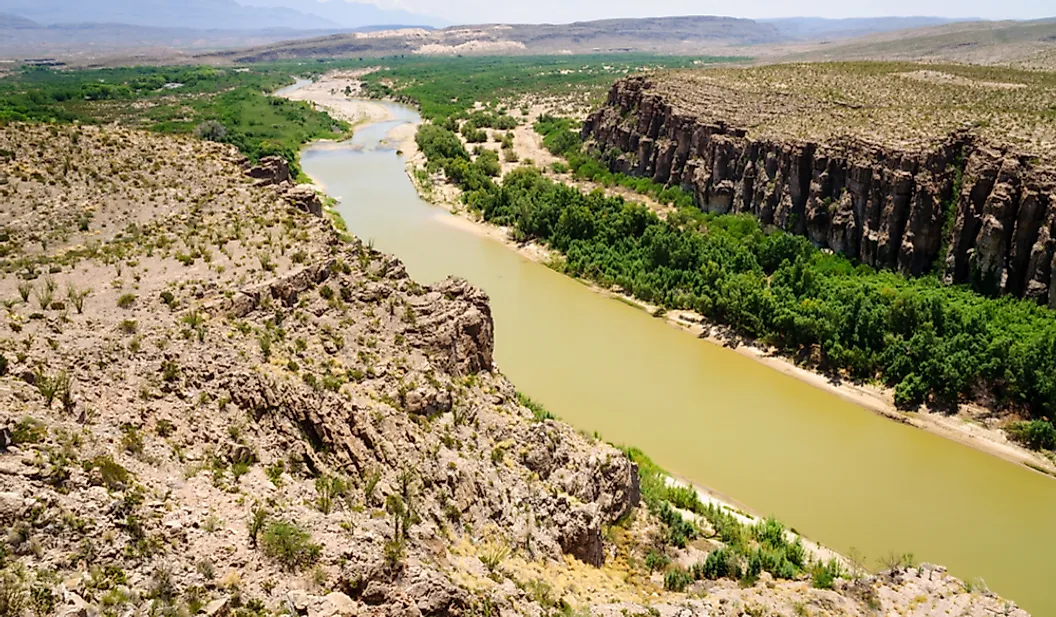
The Chihuahuan Desert park runs the same pattern with one added complication, which is elevation. Big Bend spans desert floor along the Rio Grande up to the Chisos Mountains, and snake activity differs substantially between them in October.
Down along the river the days stay warm enough for regular surface activity well into autumn. Up in the Chisos, where nights get genuinely cold, the season ends earlier. The same park can be mid-season at one trailhead and nearly finished at another on the same afternoon.
Joshua Tree And Death Valley, California
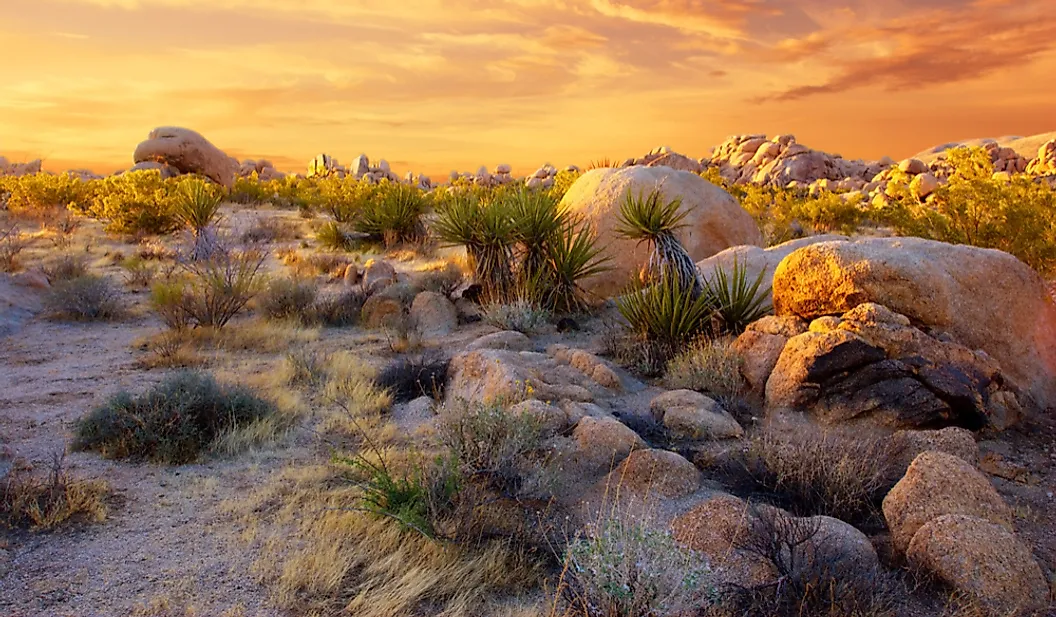
The Mojave parks show the sharpest version of the seasonal flip, because their summers are the most hostile. Death Valley in July is unusable for a rattlesnake during daylight, so the snakes are strictly nocturnal. By October the daytime highs have dropped into the range they actually want, and the park's visitor season is beginning at precisely the same moment for precisely the same reason. Joshua Tree follows the same curve at higher elevation and slightly cooler temperatures.
Both parks see their busiest months in autumn and spring, which are also the months their snakes are most likely to be out in daylight.
The Colorado Plateau Parks

Zion, Arches, Canyonlands and Capitol Reef sit higher and colder than the desert parks further south, which shortens the season without ending it in September.
Zion's main canyon floor stays warm into October, and the slickrock country around Moab holds heat in the rock long after the air has cooled, which gives snakes usable basking surfaces late in the day. These parks also see enormous October visitation for the same weather reasons.
The Grand Canyon is the extreme case of the elevation effect. The rim can be near freezing while the inner corridor along the river is twenty or more degrees warmer, so a snake season that has finished at the top is still running at the bottom.
Brumation Is Not Hibernation
What happens next is usually described as hibernation and is not quite that. Rattlesnakes enter brumation, an extreme slowing of the metabolism in which the animal remains awake but extremely lethargic. They become sluggish below about 60 degrees and generally emerge again in March or April when daytime temperatures reach and hold around 60.
Crucially, brumation is not a door that locks. On warm days in late October, November and even midwinter, brumating rattlesnakes come out of their dens to bask. A sunny 70-degree afternoon in the desert in December can put a snake on a rock.
The Young Ones Are Everywhere

This is the detail most worth knowing for anyone hiking with children or dogs in autumn. Rattlesnakes give birth in late summer, and by September and October those neonates are dispersing to find their own territory and their first winter den. They have not learned where to hide and they turn up in places adults would avoid.
The old claim that baby rattlesnakes are more dangerous because they cannot control their venom is not well supported. What is true is that they are small, hard to see, and in autumn they are scattered across the landscape rather than concentrated anywhere predictable.
When They Are Out During The Day
Within autumn the timing shifts again, and it is worth knowing which hours actually matter. Through September and early October, the first hour after sunset sees a surge in movement, and snakes can remain active as temperatures drop into the 50s. From late October into November the pattern changes, with less morning activity and more concentrated midday basking as the snakes take what warmth is available.
The transitional periods make them crepuscular, most active in the twilight at either end of the day, which unhelpfully overlaps with when most people start and finish a hike.
What This Means For An October Trip

None of this is a reason to avoid the desert parks in autumn, which is comfortably the best time of year to visit them. It is a reason to stop assuming the snakes have already gone.
Watch where you put your hands and feet, particularly around rock ledges and the shaded side of boulders where a snake is likely to be waiting out the warm part of the day. Stay on trails, where you can see the ground. Keep dogs leashed, since they investigate exactly the places snakes use. And if you hear a rattle, it is a warning rather than a threat, and the correct response is to work out where it came from and then move away from it.
The snakes are not hunting you. They are eating as much as they can and walking to their winter accommodation, and in October they are doing it in daylight.