6 Most Rattlesnake Infested Areas in Arizona
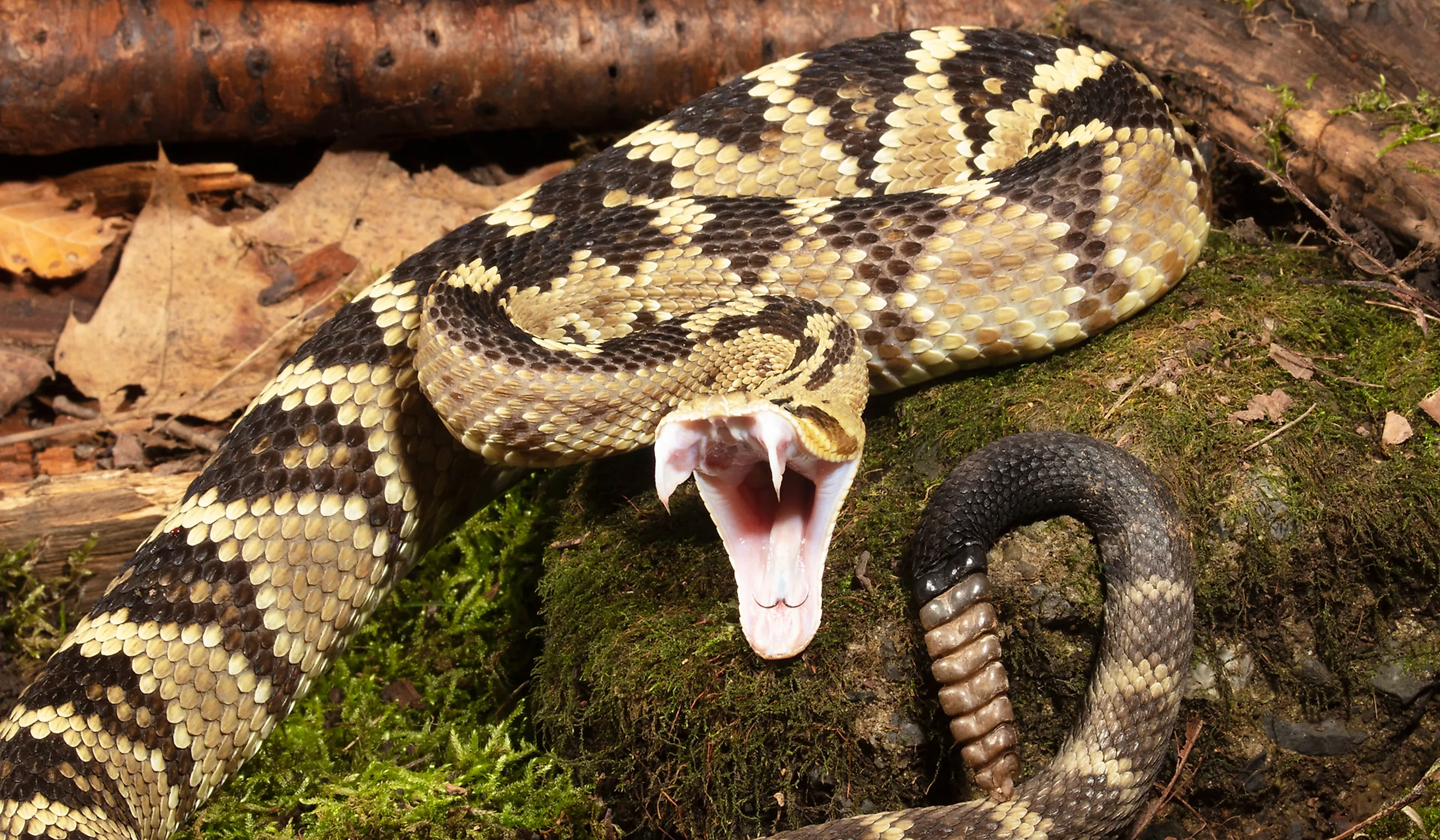
Arizona has more species of rattlesnakes than any other state, and all 15 are venomous. Fortunately, each type is naturally shy and reclusive, avoiding humans as much as possible and “rattling” their tale as a warning to stay away. Even so, many of Arizona’s top tourist spots, including Grand Canyon National Park and Lake Mead National Recreation Area, overlap with rattlesnake habitats, meaning sightings and interactions are sometimes inevitable. Drawn to desert canyons, mountains, and rocky lakes, these ectothermic creatures love the same places we do. So, although rattlesnakes are docile in nature, it is crucial to keep a close eye and ear on your next hike in Arizona’s rattlesnake-infested areas.
Saguaro National Park

While exploring Saguaro National Park’s colossal cacti, there’s a good chance rattlesnakes will cross your path. Located in southern Arizona on either side of Tucson, the park’s Sonoran Desert ecosystem is a hotspot for 6 rattlesnakes: the Arizona Black, Western Diamondback, Tiger, Sidewinder, and Mojave rattlesnakes. Although certain species are rarely seen, like the Arizona Black, others are more commonly spotted, like the Western Diamondback.
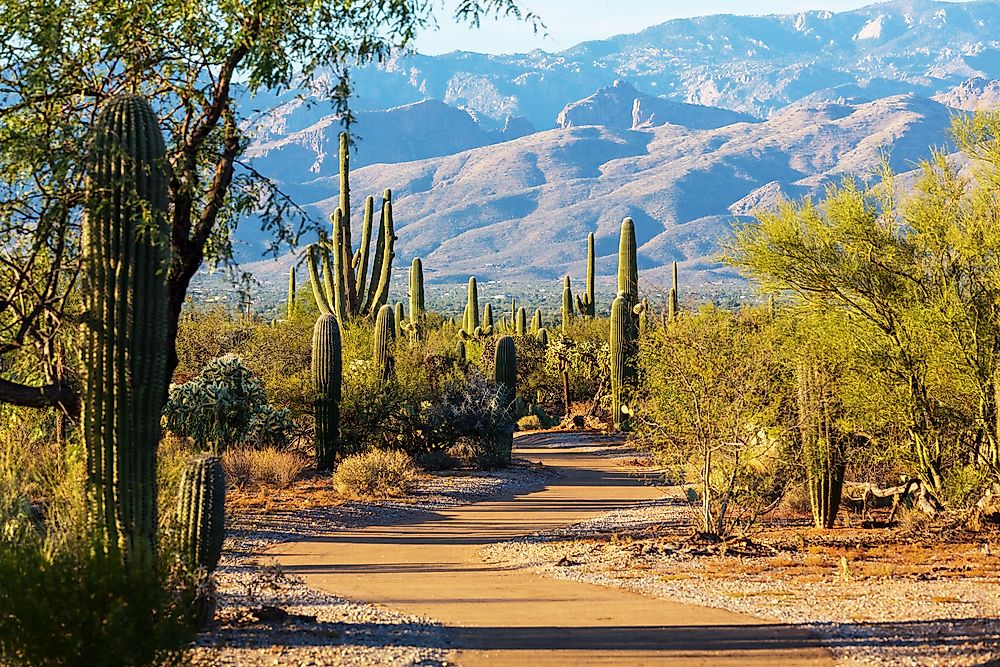
Rattlesnakes live at all elevations in Saguaro National Park, which can range from 2,670 feet to 8,666 feet. Some prominent habitats include saguaro forests, desert scrub, and ponderosa pine forests in Rincon Mountain. Certain species thrive in specific environments, such as sidewinders, whose unique movements are adapted for sandy areas of the Sonoran Desert. Conversely, black-tailed rattlesnakes are more spread out, living both in upland saguaro forests and pine-oak woodlands, where they are often spotted in trees.
Grand Canyon National Park

Over 4 million people visit Grand Canyon National Park every year, where rattlesnake sightings are a common matter. Of the 9 species found in the Grand Canyon region, 5 live within the park’s boundaries: the Black-tailed rattlesnake, the Prairie rattlesnake, the Speckled rattlesnake, and two subspecies of the Western Rattlesnake: the Grand Canyon and the Great Basin. While most are spotted within the canyon, some species can occasionally be seen on the rim as well.

Many rattlesnakes in Grand Canyon National Park are spotted in riparian ecosystems near streams, springs, and the Colorado River. Although each species prefers land, swimming is a practical way for the snakes to cool down, hunt, and travel. Since they are capable swimmers, it is especially important to watch for rattlesnakes on canyon floor hikes like Stone Creek. Leading from the river, this popular route leads through a box canyon with shallow pools and a waterfall, making it an oasis for tourists and rattlesnakes alike.
Organ Pipe Cactus National Monument

Down in southern Arizona, Organ Pipe Cactus National Monument is the only place in the US with large stands of organ pipe cacti in the wild. Unsurprisingly, this rare ecosystem is a hiking haven, making it important to watch for its 5 rattlesnake species. Spanning over 330,000 acres in the Sonoran Desert, the monument is home to Diamondback, Mojave, Blacktail, Sidewinder, and Tiger rattlesnakes.

Much like the humans exploring the monument, rattlesnakes try to avoid intense temperatures. As a result, snakes are more active here during early mornings and late afternoons in the summer, coinciding with popular hike times. This is especially important to note for routes like the Desert View Trail, a popular sunrise/ sunset hike where rattlesnake sightings are common.
Chiricahua National Monument

Chiricahua National Monument is another hiker’s paradise and rattlesnake hotbed in southeastern Arizona. Centered in the Chiricahua Mountains, the "Sky Island" rises over towering pinnacles and sweeping forests, attracting sightseers and hikers from all over. With 17 miles of nature trails to explore, wildlife spotting is a common occurrence, and rattlesnakes are no exception. Of the monument’s 30 snake species, 5 are rattlesnakes: Western Diamondback, Banded Rock, Black-Tail, Twin-spotted, and Mojave.

Similar to Organ Pipe Cactus National Monument, snakes are most active here from April through October, in the morning, afternoon, and at night. Since this is a popular time to hike with cooler temperatures, rattlesnake sightings are more common, especially in the park’s lower elevations. Whether hiking the easygoing 0.2-mile Bonita Creek Loop or the strenuous 9.5-mile Big Loop, keep your eyes peeled for slithering critters.
Cave Creek Area

Deep in Arizona’s “Cowboy Country,” the town of Cave Creek is well-acquainted with its 5 species of rattlesnakes. Western diamondbacks, Mojaves, and Speckled rattlers are commonly encountered by locals in their homes and yards, usually in the spring and fall. In Cave Creek’s wild backyard, Tiger and Black-Tail rattlesnakes are also commonly spotted by hikers enjoying Black Mountain’s panoramic views.

Elsewhere in Cave Creek’s rugged backyard, Cave Creek Regional Park is an underrated jewel of the upper Sonoran Desert. Spanning nearly 3,000 acres, the park’s lush riparian corridor attracts a wide array of native wildlife, including the area’s rattlesnakes. With over 15 miles of hiking, mountain biking, and equestrian trails, there are plenty of places to cross paths with a rattlesnake at Cave Creek Regional Park.
Lake Mead National Recreation Area

Home to the largest reservoir in the United States, Lake Mead National Recreation Area is a wildlife haven and recreation hub. Split between Arizona and Nevada, Lake Mead boasts a 750-mile shoreline, framed by slot canyons, coves, and sandy borders. The reservoir is a popular place to swim and kayak, while its Mohave Desert surroundings are gorgeous hiking grounds. However, while exploring this stunning scenery, it is important to watch out for the park’s 4 species of rattlesnake.

The Lake Mead National Recreation Area is home to Western Diamondback, Mojave, Sidewinder, and Speckled rattlesnakes. Although they prefer land, each species is a strong swimmer, meaning visitors should keep a watchful eye throughout the entire recreation area. Whether fishing along Lake Mead’s shores, scrambling the Goldstrike Canyon Trail, or unwinding on Kingman Wash Beach, staying alert is an important way to enjoy your time here.
Despite their fearsome reputation, rattlesnakes are just as eager to keep their distance as we are. Although some people believe the snake’s rattling sound is a warning before they strike, scientists believe it is actually a defensive evolution to prevent larger animals from stepping on them. Today, this function extends to humans, alerting us to the rattlesnake’s presence and reminding us to keep a safe distance. After all, whether hiking Grand Canyon National Park or paddling Lake Mead, we are only visitors in these rattlesnake homes.