The Oldest Dams In The US
The United States has 92,678 dams listed in the National Inventory of Dams, with an average age of about 65 years. Yet four have survived since before the American Revolution. Only about 6% of the total are federally regulated, but dams across the country remain important for water supply, recreation, and downstream safety.
By "oldest", we mean the earliest completion year currently recorded in the National Inventory of Dams. This is not necessarily the age of every part of the structure visible today, since many early dams have been repaired, rebuilt, or enlarged. By that measure, the four oldest recorded dams are all in Massachusetts, beginning with a dam site in Ipswich dating to 1637.
Ipswich Mills Dam, Massachusetts

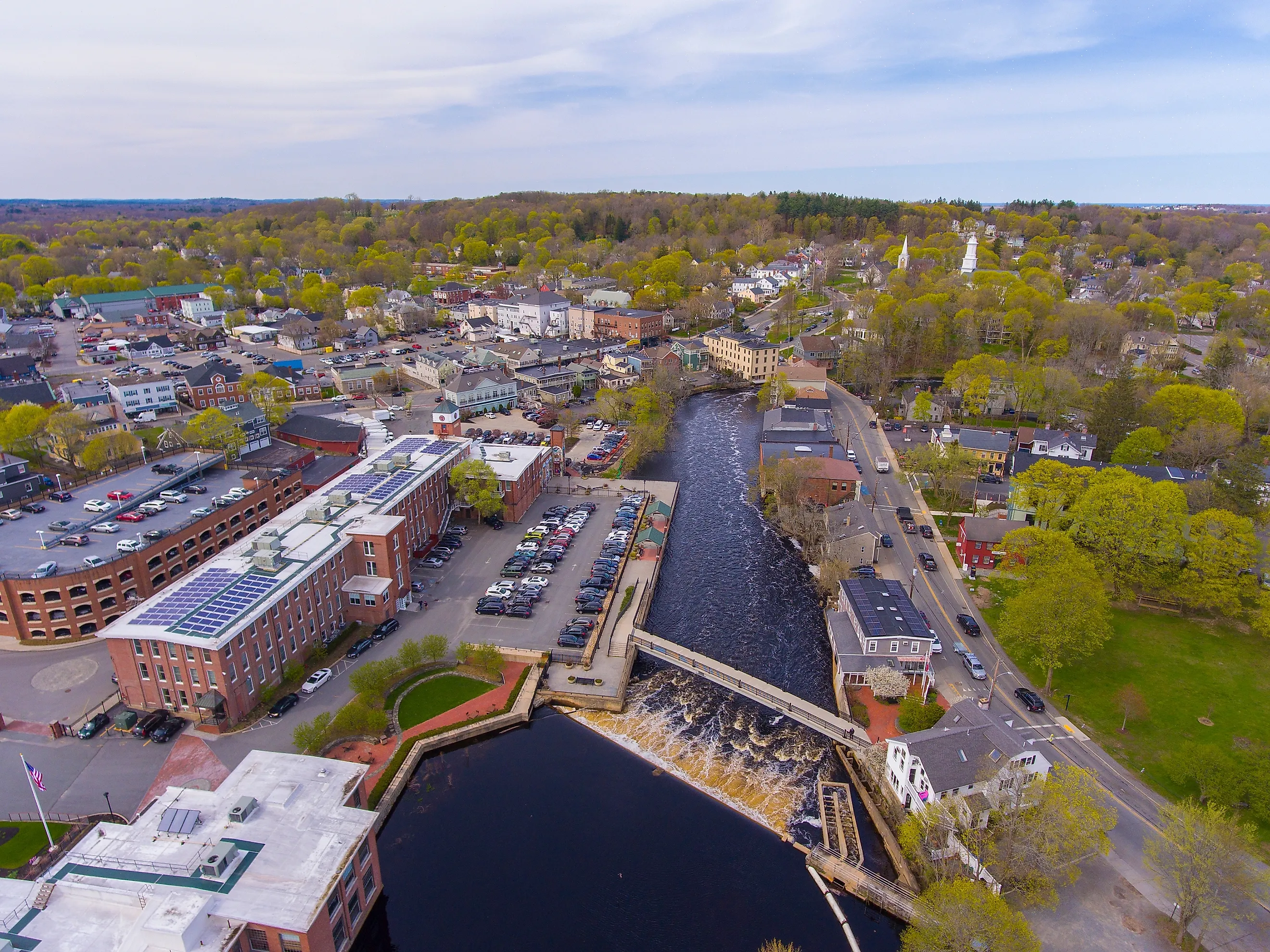
The National Inventory of Dams ties the Ipswich Mills Dam to a completion year of 1637, the earliest recorded date among the dams reviewed here. The dam stands on the Ipswich River in downtown Ipswich, Massachusetts, where English settlers first built a dam to power a grist mill. The present structure should not be mistaken for an untouched 17th-century dam. Historical studies show that several dams occupied the site and that the structure visible today was largely built much later, with major work completed around 1908.
According to current NID data, the dam is about 11 feet (3.4 m) high and 180 feet (55 m) long. It is owned by the Town of Ipswich and has a low hazard classification. The dam no longer provides industrial power, and the town has been working through the permitting process for its proposed removal. Set in downtown Ipswich, the site is an unusually visible reminder of how closely early New England settlement was tied to rivers and water-powered mills.
Old Oaken Bucket Pond Dam, Massachusetts

Scituate's Old Oaken Bucket Pond Dam has a recorded completion date of 1640, only three years after the first dam at the Ipswich Mills site. It has often been described as the oldest dam in the United States, including by the U.S. Army Corps of Engineers, which maintains the inventory, and by the U.S. Census Bureau in 2025. The 1637 date recorded for the Ipswich Mills site is three years earlier, though the two dates reflect how the inventory logs a long-dammed site rather than a settled dispute over which structure came first.
The dam sits on First Herring Brook and remains part of Scituate's water-supply system. NID data describes it as an earth dam about 6 feet (1.8 m) high and 370 feet (113 m) long. Massachusetts records also identify a fishway at the site, allowing migratory fish to move past the obstruction. The Town of Scituate owns the dam, which is currently classified as being in satisfactory condition.
Lower Shawme Lake Dam, Massachusetts

Lower Shawme Lake Dam in Sandwich has a recorded completion date of 1654, putting it third among the oldest dams in the current NID ranking. Located in Barnstable County on Cape Cod, the earth dam impounds the lower portion of the Shawme pond system and is owned by the Town of Sandwich.
The structure is about 10 feet (3 m) high and 120 feet (37 m) long. Its impoundment covers roughly 26 acres (10.5 ha), and recreation is listed as its primary purpose. Although modest in size, its 17th-century recorded date makes it considerably older than many of the better-known large dams built during the 19th and 20th centuries.
Central Street Dam, Massachusetts

Central Street Dam in Framingham comes next, with the National Inventory of Dams giving it a completion date of 1659. The earth dam crosses the Sudbury River and is considerably larger than the other structures near the top of the age ranking. It measures about 34 feet (10.4 m) high and 400 feet (122 m) long.
The dam is privately owned and currently carries a high hazard classification. That designation does not mean the dam is likely to fail. Instead, it means that failure could probably result in loss of life because of development downstream. Its most recent condition assessment listed in the NID is fair.
Centuries Of American Water Infrastructure
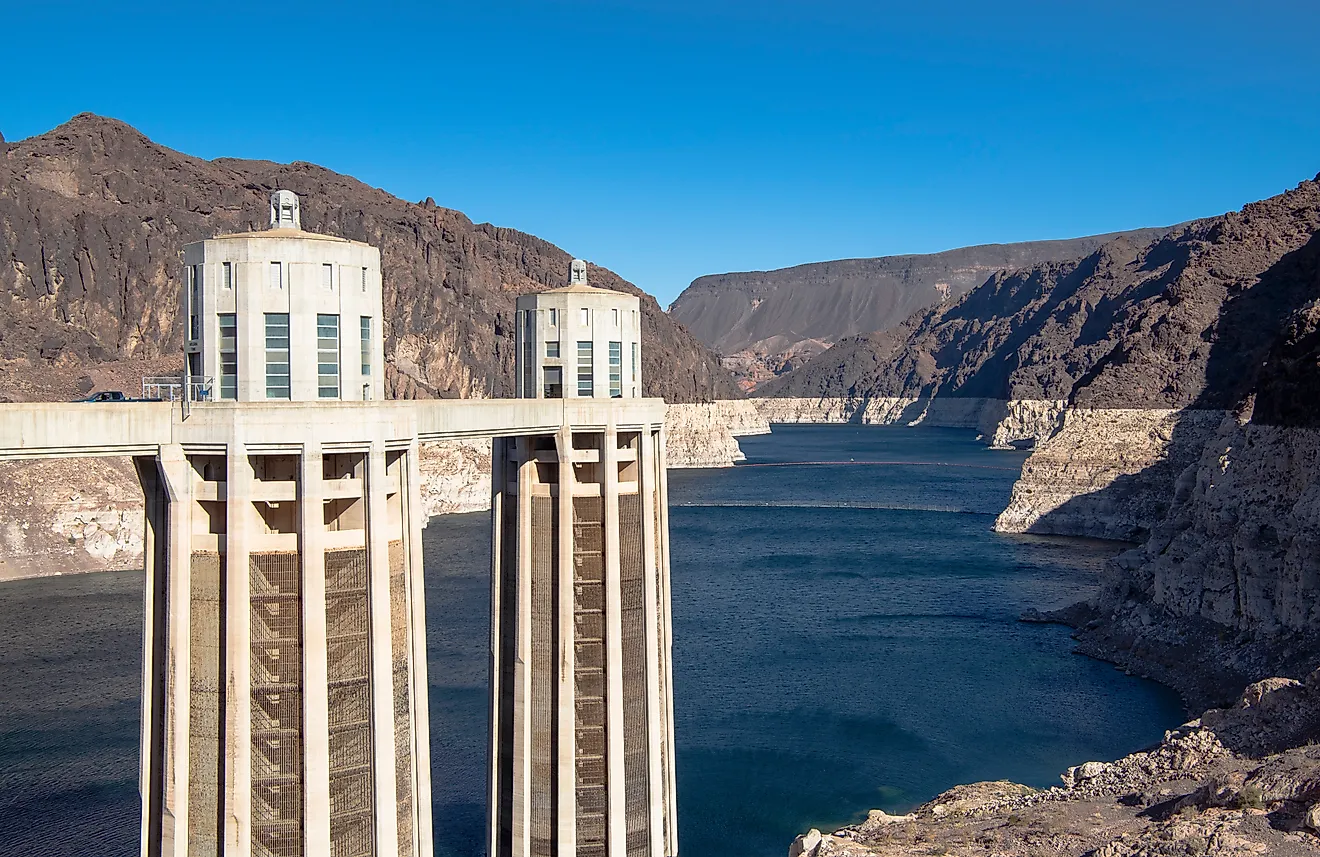
America's oldest recorded dams look very different from giants such as Hoover Dam. They are generally small structures tied to the rivers, mills, ponds, and settlements of colonial New England. The earliest of these recorded dates is the 1637 tied to the Ipswich Mills site, and the rest fall between then and 1659. Though they may have seen repair work since that time, these account for the oldest European-made dams in the United States.