The Most Polluted Lakes in the World
Scientists estimate that there are more than 300 million natural lakes on Earth. Although these bodies of water cover only about 3% of the world's land surface, they support human populations along their shores and serve as hubs for trade, transportation, fishing, and agriculture, drawing millions of visitors to destinations such as Italy's Lake Como, Canada's Lake Louise, and Lake Tahoe in the U.S. While many lakes remain relatively clean, eight around the globe have been transformed by decades of pollution from industrial discharge, untreated sewage, agricultural runoff, algal blooms, and plastic waste. These eight rank among the most polluted in the world for the severity and impact of recorded contamination, from toxic chemicals and radioactive waste to nutrient pollution and microplastics, highlighting the environmental challenges facing one of the Earth's most vital resources.
Lake Karachay, Russia

Lake Karachay is a small lake in the southern Ural Mountains of south-central Russia that the former Soviet Union once used as a dumping ground for radioactive waste from the nearby Mayak Production Association, a nuclear facility in Chelyabinsk Oblast. From 1945 to 1957, the Mayak plant dumped large amounts of radioactive waste into the surrounding area, including the Techa River and the 0.05 mi² (0.13 km²) Lake Karachay.
The plant was also the location of the USSR's first nuclear accident, the Kyshtym Disaster, where improperly stored tanks of liquid nuclear waste exploded, contaminating thousands of square kilometers of an area now known as the Eastern Ural Radioactive Trace (EURT). Once dubbed the "most radioactive place on earth," the lake was filled in with concrete blocks, rocks, and dirt in December of 2016 to reduce the risk of radioactive dust from spreading.
Lake Victoria, Africa

Lake Victoria is the largest lake in Africa, spanning Uganda, Kenya, and Tanzania, and extending into Rwanda and Burundi. The lake covers 26,828 mi² (69,484 km²) and supports more than 47 million people through fishing, farming, transportation, and freshwater. On the surface, Lake Victoria is a natural landscape of blue horizons, tropical islands, and fishing villages, but beneath the surface an environmental crisis is unfolding.
While sudden storms have made Lake Victoria one of the world's most dangerous lakes for fishing and boating due to its location in the equatorial-tropical zone, pollution from agricultural runoff and the invasive water hyacinth are threatening the ecosystem and the millions of people who rely on its water. Another source of pollution is industrial waste and untreated sewage that flow directly into the lake, putting the communities around the lake at risk of disease.
Lake Lugano, Italy and Switzerland
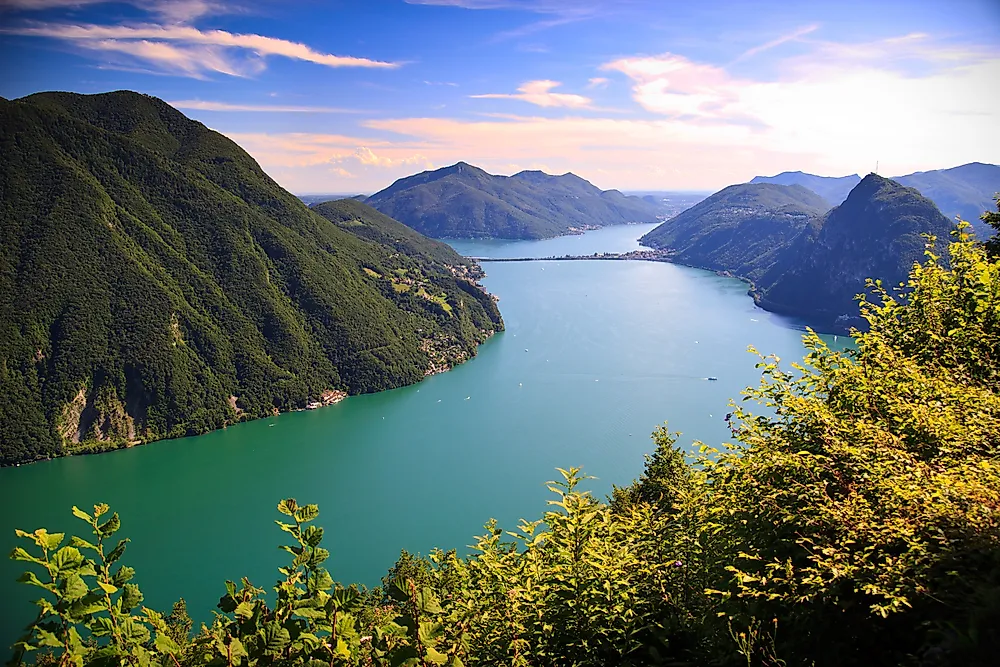
Lake Lugano is an alpine lake that sits on the border between Italy and Switzerland, spanning 18.9 mi² (48.7 km²). Unlike lakes devastated by toxic chemicals or industrial runoff, Lake Lugano represents the newest threat facing freshwater lakes, which is microplastic pollution. A recent study examining 38 freshwater lakes across 23 countries found microplastic concentrations higher than in the ocean's largest garbage patches. Lake Lugano ranked first among the lakes studied for microplastic contamination. Unlike chemical pollutants, microplastic pollution doesn't come from a single source. Instead, microplastics are tiny fragments from bottles, packaging, and synthetic fabrics that can travel through rivers and storm drains before accumulating in some of the most spectacular tourist destinations, turning them into pollution hotspots.
Onondaga Lake, United States

Onondaga Lake is a 4.6 mi² (11.9 km²) lake in central New York State, sitting just northwest of Syracuse. Its proximity to Syracuse (once called "Salt City") plays an important role in its pollution story, as the small lake was heavily impacted by salt-processing pollution, decades of sewage discharge directly into the lake, and industrial waste from chemical plants such as Allied Chemical Corporation, which discharged 165,000 pounds of mercury into the lake.
At one time, Onondaga Lake was considered one of the most polluted lakes in the United States, but now the lake represents a pollution comeback story, thanks to a major cleanup project led by Honeywell, the corporate successor to Allied Chemical, which assumed responsibility for the pollution its predecessor left behind. Today, millions of visitors take advantage of the hiking trails, bike paths, and other recreational activities in Onondaga Lake Park.
Lake Taihu, China

Lake Taihu (also known as Lake Tai) is located in Jiangsu and Zhejiang provinces, in eastern China. It is China's third-largest freshwater lake at 925 mi² (2,400 km²), and one of its most important water sources. Despite its size, the lake is surprisingly shallow, with an average depth of about 6.9 feet (2.1 meters), making it especially vulnerable to nutrient pollution and devastating algal blooms. Decades of agricultural runoff, industrial wastewater, and sewage discharge introduced excess nitrogen and phosphorus into the lake, creating ideal conditions for explosive growth of toxic algae.
In late May 2007, an unusually early and massive bloom of toxin-producing blue-green algae overwhelmed a water treatment plant serving the nearby city of Wuxi, leaving more than 2 million people without safe drinking water for at least a week. Following the crisis that saw putrid, yellow water streaming from faucets, cleanup efforts have been underway for more than two decades at a cost of $41 billion. While water quality has improved, the lake continues to face challenges from nutrient pollution every spring, particularly from agricultural runoff.
Lake Maracaibo, Venezuela

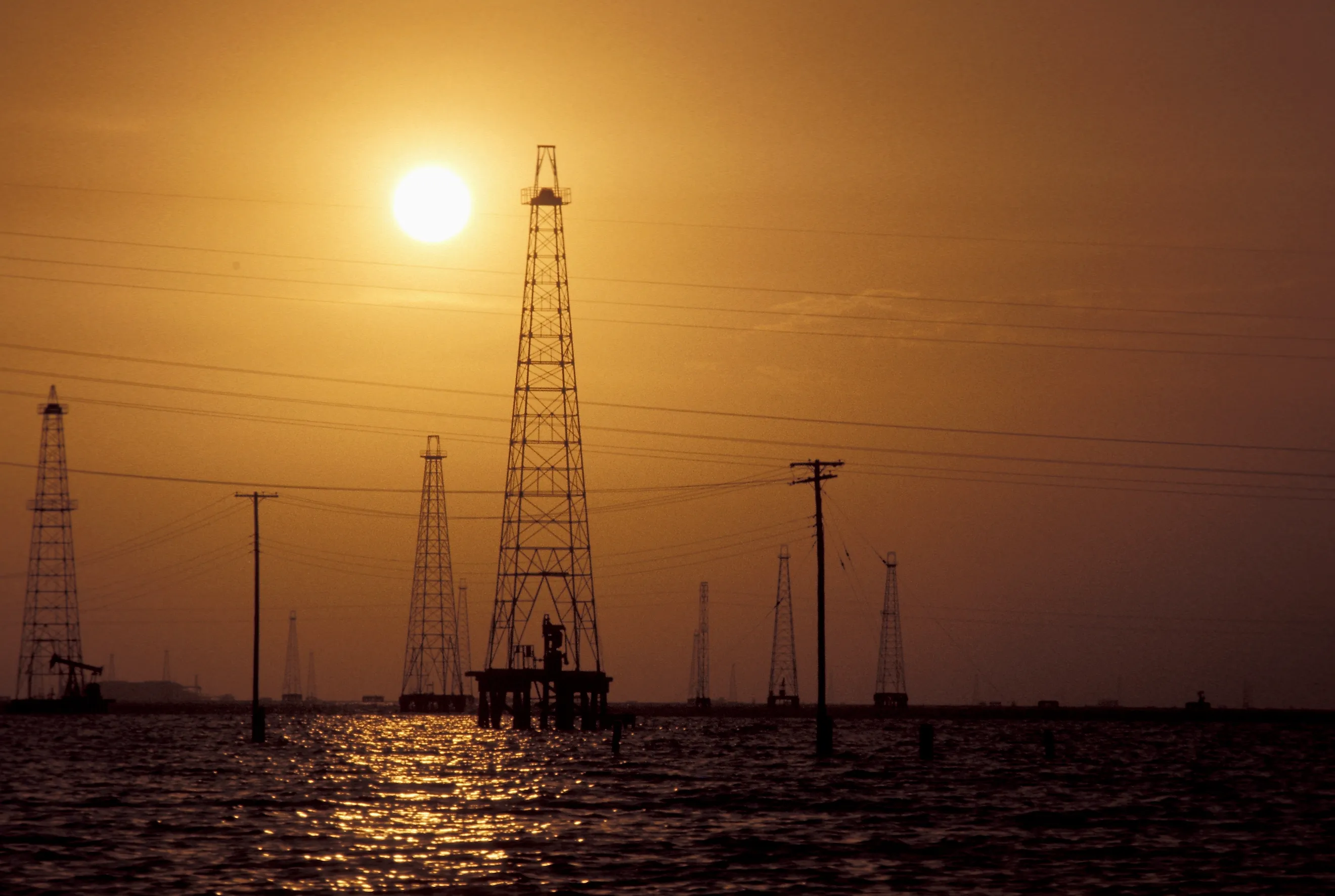
The 5,217 mi² (13,512 km²) Lake Maracaibo in Venezuela is estimated to be 36 million years old, making it one of the oldest bodies of water on Earth. About 372 miles west of the capital, Caracas, the lake was once the heartbeat of the country's oil boom. Today, due to decades of oil exploitation, poor maintenance of its piping infrastructure, and almost non-existent water treatment plants, it is now a polluted wasteland.
Fertilizers discharged directly into the lake have also led to the growth of cyanobacteria that produce the blue-green algal blooms seen in other of the world's most polluted lakes. The bacteria release toxins, which pose risks to aquatic life, wildlife, and people living near the lake's shores.
Bellandur Lake, India

While Bellandur Lake in Bengaluru (also known as Bangalore), India, covers only 0.9 mi² (2.3 km²), its much larger 148 mi² (383 km²) catchment area collects water and pollution from a wider part of the city. As the city grew into one of the world's major IT hubs in the late 20th century, its booming population put enormous pressure on its aging sewage system. Today, with more than 15 million people living in the greater metropolitan area, the lake receives approximately 40% of Bengaluru's raw sewage, contributing to the country's severe urban pollution problem.
The urban lake has become one of the world's most notorious examples of water pollution, earning the nickname "Lake of Fire" after repeated fires erupted on its foamy surface, fueled by a toxic mix of industrial waste, oil residues, and methane gases released by decomposing sewage.
Lake Erie, Canada and the United States

Lake Erie is a 9,910 mi² (25,700 km²) freshwater lake shared by Canada and the United States. Despite being the fourth largest of the Great Lakes by surface area, it is the shallowest of the five lakes, with a depth of about 62 feet (19 meters). Like other lakes with shallow waters, Lake Erie is vulnerable to warming temperatures and nutrient pollution, which fuels the growth of harmful algal blooms (HABs). The blooms are caused by cyanobacteria, which can produce toxins such as microcystins that threaten drinking water supplies and pose health risks to both people and animals. In 2014, Toledo's drinking water supply was shut down for three days by a massive algal bloom, prompting the National Guard to deliver bottled water.
The growth of HABs is exacerbated by agricultural runoff from nearby farms, which carries phosphorus- and nitrogen-rich fertilizer that feeds the blooms. According to experts, the algal problem in Lake Erie is the direct result of excess phosphorus pollution from the booming agriculture industry.
Radioactive Waste, Toxic Chemicals, Sewage, and Plastic Pollution
Lakes are among the world's most valuable resources, but decades of industrialization, urban growth, agriculture, and poor waste management have taken a toll. From radioactive waste that destroyed Lake Karachay and microplastics that threaten one of Europe's top tourist destinations to Venezuela's aging oil pipelines and toxic algal blooms killing fish in Lake Erie, these eight lakes rank among the world's most polluted, threatening the wildlife, ecosystems, and the millions of people who depend on them.