How Grass Carp Threaten the Great Lakes Wetlands
Invasive species have been an issue impacting ecosystems since creatures have been able to move from one place to another. Unfortunately, a 2023 report found that invasive species have contributed to about 60% of recorded global extinctions. An invasive species is defined as a subset of non-native species that did not evolve in a place but were brought over by humans. A lecturer at the Yale School of the Environment, Sara Kuebbing, notes that there is no complete agreement on which specific non-native species can be considered invasive.
Regardless, humans often introduce these species without realizing how much of a negative impact they can have on the environments they are not native to. This is not just limited to insects but also to fish, specifically the Grass carp.
What Are Grass Carp?
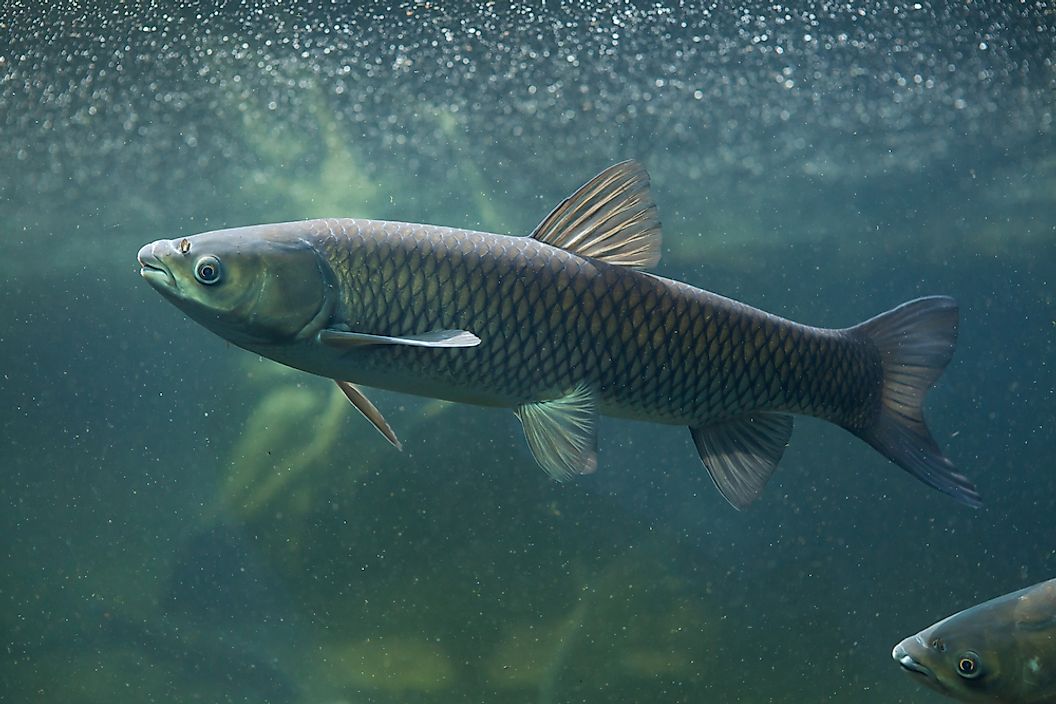
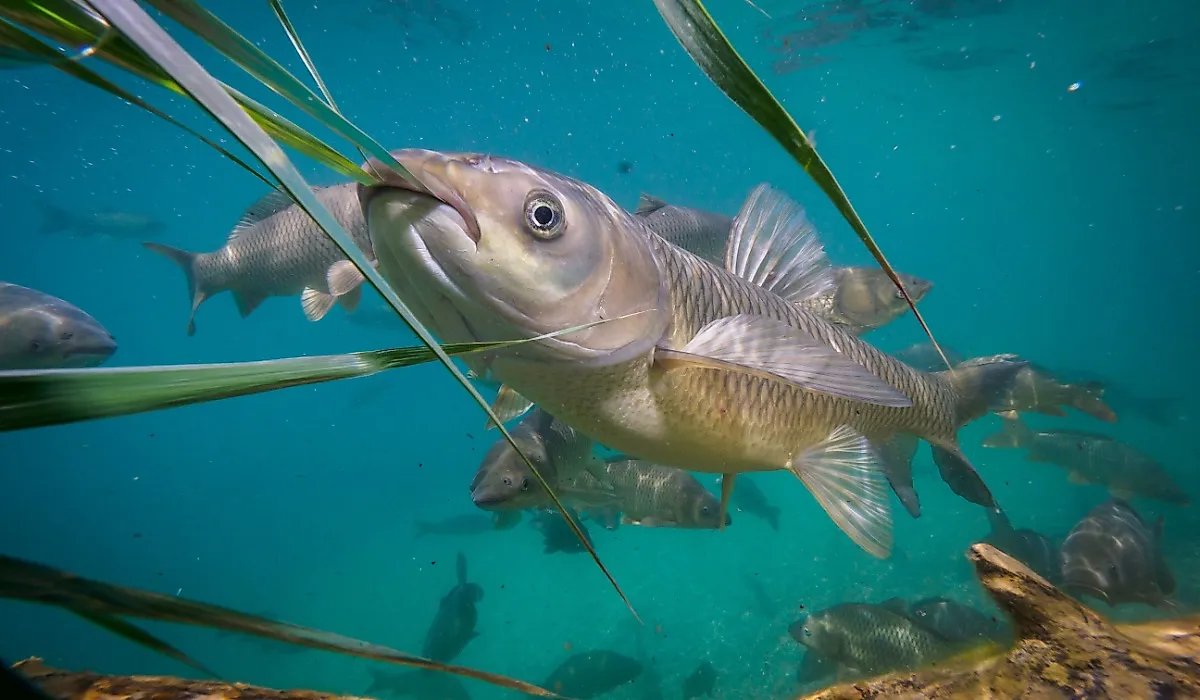
Grass Carp can also be known as White Amur, and they are native to Eastern Asia, spanning from southern Russia to northern Vietnam. The Grass Carp can vary in coloration from blackish to olive-brown, with a belly that can be either brassy or silver.
Grass carp are voracious eaters, and their diet primarily consists of aquatic plants, organic debris, insects, small fish, earthworms, and invertebrates. With as much food as they eat, grass carp can reach sizes of about 5 feet in length and can weigh up to 99 pounds. Grass Carp prefer large bodies of water where the current is slow-flowing, which, unfortunately, makes the Great Lakes appear to be a perfect place to live for a Grass Carp.
Why Were Grass Carp Introduced to the United States?

Grass carp were introduced to the United States in 1963 because it was thought that these fish would help with aquaculture and control aquatic weeds and surplus phytoplankton. Phytoplankton are microscopic organisms, some being bacteria, some protists, and most single-celled plants.
Grass carp were thought to help control aquatic vegetation deemed a nuisance in ponds and lakes, and by the mid-1970s, they were stocked in at least 45 states. In fact, aside from the Great Lakes Basin, Grass carp are still legal for use to manage aquatic vegetation.
Since their introduction, Grass carp have now been reproducing near large rivers such as the Mississippi, Missouri, and Ohio rivers. A major issue is that they have been found in all the Great Lakes except Lake Superior.
Impacts of Grass Carp

Grass carp are one of four types of Asian carp species that threaten the Great Lakes, the others being bighead carp, black carp, and silver carp. Grass carp are considered the largest threat of the four. Grass carp can consume about 40% of their body weight in food daily. Of the food that is eaten, Grass carp only digest half of what they eat, and they expel that material, which pollutes the water and also results in algal blooms. Algal blooms, specifically harmful algal blooms, happen when toxin-producing algae grow rapidly and excessively in a body of water. These algal blooms can be detrimental to an ecosystem.
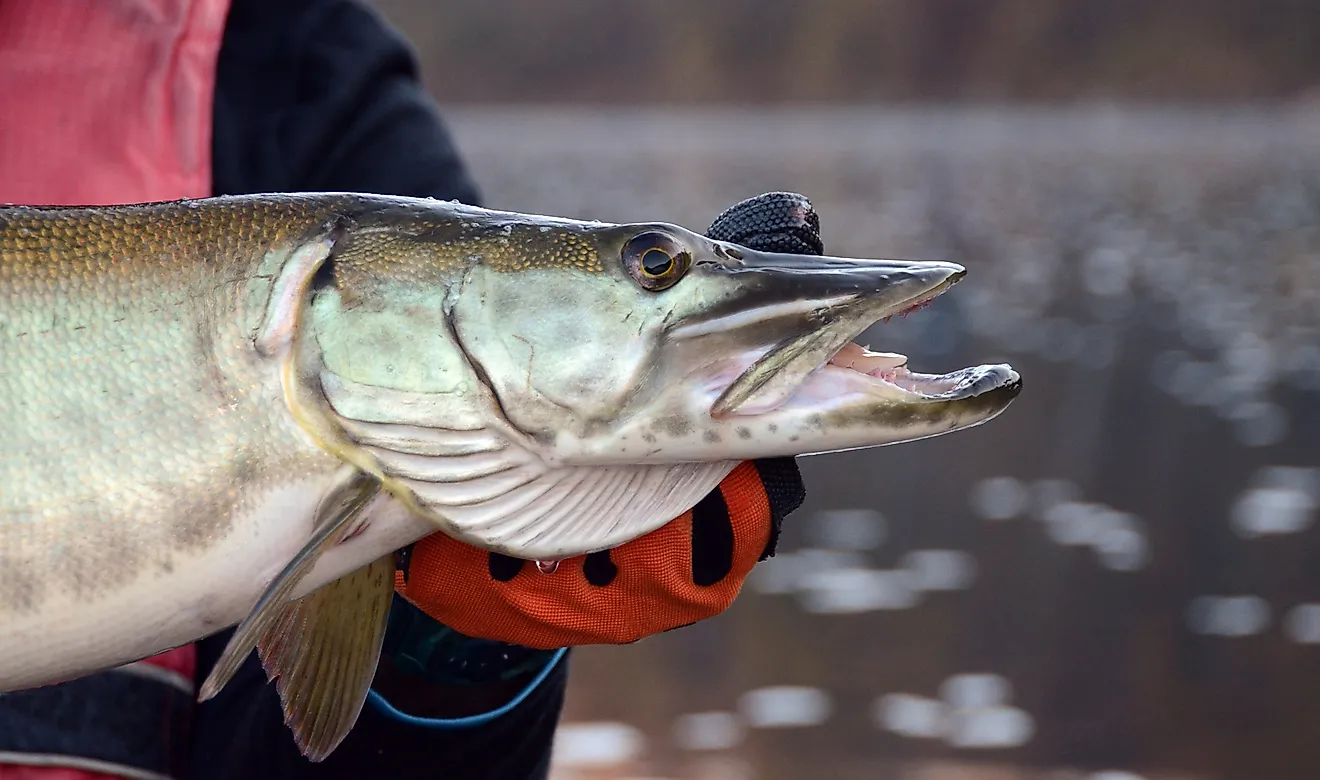
Another negative impact of Grass carp is that they can eat weed beds that serve as spawning and nursery areas for native fish. By eating these weed beds, the Grass Carp interferes directly with the reproduction of other fish, thereby decreasing native fish populations. The Grass carp is now a source of competition for food with other large fish native to the area, especially when plant food is scarce. They have also had an impact on the phytoplankton, macrophytes, and invertebrate communities native to the ecosystem. Native fishes that have been negatively impacted by Grass carp are smallmouth bass, largemouth bass, muskellunge, northern pike, walleye, and yellow perch.

Grass Carp reduces the refugia available to other fish. Refugia is the plural of refugium, which is an area of relatively unaltered climate that is inhabited by plants and animals during a period of continental climatic change (such as a glaciation). Since Grass carp eat vegetation, they don’t just affect native fish but also disrupt riverbanks and lakefronts, which also affects bird and wildlife populations. Because of the Grass Carp's presence, the food web and trophic structure have been altered, which impacts the plant, invertebrate, and fish communities native to the area. This, in turn, damages the area's ecosystem and disturbs waterfowl habitats. Not only are other fish being affected, but the impacts ripple up to other animals as well.
Through Grass Carp’s consumption of plant life, vegetation in the Great Lakes has been reduced, and scientists have predicted that if Grass Carp became more established in the Great Lakes, then it would significantly impact 33 fish species and 18 bird species.
The Importance of the Great Lakes Wetlands

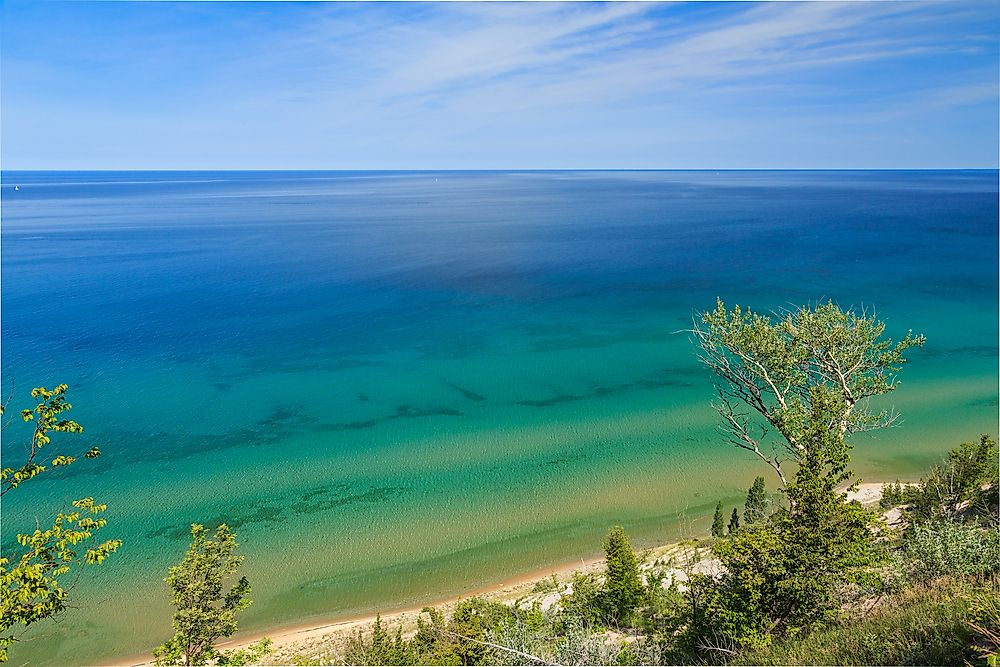
The Great Lakes provide drinking water to over 30 million people and contain more than 20% of Earth's surface freshwater. It is also home to various wildlife, including over 200 globally rare species.
While the area is a great place for recreation and tourism, it also serves to filter water, help with flood control, cycle nutrients, and support carbon storage. All of these are vital to the local ecology.
What is Being Done
Fisheries and Oceans Canada, a Canadian government department that manages Canada’s marine environments, has identified 36 locations at high risk of Grass Carp becoming established in the Great Lakes and conducts thorough early-detection surveillance in those areas. The Ontario Ministry of Natural Resources and Forestry tested for Asian carp DNA using eDNA sampling. eDNA, also known as Environmental DNA, is the genetic material shed by organisms into the water column, such as mucus, feces, or tissue particles.
In 2023, the Lake Erie Committee and the Great Lakes Fishery Commission released a 2024-2028 Adaptive Response Strategy. Their objectives are to improve understanding of Grass carp's impacts to inform effective management actions, remove fish and block access to preferred habitats, and minimize the likelihood of the introduction and establishment of breeding populations in tributaries and nearshore areas.
Acoustic telemetry has also been used to understand Grass carp movements. Acoustic telemetry uses sounds to track fish, and underwater acoustic receivers collect data from fish tagged with acoustic transmitters. With information gained from acoustic telemetry, scientists can now determine how management strategies can be improved. While scientists and government agencies are tirelessly working to protect the Great Lakes, they are encouraging people in the area to learn to identify these carp and report all sightings.
The Future

Managing invasive species is incredibly difficult, and Grass carp are no different in the Great Lakes. Luckily, with so many organizations devoted to protecting the Great Lakes and the surrounding wetlands, there is hope that we can actively keep out the Grass carp so they do not contribute to the destruction of such a diverse ecosystem. It is also important that people know what a grass carp looks like, and if ever spotted in the Great Lakes area, to immediately note the location and report their findings. It takes everyone to help keep the Great Lakes wetlands safe.