Six Most Snake-Filled Bodies Of Water In Nevada
Nevada is home to about 28 snake species, including five venomous rattlesnakes. The state has no native aquatic snakes, yet it has rattlesnakes and garter snakes, including water-loving semi-aquatic garter snakes. Nevada’s riparian corridors and adjacent rocky or brushy habitats can provide cover, prey, shade, and water for some snake species, especially in arid regions. Although snakes are cold-blooded, they still rely on these essential riparian zones, especially in Nevada’s deserts. These snake-filled bodies of water are lifelines for snakes, providing cover, high concentrations of prey, and water for drinking and cooling. You may even spot the occasional garter or rattlesnake swimming past your kayak as it escapes predators or moves between shoreline habitats. Read along to learn more about the prime habitats of these slithery critters and how you can best protect yourself from them.
Pyramid Lake

Pyramid Lake in Western Nevada is the largest natural lake in the state. Its waters are leftover from Lake Lahontan, a prehistoric superlake that covered much of northern Nevada during the last Ice Age. At 30 miles long and 7 to 9 miles wide, this desert oasis is a centerpiece of the Pyramid Lake Indian Reservation. Tribal permits are required to boat, swim, fish, and camp here, and you will also want to be on alert for snake life.
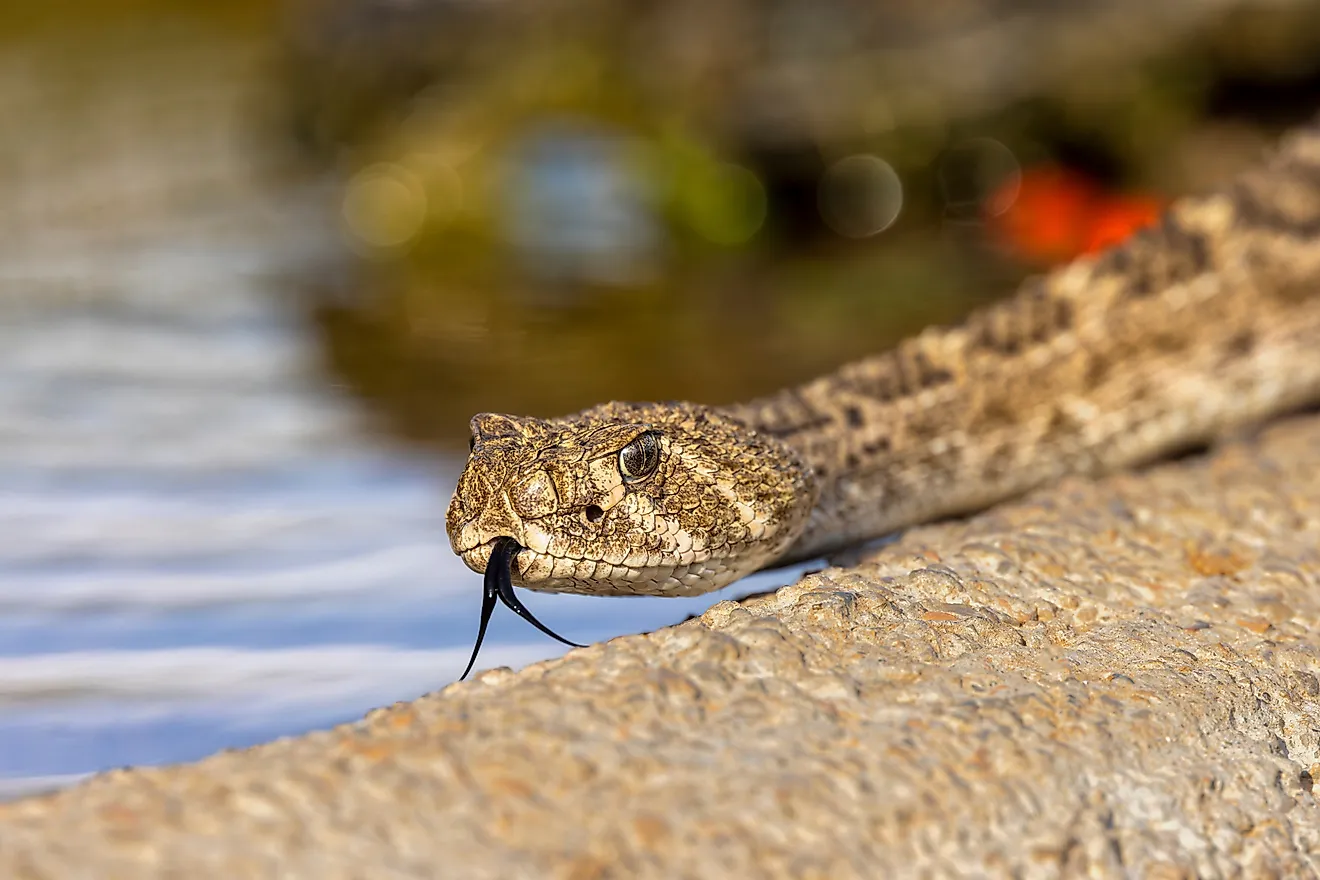
In the late 1800s, the Paiute people shared legends of their ancestors seeing an enormous snake in Pyramid Lake. Today, you won’t spot this fabled 200-foot serpent, but you may cross paths with certain snake species. Venomous Western rattlesnakes (Crotalus oreganus) are a common sighting, particularly their subspecies, the Great Basin rattlesnake (Crotalus oreganus lutosus). Harmless gopher snakes (Pituophis catenifer) are also commonly seen at Pyramid Lake. Both are drawn to the area’s riparian margins and rocky borders.
Truckee River

The Truckee River flows out of Lake Tahoe, ending in Pyramid Lake about 121 miles in. Before emptying into the tribal lake, this powerful waterway works along the way, watering farmland and draining parts of the Sierra Nevada mountains. Outside this role, the Truckee River is a popular recreational area. Whitewater rafting is a popular pastime at Truckee River Whitewater Park. Fly fishing is also prominent at waterfront spaces like Mayberry Park and Idlewild Park.
The Sierra garter snake (Thamnophis couchii) is drawn to the Truckee River’s riparian vegetation and rocky borders. These natural features allow the reclusive species to bask and hunt in the shade. Sierra garter snakes are also strong swimmers, making it likely to spot them in the water. Swimming allows the snake to escape predators, regulate body temperature, and hunt. Although Sierra garter snakes possess mild venom, it is harmless to humans. Instead, the venom immobilizes small prey, namely fish and amphibians such as frogs.
Lake Tahoe

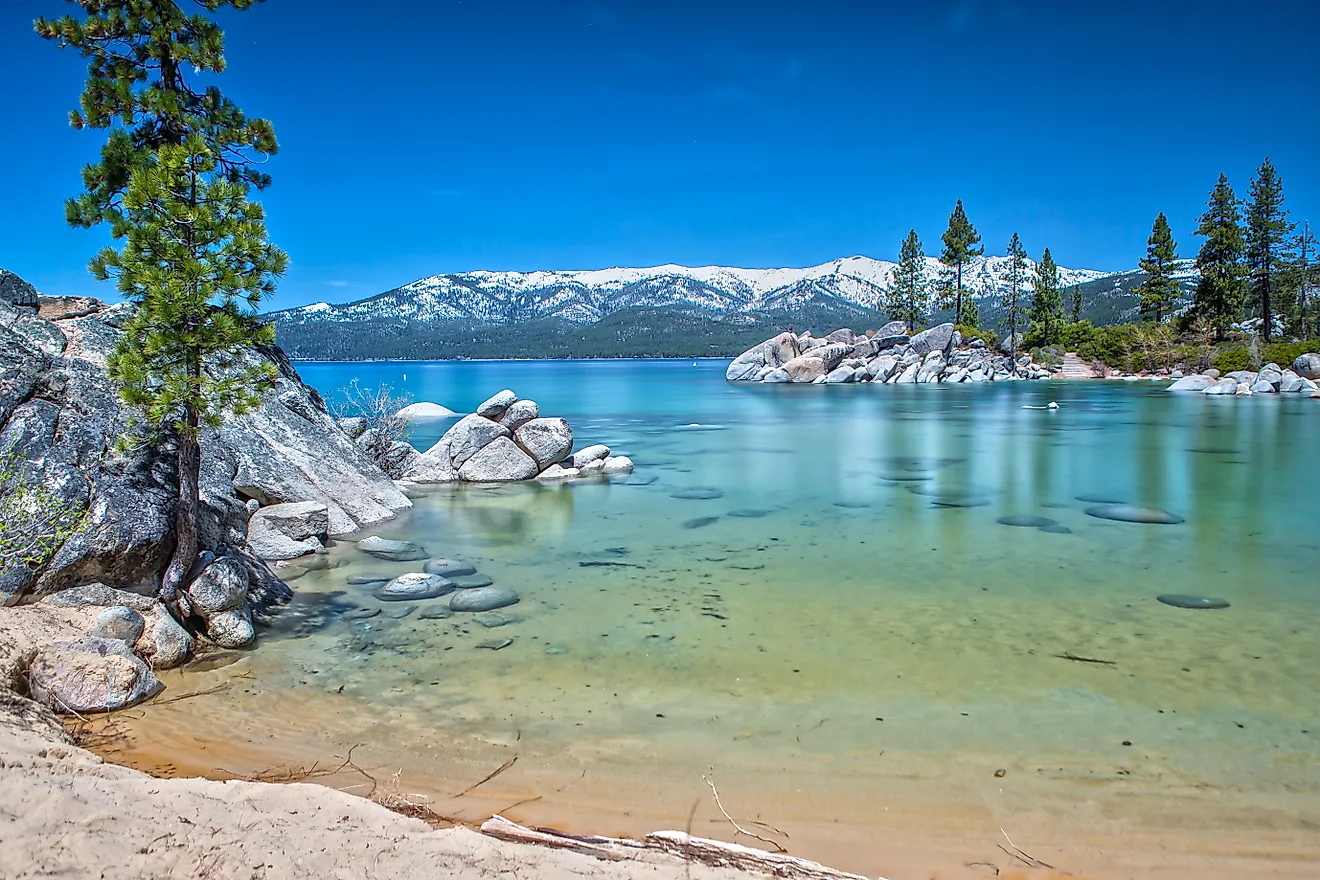
Straddling the California-Nevada border, Lake Tahoe is the largest alpine lake in North America. The Sierra Nevada lake derives from the Washoe ‘Da ow a ga,’ meaning ‘edge of the lake.’ 22 miles long and 12 miles wide, its surface area spans 191 square miles, and its shoreline is 72 miles. Beyond its size, bright-blue Lake Tahoe attracts millions each year for its photogenic scenery and recreational activities. At Sand Harbor State Park, beachgoers can kayak and swim with mountain views. Adventurous hikers can also sightsee and wildlife watch on the Tahoe Rim Trail Loop.
Lake Tahoe is home to a wide range of wildlife, including several snake species. Shore vegetation and abundant prey are major draws for garter snakes. Although these shy creatures try to avoid human interaction, sightings are common because they are abundant. Less commonly, Northern rubber boas (Charina bottae) can be found in various habitats around Lake Tahoe. Non-venomous and docile, these rubbery-looking snakes thrive in riparian areas, woodlands, and mountainous spaces. Additionally, Lake Tahoe is home to the Western rattlesnake, specifically its Northern Pacific and Great Basin subspecies. The Tahoe Rim Trail Association often warns hikers of rattlesnake sightings on its namesake trail.
Lake Mead

Lake Mead is the largest reservoir in the United States, formed by damming the Colorado River. Located in Nevada and Arizona, this expansive lake spans 157,418 acres, holds 9.3 trillion gallons of water, and has 759 miles of shoreline. In addition to supplying drinking water for 25 million people, the reservoir draws millions of visitors to Lake Mead National Recreation Area each year. On the Nevada side, Boulder City has a great canoe/kayak launch and access to Boulder Beach. Boating is also offered at the Lake Mead Marina, while anglers can cast a line from the Hemenway Fishing Pier.
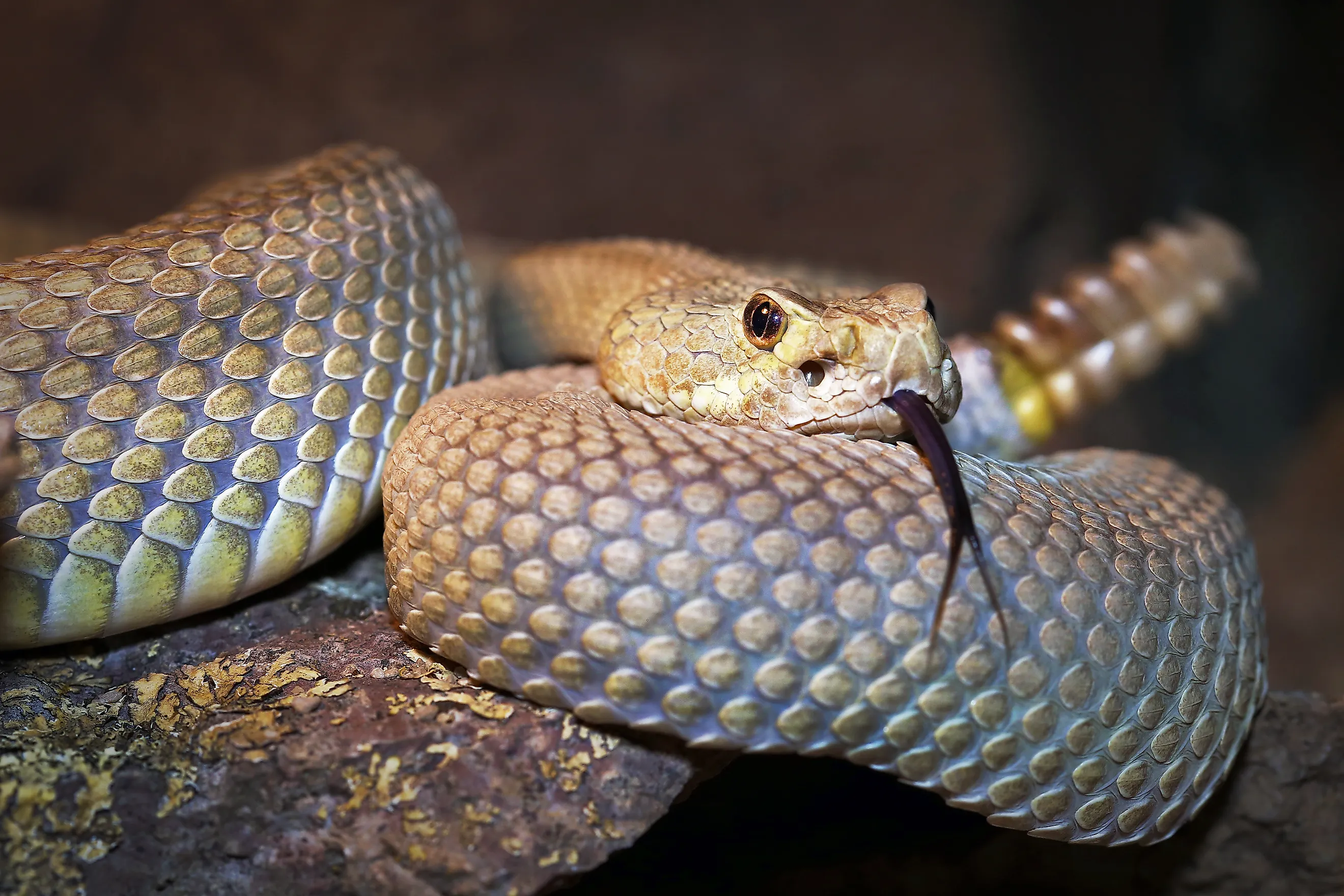
Forty-one species of reptile live in Lake Mead National Recreation Area, including 4 types of rattlesnake. Drawn to the area’s canyons and rocky shorelines, these venomous species include the sidewinder (Crotalus cerastes), Mojave (Crotalus scutulatus), Southwestern speckled rattlesnake (Crotalus pyrrhus, according to the Nevada Department of Wildlife), and Western diamondback (Crotalus atrox). Lake Mead’s warm climate and snake-friendly desert terrain also attract countless non-venomous species. Gopher snakes and California kingsnakes (Lampropeltis californiae) are both commonly spotted on rocky slopes and near the water's edge.
Lake Mohave

Lake Mohave is another massive man-made reservoir formed by damming the Colorado River. The lake is sandwiched between the Hoover Dam and Davis Dam, stretching about 67 miles along the Nevada-Arizona border. The waterway is another centerpiece in Lake Mead National Recreation Area, making it a significant site for outdoor fun. Nevada’s side of the lake is home to boating and watersport sites like the Cottonwood Cove Resort & Marina. At Nelson's Landing, Lake Mohave is also a hub for swimming, hiking, and cliff jumping.
Humans are not the only ones drawn to this Mojave Desert reservoir. Non-venomous snakes are abundant here, including coachwhips (Masticophis flagellum), California kingsnakes, and long-nosed snakes (Rhinocheilus lecontei). Venomous rattlesnakes in the broader Lake Mead National Recreation Area include sidewinders, Mojave rattlesnakes, speckled rattlesnakes, and western diamond-backed rattlesnakes; so make sure to keep a safe distance there. While the first pair prefer to flee or hide from predators, diamondbacks have a highly defensive temperament. They favor rocky desert washes, grasslands, and hillsides, but you should watch your step regardless of where you are.
Carson River

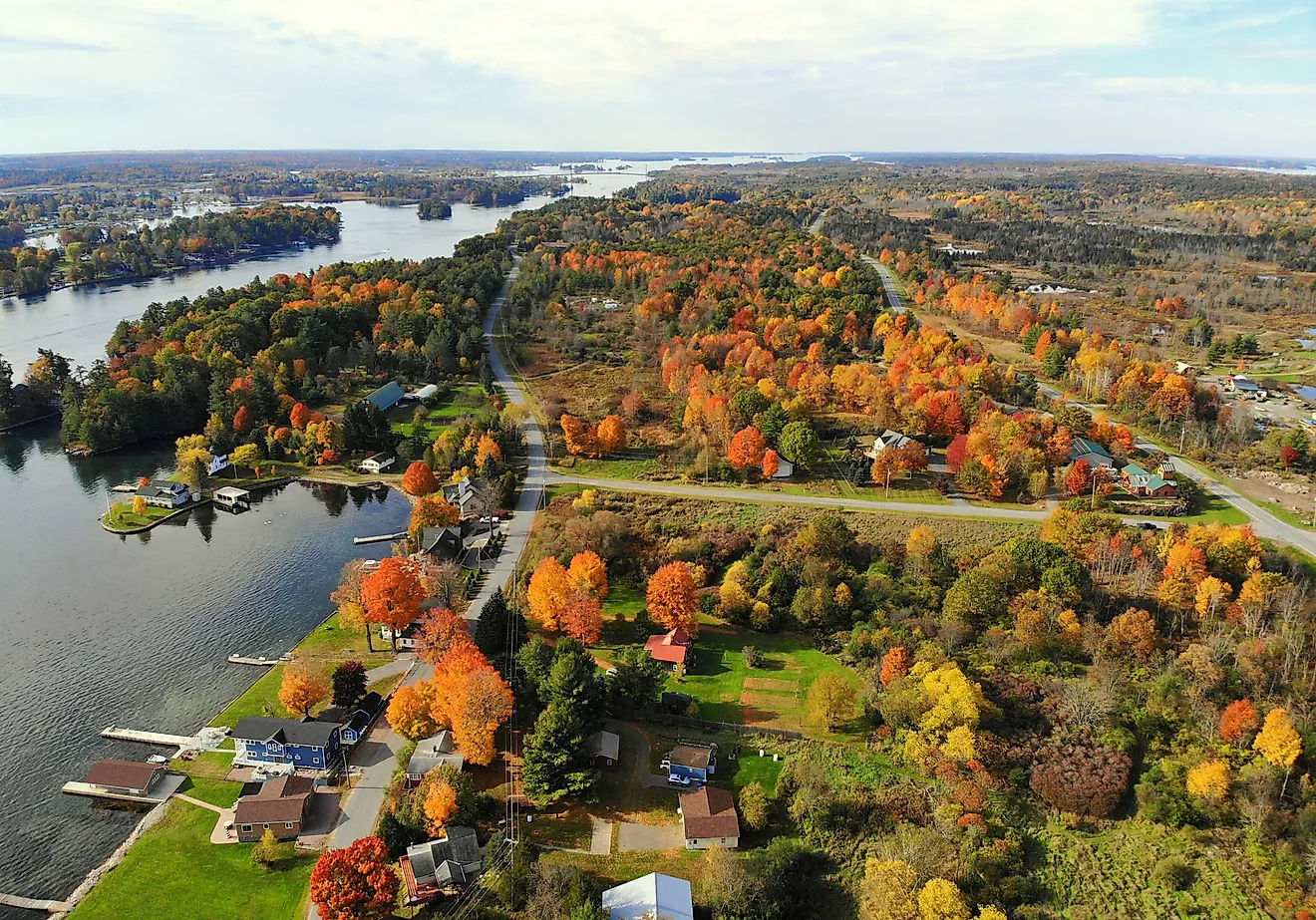
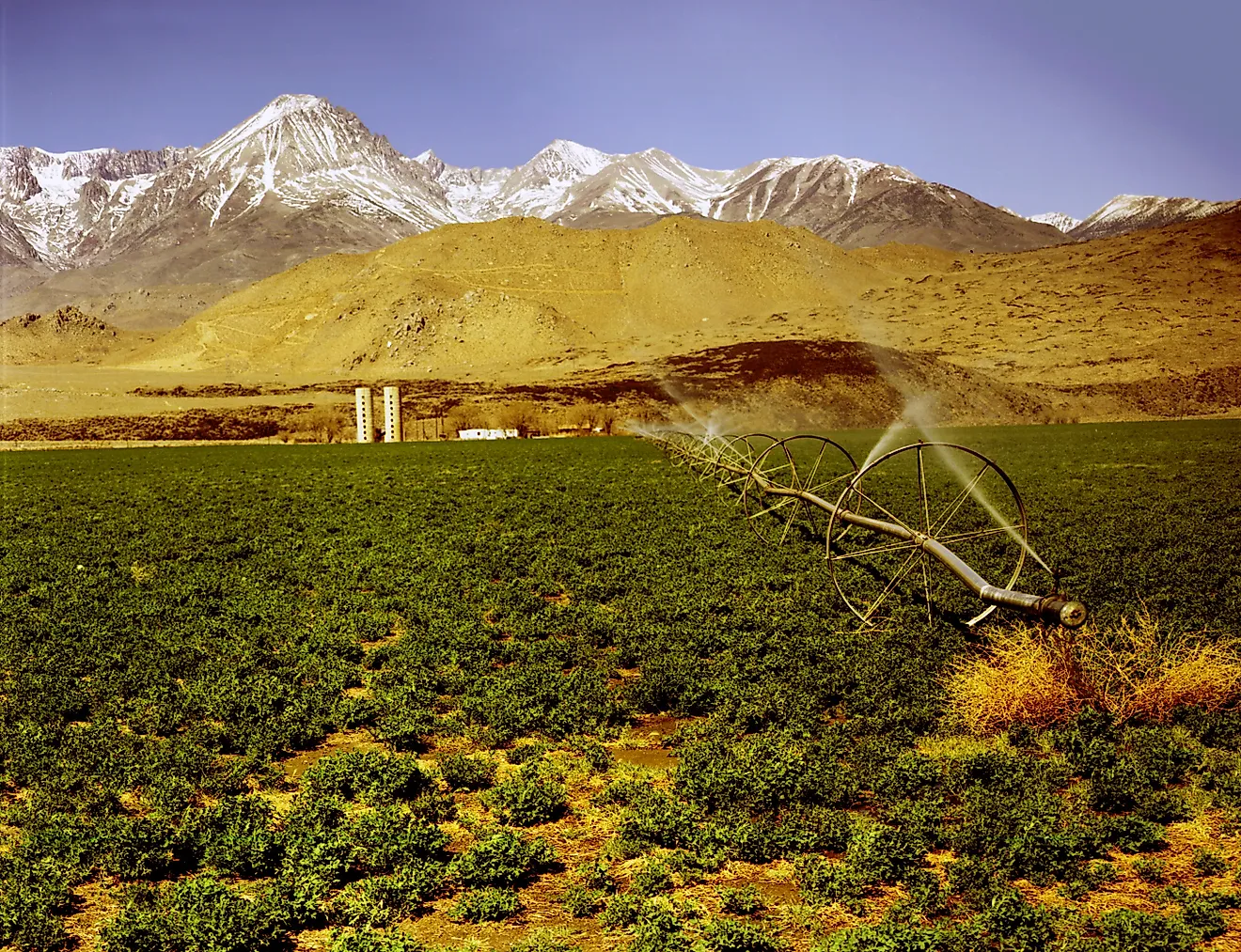
The Carson River is an ecological lifeline, formed by headstreams in California’s Sierra Nevada mountains. The waterway runs 125 miles into Nevada’s Carson Desert before spilling into the Carson Sink. The river serves as a “Ribbon of Life” in the desert’s otherwise arid domain, supplying wildlife with wetlands and agriculture with water. At places like Carson River Park, the waterway is also a recreation haven for boating, fishing, and hiking the river’s edge.
The Carson River flows from Sierra Nevada headwaters in eastern California into western and west-central Nevada before terminating in the Carson Sink, and it overlaps with Great Basin rattlesnake territory. This venomous pit viper can be found throughout Northern Nevada, thriving in sagebrush habitats in the Carson River watershed. Great Basin gopher snakes also live in these habitats and are often mistaken for rattlesnakes. These non-venomous snakes not only share similar coloring and patterns, but have evolved to mimic a rattlesnake’s behavior and appearance. When warding off predators, they will inflate their bodies, flatten their heads, and shake their tails. The mimicking serves as a last resort, as they prefer to flee or hide. All the same, it is best to keep a healthy distance.
Exploring Nevada’s Snake-Filled Lakes & Rivers
For some, even the mere possibility of encountering snakes is enough to avoid a space altogether. However, snake stigma can lead to missing out on the splendor of Nevada’s prettiest bodies of water. In most cases, Nevada’s serpents want to avoid us as much as we want to avoid them. Even confrontational species, such as Western diamondbacks, offer a warning rattle and will generally only attack if provoked. That said, you should still not rely on a warning rattle. If nerves are preventing you from Lake Mead or the Carson River, just remember to stay alert, watch where you walk, and keep a healthy distance from any snakes you see. Respect nature, and it will respect you back!