8 Snake-Filled Waters In South Dakota
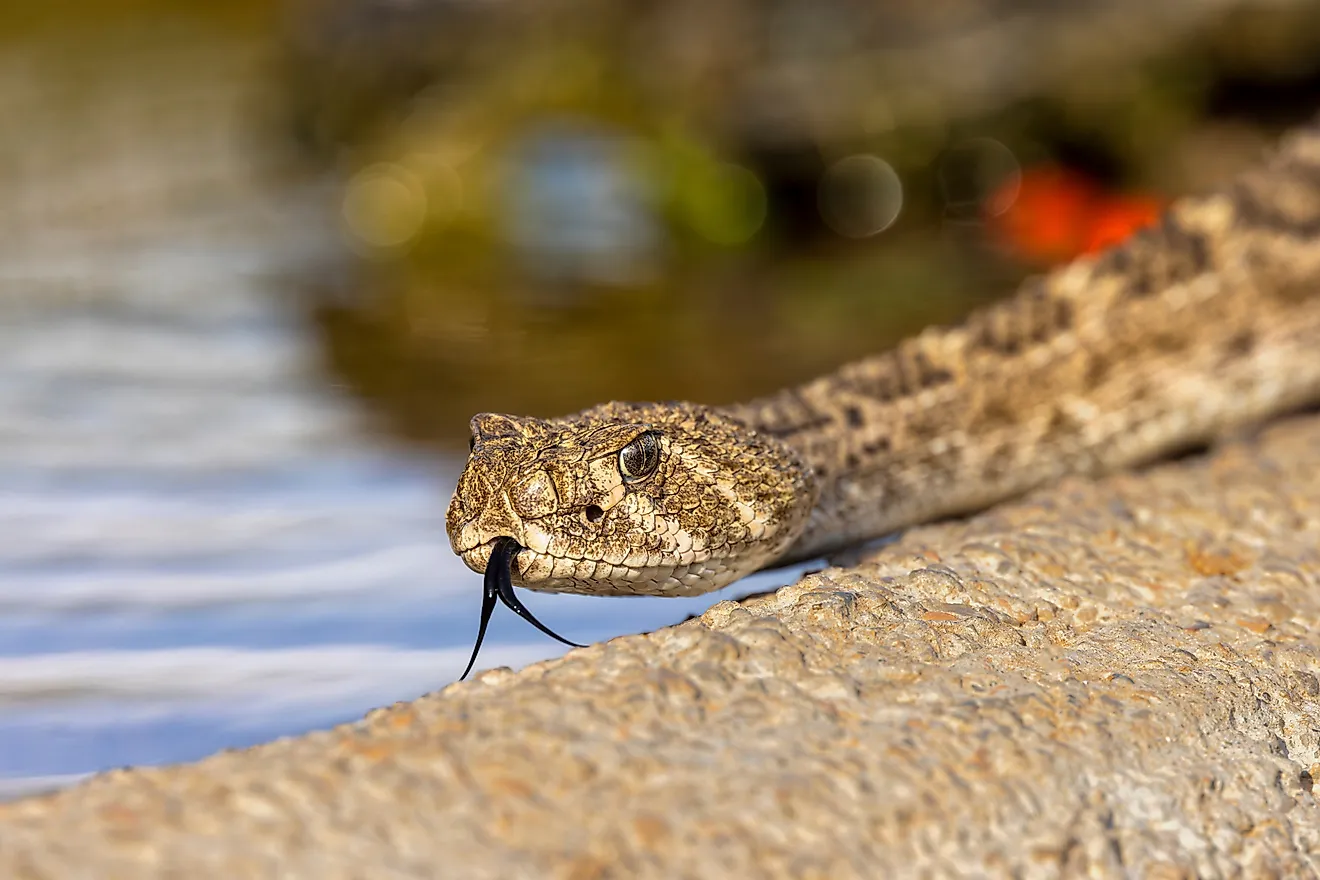
South Dakota has 17 snake species, and most stay close to water. Rivers and reservoirs create the kind of habitat these reptiles depend on with steady prey and terrain that holds heat. The prairie rattlesnake is the only species that presents a real risk to humans. It lives mainly in the western part of the state and avoids conflict when given the chance. The remaining species are all nonvenomous, keeping rodent populations in check. The waters ahead are where these habitat conditions show up most reliably.
Missouri River

The Missouri River flows 2,341 miles from Three Forks, Montana, to its confluence with the Mississippi River near St. Louis. A long stretch crosses South Dakota. The floodplains and riparian corridors along that stretch support large rodent and amphibian populations that attract bullsnakes and garter snakes. Bullsnakes grow more than 6 feet long and move quickly through grass and brush.
Their brown markings often cause people to mistake them for rattlesnakes, but they are not rattlesnakes. The simplest way to tell them apart is that bullsnakes have no rattle and prairie rattlesnakes do. Prairie rattlesnakes stay on the dry bluffs above the river rather than along the shoreline. Staying on marked trails and watching the ground reduces the chance of an encounter.
Cheyenne River

The Cheyenne River runs from northeastern Wyoming across western South Dakota before joining the Missouri River at Lake Oahe. Rock outcrops and dry slopes along the river provide ideal conditions for prairie rattlesnakes. They use exposed areas to bask and regulate body temperature.
Bullsnakes and Eastern yellow-bellied racers also patrol the river valleys, hunting rodents drawn to the water. Most encounters happen when a snake is accidentally disturbed in rocky areas or tall grass. The Cheyenne is remote. Most visitors come for fishing and solitude. If you stay on marked paths and watch your footing in rocky terrain, the snakes will almost certainly keep their distance.
Big Sioux River

The Big Sioux River originates in Grant County and flows 420 miles south before joining the Missouri River near Sioux City, Iowa. Wetlands, backwaters, and grassy banks along its eastern South Dakota corridor support plains garter snakes and lined snakes. They appear frequently where frogs and small fish gather.
Eastern hognose snakes live in the sandy soils and open grassland beside the river. When threatened, the Eastern hognose flattens its head and hisses loudly. If the performance doesn't work, it rolls onto its back and plays dead with convincing commitment. It rarely bites people. Its mild venom is mainly useful for catching frogs.
Lewis and Clark Lake

Lewis and Clark Lake stretches along the Missouri River on the South Dakota-Nebraska border. Its wetlands, wooded banks, and prairie grasslands support several snake species. Plains garter snakes appear regularly near the water's edge. Prairie rattlesnakes are found on the rocky bluffs above the shoreline. Most sightings happen when someone crosses rocks without looking first.
The prairie ringneck snake is also present in the surrounding area. Small, secretive, and rarely seen, ringneck snakes spend most of their time under rocks, logs, and leaf litter. The yellow or orange band around the neck is the easiest way to identify one. Their venom is mild and poses no practical threat to humans.
Lake Oahe

Lake Oahe stretches 231 miles along the Missouri River through North Dakota and South Dakota, making it one of the largest reservoirs in the United States. Prairie grasslands, coulees, and rocky bluffs surround much of the shoreline. It includes dry slopes that prairie rattlesnakes use for basking and shelter.
Bullsnakes hunt the grasslands above the lake where rodents and ground squirrels are plentiful. Wildlife officials note that rattlesnake activity sometimes increases when water levels change, pushing snakes into smaller areas of exposed ground along bluffs and rocky slopes. Watch your footing when stepping over logs or walking through tall grass.
Lake Francis Case

Lake Francis Case extends along the Missouri River in southeastern South Dakota, formed after the construction of Fort Randall Dam in 1952. Prairie grasslands and rocky slopes line much of the shoreline. This provides shelter for prairie rattlesnakes that use rock crevices and sun-exposed ground for basking. Bullsnakes patrol nearby prairie where rodents supply steady prey.
Snake Creek Recreation Area protects 695 acres of prairie and shoreline terrain to the west of the lake. The grassland, brush, and rocky ground make it one of the most productive snake habitats along the Missouri River corridor. Prairie rattlesnakes are most active in summer, which is also when the campgrounds fill and the boats go in. Watch your step near rocky terrain and tall grass.
Sylvan Lake

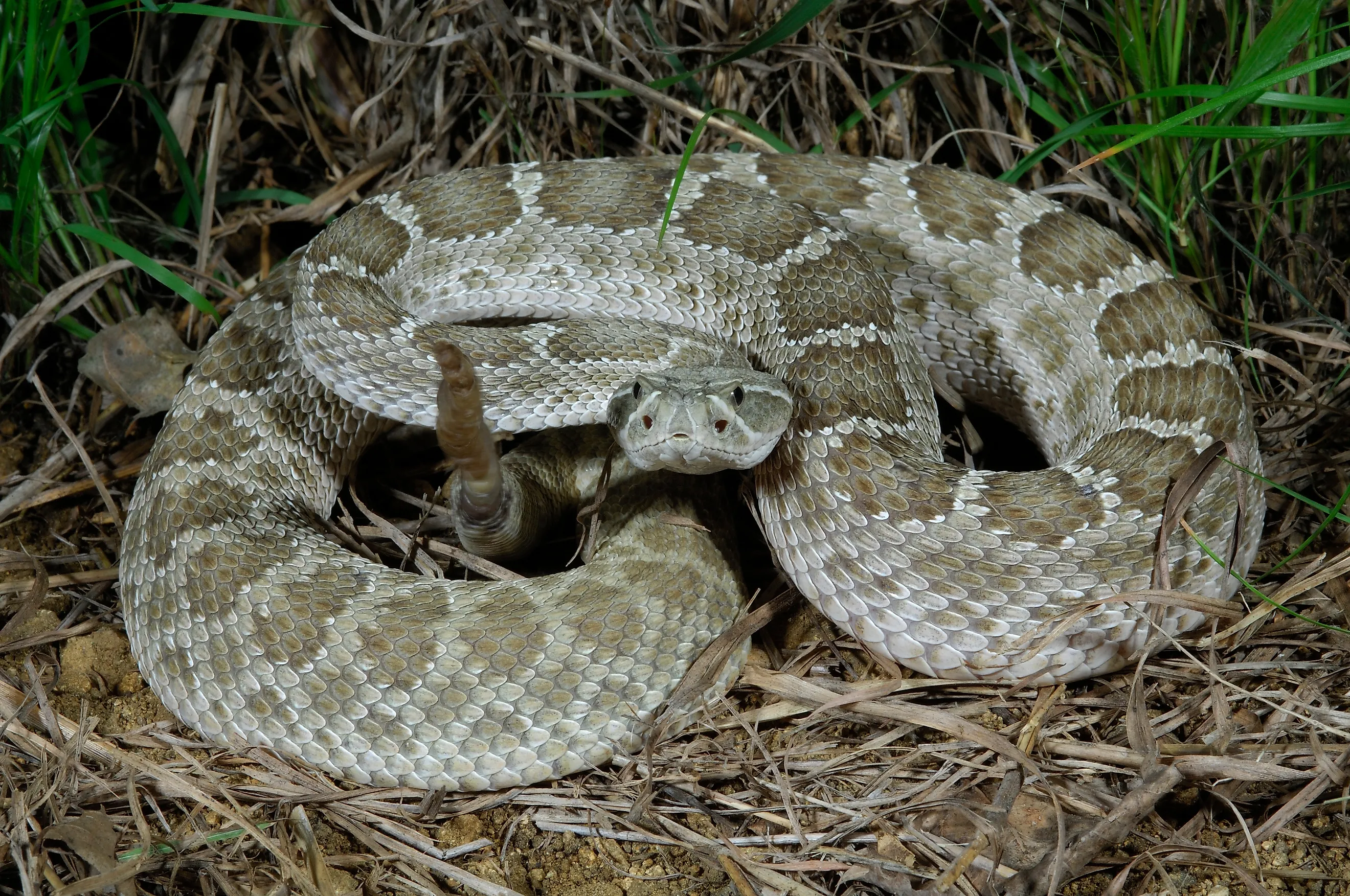
Sylvan Lake sits inside Custer State Park in the Black Hills. Workers created the 17-acre lake in 1881 by building a dam at Sunday Gulch. Large granite formations surround the shoreline, and sunlit rock outcrops provide good basking habitat for prairie rattlesnakes. Adults reach about 50 inches long and have light gray or tan scales with darker blotches on their bodies.
They are found in granite crevices, on ledges, and in grassy patches near the water. The lake draws hikers, paddlers, and rock climbers. The rock climbing routes put hands into crevices that rattlesnakes use for the same reasons: shelter and warmth. Check your footing near rock piles and logs, and avoid reaching into areas you cannot see.
Sheridan Lake

Sheridan Lake is a 375-acre reservoir on the eastern slope of the Black Hills National Forest. Wooded shorelines and open meadows support Eastern yellow-bellied racers and Eastern hognose snakes. Racers are slender, fast-moving, and nonvenomous.
They have greenish-gray or bluish scales with a pale yellow underside and are usually gone before most people register what they saw. Hognose snakes appear in sandy soils and open terrain throughout the surrounding forest. Neither species is dangerous, but both may bite if cornered or handled. Give them space and they will move along without incident.
The Wild Side of South Dakota's Waters
Snakes play an important role in the ecosystems surrounding South Dakota's rivers and reservoirs. Most species are nonvenomous and help control rodent populations that thrive near water. The prairie rattlesnake is the one worth taking seriously, and the precautions are simple: sturdy boots, eyes on the ground near rocky terrain and tall grass, and a policy of not reaching into places you cannot see. Everything else is harmless and moving in the opposite direction.