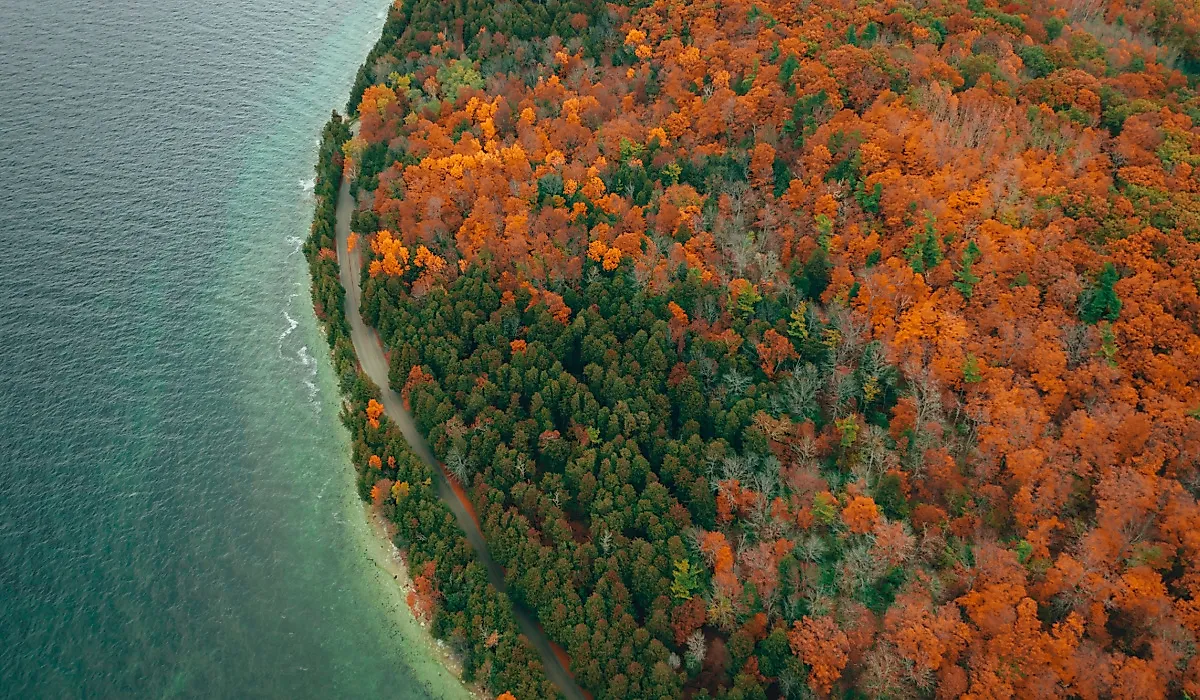
The Longest Peninsulas on the Great Lakes
The Great Lakes region consists of Lakes Superior, Michigan, Huron, Erie, and Ontario. Stretching across the United States and Canada, the Great Lakes are so-called because of their size and resemblance to the sea. These mammoth bodies of water dwarf the surrounding inland lakes that fill the region. These lakes are also dotted by peninsulas, bodies of land surrounded by water on three sides. These peninsulas are geographic wonders, characterized by unique cliffside formations and natural habitats where ongoing efforts are made to preserve local wildlife and plant life. While there is no official number of how many peninsulas are in the Great Lakes region, these are among the biggest peninsulas in the Great Lakes area by total length.
Upper Peninsula - 334 miles (538 km)

Spanning a total of 334 miles (538 km), the Upper Peninsula extends from Michigan and touches Lakes Superior, Michigan, and Huron. It is estimated that over 80% of the land is covered by forest, with nearly nine million acres of woodlands, making it a place of pristine natural beauty. This same beauty extends to the over 300 waterfalls that cascade down along the entire peninsula, with the tallest known as Douglass Houghton Falls. Standing at over a hundred feet, the falls cascade along volcanic rock cliffs. Among other natural sites, visitors to the area also enjoy Lake Gogebic, the largest inland lake in the Upper Peninsula. Stretching fourteen miles long and covering 13,380 acres, Lake Gogebic is popular with fishermen and outdoor water sports enthusiasts. The Upper Peninsula is also home to the only National Park in the state. Isle Royale, situated within Lake Superior, is renowned for its rugged natural environment, extensive hiking trails, and diverse opportunities for kayaking and canoeing.
Keweenaw Peninsula - 150 miles (240 km)

Covering 150 miles (240 km), the Keweenaw Peninsula is the second-longest peninsula in the Great Lakes Region. Yet another peninsula in Michigan, Keweenaw, has been called "the crown jewel of all the peninsulas in the Great Lakes state." It is a remote destination that ends at Copper Harbor, the town that sits the farthest distance from any US Interstate Highway, about five hours off the route. Copper Harbor is appropriately named, as the Ojibwa people of the area began the process of mining and using copper in the region more than 7,000 years ago. Guests to the area can visit the Manitou Island Light Station Preserve, situated on the remote island of Manitou. The island has been called Keweenaw's most isolated natural area. Still, it is ideal for birdwatchers and hikers, with 1,000 acres of land to explore and plenty of opportunities to head out on the water by kayak.
Door Peninsula - 80 miles (130 km)

Wisconsin extends to form the Door Peninsula, which, at 80 miles (130 km), is the third-longest peninsula in the region. Jutting into Lake Michigan, this limestone peninsula houses harbors, beaches, and wetlands that make it a beloved destination for nature lovers. Sturgeon Bay crosses through the middle of it, creating incredible views of the water from Potawatomi State Park, which sits against the shore. The park itself covers 1,200 acres and is popular among fishers and those heading out onto the water by canoe and kayak. A particularly notable geographic spot of the peninsula is the Porte des Morts, French for "death's door." The Porte de Morts is a potentially dangerous strait of water separating the peninsula from nearby Washington Island. Today, travel to the island is much safer, and it features waterside vacation resorts and numerous nature resorts that are popular among those seeking diverse regional flora and fauna.
Bruce Peninsula - 60 miles (100 km)

Jutting onto Lake Huron from the Canadian shore of Ontario, the Bruce Peninsula separates the lake from Georgian Bay. The Northern Bruce Peninsula lies within the Niagara Escarpment Biosphere Reserve, a UNESCO-designated area. These reserves are dedicated to protecting regional ecosystems and sustaining biodiversity, even in the face of ongoing local human activities. The peninsula has become a popular vacation destination, with the Bruce Peninsula National Park welcoming large crowds of visitors. The park is a favored destination for those who want to camp overnight, enjoy long hikes, and go bird watching. Among the most recognizable geographic features is the Niagara Escarpment, a crescent-shaped cliff that stretches from near Niagara Falls across southern Ontario and ends at the Bruce Peninsula. Visitors may encounter black bears, flying squirrels, and hawks, among other species that populate the area. The peninsula is also part of a Dark Sky Preserve, which means that its inhabitants have committed to preserving nighttime darkness, creating fantastic evening views once the stars come out.
Sibley Peninsula - 32 miles (52 km)

Yet another peninsula that stretches out from Ontario, Sibley Peninsula sits upon Lake Superior and extends for 32 miles (52 km). This peninsula is known as the Sleeping Giant, so named because it resembles a sleeping person. According to Ojibwe legend, the giant is Nanabijou (or Nanabozho), who turned to stone guarding the secret of a rich silver mine. That silver mine is today known as Silver Islet, a rocky island located at the tip of the peninsula, not far from Surprise Lake. Visitors to the area often enjoy time at nearby Sleeping Giant Provincial Park, situated on the shores of Marie Louise Lake. The park is renowned for its breathtaking views from Thunder Bay Lookout and the Summit of the Giant Trail. These sites offer unparalleled views of Lake Superior, but guests can also explore the grounds to find deer, wolves, and hundreds of bird species.
Leelanau Peninsula - 30 miles (48 km)

The Leelanau Peninsula is yet another Michigan-based peninsula that extends into Lake Michigan for 30 miles (48 km) and separates the lake from Grand Traverse Bay. The entire peninsula is dotted with beautiful natural areas and parks. Sleeping Bear Dunes form miles of sandy beaches against Lake Michigan while forming a border against the inland Glen Lake. Towering bluffs rise above the lake, though many visitors enjoy the Dune Climb, a romp up the sandy dunes to get a clear view of Glen Lake. A popular destination is the Clay Cliffs Natural Area, which features 1,700 feet of shoreline along Lake Leelanau and Lake Michigan. Majestic eagles can often be seen throughout the area, soaring above the outstretched woodlands and wilflower meadows. Nearby, the Manitou Islands lie offshore in Lake Michigan and boast camping sites, fishing opportunities, hiking trails, intriguing ghost towns, and wagon tours.
Long Point Peninsula - 25 miles (40 km)

Long Point Peninsula is another Ontario peninsula that stretches outward for 25 miles (40 km) onto Lake Erie. This peninsula is a sand spit, the longest spit in Canada, and is considered the best example of a combined wetland and dune ecosystem in the area. Sand spits are narrow coastal formations of sand, and long stretches of dunes characterize Long Point. The Long Point Provincial Park is one example, featuring long stretches of beaches. As one of the oldest Provincial Parks in Ontario, this is a popular destination, particularly among birdwatchers. The peninsula is also a UNESCO World Biosphere Reserve, renowned for its diverse array of plant species and numerous bird and fish species. At the far end of the peninsula, the Long Point National Wildlife Area furthers the mission of these reserves by serving as a stopover for thousands of migrating birds that pass through the area during the spring and fall.
Garden Peninsula - 22 miles (35 km)

Returning to Michigan, the Garden Peninsula stretches onto Lake Michigan for 22 miles (35 km) and divides it from the Big Bay de Noc. According to local stories, the peninsula received its name because it was a destination for native groups who travelled to the area to plant their gardens. The peninsula encompasses a section of the Niagara Escarpment, offering visitors incredible views of the cliffs that line the area. Visitors to the area often enjoy natural views of the cliffs and shoreline from Fayette Historic State Park. Fayette was once an industrial town that smelted iron ore, but today it provides a window into the state's past thanks to its historic structures that reflect life from the 19th century. The campgrounds at the south end of the park are popular among those who want to head out onto the water by paddleboat or enjoy time along the beach.
Old Mission Peninsula - 19 miles (30 km)

Extending from Michigan for 19 miles (30 km), the Old Mission Peninsula separates Lake Michigan from Grand Traverse Bay. The peninsula boasts an intriguing history as the site of the first permanent settlement in Northern Michigan. The minister Peter Douhtery built what is thought to be the first frame home in the area in 1842. Today, Old Mission State Park is a popular destination among those who enjoy the natural beauty of the region. Housing several miles of trails and 40 acres of forests, the park sits along the bay and stretches out to Mission Point Lighthouse Park. Hiking in the area is easy, as is accessing the beach, making for a beautiful day in the great outdoors. Lighthouse Park features one of the area's icons: the historic lighthouse, which first began operation in the 1870s.
Point Pelee Peninsula - 10 miles (16 km)

Point Pelee is a smaller peninsula that stretches 10 miles (16 km) into Lake Erie from Ontario. The area is dominated by Point Pelee National Park, which covers nearly the entire peninsula. However, due to the peninsula's small size, this is actually one of the smallest national parks in Canada. What the region boasts are marshes and wetlands, where visitors can travel, hike along the boardwalks, or explore by canoe and kayak. This region is also yet another Dark Sky Preserve, so stargazers will find clear views to admire at night. Animal lovers will encounter turtles, amphibians, and a diverse array of reptiles and marsh fauna. The area is also a destination for bird migration, where hundreds of bird species pass through during the spring and fall, making it an ideal stop for birdwatchers. Beaches all along the shore provide easy access to swimming spots in the water, and overnight campers will enjoy a stay at Camp Henry, where unique cabins provide shelter during the evening.
The Largest Peninsulas In The Great Lakes
What stands out about the peninsulas that fill the Great Lakes region is, of course, their great beauty. However, these same peninsulas are also often home to incredible natural reserves where local communities preserve the regional wildlife and natural sights. These ten peninsulas are the largest in the region and are filled with incredible sights to see, making them excellent destinations to live or visit.