5 Snake-Filled Waters In Victoria
Australia is home to some of the most venomous snakes on the planet, and the state of Victoria creates a comfortable habitat for many species in its rivers, reservoirs, and coastal lagoons. While encounters are relatively uncommon, the state’s temperate climate and extensive bodies of water create an ideal habitat for snakes. From the Murray River, Australia’s longest river, which is home to many different species of venomous snakes, to the coastal lagoons of Gippsland Lakes, another hotspot for highly venomous snakes, this list highlights 5 snake-filled waters in Victoria.
Murray River

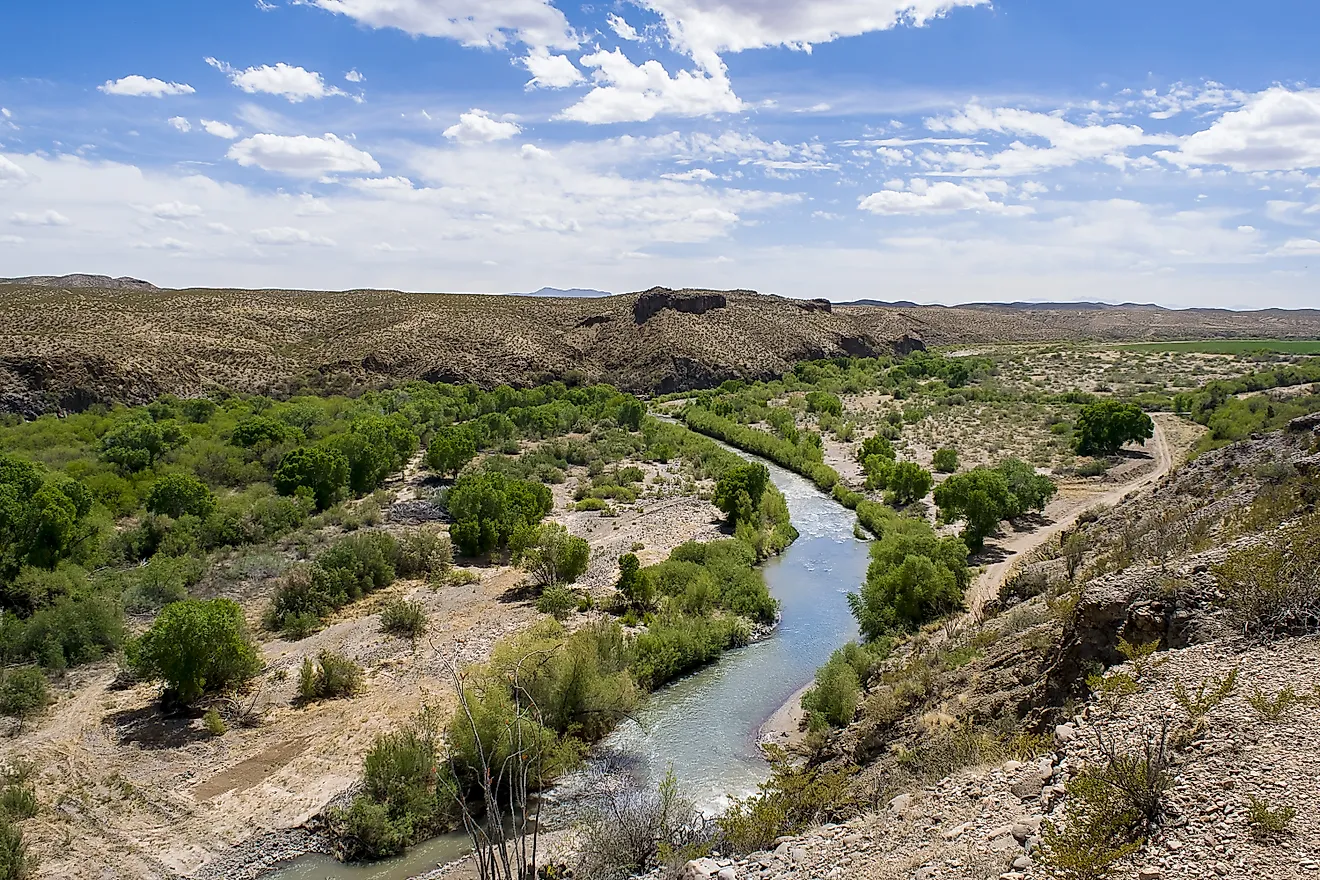
The Murray River rises near Mount Kosciuszko in southeastern New South Wales, forming the border between New South Wales and Victoria. It flows for a total distance of 1,570 miles (2,530 kilometers) before it empties into the Southern Ocean. The upper section of the river flows through mountainous terrain, whereas the central section lies on the broad and mature floodplains of northern Victoria.
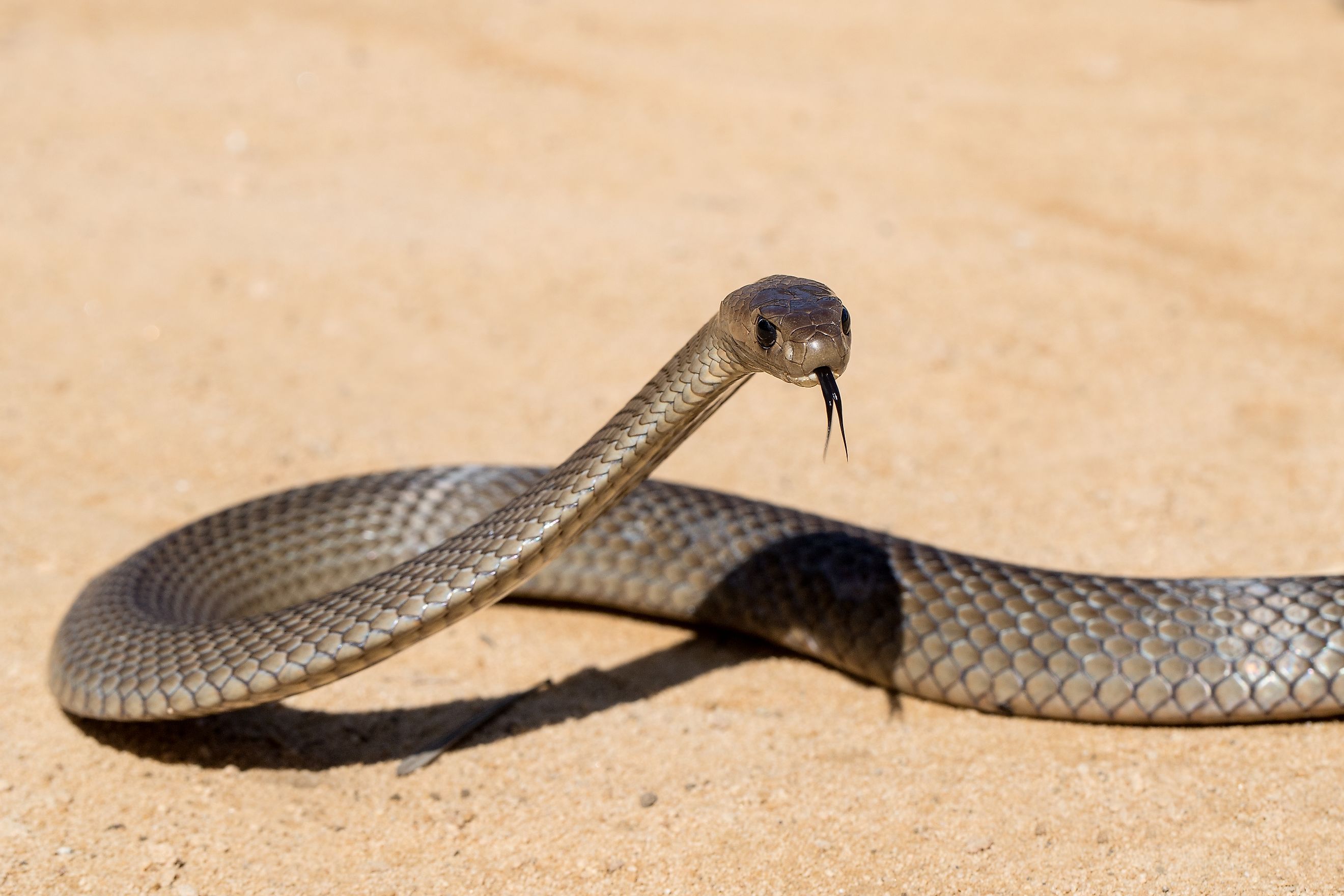
The diverse terrain the Murray River runs through supports different species of snakes. The red-bellied black snake (Pseudechis porphyriacus) is mostly found in wet lowland habitats, wetlands, and riverbanks. Eastern tiger snakes (Notechis scutatus) have been observed basking on debris in the river and swimming in it. Other snakes known to live by the Murray River are the Eastern brown snake (Pseudonaja textilis) and the alpine copperhead snake (Austrelaps superbus). All of these snakes are venomous, and caution should be exercised if you encounter them.
Yarra River

The Yarra River rises near Mount Matlock in the Eastern Highlands of Victoria. It is one of the most iconic waters in Victoria, and is a particularly valuable asset to Melbourne, through which the Yarra River flows before it empties into Hobson’s Bay at the head of Port Phillip. The river is vital to Melbourne’s social and economic well-being; however, the habitat it creates for wildlife has drawn venomous snakes into the city. A local population of tiger snakes (Notechis scutatus) exists in Melbourne’s Westerfolds Park, which sits along a bend of the Yarra River. Although tiger snakes can inhabit a wide range of habitats, they prefer areas near creeks, rivers, and swamps, making Westerfolds Park an appealing habitat. They prey predominantly on frogs but have been known to eat birds, mammals, and lizards.
Werribee River

The Werribee River originates from the Wombat State Forest and flows for 68 miles (110 kilometers) to Port Phillip Bay. The river has a diverse range of surrounding natural features, including volcanic basalt outcrops, bedrock, gorges, native grasslands, and a large wetland. It provides ample habitat for many different types of wildlife, including three snake species: the little whip snake (Suta flagellum), eastern brown snake, and tiger snake. These snakes are all venomous and terrestrial, but find shelter and prey along the river. Tiger snakes are most likely to be encountered close to the river, whereas the little whip snake and eastern brown snake are likely to be encountered in the drier, grassland areas bordering the river. They will usually seek shelter under ground debris, such as rocks or hollow logs.

Lake Tyrell

Lake Tyrell is a 120,000-year-old salt lake, occupying 70 square miles (180 square km) in northwestern Victoria. It is the largest inland saltwater lake in Victoria. It remains dry for the most part, replenished by rainfall and runoff from Tyrrell Creek. It attracts tourists because the salt formation on the lake bed creates a reflective surface, making for spectacular photo opportunities. But tourists are not the only ones who enjoy Lake Tyrell. The eastern brown snake has been observed around the lake. These snakes prefer open, dry areas such as the terrain surrounding the lake. They are most active during the day, but in extreme hot weather, they will move around at night.
Gippsland Lakes

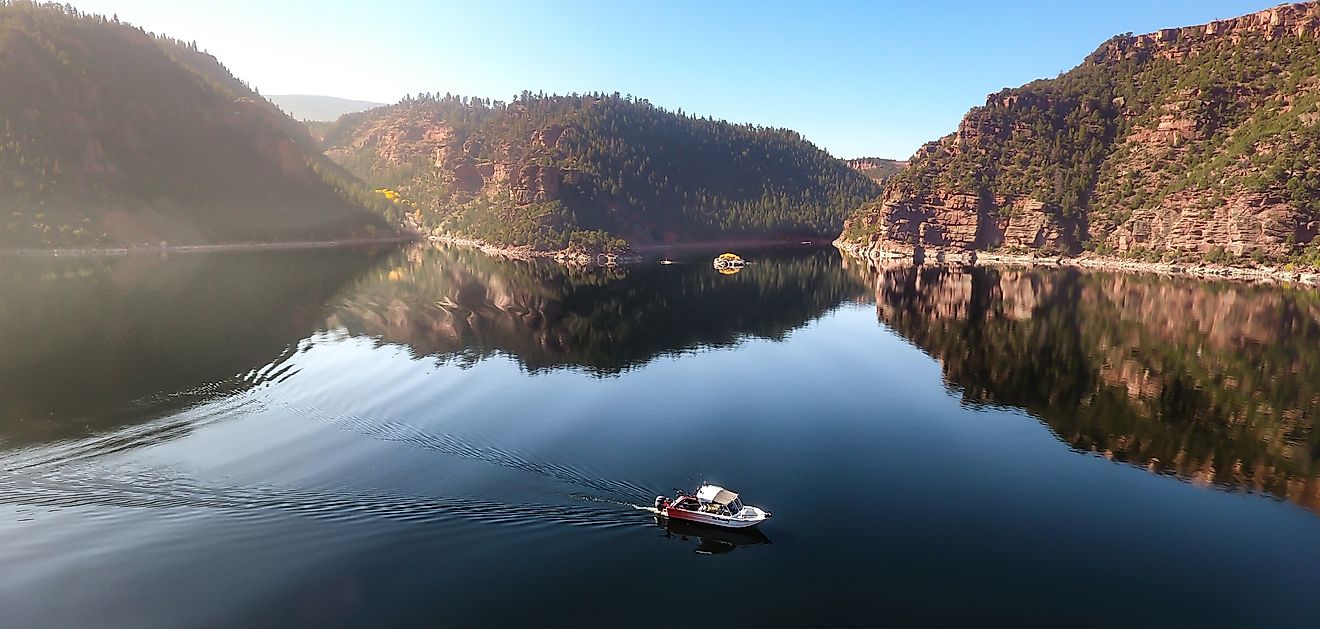
Gippsland Lakes are a chain of coastal lagoons separated from the Tasman Sea by coastal dunes of the Ninety Mile Beach. Additionally, the Latrobe, Avon, Tambo, Nicholson, and Mitchell rivers all terminate at the lakes, with the Macalister and Thomson rivers feeding into the lake system upstream. The lakes are a popular holiday destination, with a range of activities on and off the water, though boating and fishing are the main attractions. Spring is an especially popular time as visitors will see wildflowers such as orchids, wattle, and heathland in bloom.
However, snakes also begin to emerge from their winter dens in search of areas to bask in the sun, food, and potential mates. Eastern brown snakes, tiger snakes, lowland copperhead snakes, and red-bellied black snakes are all encountered in the region and are usually present around wetlands, creeks, and rivers in the area.
Venomous in Victoria

Many of the snakes you will come across around the waters of Victoria are venomous. For some people, this can be an alarming thought, especially in Melbourne, where the Yarra River provides optimal habitat for tiger snakes, leading them to venture into urban areas where people live. However, it is important to remember that most snake bites occur when people attempt to capture or handle snakes. If you find a snake on your property, it is important to seek appropriate snake control services so a professional can safely remove it. Similarly, if you are framing the perfect photo at Lake Tyrell and spot an eastern brown snake in the bushes, then give it an appropriate amount of space to move away from you on its own.