5 Snake-Filled Waters In The Pacific Northwest
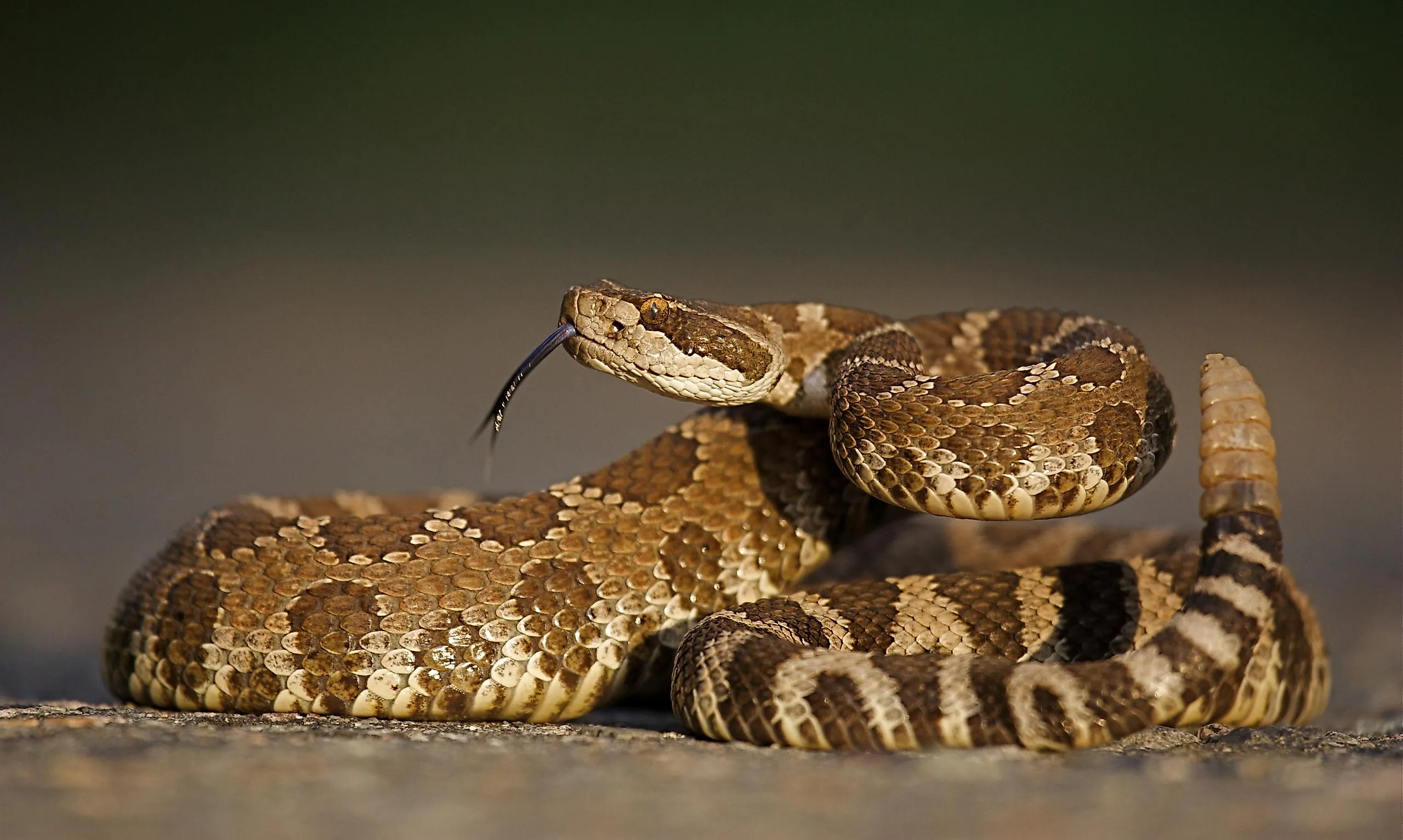
The Pacific Northwest has a vast mix of bodies of water that support a surprising diversity of snakes. From western rattlesnakes to common garter snakes, these cold-blooded reptiles can thrive along riverbanks, marshes, and shorelines warmed by the sun. Like in many northern corners of the United States, snake activity in the PNW is most noticeable in late spring and summer, making observation most productive during these months. If you intend on seeing the wilder side of the beautiful Pacific Northwest any time this year, understanding its snake habitats can enhance both safety and your appreciation of some of the West Coast's most ecologically vital bodies of water.
Columbia River Gorge

The Columbia River Gorge is a lengthy canyon that straddles the border of Oregon and Washington for more than 80 miles. The Gorge’s sun-bathed rocky slopes and lush riparian zones create multiple habitats for species such as gopher snakes, common garter snakes, and western rattlesnakes.
The area’s diverse ecosystems support abundant prey, from small rodents to amphibians, making it an appealing habitat for reptiles in general, whether snakes or lizards. In late spring and summer in particular, local snakes can often be seen basking on sunlit rocks near the river or moving through grassy fields and marsh edges.
Beyond snakes, the Gorge is known for its visually striking cliffs, waterfalls, and hiking trails, offering birdwatchers and other wildlife enthusiasts plenty of opportunities for animal encounters. All visitors should remain alert on trails, as snakes may be partially hidden among rocks and taller vegetation. Proper footwear and caution around riverbanks can reduce risk during outings in and around the Columbia Gorge.
Klamath Basin

Southern Oregon’s Klamath Basin is home to a mix of lakes, marshes, riparian shorelines, and drier rocky ground that support multiple reptile habitats. Official wildlife checklists for the basin include snakes such as the common garter snake, western terrestrial garter snake, gopher snake, racer, and western rattlesnake, giving the area a strong case as one of the Pacific Northwest’s more snake-prone wetland regions.
The basin is also one of the West’s great birding and wildlife landscapes, with broad marshes, refuge lands, and open water attracting countless other species alongside its reptiles. For visitors, that means a setting where snake habitat is not limited to a single riverbank but spread across cattail-lined channels, lake edges, and sun-warmed uplands. As always, warmer months bring the most visible reptile activity, so hikers and wildlife watchers should stay alert around rocks, reeds, and shoreline vegetation.
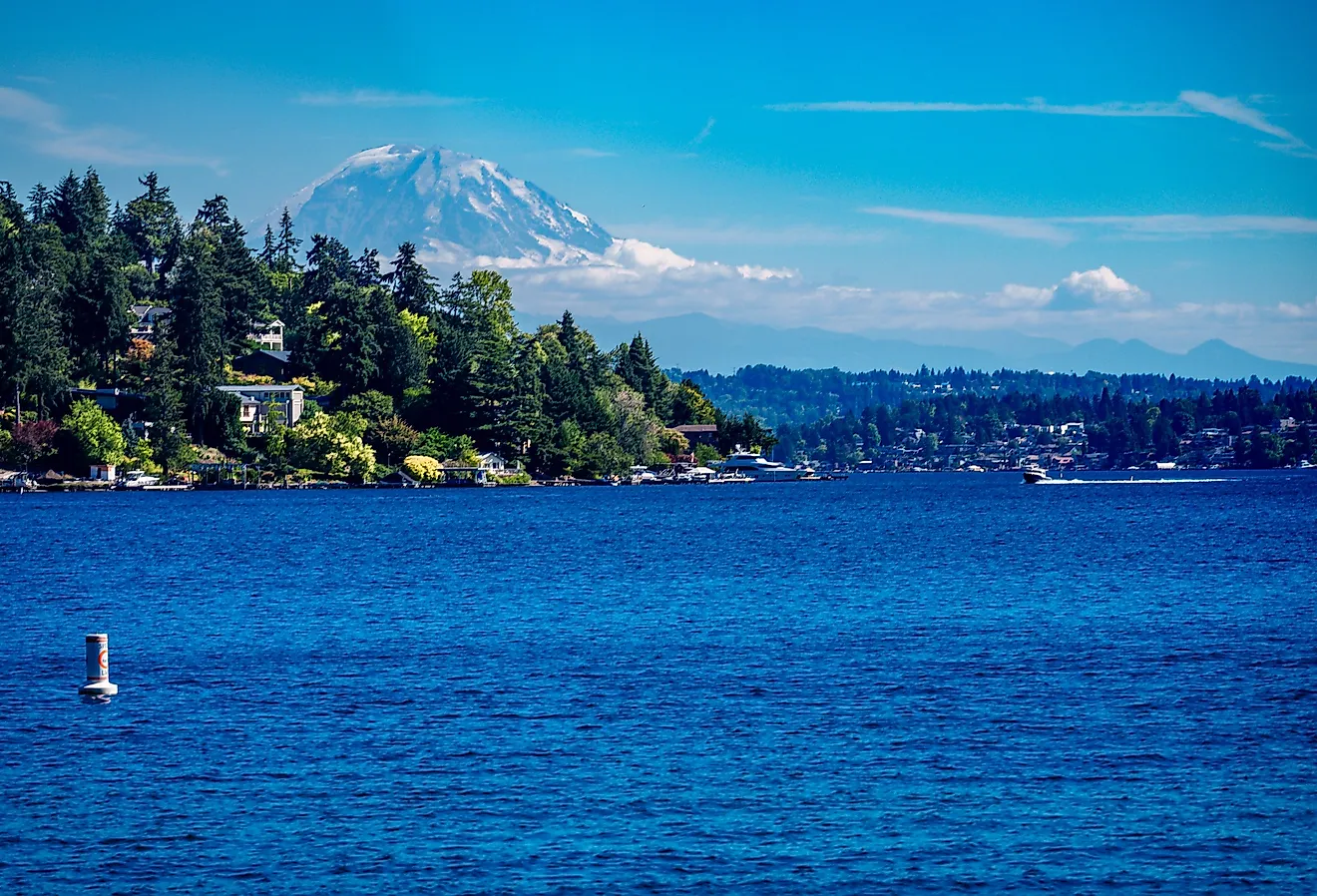
Lake Sammamish

Lake Sammamish, sitting just outside of Seattle, is a much more urban setting for snake encounters in this part of the country, particularly along its marshy edges. Western garter snakes are among the most commonly seen snakes here, while other native snakes may occasionally turn up in the surrounding grasslands and forest edges. The lake’s relatively shallow waters and abundant vegetation attract amphibians and small mammals as well, providing a steady food supply through the warmer months.
Its geography has also made it a highly popular swimming and boating destination, which can increase the chances of human-snake encounters even if snake populations here are not as concentrated as in some wilder locations on this list.
Lake Sammamish is fairly popular among the birdwatching community as well, with bald eagles and great blue herons often spotted along the shores. But regardless of why you're visiting, you can explore via the Sammamish River Trail, which offers safe vantage points for observing wildlife while minimizing the need to encroach on sensitive habitats. Water level changes can also influence snake activity, with higher concentrations on exposed banks being more common during drier months.
Snake River

The aptly named Snake River, stretching across southern Idaho into eastern Washington, boasts huge lengths of undeveloped banks, sandy bars, and warm, slow-moving sections that create favorable conditions for western rattlesnakes, garter snakes, gopher snakes, racers, and other species. Moreover, numerous tributaries and oxbow wetlands in the river's otherwise desert-like landscapes add to its habitat diversity, supporting more reptiles than many surrounding uplands and mountain ranges.
The Snake River is also known for dramatic canyons, scenic viewpoints, and recreation, mainly in the form of rafting and fishing. A dispersed network of trails along the river offers the ability to safely observe all kinds of resident wildlife if you prefer to travel on foot. Just remain cautious near rocky ledges and tall grasses, as snakes often use these areas for shelter and ambush hunting, and help in this remote portion of the country is not always close at hand.
Willamette River

The Willamette River in western Oregon flows through slower, marshy stretches that create useful habitat for snakes. In this lusher corridor, garter snakes are common near reed beds, while gopher snakes may also use drier banks, grasslands, and other sunlit edges nearby.
Tributary creeks and backwaters increase habitat variety for these reptiles, providing ample shelter and hunting grounds throughout the year. Because of that, kayakers and anglers may occasionally glimpse snakes swimming between river islands or basking on driftwood.
The Willamette also supports thriving fish, waterfowl, and beaver populations, making it a deeply diverse ecological corridor weaving through some of Oregon's busiest cities, namely Portland, Salem, and Eugene. But whether on city paths or in quieter natural stretches, hikers, paddlers, and birdwatchers alike should stay alert near reeds and logs, where snakes may remain partially hidden.
Spot the PNW's Snakes in these Beautiful Hotspots
The Pacific Northwest’s waterways, from lengthy rivers to lakes and marshes, offer a wide variety of habitats for snakes and countless other creatures. Observing these reptiles highlights the region’s ecological diversity and the complex food webs sustaining them, and by respecting their space and noting seasonal patterns, you too can safely appreciate the region’s snakes while exploring some of its most picturesque environments.