The Rivers Where Muskie Grow Largest
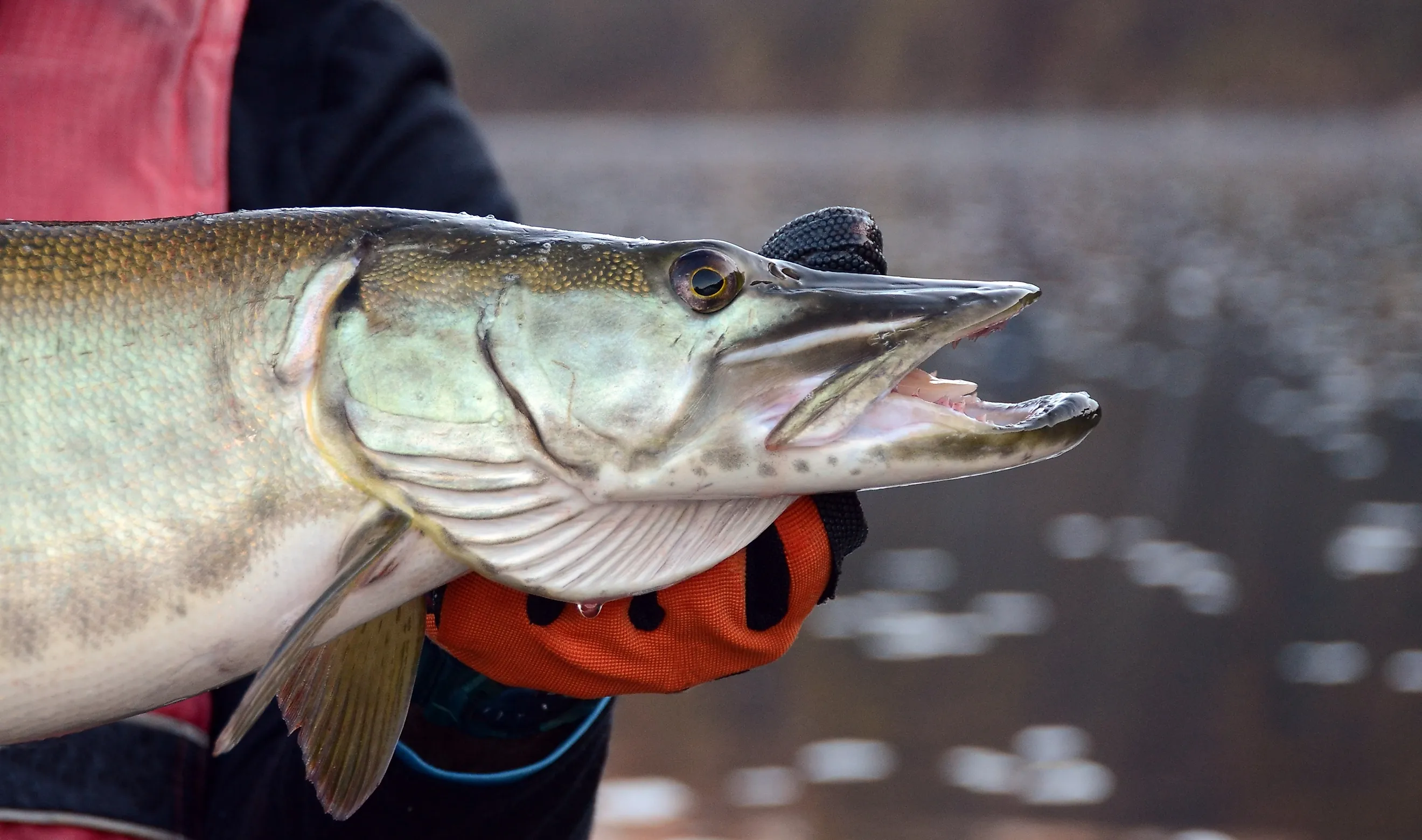
Some North American rivers grow muskellunge to more than 50 pounds and over 55 inches. The St. Lawrence River in New York has a long history of reported giants, while the Little Kanawha River in West Virginia produced a verified 51-pound muskie in 2022. In rivers, size comes down to food supply and to fish surviving long enough to grow, and few muskie live long enough to reach trophy size. Four rivers stand out for trophy muskellunge, though their records and populations tell very different stories.
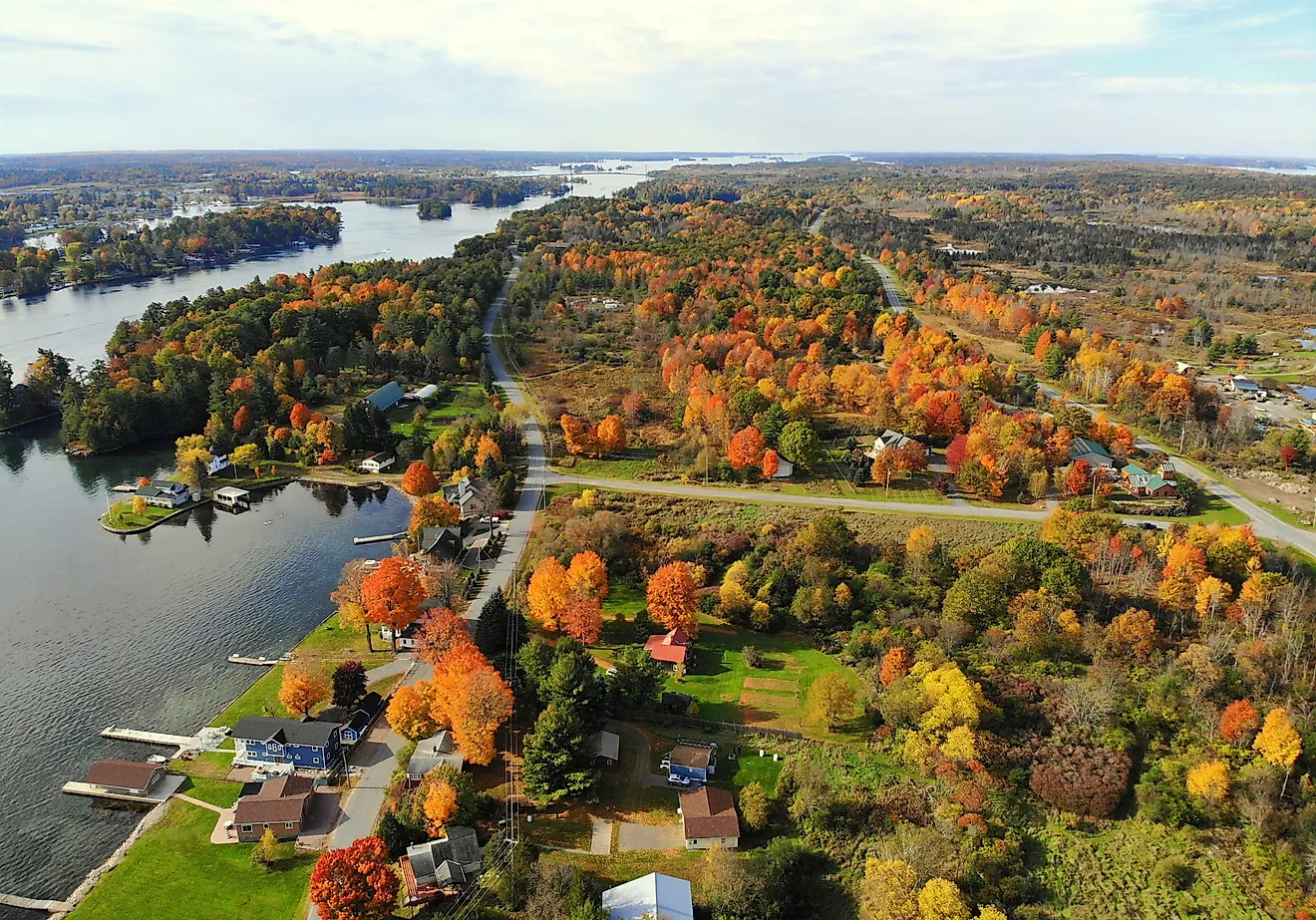
St. Lawrence River, New York, Ontario, and Quebec

The St. Lawrence has a long record of growing huge muskellunge. In-Fisherman reported a 60-inch muskie in 2011 and a 58-pound fish in 2012. The New York Department of Environmental Conservation (DEC) still lists Art Lawton's 69-pound, 15-ounce fish, reportedly caught near Clayton, New York, on September 22, 1957, as the state record. The International Game Fish Association (IGFA) and National Fresh Water Fishing Hall of Fame disqualified that catch in 1992, and researcher John Dettloff concluded the fish was considerably smaller, though his findings are also disputed. Since 2005, viral hemorrhagic septicemia virus (VHSV) has killed many adults, and experimental stocking aims to rebuild the stock.
Niagara River, New York and Ontario

The Niagara River connects Lake Erie to Lake Ontario and, with nearby Buffalo Harbor, supports the naturally reproducing spotted Great Lakes strain, known for growing very large. River-specific trophy weights are less documented than on the St. Lawrence, but the New York DEC counts these waters among its self-sustaining muskellunge populations. Intermittent surveys since 1992 show declining catches of young-of-the-year muskie, and the DEC names VHSV, invasive round gobies, other nonnative species, and habitat loss as possible causes. With the Niagara Musky Association, the DEC uses acoustic telemetry to track adults and identify spawning periods and key habitats, since a muskie must survive many years to reach trophy size.
Little Kanawha River, West Virginia

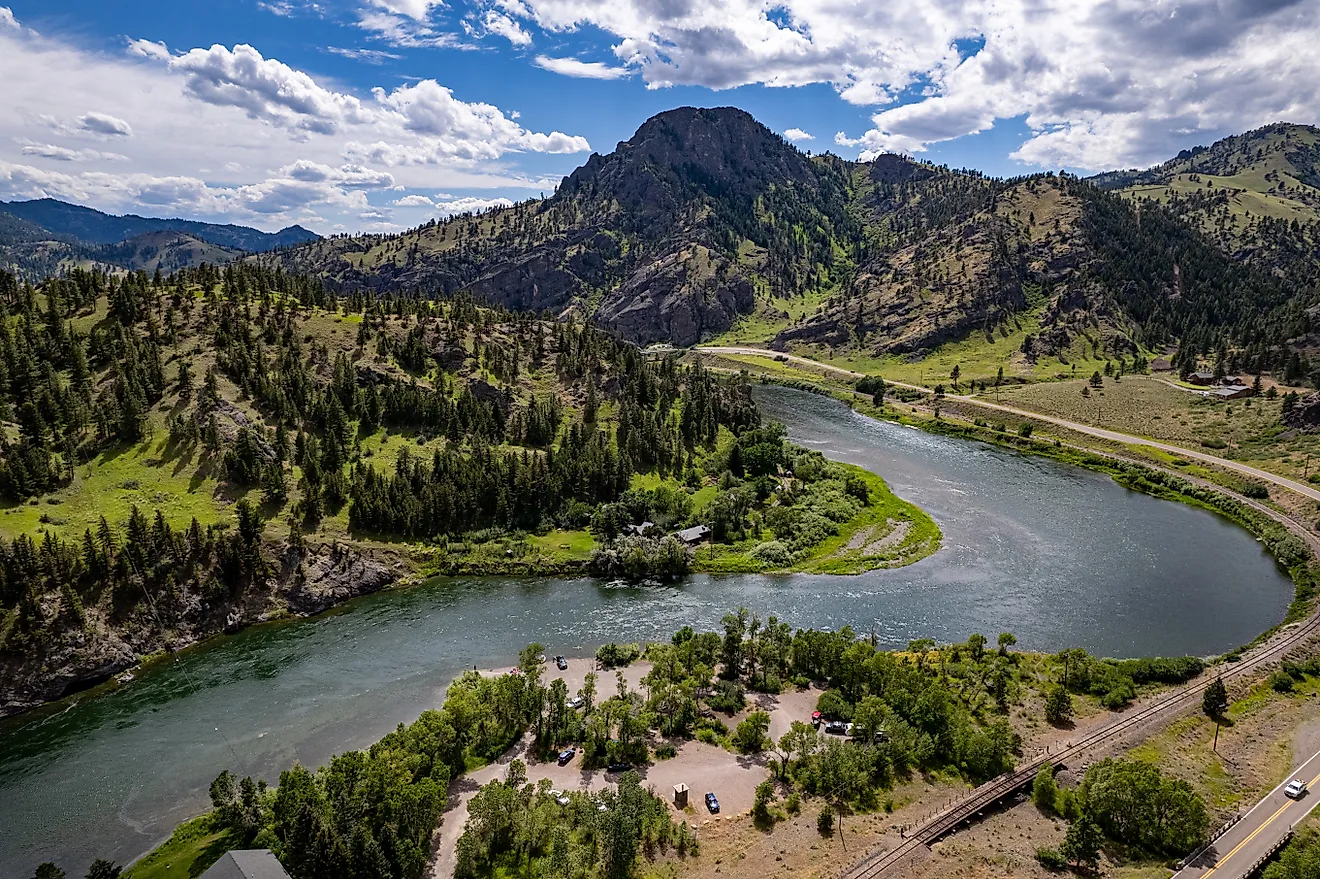
On March 19, 2022, Lucas King caught a 51-pound muskie from the bank below Burnsville Dam in Braxton County. According to the West Virginia Division of Natural Resources (WVDNR), he used a six-inch glide bait at a public access site in the tailwater. Fisheries biologist Aaron Yeager measured the fish at 55.0625 inches, setting state records for weight and length before King released it. It beat Chase Gibson's 54.0625-inch mark from 2021 and Anna Marsh's 49.75-pound record. One fish does not prove that muskie this size are common in the Little Kanawha, but it shows that this smaller river can grow a muskie past 50 pounds, as backed by official measurements.
New River, Virginia

Virginia's New River produced the state's official record muskie, a 45-pound, 8-ounce fish caught by Shannon Hill on June 1, 2007, according to the Virginia Department of Wildlife Resources (DWR). Muskellunge are not native to Virginia, and the state began introducing them into select waters in 1963, using fish obtained from other states. The New River proved suitable for reproduction, and the DWR discontinued stocking after 2011 on the stretch between Claytor Lake and West Virginia because natural reproduction could sustain the fishery. Virginia muskie can exceed 50 inches and live about 25 years, though few survive that long, so a fish of Hill's size signals real trophy potential.
River Fish and the Record Books

The three catches still competing for the largest-muskie title include only one river fish, Lawton's disputed St. Lawrence muskie. The IGFA recognizes Cal Johnson's 67-pound, 8-ounce fish, caught July 24, 1949, from Lac Courte Oreilles near Hayward, Wisconsin. The Hall of Fame and the Wisconsin Department of Natural Resources recognize Louis Spray's 69-pound, 11-ounce muskie from the Chippewa Flowage, caught October 20, 1949, though a 2005 World Record Muskie Alliance analysis questioned its dimensions. None of these specimens can now be remeasured. That makes verified river catches, such as King's 51-pound Little Kanawha fish, the clearest evidence of how large river muskie actually grow.
Room to Grow
The St. Lawrence, Niagara, Little Kanawha, and New rivers each boast some of the country's largest muskies. The St. Lawrence has produced huge reported catches but faces a serious population decline, while the Niagara still supports natural reproduction despite falling juvenile numbers. Farther south, the Little Kanawha produced a verified 51-pound fish in 2022, and Virginia's New River has a documented 45-pound, 8-ounce state record. In each of them, size depends on suitable habitat, sufficient food, and years of survival. Protecting reproduction and adult survival will decide which of these rivers produces the next giant.