Where San Diego Would Get Water If The Colorado Failed
The Colorado River is San Diego's single largest source of water, and it has been in decline for years. If those deliveries stopped, the county would not go dry the next morning. Part of the reason is already running: at Carlsbad, Pacific seawater goes into a treatment plant and comes out as tap water. What San Diego does not have is one obvious supply big enough to replace the river on its own.
Imperial Valley Transfers Still Depend On The Colorado
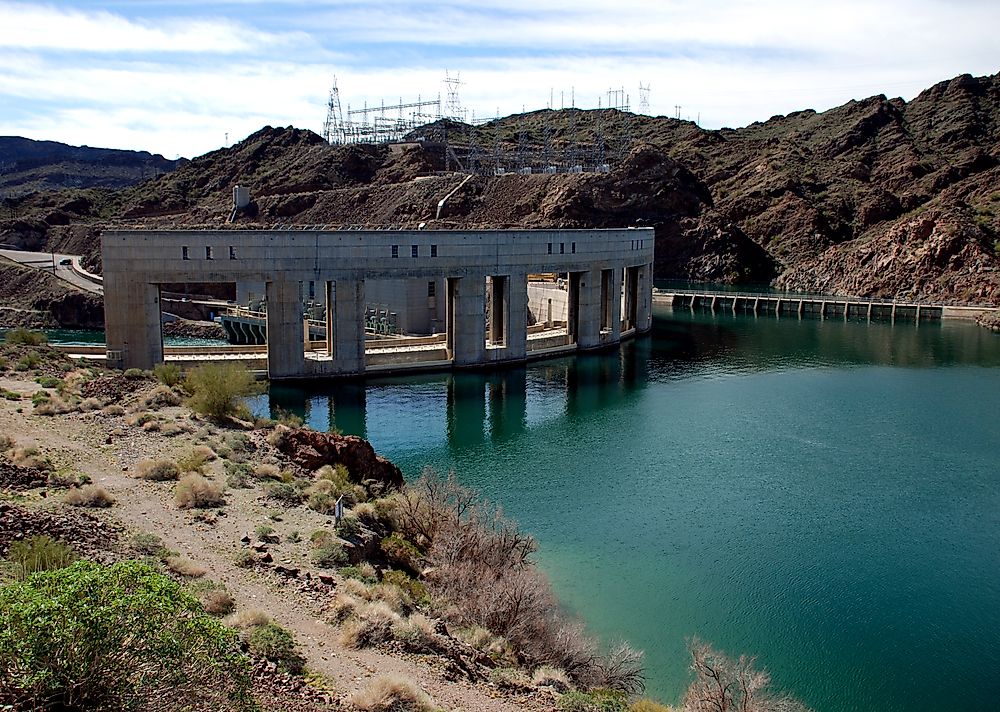
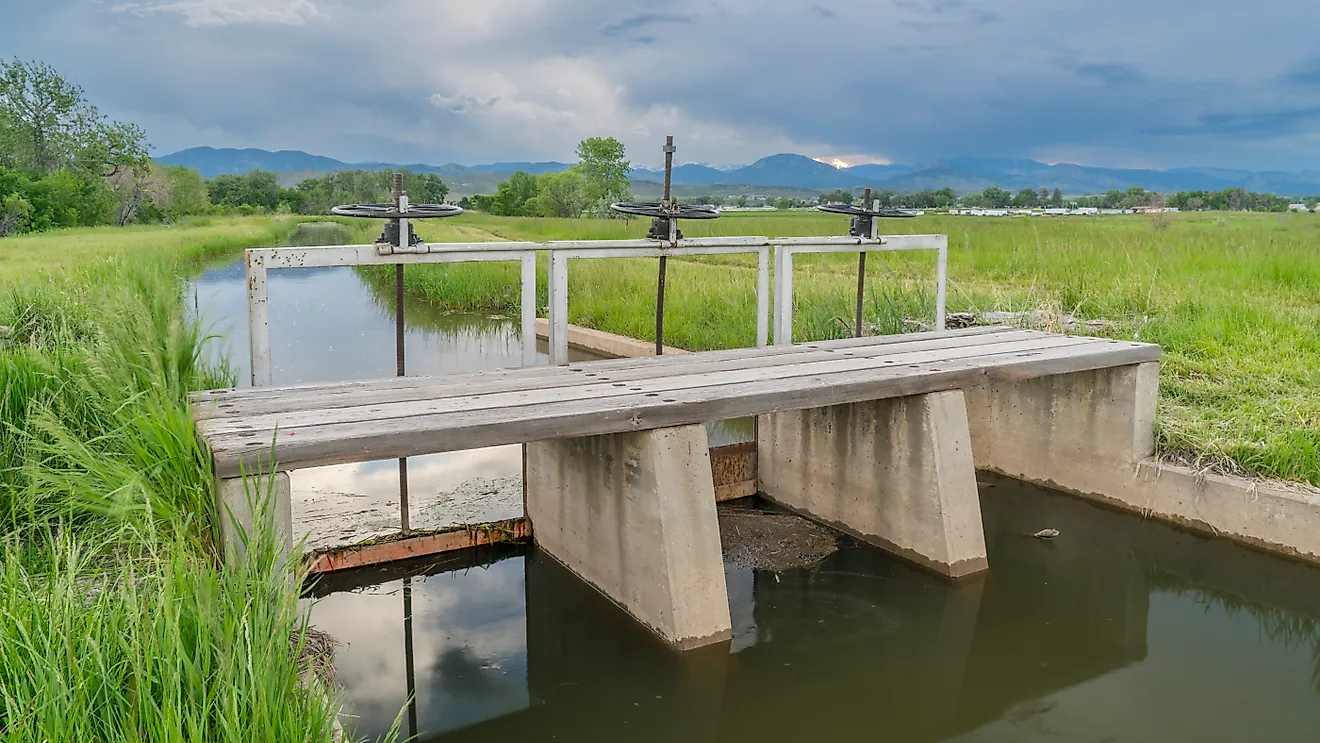
Concrete lining along the All-American and Coachella canals reduces the water that seeps into the ground. Through agreements covering that saved water, the San Diego County Water Authority secured 77,700 acre-feet annually. A separate conservation agreement with the Imperial Irrigation District provides another 200,000 acre-feet a year. An acre-foot covers an acre of land one foot deep.
These supplies are tied to senior-priority Colorado River rights, which help protect deliveries during shortages. The Metropolitan Water District of Southern California also imports Colorado water through its aqueduct. That route extends 242 miles between Lake Havasu and Lake Mathews near Riverside. A complete loss of river deliveries would put both the conservation transfers and Metropolitan's Colorado imports at risk.
Carlsbad Already Converts Seawater Into Drinking Water

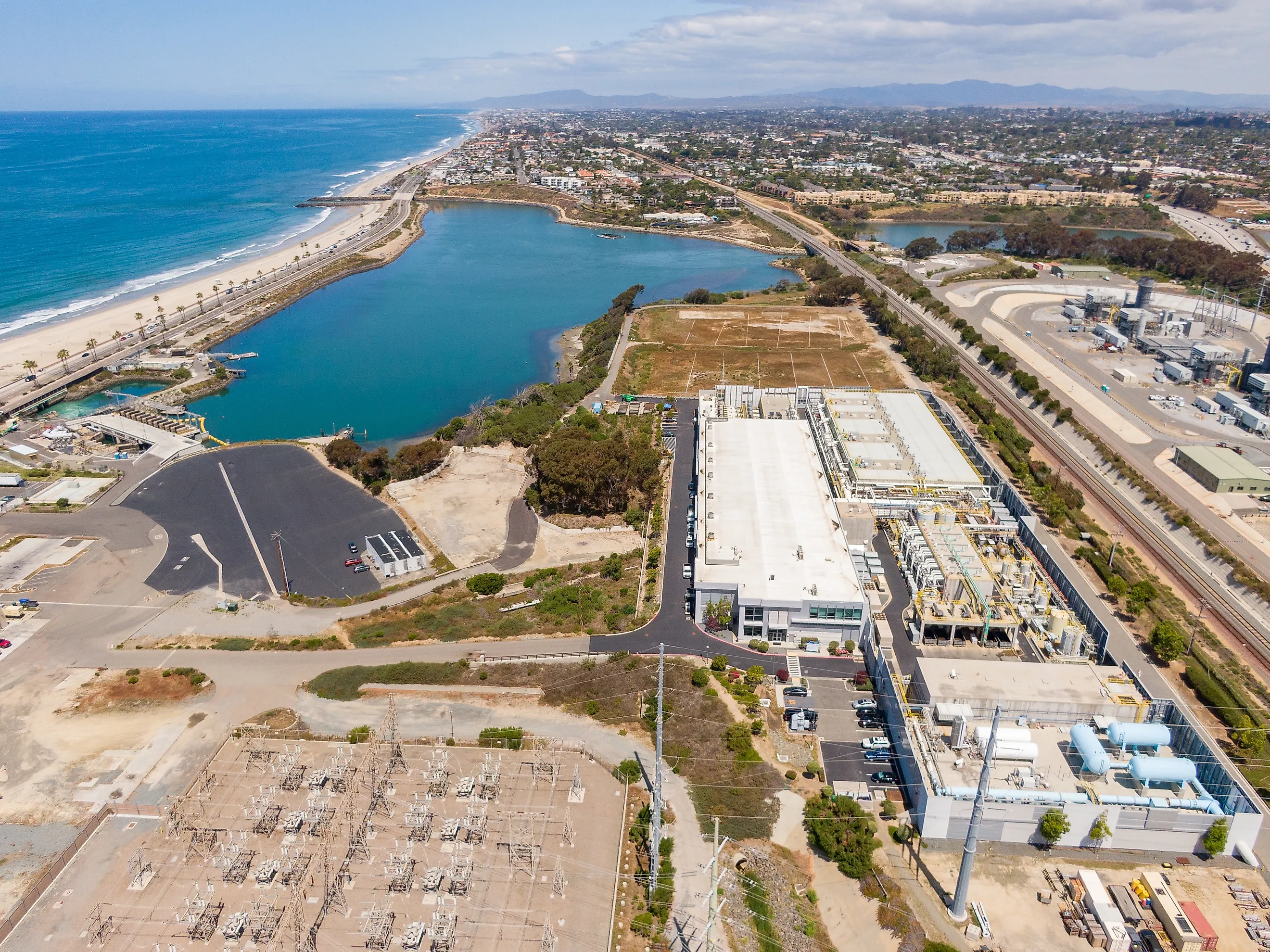
The Claude "Bud" Lewis Carlsbad Desalination Plant sits beside Agua Hedionda Lagoon. Inside, water is pumped through reverse-osmosis membranes that separate freshwater from dissolved salts. The facility began commercial operations in 2015 and can supply about 50 million gallons of drinking water a day.
A 10-mile pipeline carries the treated water inland to the Water Authority's aqueduct system at San Marcos. The plant does not depend on snowfall in the Colorado River's headwaters.
The Water Authority puts the plant's contribution at about 10% of the region's water supply. Those gallons already meet existing demand, so they would not be an additional 50 million gallons available to replace lost imports. Even with Pacific water available, production remains limited by the plant's treatment capacity and electricity supply.
San Vicente Stores Water For Import Interruptions

Near Lakeside, San Vicente Dam was raised 117 feet to create more room for water the region might need later. The expansion added 52,100 acre-feet of emergency storage capacity and about 100,000 acre-feet of carryover capacity for dry periods. The amount available in an emergency depends on how much of that space has been filled.
The regional emergency system connects reservoirs with pipelines and pumping stations so stored supplies can reach water agencies when imports are interrupted. San Vicente's water would help cover a sudden loss while officials adjusted deliveries and consumption. How long it lasted would depend on the amount stored when the interruption began and how quickly customers used it.
Local rainfall could replenish some stored water. The City of San Diego operates nine supply reservoirs that capture local runoff and store imported water. Water already delivered from the Colorado could remain useful in those reservoirs after new imports stopped, but continued withdrawals would eventually require replacement.
Northern California Offers Another Import Route

The State Water Project brings San Diego water from a separate watershed. Rain and snowmelt collected in Northern California, including water stored at Lake Oroville, move through the Sacramento-San Joaquin Delta. The California Aqueduct carries water south, and Metropolitan supplies the San Diego region through its distribution network.
Extra deliveries would depend on conditions farther north and on what Metropolitan could make available. State Water Project supplies vary with precipitation and reservoir storage, while pumping restrictions and infrastructure limit how much can move south. Other Southern California communities also depend on this water. During a widespread drought, San Diego could be seeking additional northern deliveries while those communities faced shortages of their own.
Purified Wastewater Will Flow Into Miramar Reservoir

San Diego is building a shorter supply route through its own wastewater system. At the North City Pure Water Facility in the University City area, recycled water will undergo advanced purification. Treatment includes reverse osmosis and ultraviolet light with advanced oxidation. Purification recovers water already used locally; output depends on the wastewater reaching the plant. A new pipeline follows Miramar Road through Scripps Ranch on its way to Miramar Reservoir.
There, purified water will enter the reservoir before passing through the drinking-water treatment system. Phase 1 is designed to provide 30 million gallons a day. Discharge into the reservoir is expected to begin in 2026 at less than the full Phase 1 rate, increasing as remaining facilities such as the Morena Pump Station, which diverts wastewater to the plant, come online. Commissioning continues through 2026, so the full 30 million gallons cannot be counted as an already operating emergency supply.
The larger program targets 83 million gallons daily by 2035, nearly half the city's projected supply needs. That figure applies to the City of San Diego, not the entire county. A separate East County project is designed to send purified water to Lake Jennings, producing up to 11.5 million gallons daily.
Groundwater Beneath South Bay Also Supplies San Diego

In Chula Vista, the Richard A. Reynolds Groundwater Desalination Facility draws on water below the Sweetwater River area. Its wells extract brackish groundwater from river deposits and the San Diego Formation. Reverse osmosis removes dissolved salts, making an underground supply usable for drinking.
The facility has a production potential of 10 million gallons daily. Sweetwater Authority serves National City and Bonita, along with western and central Chula Vista. The City of San Diego also helped fund the plant's expansion and has an allocation of up to 2,600 acre-feet annually. Under the partnership, the city can receive treated groundwater or an equivalent amount of water from Sweetwater's other supplies. The groundwater itself is a local source; substitute deliveries would depend on which supplies Sweetwater could provide.
Recycled Water And Conservation Would Stretch Local Supplies
San Diego could also preserve drinking water by changing where it is used. The city's separate recycled-water system already supplies approved irrigation and industrial uses through specially marked purple equipment. The North City and South Bay reclamation plants treat water for this separate network, and construction is another approved use. Where the system is available and operating, parks and other landscapes can use treated wastewater without drawing the same volume from drinking-water supplies.
A prolonged loss of the Colorado could require tighter limits on water use as available supplies fell. Reducing demand would also slow withdrawals from San Vicente during an interruption, buying time for the region's other sources to carry more of the load.