How Far Up The Mississippi Alligators Have Been Found
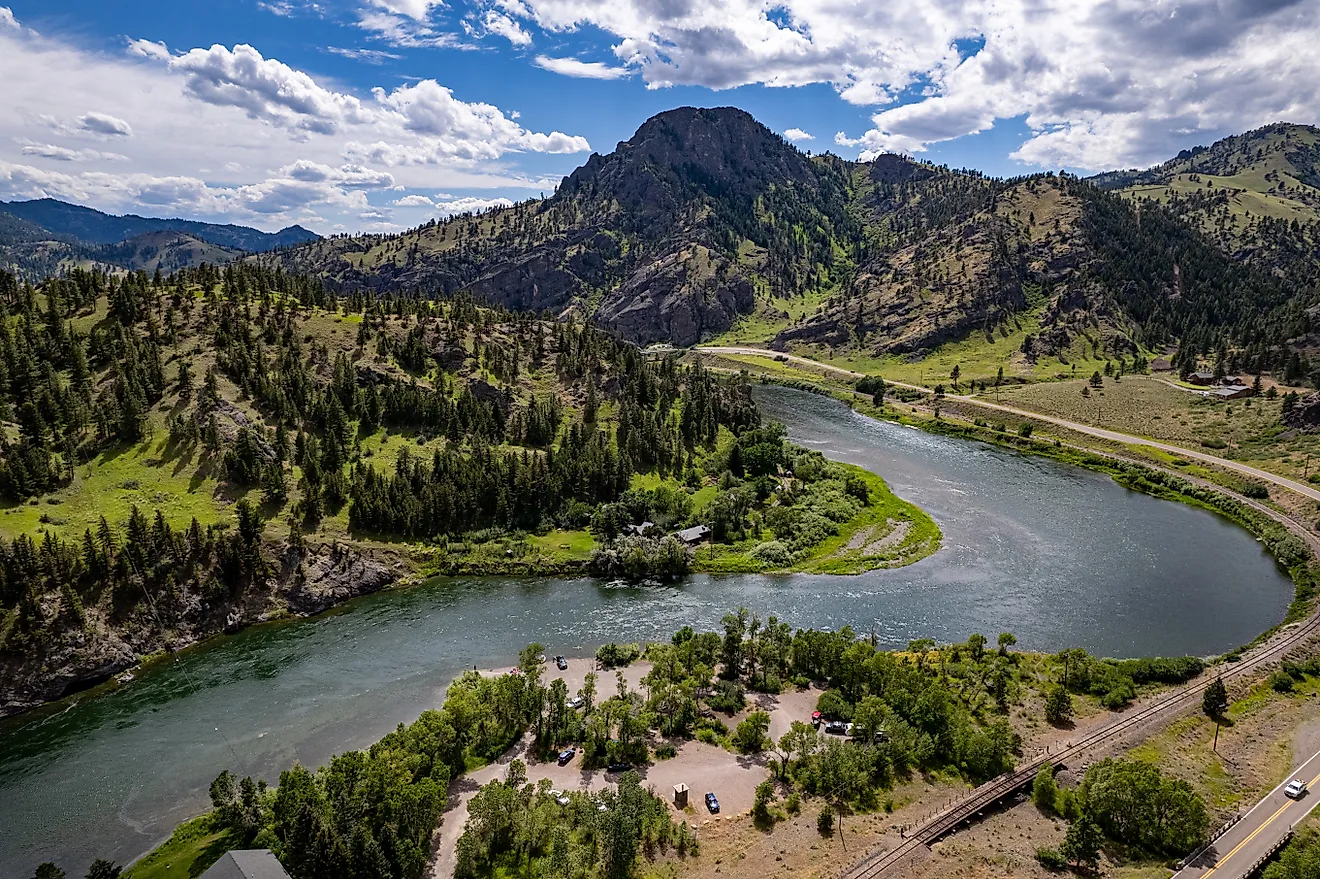
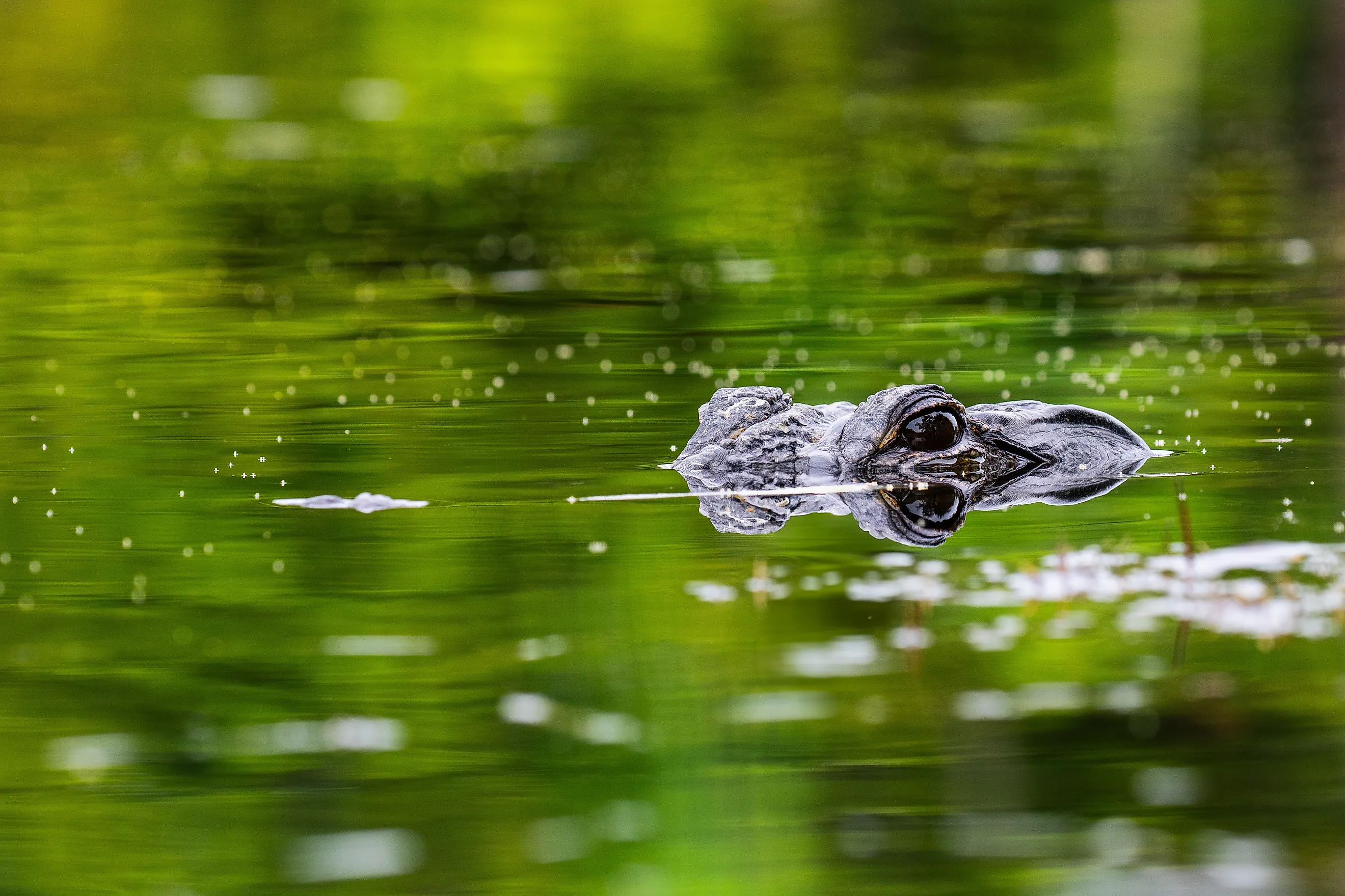
The Tennessee Wildlife Resources Agency filmed a seven-foot alligator at the Wolf River Wildlife Management Area in Fayette County, and its position on how the animal got there is unambiguous. What we are seeing, the agency says, are alligators naturally expanding their range into Tennessee from the southern border states, and TWRA has not stocked or released any. That puts confirmed breeding alligators on the Mississippi River at roughly 35 degrees north, near Memphis. Individual animals have been documented considerably further upstream. The distinction between a breeding population and a wandering individual is the entire story, and it is the thing most coverage collapses.
The Established Limit Is Memphis

For a breeding population rather than a lone wanderer, the northernmost point on the river sits in the southwestern corner of Tennessee.
Tennessee is confirmed to hold a small breeding population along the Mississippi and the adjacent Wolf River in Shelby County, near Memphis. TWRA has logged confirmed sightings in Shelby, Fayette and Hardin counties since 2018.
That sits at about 35 degrees north, which is also the latitude generally given as the species' northern limit worldwide. The American alligator is the northernmost crocodilian on Earth, and Memphis is close to the edge of it.
Arkansas Holds The Furthest Inland Populations

The Mississippi is not the only route north, and the Arkansas River carries established alligators further inland than most people expect.
The northernmost known populations in Arkansas are at Petit Jean State Park and Holla Bend National Wildlife Refuge, on the Arkansas River northwest of Little Rock. Individual adults have turned up as far north as Grubbs in Jackson County and Russellville in Pope County.
Arkansas now runs a permitted alligator hunt. Hunters took 181 animals in a recent season against a record of 202, which is a reasonable indicator of how established the population has become.
Wandering Individuals Go Further
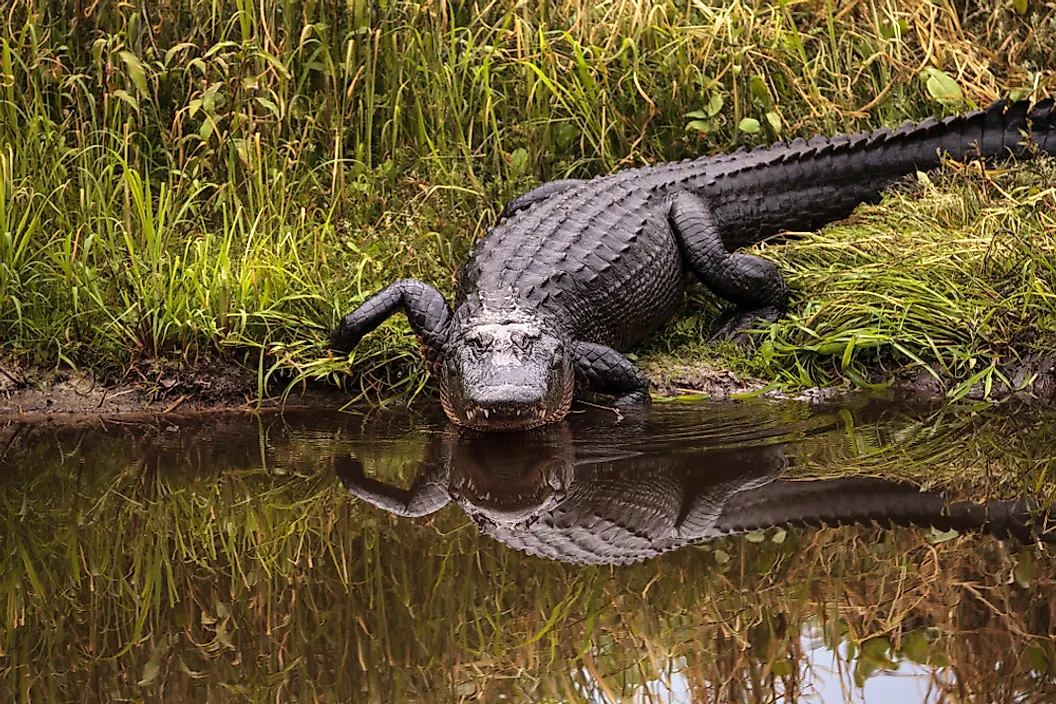
Above the breeding limit the river still produces alligators, and some arrived under their own power. The Missouri Bootheel, centered around 36 degrees 15 minutes north, has recorded multiple confirmed sightings in recent years, and the Missouri Department of Conservation has confirmed that at least some represent genuinely wild animals rather than released pets.
The distance involved is less than it sounds. The northern reach of Arkansas's southeastern alligator management zone, in Phillips County on the Mississippi, is only about 100 miles from the Missouri state line.
Illinois Is Almost Entirely Pets

Further north the picture changes completely, and the honest answer becomes a good deal less interesting.
The Illinois Department of Natural Resources has confirmed more than a dozen alligator encounters in the state's southernmost counties since 2018. Officials believe most are released pets rather than natural migrants.
That is the pattern for essentially every alligator reported north of the Bootheel. An alligator in a northern state is a story about somebody's terrarium rather than about range expansion.
Winter Sets The Line
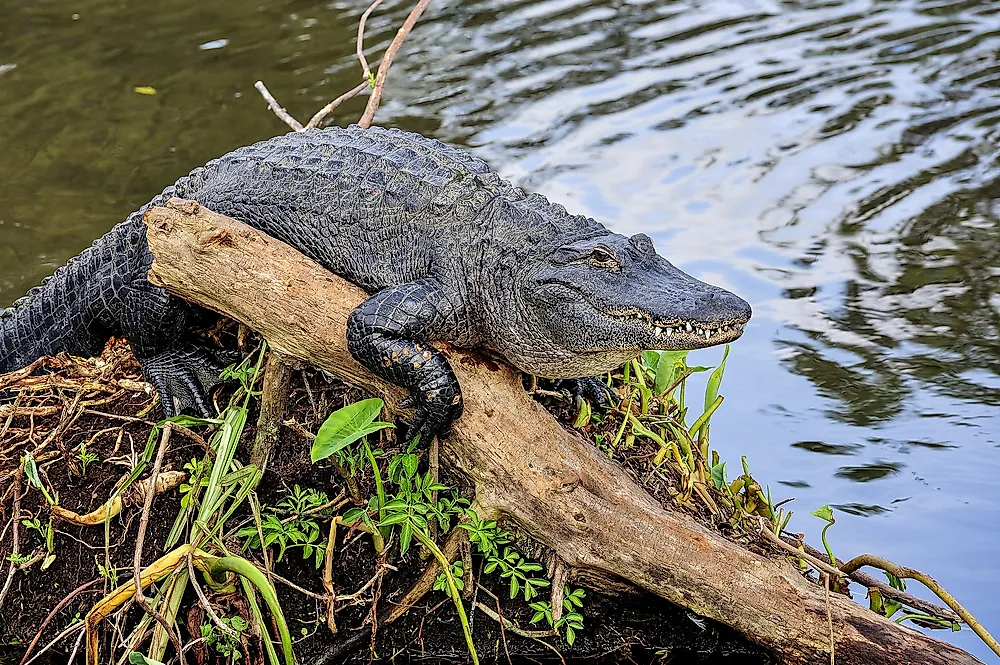
What stops them is not cold itself but how long the freeze lasts, and the way they cope with it is remarkable.
Alligators survive northern winters through brumation, a dormancy that lets them withstand ice. TWRA describes the specific behavior: the animal sticks its snout out of the water before the surface freezes, which allows it to keep breathing while locked in ice above the neck.
That works for a cold snap. It works less well for a long one, which is why the limit tracks the length of the freeze rather than the lowest temperature reached.
The Agency Has Changed Its Position

Worth flagging for anybody comparing sources, because older TWRA statements say something quite different from the current ones.
Earlier agency comments described alligators as unable to survive Tennessee winters, incapable of establishing permanent populations, and attributed sightings to released pets. TWRA's current published position is that West Tennessee is historical alligator range and the animals are expanding into it naturally.
Both statements are from the same agency, years apart. The second reflects the Wolf River video and the pattern of confirmed sightings since 2018.
The Sighting Record Is Longer Than The News

This is not a sudden arrival, which matters for reading the recent reports. TWRA records show 32 verified alligator sightings in Tennessee between 1980 and 2007. Alligators have been turning up in the southwestern corner of the state for decades without anybody describing it as range expansion.
What changed is the confirmation of breeding rather than the presence of animals. An occasional wanderer is a curiosity. A population that reproduces is a range.
The Source Populations Are Enormous
Context for why the northern edge keeps producing sightings.
Mississippi alone holds up to 38,000 alligators according to the state wildlife department, most of them in the Delta and along the river itself. Louisiana's population is larger again.
A range edge fed by hundreds of thousands of animals downstream will generate wanderers continuously, whatever the climate does. Some of them will travel a long way up a river that runs in exactly the right direction.
What They Eat Up There

The diet barely changes at the range edge, which is part of why the expansion works. Alligators are opportunistic feeders taking fish, turtles, snakes, frogs and waterfowl, all of which the lower Mississippi and its backwaters supply in quantity. Nothing about a Tennessee slough is nutritionally different from an Arkansas one.
Tennessee has never recorded an alligator attack, which is worth stating given how these stories are usually framed.
The Short Answer

Breeding alligators reach about 35 degrees north on the Mississippi, in Shelby County, Tennessee, near Memphis, with TWRA confirming sightings across three West Tennessee counties since 2018 and describing the movement as natural expansion. Established populations on the Arkansas River sit further inland than that, northwest of Little Rock.
Confirmed wild individuals have been recorded in the Missouri Bootheel, roughly a degree further north. Anything above that, including more than a dozen confirmed encounters in southern Illinois, is almost certainly an animal somebody bought and then could not keep.