The Lakes Most Threatened by Asian Carp Right Now
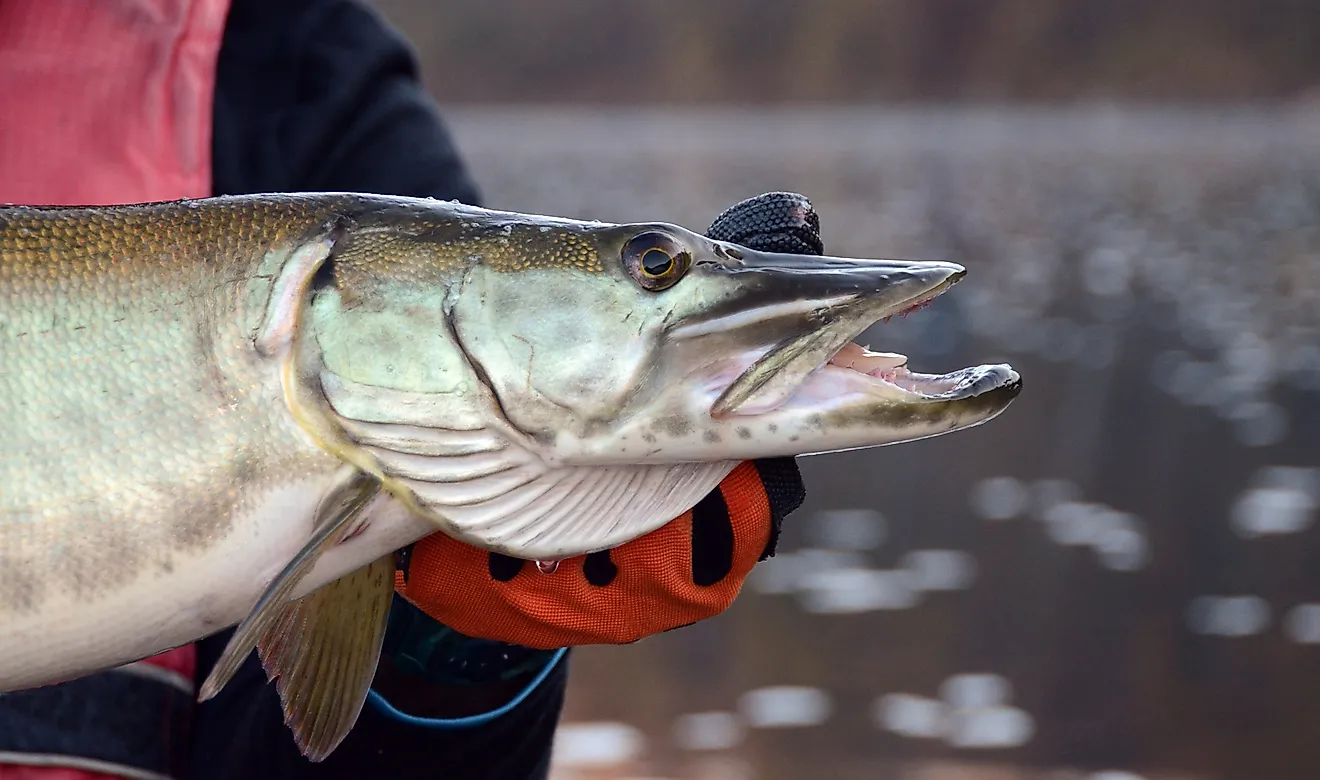
Several varieties of carp from Southeast Asia and China were first brought to the US in the 1960s and 1970s. They include the Bighead Carp (Hypophthalmichthys nobilis), Grass Carp (Ctenopharyngodon idella), Silver Carp (Hypophthalmichthys molitrix), and Black Carp (Mylopharyngodon piceus). Together they became known as Asian carp. They were released into lakes to be eaten and to keep aquaculture areas clean by devouring plankton and algae blooms. Their many fine bones have limited their popularity at the dinner table even though they are still eaten and now marketed under the name copi. They also proved all too good at that cleaning job and overran the very waters they were meant to keep clear.
Why the Asian Carp is a Threat

A fact sheet from Indiana's Department of Natural Resources states that the carp can consume up to 40 percent of their own body weight per day, destroying the plankton that other aquatic animals depend upon. The Black Carp also consumes mussels and snails. This causes species that need these resources to struggle for survival, threatening their ability to reproduce. The carp, on the other hand, are known to be prolific reproducers. The female can lay a million eggs per year. They have no natural predators in the US that could mitigate their numbers.
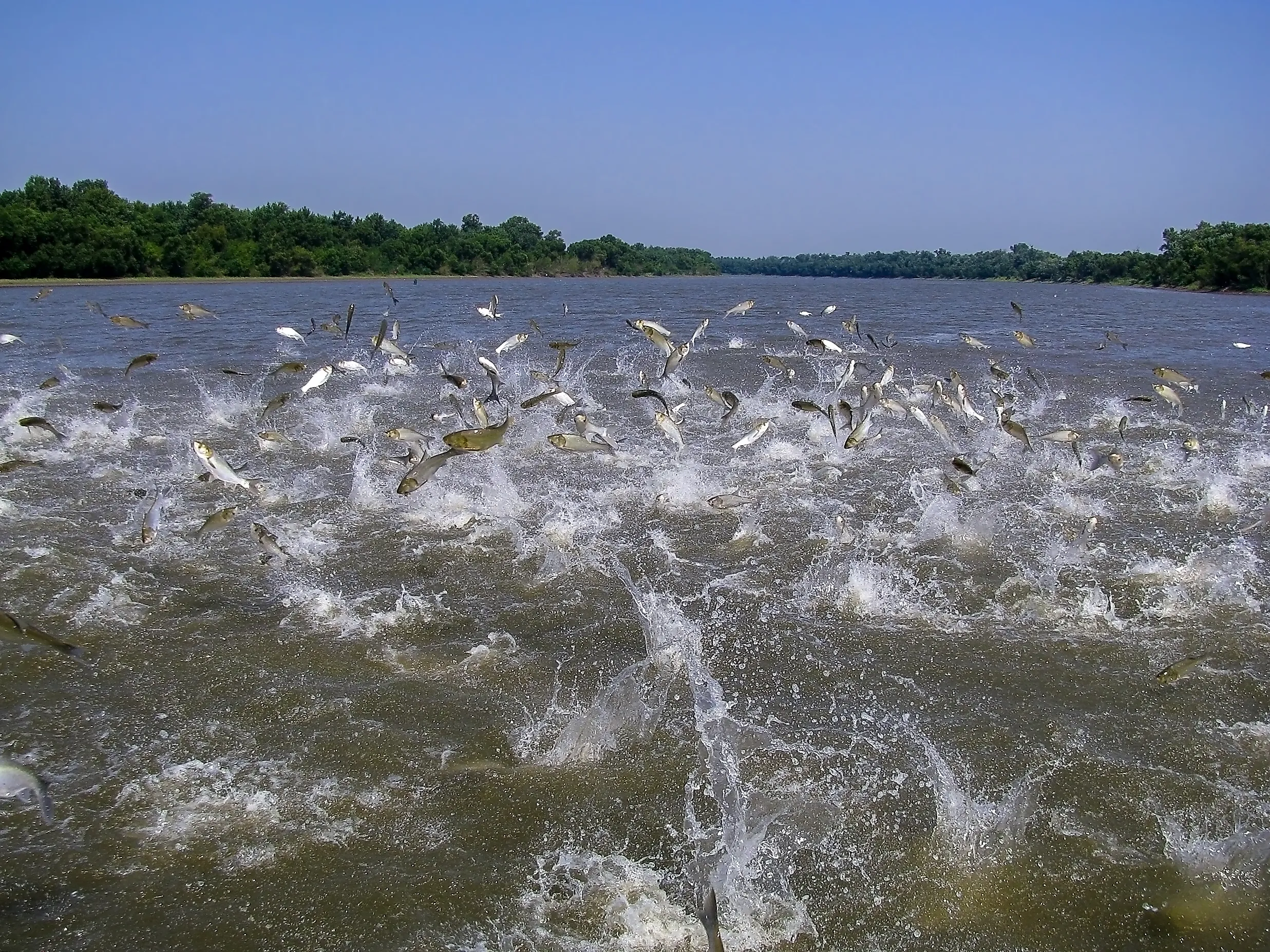
This fish is also a threat to those enjoying water recreation. The Silver Carp in particular startle easily and can jump up to 10 feet in the air with no warning. They have been known to hit passengers and startle boat operators enough to cause accidents. Asian carp can also damage the boat itself upon impact.
Which lakes are most threatened by the carp is determined by both their proximity to infested areas and how hospitable their ecosystems are to this fish. These are the lakes considered to be most threatened by Asian carp right now.
Lakes Already Overtaken by Asian Carp

Kentucky Lake and Lake Barkley, located in western Kentucky and Tennessee, are now critically overtaken by the carp. This means that the carp now dominate the biomass of both, making up over 90 percent of all aquatic life. Silver and Bighead Carp, after escaping from southern aquaculture farms into the Mississippi River basin, were able to swim up the Ohio River and into the Tennessee and Cumberland rivers. The waters that flow into these lakes from their respective dams are extremely fertile, creating the plankton that carp love. The Silver Carp has become a particular threat to boaters in these areas.
Pickwick Lake, within the Tennessee River system and connected to Kentucky Lake, is another body of water that has been critically overtaken by the carp.
The Great Lakes

Making up more than 20 percent of the world's supply of fresh water, a massive invasion by Asian carp would be an ecological and economic disaster to the Great Lakes and beyond. Lake Erie is most at risk because of its relatively shallow and warmer waters. This causes plankton to bloom, attracting the carp.
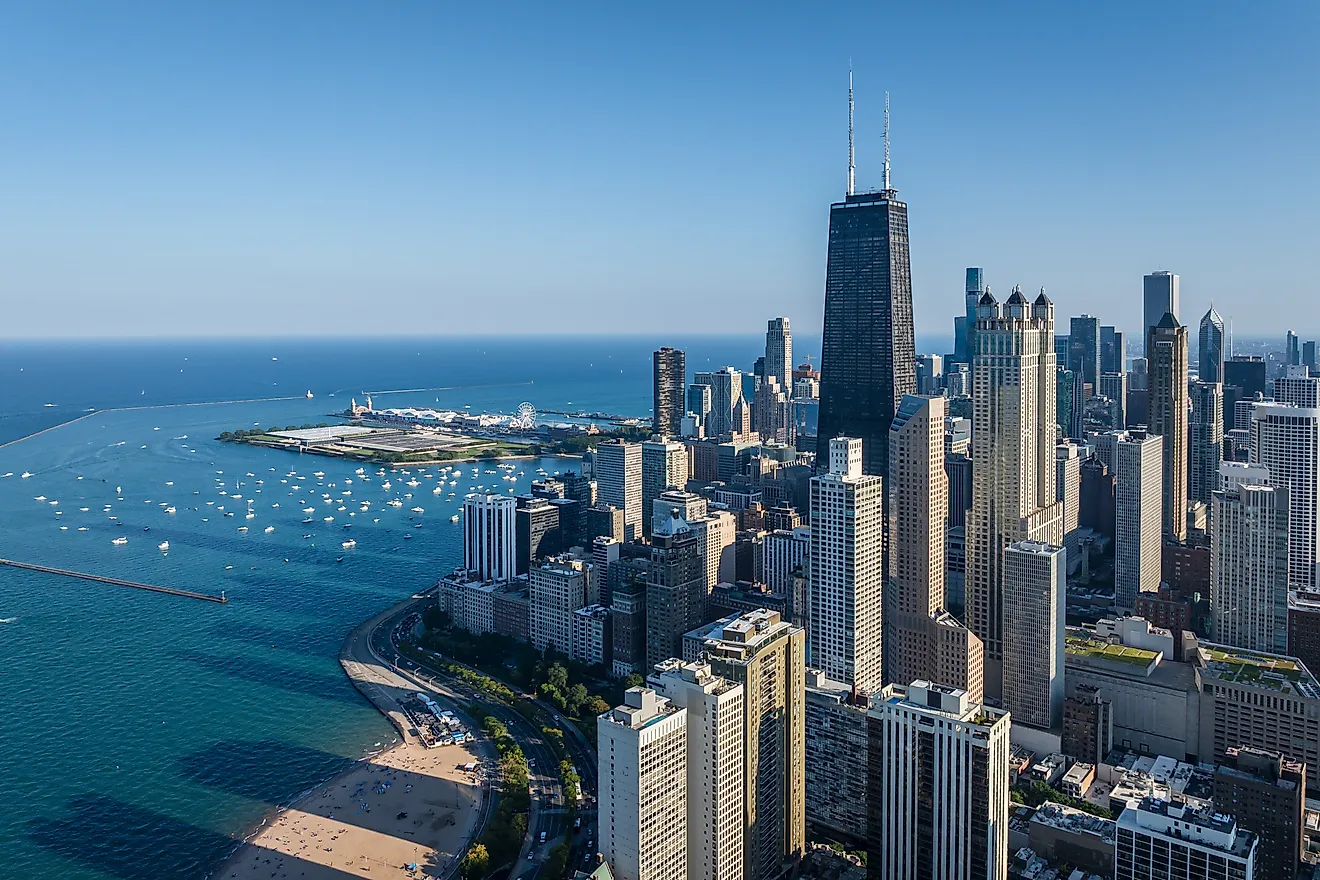
At this time only the Grass Carp has made its way into these lakes (excluding Lake Superior), congregating largely in western Lake Erie. Electronic deterrent methods, which will be discussed below, have so far kept the carp largely at bay. Massive invasions of carp are only 47 miles away from the entry point into Lake Michigan from the Chicago Canal, so it is hoped that the deterrent measures will continue to be effective.
Other Lakes Under Extreme Threat

Lake Wheeler and Lake Guntersville, both in northern Alabama, have not been overtaken by Asian carp as of yet, but are considered to be under extreme threat. Lake Guntersville, for example, is home to a multi-million-dollar fishing industry that can be destroyed by the Silver Carp already present. Lake Texoma on the Oklahoma/Texas border has confirmed carp right below its dam. Should they breach that dam when floodwaters are high, that lake will be in extreme danger as well. Another concern is the fishermen that use this lake. The juvenile carp is very similar to other types of small fish that are used for bait. When they are put into the lake for this purpose, they often escape.
A Nation-Wide Threat
Experts do not count individual lakes when determining where carp are invading, preferring to count large water systems instead. This calculation places them in 31 states so far.
Prevention and Mitigation
The Asian carp is extraordinarily difficult to get rid of, and expensive. Mass removal is a primary method utilized in lakes where infestation has already taken over, such as in Kentucky Lake. The U.S. Geological Survey (USGS) has implemented various kinds of underwater sound devices that force the fish into large nets where they are harvested for pet food and fertilizer. Commercial fishermen are encouraged to capture them for the same purposes. Some states provide incentives for this.
Defensive walls are used in some places using sound, intense air bubbles, and strobe lights to keep them away from entrances to waterways. This is being used to block carp from leaving the Chicago Canal and entering Lake Michigan by the U.S. Army Corps of Engineers. Electric shock and Carbon Dioxide injections are also used in some areas to make carp turn back.
Under experiment are custom poisons that will target only the carp and not kill other lake life. Genetic sterilization is another idea.
It's likely that future defense will require all of these methods to effectively keep carp from permanently destroying some of the lakes and waterways in the US.