How Long Great Lake Freighter Sailors Go Without Setting Foot On Land
A deckhand who reports to a Great Lakes freighter this week won't sleep at home again until mid-December. Some laker sailors have stayed aboard for two months straight. There are no weekends at home, and Christmas with the family is not guaranteed.
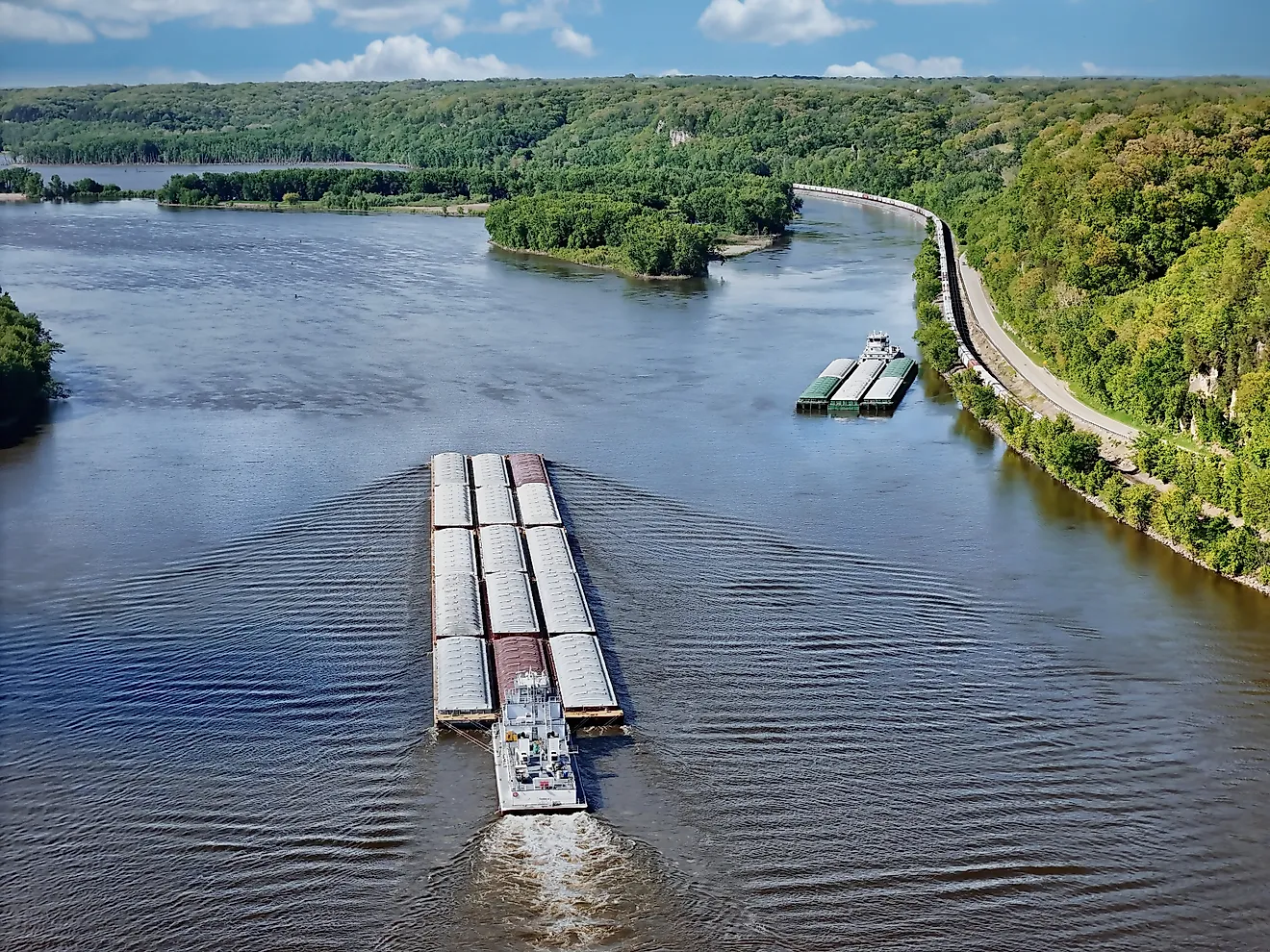
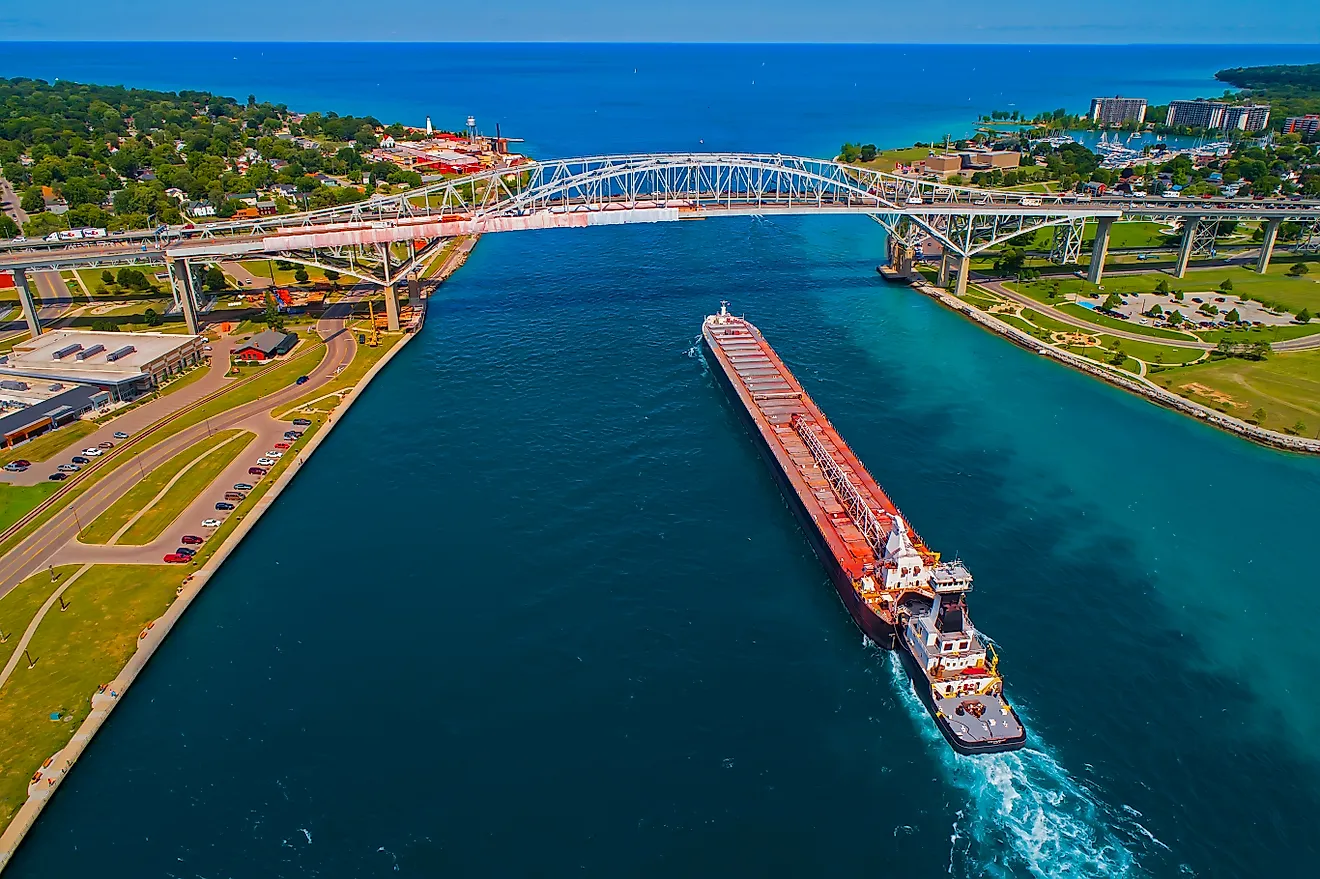
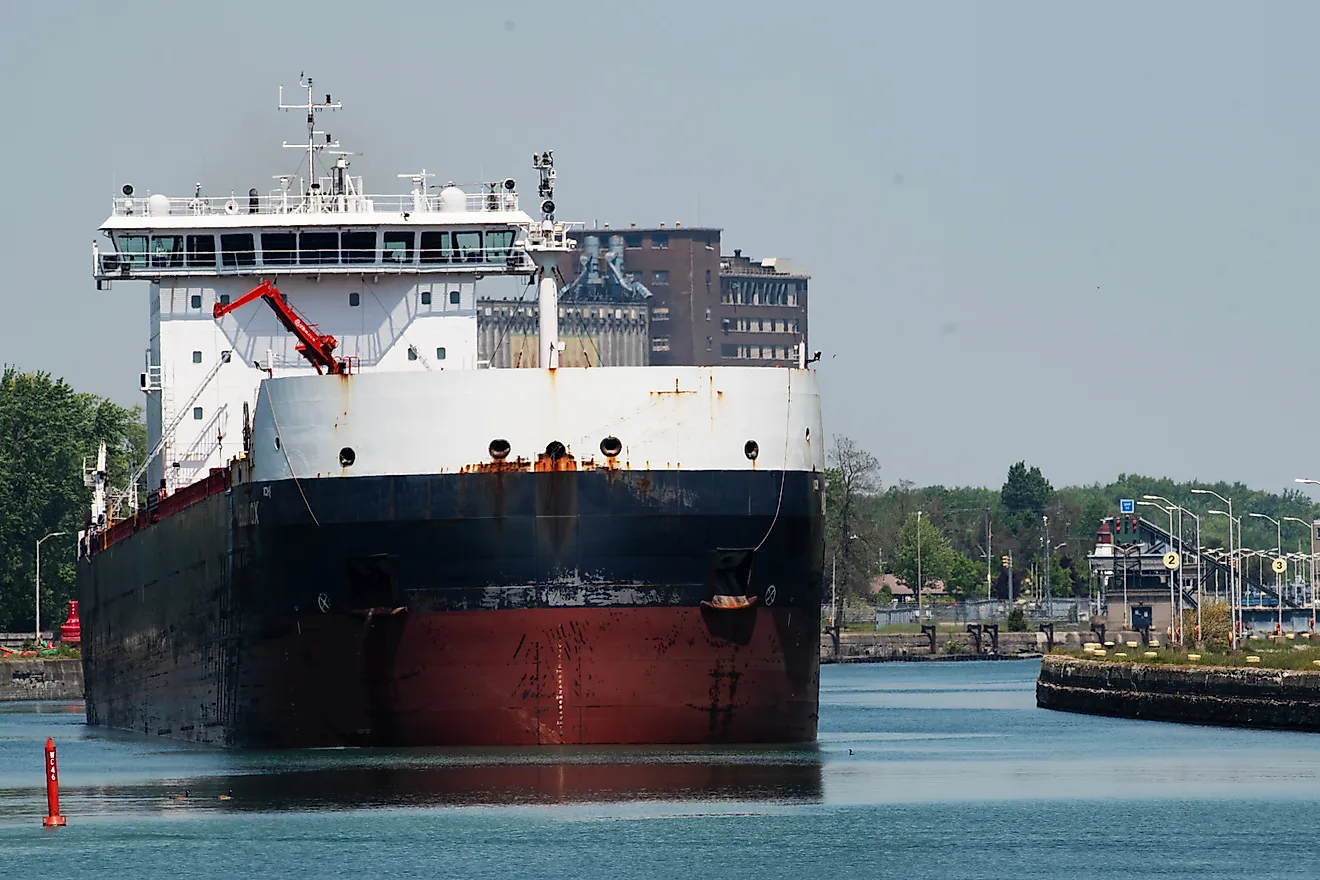
The freighters themselves almost never stop. They run day and night for nearly 10 months, between late March and mid-January, with about two dozen people living aboard each one. Somewhere in that schedule, every sailor has to get off the ship and go home. When that happens, and for how long, depends on the job a sailor holds, and it changes completely once winter arrives.
Deckhands Stay Aboard About Four Weeks at a Time

For deckhands and other unlicensed sailors, a stretch aboard usually runs about four weeks, followed by two weeks at home. The Interlake Steamship Company's posting for deckhands in Ludington, Michigan, set the rotation at 28 days on the vessel and 14 off. Rand Logistics, the parent company of Grand River Navigation, advertised four weeks on and two weeks off for an able-bodied seaman. A longer version of the same two-to-one split has been around for years, and Lake Superior Magazine reported in 2017 that many laker sailors work 60 days on and 30 off.
The length of the season turns that ratio into a number of days. The 2026 season began when the Soo Locks reopened on March 25, and a mid-January closing gives it about 296 days. A deckhand who works two of every three of them spends roughly 197 days on the ship, a little more than six months.
Sailors Go Home During Short Stops in Port

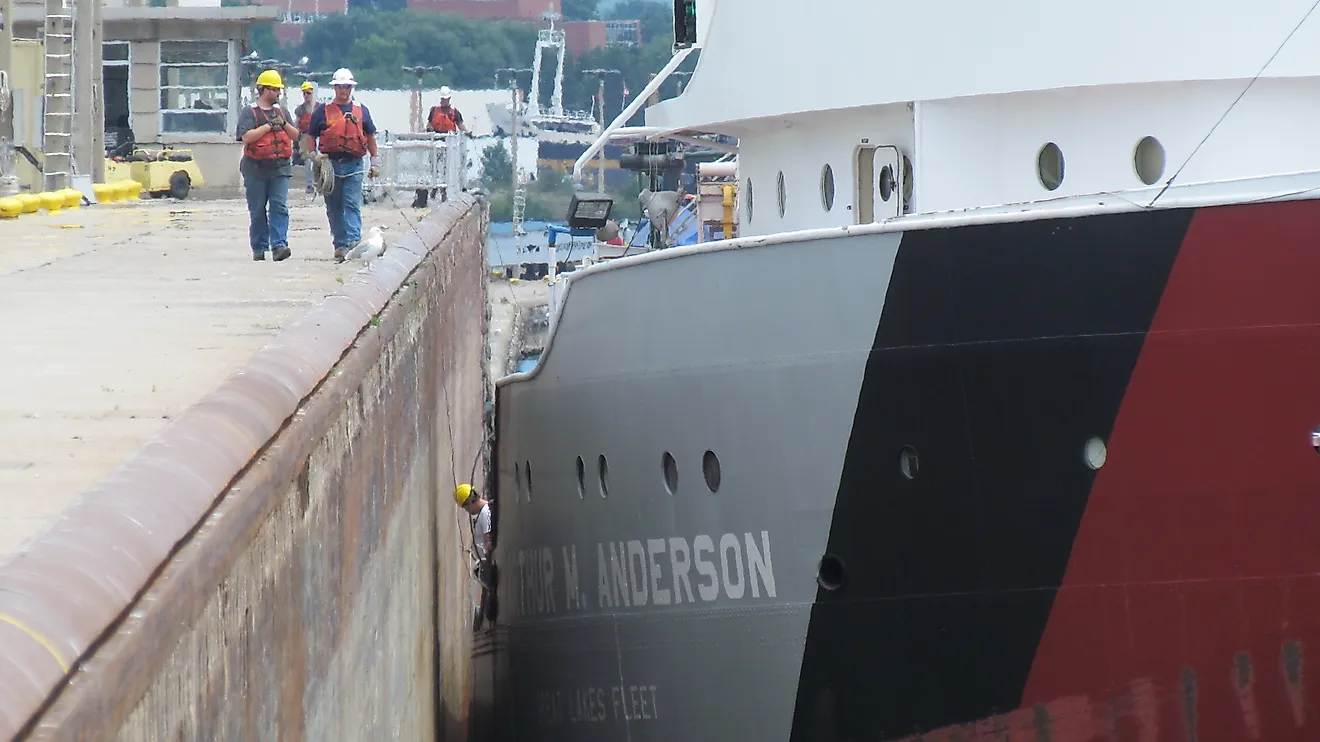
A rotation usually ends while the ship is in port, and a laker's time in port is short. If a ship reaches port at 1:30 a.m., loading or unloading starts at 1:30 a.m., according to the Lake Carriers' Association, the trade group for U.S.-flag ships on the lakes. The stop lasts only as long as the cargo work. The tug-barge Erie Trader can be loaded in four hours when the dock has its cargo ready, and the association says lakers otherwise operate constantly.
Crew changes have to fit inside those stops, and a port official in Duluth, Minnesota, has listed crew changes in other ports among the reasons a ship can arrive ahead of or behind schedule. Canadian lakers sometimes swap crew at a lock. Canadian Geographic, describing a 2017 changeover on an Algoma freighter at Montreal's St. Lambert Lock, compared it to getting on and off a commuter train at rush hour. At Grand River Navigation, the company pays for travel to and from the vessel. The sailor who steps in may be a relief worker, and the association says a relief job covering a crew member on vacation or leave can last several weeks or longer.
Before Going Home, Crews Step Ashore About Once a Week

Between trips home, a sailor's time off the ship comes in short visits to town. Freighters usually let crew go ashore to pick up supplies about once a week, and the rest of the rotation runs on the ship's clock. Wheelsmen and watchmen stand four hours on and eight hours off, twice a day, according to United Steelworkers Local 5000. The watch Interlake mate Matthew Bassett stands aboard the Mark W. Barker runs "12 to four, twice a day." Deck work keeps regular hours, 8 a.m. to 4:30 p.m., but deckhands are also called out whenever the ship is preparing to dock or enter the locks, which can happen at any hour. Some of the longest days belong to the cooks. On the Barker, the galley crew starts around 6 a.m. and finishes around 6 p.m. after dinner service, with no days off while aboard.
For Weeks at a Time, Home Life Happens on the Ship

With weeks between trips home, the ship supplies most of what a house normally would. Crew members live aboard in cabins, and the union lists meals, basic laundry facilities, and linens among what a sailor gets on the ship. Interlake also provides its officers room and board. Nearly every meal comes from the galley. On the Mesabi Miner, chief steward Sissy Payment offers a cook-to-order breakfast, five choices at lunch, and two dinner entrees every day, while her second cook bakes fresh bread and desserts daily.
Some deliveries come out to meet the ship. On the Detroit River, the mail boat J.W. Westcott II delivers mail to freighters, barges, and tugs. Crews also order from a pizza place near the dock, and Westcott deckhand Brian Heikkuri explained what happens next: "We take it, put it into their delivery box and send it right up the side of the ship on a rope." Home itself arrives by satellite. Cristonna Lisby, the Barker's second cook, makes Starlink video calls to her two sons every day.
Some Crews Stay Aboard Through Christmas

In the winter of 2018 and 2019, the 14-person crew of the tug-barge Erie Trader spent both Christmas and New Year's Day aboard, working through ice to keep cargo moving. With the season running into mid-January, any sailor whose rotation lands on the holidays works through them.
The separation runs all season. Bassett misses his home in Traverse City, Michigan, and his wife, Karen, "every second of every day," and he called it "a tradeoff we all make." Ideally, he aims to spend no more than 180 days a year aboard the Barker, 17 fewer than a deckhand on a two-to-one rotation would log over a full season. Lisby spends months away from her sons, providing for her family from the boat. Some companies shorten the distance by allowing occasional family visits aboard.
Nearly Every Crew Goes Home When the Locks Close

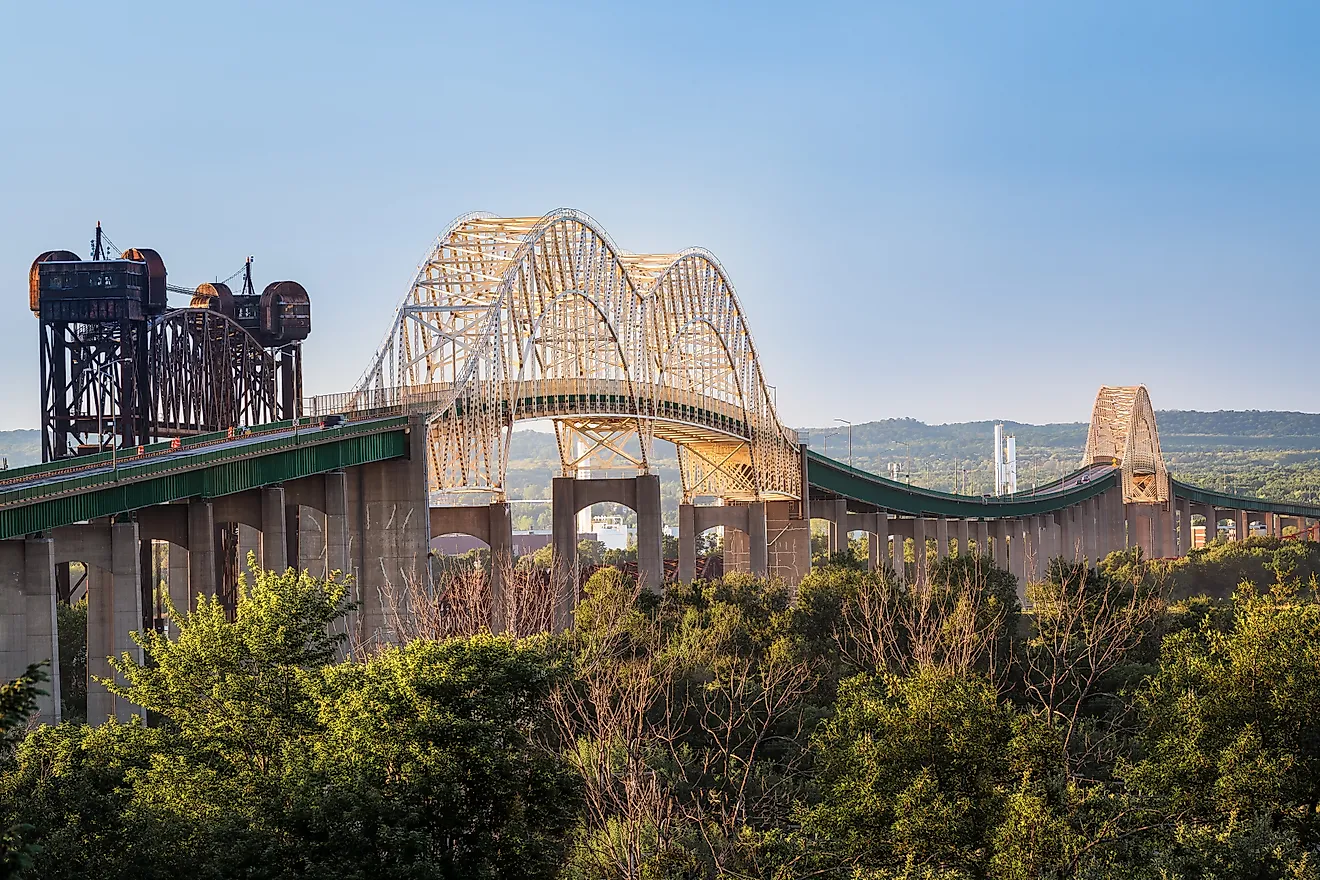
The longest stretch at home comes all at once, and on a fixed date. The Soo Locks closed on January 15, 2026, after the last vessel of the season passed through the Poe Lock, and they stayed shut for 10 weeks. Most freighters tie up for repairs, and their crews leave. "Basically they're all laid off, and then it's up to them what they do," said John Clemons, an official with the American Maritime Officers union, in 2017. "A lot of people are just happy to be home." The Paul R. Tregurtha sails with a crew of 21 to 28. During its winter layup, it typically keeps two ship keepers aboard, along with engineers and contractors who come for specific projects.
A deckhand on a two-to-one rotation gets about 99 days at home during the season, and the winter shutdown adds roughly 69 more. Across a full year, that comes to about 168 days at home and 197 aboard.
Some Officers Now Spend as Long at Home as Aboard

Fleets have been rethinking those schedules as they compete for sailors. "Companies have lost employees," Eric Peace of the Lake Carriers' Association said in 2023. "We are an aging community; there's not a lot of youth." That same year, Judy Druskovich, an admissions specialist at the Great Lakes Maritime Academy, pointed to work hitches on the lakes that now range from two days to 60 days, and said, "They want the job to make them feel less isolated."
One officer schedule shows the change in days. A June 2026 Grand River Navigation posting for a third mate, the entry-level deck officer, listed four weeks on and four weeks off for a season that runs March through January. A third mate on that rotation spends about as many days of the season at home as aboard, roughly 148 of each, while an able-bodied seaman on the same fleet's four-on, two-off schedule logs about 197 aboard.
Counted across a whole year, a deckhand on a two-to-one rotation spends a little more than half of it on the ship. What makes those days hard to fit around a family is how they are grouped. The time aboard comes in unbroken blocks of four weeks or more, with cargo work starting at whatever hour the ship reaches the dock and a trip ashore about once a week. A large share of the time at home arrives in one piece, the 10 weeks after the locks close, when most crews are laid off until spring. Schedules like Grand River's four-on, four-off rotation for third mates move more of that home time into the season itself. For nearly everyone else aboard, the long stretch at home starts when the last freighter passes through the Poe Lock in January and the Paul R. Tregurtha is left to its two ship keepers.