How Long It Takes A Barge To Travel The Whole Mississippi
A barge hauling grain down the Mississippi River is in absolutely no hurry. Where a truck might cover the distance in a couple of days, a loaded tow takes weeks to work its way from the upper river down to the Gulf of Mexico. It is one of the slowest ways to move freight anywhere in America, and also one of the most important. So just how long does the full journey actually take? Here is how long it takes a barge to travel the whole Mississippi, and why the trip is measured in weeks rather than days.
The Short Answer: Two to Three Weeks

A barge tow traveling the full commercially navigable Mississippi, roughly 1,800 miles from Minneapolis down to the Gulf of Mexico, generally takes about two to three weeks going downstream. And that is with the towboat crew running the vessel around the clock, 24 hours a day, in shifts. Heading the other way, upstream against the current, takes noticeably longer, since the barge is fighting the river the entire way. For a little perspective, a single drop of water makes that same trip in roughly 90 days, so the barges are actually moving along quite briskly by the river's own standards.
Why It Takes So Long

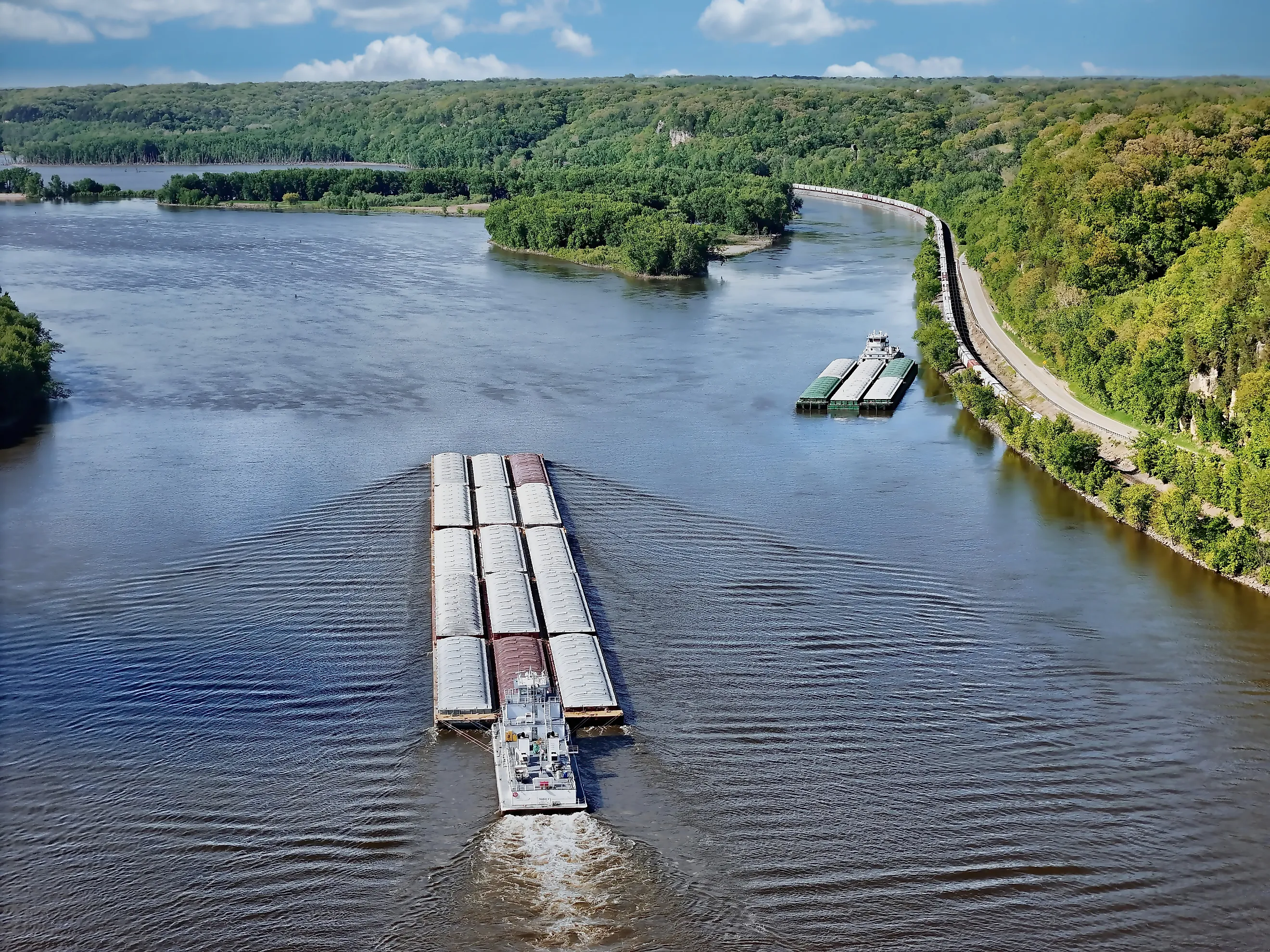
The simple reason is that barges are enormous and slow. A fully loaded river tow typically moves at only about 8 to 12 miles per hour, getting a meaningful speed boost from the current when heading downstream but paying for it when pushing back up. On the Upper Mississippi the current is gentle, running around 1.5 to 2 miles per hour, while the deeper Lower Mississippi flows faster. Even working nonstop, covering 1,800 miles at that kind of pace simply takes a long time, and that is before you even factor in the river's single biggest bottleneck.
The Locks Are the Clock

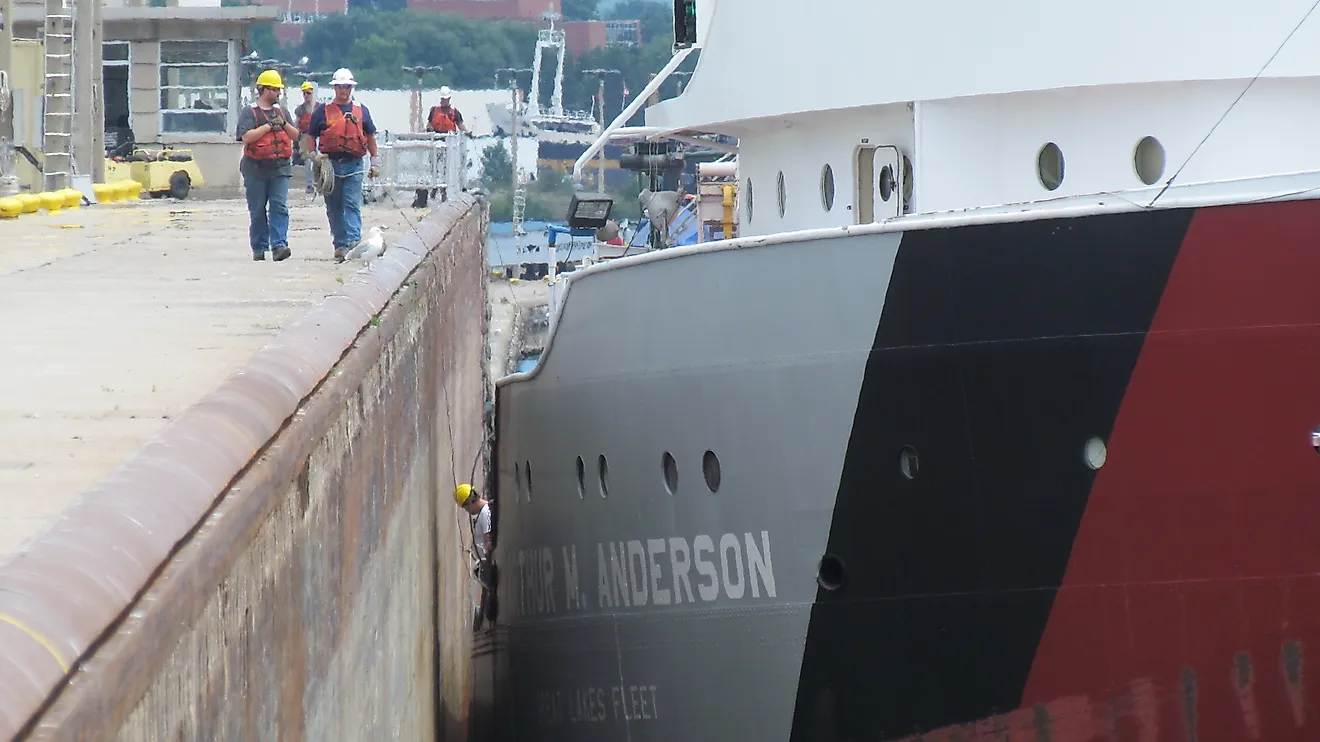
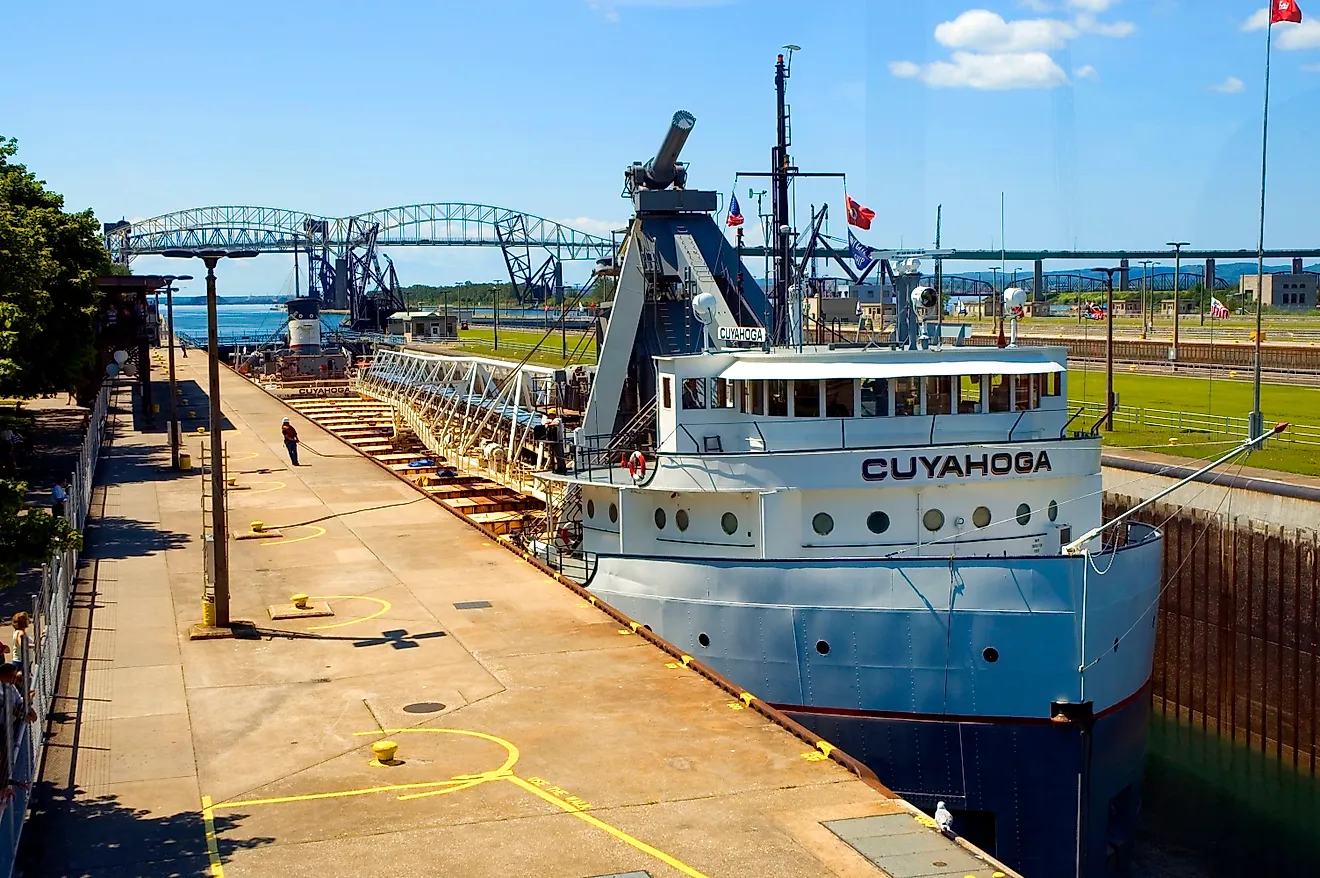
That bottleneck is the locks. The Upper Mississippi, from Minneapolis down to where the Ohio River joins it near Cairo, is controlled by a system of 29 locks and dams that keep the channel deep enough for barges. The catch is that most of those lock chambers are only 600 feet long, while a standard 15-barge tow stretches to around 1,200 feet, so the tow often has to be broken in half and locked through in two separate passes, a slow process that can eat up a couple of hours at a single lock. The Lower Mississippi, below the Ohio, has no locks or dams at all, which is exactly why that half of the trip goes so much faster than the top half.
From Minneapolis to the Gulf

The journey itself runs straight down the spine of the country. Commercial barge traffic begins near Minneapolis, the head of navigation, and flows south past St. Louis, Memphis, Vicksburg, and Baton Rouge before finally reaching New Orleans and the Gulf, covering about 1,800 river miles in all. Notably, that falls well short of the Mississippi's full 2,320-mile length, because the uppermost 480 miles or so above Minneapolis are too shallow and wild for barges and can realistically only be managed by canoe or kayak. For the freight world, the river effectively begins in the Twin Cities.
Why Barges Bother

If barges are so slow, why bother using them at all? Because nothing on earth moves bulk cargo more cheaply. A single 15-barge tow can carry around 22,500 tons of grain or coal, the equivalent of roughly 870 rail cars, or more than 1,000 trucks, all pushed along by one boat and a small crew. That efficiency is genuinely staggering, and it is why the Mississippi system moves something like 500 million tons of freight a year, including about 60 percent of all US grain exports. The slow boat down the river, it turns out, is the quiet backbone of American trade, and a couple of weeks in transit is a very small price to pay for moving a thousand trucks' worth of cargo in one go. So while a barge may take two or three weeks to make the long haul to the Gulf, it does the work of an entire highway of trucks on the way down, which makes that leisurely pace look a lot more like a bargain.