What It Costs To Run A Great Lakes Freighter For A Day
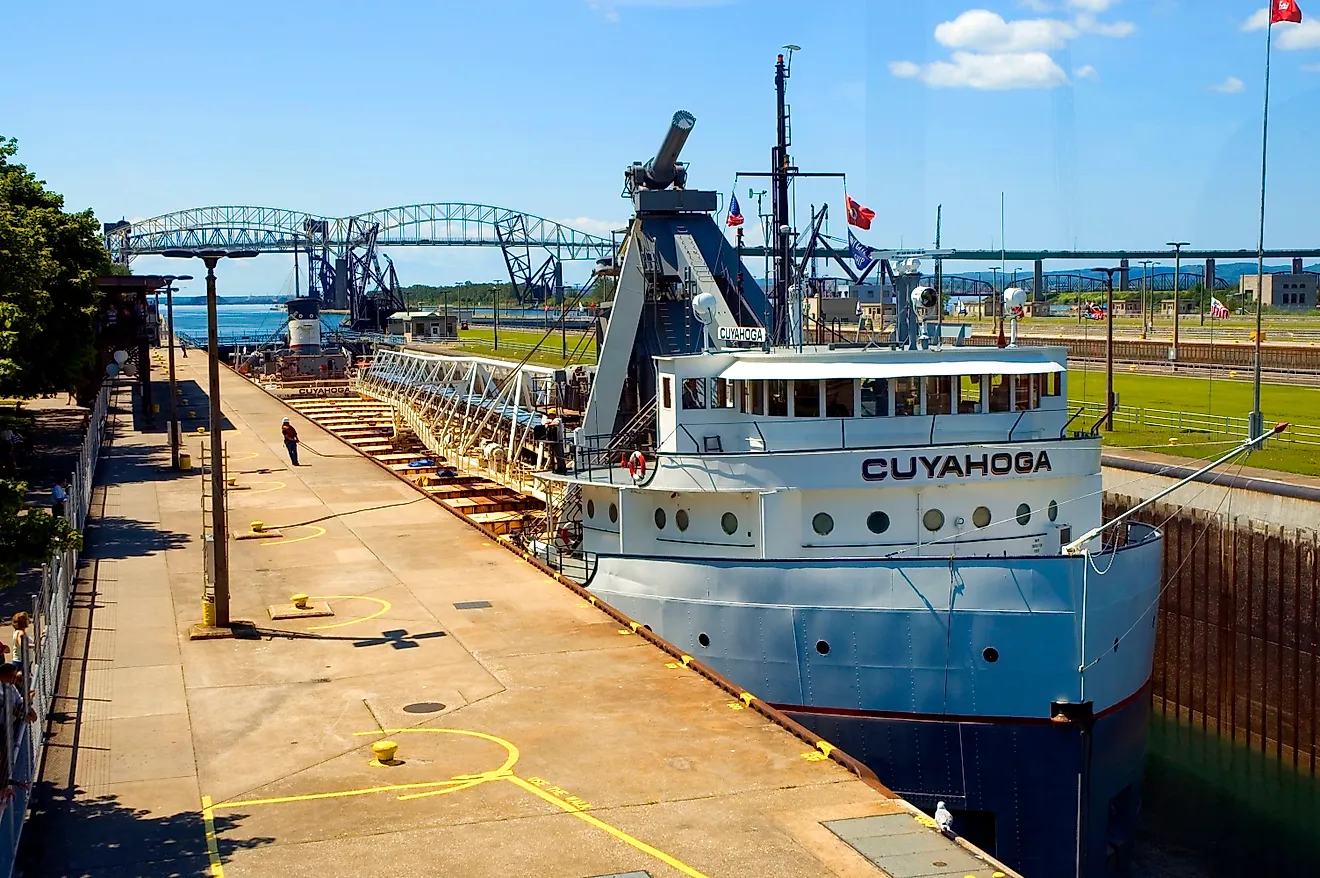
Running a Great Lakes thousand-footer costs serious money every single day it moves, with fuel alone commonly burning through tens of thousands of dollars, a crew of around 22 drawing around-the-clock pay, and a maintenance meter that never fully stops even when the ship does. Industry estimates for a big laker's all-in operating day land comfortably in five figures, often well past $50,000 once fuel, payroll, insurance, food, and upkeep are tallied. And here is the twist that keeps the whole fleet sailing: that eye-watering daily bill buys the cheapest ton-mile in American transportation, because the same day of spending moves as much cargo as a 25-mile convoy of trucks. A laker's economics are a magic trick performed with a very large hat.
Fuel: The Biggest Line On The Board

Nothing else on the ledger competes with the engine room. Pushing a loaded thousand-footer through the water takes diesel power measured in five figures of horsepower, burning fuel by the thousands of gallons per underway day, and at modern marine fuel prices that single line routinely runs into the tens of thousands of dollars between sunrises. Fleets obsess over it accordingly, with slower steaming, hull coatings, and engine upgrades all aimed at shaving a percentage point off the day's biggest number.
The same line hides the industry's favorite statistic. Because the cargo is so enormous, the fuel math per ton is absurd in the other direction: Great Lakes carriers can move a ton of cargo on the order of 500 miles or more on a single gallon of fuel, efficiency no train and no truck approaches. The daily fuel bill looks like a catastrophe until it is divided by 70,000 tons, at which point it looks like the best deal in freight.
Payroll: Twenty-Two People, Around The Clock

A modern laker sails with a crew of roughly 20 to 23, lean by historical standards thanks to automation, but every one of them is on the payroll every hour the ship operates, because a freighter does not clock out. The crew stands watches around the clock, licensed officers and engineers command professional wages, and the season's pay structure reflects the trade's reality: months aboard without a day off the ship, compensated accordingly. Spread across a full complement, daily payroll and benefits form the second-biggest line on the board, plausibly in the range of a nice new car every few days.
Then there is the galley, the most beloved expense in the fleet. Laker cooking is legendary, four square meals a day plus a night lunch for the watch, and feeding 22 working mariners that well is a real line item that no sane fleet trims, since on a ship where nobody goes ashore for weeks, the cook is the morale department. The food budget is the cheapest money the company spends.
The Costs That Never Dock

A chunk of the daily cost accrues whether the ship moves or not. Hull and machinery insurance on a vessel worth serious eight or nine figures never sleeps; neither does the slow, constant war against rust on a thousand feet of steel working in fresh water, which is gentler than salt but relentless all the same. Regulatory drydockings on a five-year cycle cost millions per visit and sensibly get amortized into every operating day in between, along with the steady drip of parts, surveys, and the thousand small repairs a 70-year-old machine requests.
Even winter sends a bill. When the Soo Locks close from mid-January to late March and the fleet ties up, the layup months are when the serious maintenance happens, engine overhauls, steel renewal, conveyor rebuilds, with shipyard crews swarming vessels that are earning nothing while spending plenty. Divide the layup's invoices across the sailing season and every underway day quietly carries a slice of January on its back.
Capital: Why The Fleet Is Older Than Its Captains

The biggest number of all sits off the daily ledger and explains everything on it. Building a new laker costs on the order of $100 million, the price tag attached to the Mark W. Barker, the first new US-flag Great Lakes freighter in decades when it launched in 2022, and that capital cost is precisely why the lakes still run ships laid down in the 1950s. Fresh water does not eat steel the way the ocean does, so a well-kept laker can work for 60 or 70 years, and spreading a hull's cost across seven decades of cargo beats buying a new one in almost every spreadsheet ever run on the question.
The result is a fleet where the ship is routinely older than everyone aboard her, kept young by exactly the maintenance spending tallied above. On the Great Lakes, the daily operating cost is not just running money; it is the subscription fee that lets a 1950s investment keep out-earning anything built since.
The Arithmetic That Justifies It All
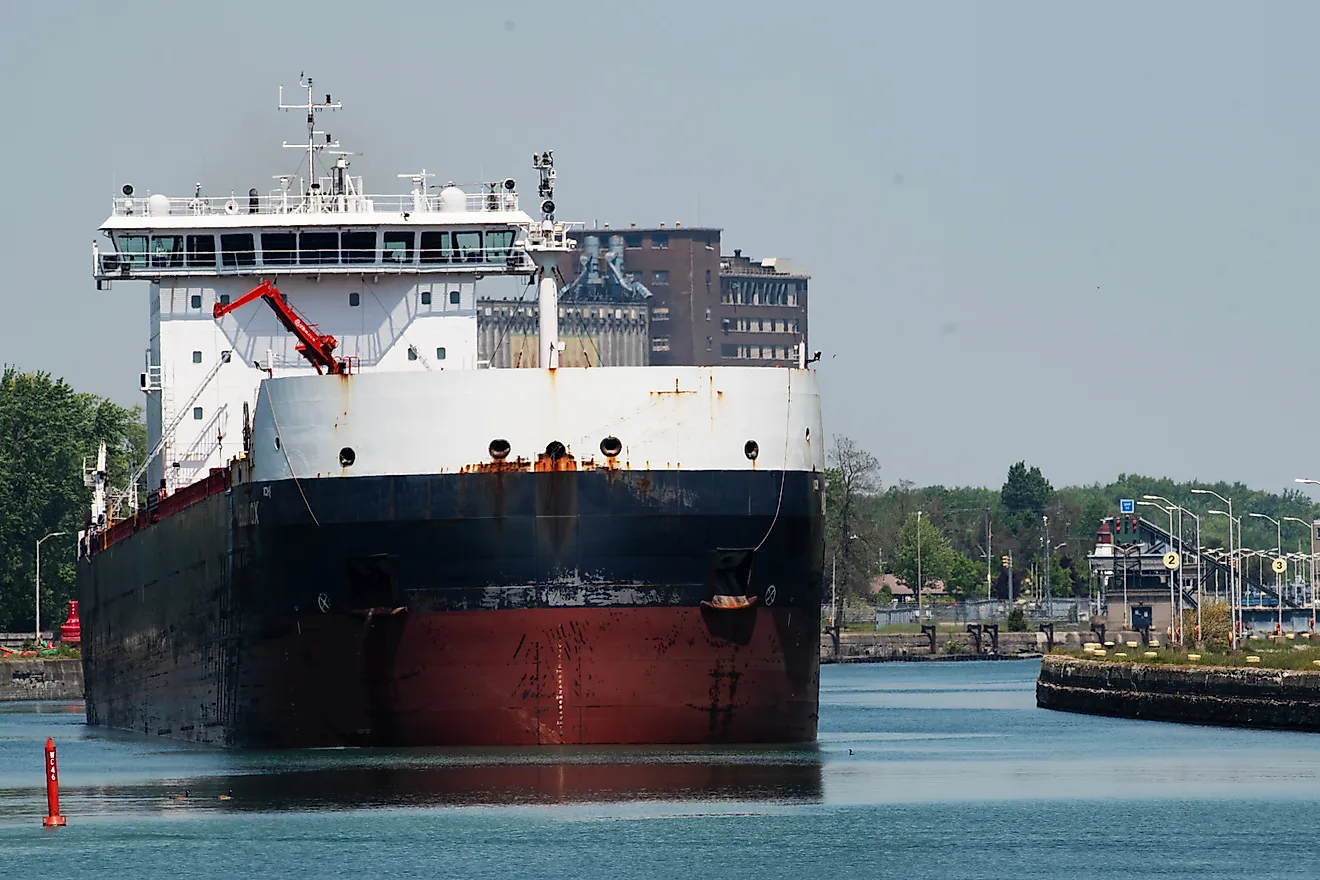
Now weigh the spending against the work. A single thousand-footer hauls around 70,000 tons, a load that would otherwise take roughly 2,800 semi trucks, which parked bumper to bumper would stretch beyond 25 miles, each needing its own driver, its own fuel stop, and its own slice of highway. The laker does it with one hull, one engine room, and 22 people, which is why its cost per ton-mile embarrasses every alternative and why the ore, coal, and stone that build and power the region move by water whenever water will take them.
The catch is that the magic only works in motion. A freighter earns nothing at anchor and nothing at the dock, which is why the lakes load 70,000 tons in well under a day, run through the night, and treat every hour of the ice-free season as inventory. The daily cost is a fixed drumbeat; the only variable the fleet controls is how much cargo passes under it before the Soo closes.
The Meter And The Margin
So the honest answer stacks up like this: tens of thousands of dollars in fuel, a serious daily payroll with a famous food budget inside it, insurance and upkeep that accrue even in the ice, and a slice of winter's shipyard bills riding along, a day that plausibly costs more than many houses, repeated for nine or ten months straight. And against it, 70,000 tons moving 500 miles per gallon per ton, doing the work of a 25-mile truck convoy with a crew that fits in two booths at a diner. The meter on a Great Lakes freighter never stops running. Neither, from the first April departure to the last January lock, does the reason it is worth it.