Why Rivers Freeze So Differently From Lakes
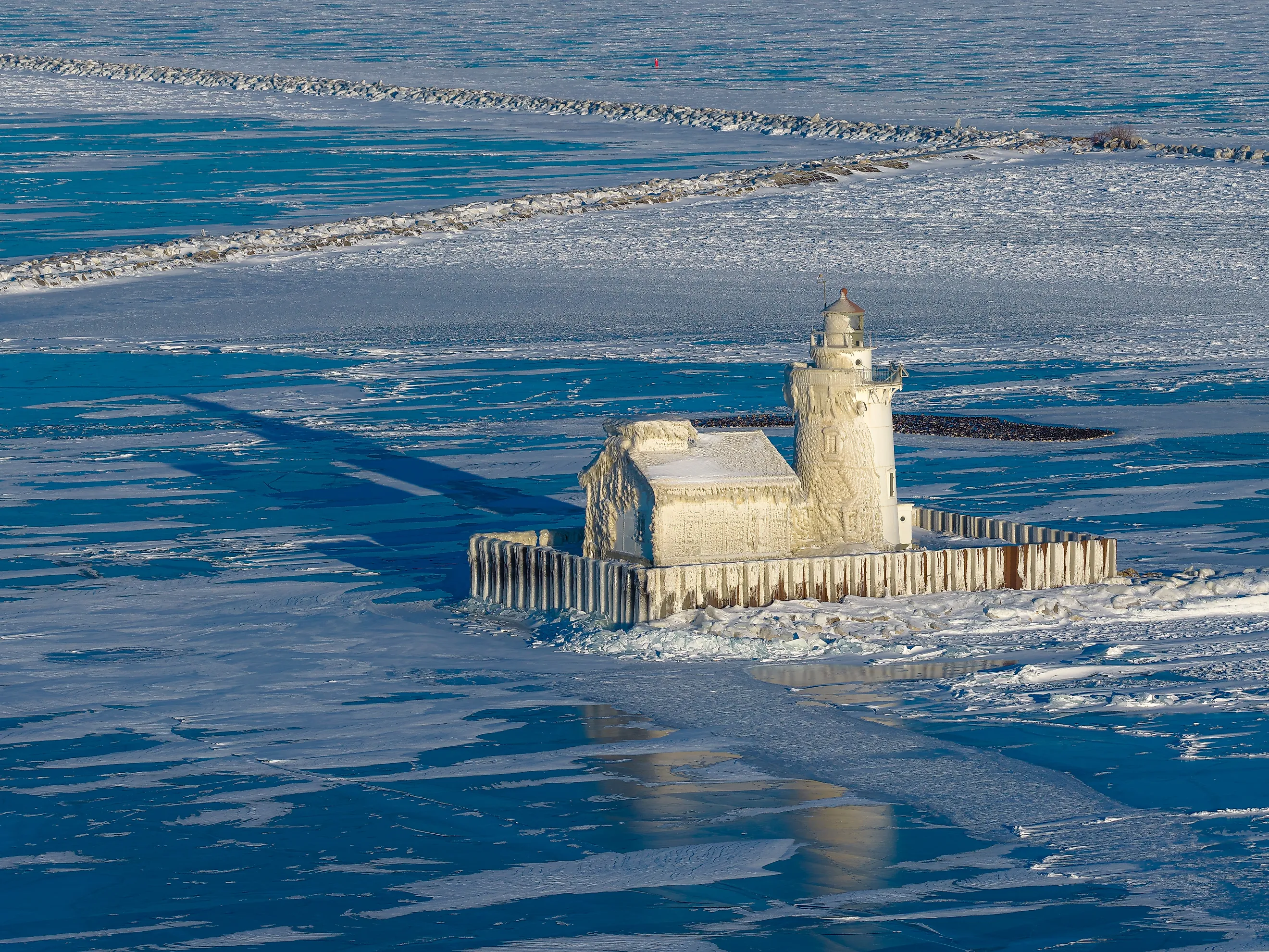
A frozen lake and a frozen river could hardly look more different. One becomes a smooth, solid sheet you could skate across; the other turns into a churning jumble of slush, jagged ice pans, and shifting floes, if it manages to freeze at all. It seems strange that two bodies of the very same water, sitting in the very same cold, should behave so differently. But the reason is beautifully simple, and it comes down to a single factor: whether the water is sitting still or on the move. Here is why rivers freeze so differently from lakes.
It All Comes Down to Movement
The whole difference starts with one thing: lakes are still, and rivers flow. Still lake water can settle into calm layers and chill quietly at the surface until it freezes into a clean, uniform sheet. A river's constant current, by contrast, churns and mixes the water nonstop, which makes freezing far harder and far messier. In fact, moving water needs more cold to freeze than still water does, which is exactly why a fast river can keep flowing freely even when the air has sat well below freezing for days. Motion, it turns out, changes the entire physics of how ice forms.
How Lakes Freeze: From the Top Down

Lakes freeze in an orderly, top-down fashion, thanks to one of water's strangest quirks: it is densest not at freezing but at about 39°F. As a lake cools, that densest water sinks to the bottom while the colder, lighter water floats on top, so the surface is the first to chill all the way down to 32°F and freeze. The result is a smooth ice sheet spreading across the top, while the deeper water stays around 39°F beneath it. That is why lakes almost never freeze solid, why fish survive the winter down below, and why the ice cap actually insulates the water it covers.
How Rivers Freeze: All Mixed Up

A river cannot do any of that, because its current refuses to let the water settle into neat layers. The turbulence mixes the whole river from top to bottom, so the entire water column has to cool to nearly freezing before any ice can form at all, which is a big reason rivers take longer and need deeper cold than lakes. Stranger still, flowing water can briefly become "supercooled," dropping a fraction of a degree below freezing while somehow still running as a liquid. With no calm surface to freeze over neatly, the river is forced to make its ice in some decidedly unusual ways.
Frazil, Anchor Ice, and Ice Jams

Instead of a tidy sheet, a river produces a whole menagerie of odd ice. It starts with frazil ice, clouds of tiny crystals that form throughout the churning, supercooled water like a slushy soup. Some of those crystals sink and stick to the riverbed itself, forming what is known as anchor ice on the rocks below. Meanwhile, ice creeps out from the calm, shallow banks as shore ice while the fast central channel stays stubbornly open, and drifting slush can clump into round "pancake" pans. When all of it piles up and locks together, it can form an ice jam that dams the flow and triggers serious flooding, especially during the spring thaw.
Why It Matters

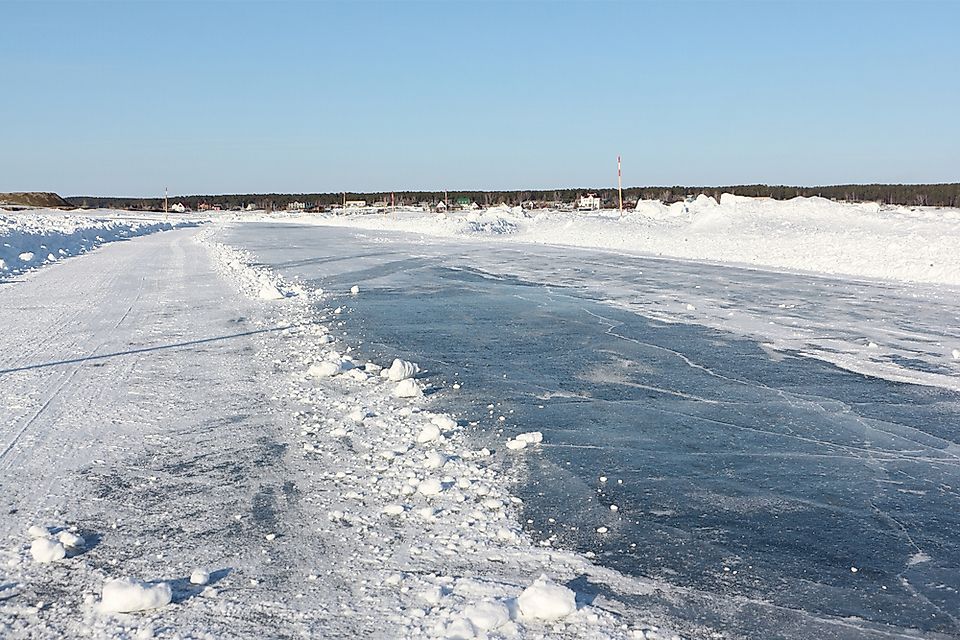
The practical difference is enormous. A lake freezes into a fairly uniform, stable ice cap that is often thick enough to walk, skate, or even drive on with reasonable confidence. River ice is the opposite: patchy, uneven, and riddled with thin spots where the current runs fastest just underneath, which makes it genuinely treacherous and far harder to judge. Many rivers never fully freeze over at all, and the ones that do can break apart and jam without any warning. So while a frozen lake can become a winter playground, a frozen river is almost always best admired from the safety of the bank. It is the same water and the same cold, but the simple fact that a river keeps moving is enough to turn what would be a smooth skating rink into one of nature's most restless and unpredictable sheets of ice.