Why Fish Don’t Freeze In A Frozen Lake
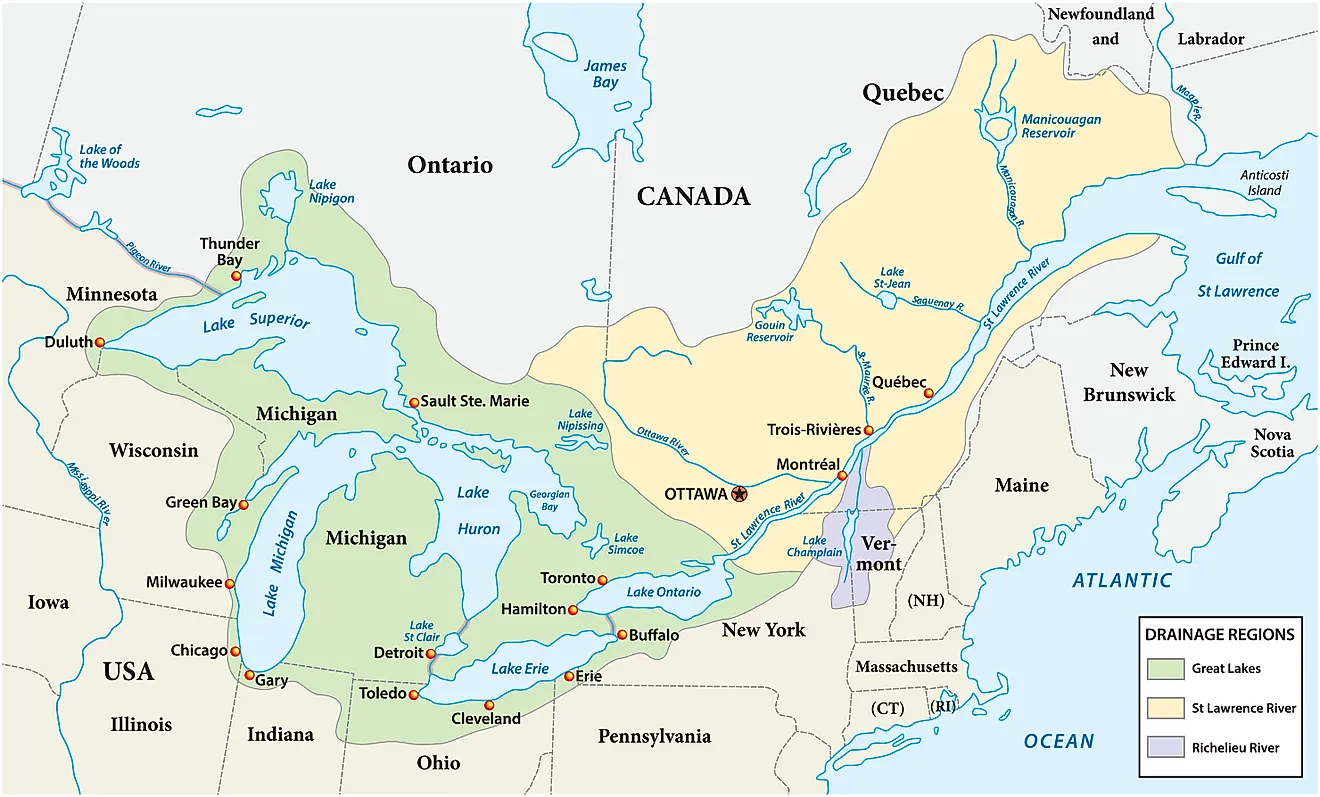
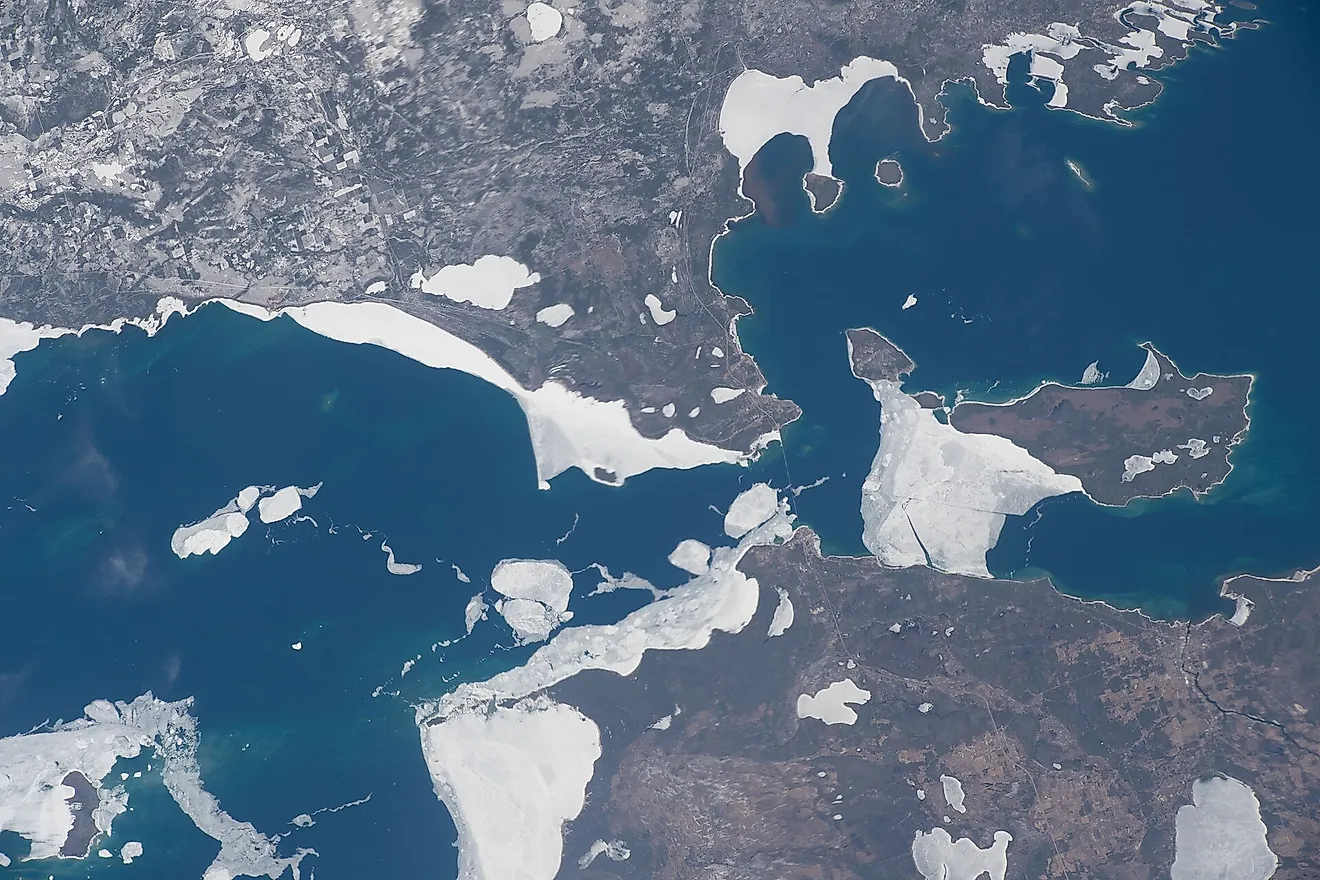
Most lakes do not freeze solid during winter. Even when ice covers the entire surface, liquid water remains beneath it, allowing fish to survive through months of freezing temperatures. The Great Lakes, for example, have historically reached an average maximum ice coverage of about 53%, although that figure varies widely between winters. Ice thickness also varies by location and weather conditions.
For fish, surviving winter involves several adaptations. Ice insulates the water beneath it, while many fish move into deeper areas where temperatures change little. Their metabolism slows, reducing their need for food and energy. In the Arctic and Antarctic oceans, certain fish species have developed another remarkable adaptation: antifreeze proteins that prevent ice crystals from growing inside their bodies.
Ice Is Only Surface Deep

Although a lake may appear completely frozen, the ice typically extends only a few inches to a few feet beneath the surface. Lake Superior, the world's largest freshwater lake by surface area, reaches a maximum depth of about 1,332 feet. Even during winters when ice covers much of its surface, the enormous volume of water beneath remains liquid. Ice thickness varies, especially where wind and currents cause ice to accumulate.
Freshwater reaches its maximum density at around 39°F (4°C). As a lake cools in autumn, its water mixes until temperatures approach this point. Water that cools further becomes less dense and remains near the surface, where it eventually freezes at 32°F (0°C). The resulting ice floats and helps insulate the water below. In many ice-covered lakes, temperatures near the bottom remain close to 39°F, although actual conditions depend on the lake's depth and circulation. Very shallow ponds can freeze completely, but deeper lakes generally retain enough liquid water for fish to survive.
Gather at the Bottom

Many freshwater fish spend winter in deeper pools or other areas where temperatures remain steady. Fish often gather in groups, which can provide protection from predators. A social aggregation of fish is called a shoal, while fish swimming in a coordinated, synchronized manner form a school. Some species continue schooling during winter, although their activity levels and preferred habitats change as water temperatures decline.
During winter, deeper water in many freshwater lakes is warmer than the water immediately beneath the ice. This happens because water at roughly 39°F is denser than colder freshwater and tends to settle toward the bottom. However, not all fish seek the deepest water. Their preferred locations depend on species, available oxygen, and habitat conditions. Some remain near submerged vegetation or other sheltered areas, while others gather in deeper sections of lakes and rivers.
Metabolism Slows Down

Fish are ectothermic animals, meaning their body temperatures are largely determined by the surrounding water. As temperatures decrease, their metabolism slows, reducing their activity and energy requirements. Many freshwater fish swim less frequently and consume far less food during winter. Their digestive processes also slow, allowing them to conserve energy when food is less abundant.
Some species become nearly dormant during very cold periods. Certain fish, including some gobies, may burrow into soft sediments, greatly reducing their activity. Most fish, however, remain in unfrozen water beneath the ice. Their ability to survive depends partly on sufficient dissolved oxygen, which can become depleted in shallow lakes and ponds when prolonged ice and snow cover restrict oxygen exchange and sunlight. Severe oxygen shortages can cause winter fish kills, even when the water itself remains liquid.
Proteins Act Like Antifreeze

In the Arctic and Antarctic oceans, seawater can remain liquid at temperatures below the freezing point of freshwater because dissolved salts lower its freezing point. These conditions create a challenge for marine fish, whose body fluids would otherwise be vulnerable to freezing. Certain polar species produce antifreeze proteins or glycoproteins that bind to tiny ice crystals and prevent them from growing. This allows the fish to survive in seawater that would otherwise threaten their tissues.
Depending on the species, these antifreeze substances are produced in organs such as the liver or pancreas. Scientists have discovered that similar antifreeze mechanisms evolved independently in different groups of Arctic and Antarctic fish. This is an example of convergent evolution, in which unrelated organisms develop similar adaptations in response to comparable environmental challenges. Most freshwater fish do not require these specialized proteins because they survive in liquid water beneath surface ice rather than in subzero seawater.
How Fish Survive Frozen Lakes

Whether they inhabit a small freshwater lake or the depths of Lake Superior, fish rely on a combination of environmental conditions and biological adaptations to survive winter. Surface ice provides insulation, deeper water often maintains consistent temperatures, and slower metabolism reduces energy demands. While some species become nearly dormant, others remain active beneath the ice. As long as liquid water and sufficient oxygen remain available, many fish can survive even the coldest winters.