Where Otters Go When Rivers Freeze
Yellowstone Lake in Wyoming freezes over almost every winter, with ice sometimes growing more than two feet thick. Yet river otters still hunt beneath its frozen surface, emerging through openings near the West Thumb Geyser Basin. The animals do not hibernate or migrate south when temperatures drop. Instead, they rely on open currents, underwater passages, and sheltered riverbanks to reach fish all winter. Yellowstone's geothermal waters and the Red River of the North show several ways river otters survive when ice blankets much of their aquatic habitat.
How River Otters Survive Frozen Water

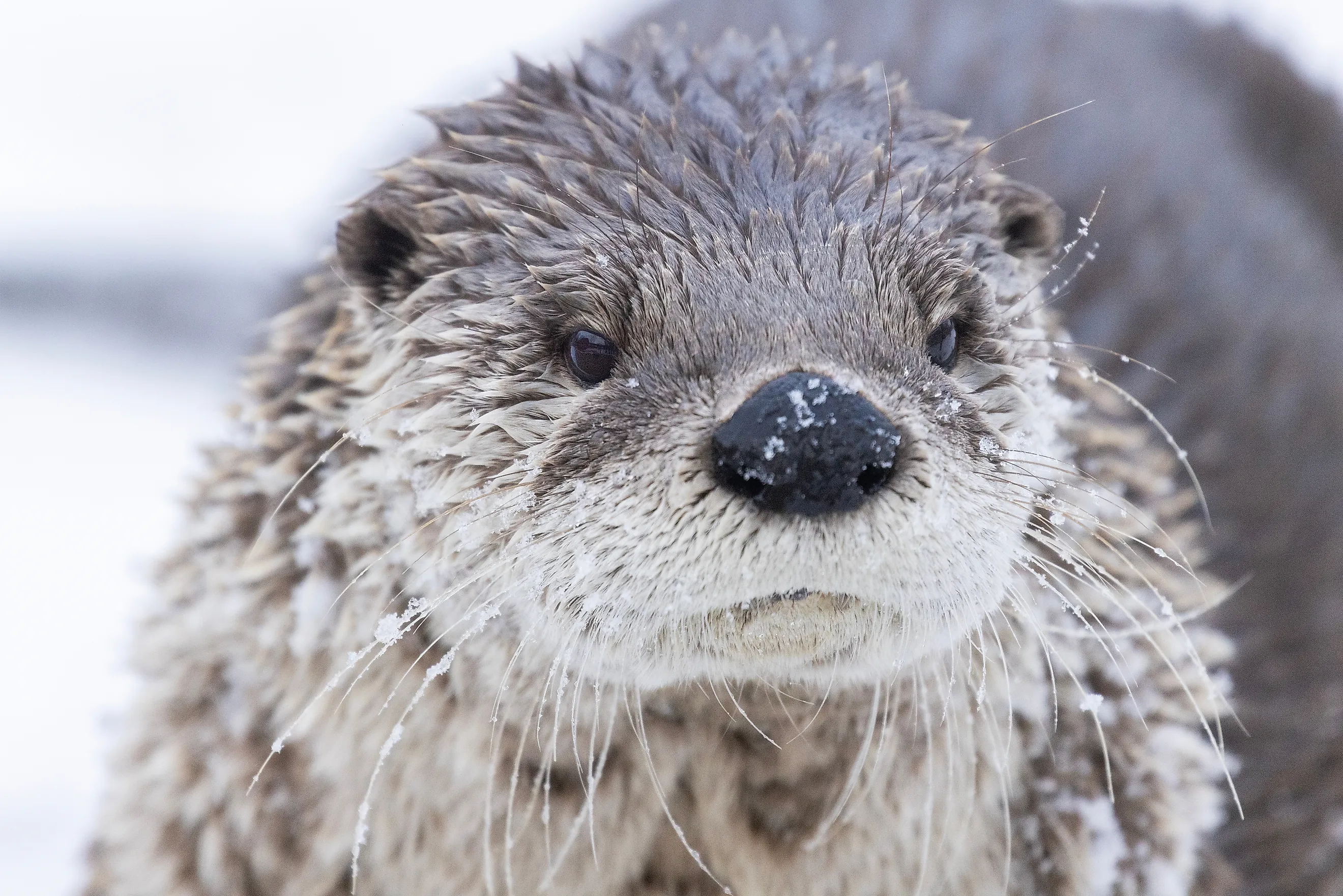
North American river otters (Lontra canadensis) remain active throughout winter, even when snow lines the riverbanks and ice forms across lakes. Their dense fur contains an insulating layer of trapped air, while longer outer hairs help prevent cold water from reaching their skin. After swimming, otters roll in snow and shake their fur to restore that protective layer. According to the National Park Service, river otters can remain underwater for two to three minutes and swim at speeds reaching six miles per hour.
They primarily eat fish and crayfish, although frogs and other aquatic animals are also part of their diet. Frozen waterways complicate hunting because the animals must find reliable places to surface and breathe. The US Forest Service identifies lake outlets and stretches of open water as important winter habitat. In some rivers, declining water levels also create air spaces beneath the ice, allowing otters to travel and hunt below the frozen surface.
Yellowstone Lake, Wyoming

At 7,733 feet above sea level, Yellowstone Lake spans approximately 132 square miles in Yellowstone National Park. The lake generally freezes in late December or early January and remains frozen until late May or early June. Despite those conditions, river otters continue hunting in areas where they can reach the water. West Thumb, a large bay on the lake's western side, is particularly important. Hydrothermal activity beneath the lake creates openings in the ice, giving otters access to fish.
The National Park Service has documented otters entering and leaving these holes during winter, sometimes leaving fish scraps that attract coyotes and bald eagles. West Thumb Geyser Basin is a well-known stop along Grand Loop Road, with boardwalks passing hot springs and other geothermal formations beside the lake. Winter access is far more restricted than summer access, however. Most park roads close to ordinary vehicles, and visitors generally need authorized snowcoach or snowmobile transportation to reach this part of Yellowstone during the winter season.
Yellowstone River, Wyoming and Montana
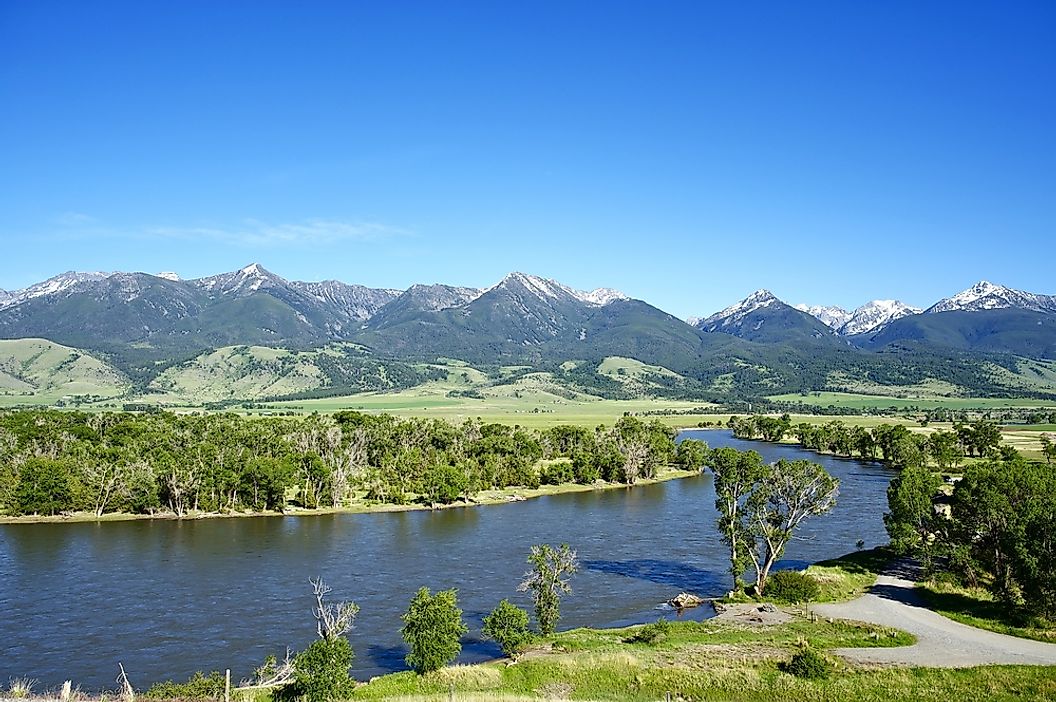
The Yellowstone River flows out of Yellowstone Lake, travels north through the national park, and continues across Montana before joining the Missouri River in North Dakota. Its winter conditions change considerably along that route. Some stretches develop broad sheets of ice, while turbulent sections retain open water. River otters use ice-free sections of the river to hunt and travel. Their webbed feet help them maneuver underwater, and their whiskers help them detect prey.
On land, otters sometimes alternate short bounds with belly slides, leaving recognizable tracks across snowy riverbanks. The National Park Service has photographed river otters along the Yellowstone River and documented their tracks in snow. Within Yellowstone National Park, the river's northern reaches can be observed near Tower Junction, though wildlife sightings are unpredictable. Visitors should remain on accessible roads and established viewing areas rather than approaching unstable river ice.
Red River of the North, North Dakota and Minnesota

The Red River of the North flows north through the broad Red River Valley, passing Fargo, North Dakota, and Moorhead, Minnesota, before continuing into Manitoba. Its relatively gentle gradient allows ice to spread widely during cold winters, making open-water habitat especially important for river otters. North Dakota Game and Fish identifies the Red River and its tributaries as key waterways for the species. Otters also use neighboring wetlands and lakes, particularly where beaver activity creates suitable habitat.
Beaver dams can create deeper pools and increase aquatic habitat available to fish and other prey, while abandoned beaver lodges, undercut banks, and spaces beneath tree roots provide shelter. In Fargo, the Red River runs alongside public green spaces such as Lindenwood Park, where visitors can observe the river corridor from shore. Fresh snow may reveal wildlife tracks, although a track alone does not confirm that an otter is still nearby. Frozen sections of the Red River should never be assumed safe for walking.
Where Otters Sleep During Winter

River otters do not typically dig their own dens. Instead, they use natural cavities and shelters created by other animals. Abandoned beaver dens, hollow logs, rock crevices, and spaces beneath exposed tree roots can all serve as resting sites. These shelters become especially valuable when riverbanks are buried in snow.
A den near unfrozen water allows an otter to rest between hunting trips without traveling far across exposed ground. Otters may also use more than one resting site as they move through their home range. The US Forest Service notes that river otters favor habitats with sheltered shorelines and places to escape disturbance. Beaver lodges are particularly useful because they occur near aquatic environments where otters hunt.
What Happens When a River Freezes Completely?

A continuous sheet of ice can prevent otters from reaching the water if no breathing openings remain. In those conditions, the animals may travel overland to another river, lake, or wetland where they can hunt. Yellowstone National Park notes that river otters can move long distances between bodies of water, using a combination of running and sliding across snow. Winter habitat is therefore determined by more than how much of a river freezes. Water movement, available food, shoreline shelter, and reliable access to breathing air all influence where otters spend the coldest months.
At Yellowstone Lake's West Thumb, geothermal openings allow otters to return to the water beneath thick winter ice. Along the Red River of the North, tributaries, wetlands, and beaver-associated habitats provide them with additional places to seek food and shelter. A frozen river may look empty from the bank, but an otter's tracks leading toward open water can reveal activity that continues throughout winter.