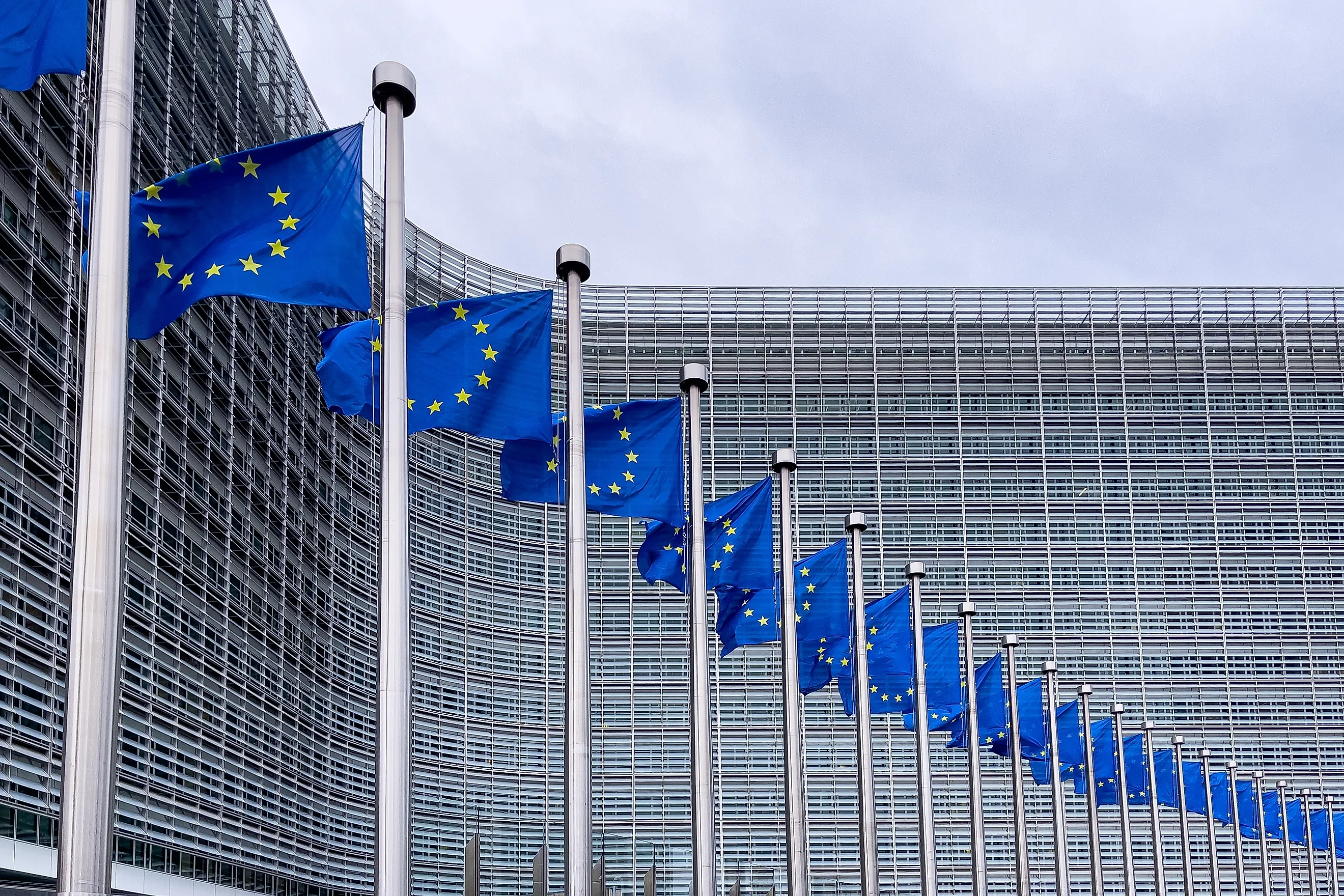
What Is ReArm Europe
Europe stretches from the Atlantic to the borders of Russia, Belarus, and Ukraine, with several EU member states close to the continent’s main security flashpoints. The European Union won the Nobel Peace Prize in 2012, but by spring 2026, it was working to mobilize up to €800 billion for defense. Russia’s February 2022 invasion of Ukraine accelerated the shift, and U.S. statements on European security in 2025 added pressure for Europe to take on more responsibility for its own defense. That policy is called ReArm Europe, now officially Readiness 2030.
What Is ReArm Europe?

On March 4, 2025, European Commission President Ursula von der Leyen presented the ReArm Europe Plan, which was later rebranded as Readiness 2030. The plan focuses on increasing defense investment and giving EU member states more capacity to respond to security threats.
To support Readiness 2030, the EU gave countries greater financial flexibility for defense spending. To mobilize up to €800 billion, the plan included using the national escape clause of the Stability and Growth Pact, which allows EU members to increase defense spending. The EU also created a €150 billion loan instrument called Security Action for Europe, or SAFE, to finance defense-related investments. The EU also supported a broader role for the European Investment Bank Group in defense and security financing while seeking to draw in more private investment. According to European Commissioner for Defense Andrius Kubilius, “SAFE is European solidarity in practice. Loans supported by the European budget for our collective defense and security.”
Several European countries, including EU members and non-EU partners, have responded with higher defense budgets, recruitment plans, and new security commitments.
Poland

As of 2025, Poland was estimated by NATO to spend the largest share of its GDP on defense, at 4.48%. Poland was the first member state to receive a payment under SAFE. On May 29, 2026, Poland received its first payment of about €6.6 billion under the program. Commissioner for Defense and Space Andrius Kubilius said, “Today's €6.6 billion pre-financing for Poland under SAFE is a concrete step forward for our common security. It will help deliver investments faster and strengthen Europe's readiness through greater co-operation and joint capabilities.”
Germany

After Russia invaded Ukraine on February 24, 2022, German Chancellor Olaf Scholz declared a Zeitenwende, or turning point, and Germany has since continued to increase military investment and strengthen its role within NATO.
SIPRI’s 2025 military expenditure data placed Germany’s military spending at about 2.3% of GDP. On May 14, 2025, German Chancellor Friedrich Merz announced, “The federal government will provide all financial resources to become the strongest conventional army in Europe.” On December 5, 2025, the German parliament voted for a new military service plan requiring 18-year-old men to complete a service questionnaire and mandatory medical screening for eligible men to begin on July 1, 2027.
Germany has also strengthened its security ties with Lithuania and the wider Baltic Sea region, holding the activation ceremony for its permanent Lithuania Brigade in Vilnius on May 22, 2025. The brigade is expected to reach full operational capability by the end of 2027.
France

As of 2025, France was estimated to spend 2.05% of its GDP on defense. On November 27, 2025, French President Emmanuel Macron announced a plan allowing men and women aged 18 to 19 to receive 10 months of paid military training. France has also linked its defense planning to nuclear deterrence. On March 2, 2026, Macron announced that France would increase its nuclear arsenal.
Italy

As of 2025, Italy was estimated to spend 2.01% of its GDP on defense. Italian Prime Minister Giorgia Meloni had linked Italy’s participation in SAFE to broader fiscal flexibility, including measures tied to the energy crisis. As of May 2026, Italy’s SAFE role was still uncertain. The European Commission had listed Italy for €14.9 billion in SAFE loans, but Reuters reported that Italy had not yet decided whether to use the funds. Euronews later reported that Italy planned to request only €4 billion to €5 billion.
Belgium

As of 2025, Belgium was estimated to spend 2% of its GDP on defense. On April 9, 2026, 3,248 men and women volunteered for Belgium's military service, with only 500 slots available. Candidates will undergo selection tests before 500 people are chosen to begin reservist training in August 2026. Belgium also announced plans to expand the program to 1,000 slots in 2027 and gradually increase it to a maximum of 7,000.
Belgium and the European Commission signed a loan agreement paving the way for €8.34 billion in SAFE loans for the Ministry of Defense. On May 29, 2026, Minister Theo Francken said the funding would support the aerospace, drone, ammunition, and modern weapons sectors.
Netherlands

As of 2025, NATO estimated that the Netherlands spent 2.49% of its GDP on defense. On April 30, 2026, the Dutch government committed to increasing military personnel from 80,000 to 120,000 by 2035. Queen Máxima and Princess Amalia of Orange have also enlisted as volunteer reservists. As of April 2026, the Netherlands had about 9,000 reservists, aiming to reach at least 20,000 by 2030.
Ireland

As of 2024, Ireland had the lowest defense spending in the EU, at 0.24% of GDP. By December 2025, however, the country had announced new military investment. On December 11, 2025, Ireland announced it would spend €1.7 billion on its military. Ireland’s Defense Minister Helen McEntee also planned to spend €19 million on counter-drone technology.
The United Kingdom

The United Kingdom is not part of the EU program, but it remains relevant because it was an EU member until January 31, 2020, and continues to play a major role in European security. In 2025, NATO estimated that the UK spent 2.40% of GDP on defense, aiming to increase that to 2.5% by 2027. British Prime Minister Keir Starmer was expected to approve an £18 billion increase in defense spending, but the defense investment plan was still being finalized as of late May 2026.
Why Defense Spending Is Rising

Russia’s February 2022 invasion of Ukraine has prompted many European governments to reassess defense spending and military readiness. The Zeitenwende speech in Germany was directly in response to Russia’s invasion of Ukraine. Another factor is the changing role of the United States in European security. In 2025 and 2026, U.S. statements and force-posture changes raised questions in Europe about Washington’s long-term role in European security. U.S. officials, however, said those changes did not represent a withdrawal from Europe or a reduced commitment to NATO’s Article 5.
At the Ukraine Defense Contact Group on February 12, 2025, Secretary of Defense Pete Hegseth stated, “We're also here today to directly and unambiguously express that stark strategic realities prevent the United States of America from being primarily focused on the security of Europe.” Statements like this contributed to wider debate in Europe over reliance on the United States. In 2025, every NATO member state reached at least 2% of GDP in defense spending. At the 2025 NATO summit, NATO Allies committed to investing 5% of GDP annually on core defense requirements and defense- and security-related spending by 2035, including at least 3.5% on NATO-defined defense expenditure.
What Comes Next for Readiness 2030
Europe’s defense strategy is still developing. The European Council meeting in Brussels on June 18 and 19, 2026, may provide further updates on Readiness 2030 and related defense funding.