The National Forests With The Most Wild Turkeys
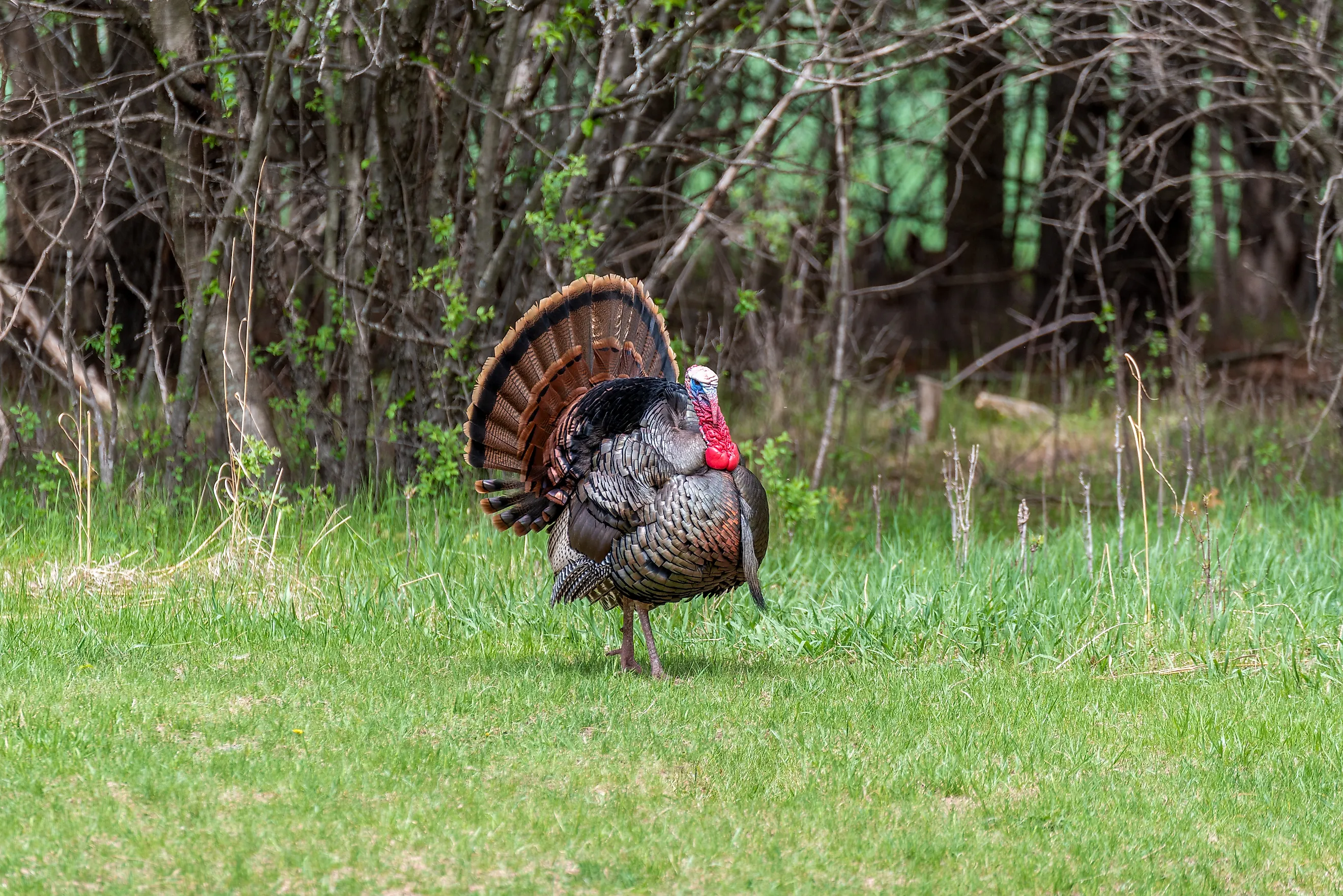
Several national forests in the United States host notable populations of wild turkeys with their extensive numbers of trees for roosting, feeding grounds, and nesting areas. Yet the habitats supporting these birds can differ considerably depending on where you are, from Missouri's oak woodlands to Florida's pine forests and the rolling Black Hills of South Dakota and Wyoming. But above all, food availability, successful nesting periods, and proper forest management all influence how well local flocks fare. Things like prescribed fire and selective timber cutting can improve conditions, while severe storms and poor seed crops can disrupt them. The five destinations we'll be highlighting are ideal for observing wild turkeys and, where permitted, hunting them, while always revealing how the different subspecies use some of the country's most pristine forests throughout the year.
Mark Twain National Forest, Missouri

Mark Twain National Forest hosts numerous healthy populations of eastern wild turkeys across southern Missouri's oak woodlands. Mature oaks supply acorns for fall and winter feeding, while larger trees make for excellent nighttime roosts. Furthermore, hens tend to nest on the ground, with their poults needing insect-rich vegetation where they can feed while remaining concealed from predators.

Maintaining that combination requires more than simply protecting trees. Prescribed burning and selective thinning have helped to prevent woody growth from crowding out grasses and flowering plants used by resident broods. In 2024, the National Wild Turkey Federation reported completed restoration projects covering 2,089 acres in the Eleven Point Ranger District and 288 acres in the Ava Ranger District. These efforts greatly improved nesting and brood habitat, including several overgrown fields and glades.
This forest is also a well-established destination for spring turkey hunting, with designated walk-in hunting areas closed to motorized traffic during the season, allowing hunters to explore them quietly and on foot.
Black Hills National Forest, South Dakota & Wyoming

Abundant ponderosa pine helps explain why Merriam's wild turkeys became so established in the Black Hills after introductions to the region began in 1948. These birds were not native to the area, but its national forest now harbors flourishing habitat across much of western South Dakota and northeastern Wyoming for the breed.

Pine seeds are an important cold-season food, and older trees provide roosts above the forest floor. In fact, some research in the southern Black Hills found hens roosting exclusively in ponderosa pines, often near ridge tops on east-facing slopes. However, their feeding grounds can change with the seasons. Meadows and grassy forest openings supply tasty insects and green vegetation, while especially dense pine stands become vital in winter. With that, poor pine seed yields can also push flocks toward nearby farms for sustenance.
For sightseers and hunters alike, the Sundance Trail System on the Wyoming side, as well as a network of other secluded footpaths, offer idyllic places to look for the Black Hills National Forest's turkeys, alongside elk and deer, too.
Ouachita National Forest, Arkansas & Oklahoma

Turkey hunters have dedicated ground to explore in Ouachita National Forest, including the popular 11,275-acre Sharptop Mountain Walk-In Turkey Hunting Area in the Caddo-Womble Ranger District. Note that the Ouachitas' long ridges and intervening valleys make scouting demanding, and a gobbling male on the opposite slope may require a substantial walk around steep terrain before a hunter can get into position.

This forestland in total covers approximately 1.8 million acres across Arkansas and Oklahoma, where eastern wild turkeys inhabit vast swathes of pine-covered ridges, hardwood stands, and meadows. An important part of this habitat is the local shortleaf pine-bluestem woodlands, an open forest type maintained through periodic wildfires. Furthermore, ample sunlight being able to reach the ground means plenty of grass and flowering plants that shelter nesting hens and likewise attract insects. Nearby hardwoods also contribute acorns and other foods, giving the region's flocks different feeding options throughout the year.
Restoration of these woodlands also benefits red-cockaded woodpeckers, linking turkey-friendly zone management with the conservation of another notable forest bird here.
Francis Marion National Forest, South Carolina

The Francis Marion National Forest has played a major role in rebuilding South Carolina's eastern wild turkey populations. Between 1951 and 1958, biologists trapped and relocated 328 birds from the forest to help repopulate the state's upper regions. Its coastal setting also helped, with its productive pine forests and hardwood bottomlands north of Charleston.

Rather than remaining in a single habitat, flocks move between feeding areas and wooded cover as food availability changes with the weather. Acorns, seeds, fruits, and insects provide a varied diet, while, as mentioned before, nesting hens depend on concealed ground sites, of which there are many in this nationally protected woodland.
This population also illustrates how severely storms can alter turkey habitat. Hurricane Hugo struck in September 1989, removing roughly three-quarters of the forest's overstory and changing its structure for quite some time after. Recovery involved more than replacing lost roost trees, because the rapid regrowth also changed conditions near the ground, primarily altering where nesting could take place. Today, the forest still manages to offer public turkey hunting alongside a significant place in the species' regional conservation history.
Ocala National Forest, Florida

Ocala National Forest boasts a large amount of public habitat for Osceola wild turkeys, a subspecies found only on Florida's peninsula. Their wings look darker than those of eastern wild turkeys because the white bars on their primary feathers are narrower and often broken.

Across this central Floridian forest, longleaf pine stands, oak hammocks, and grassy prairies create the typical feeding grounds we've seen in other preserves, as well as extensive sand pine scrub. With its subtropical climate, breeding begins early here, too. Florida hens typically start nesting in late March or early April, laying an average of 9 to 12 eggs in shallow ground nests.
In terms of hunting, Ocala Wildlife Management Area provides opportunities at various hotspots within it. But for those exploring without a shotgun, the Florida National Scenic Trail passes through a diversity of habitats, while the Juniper Prairie Wilderness offers alternative footpaths inside another very pleasant section of local woodland.
Shoot a Wildlife Photo, or Your Next Thanksgiving Meal, at These National Forests
Finding wild turkeys is not always about choosing whichever large forest sits near you. These sizable birds concentrate where food and suitable roosting areas occur together. The right locations may shift through the year, too. For hunters and wildlife watchers alike, understanding those movements can make for a productive visit. The continued presence of turkeys in America's wildlands also depends on maintaining the varied habitats that support them, making a respectful, law-abiding visit essential regardless of your intentions.