The Counties With No Incorporated Towns
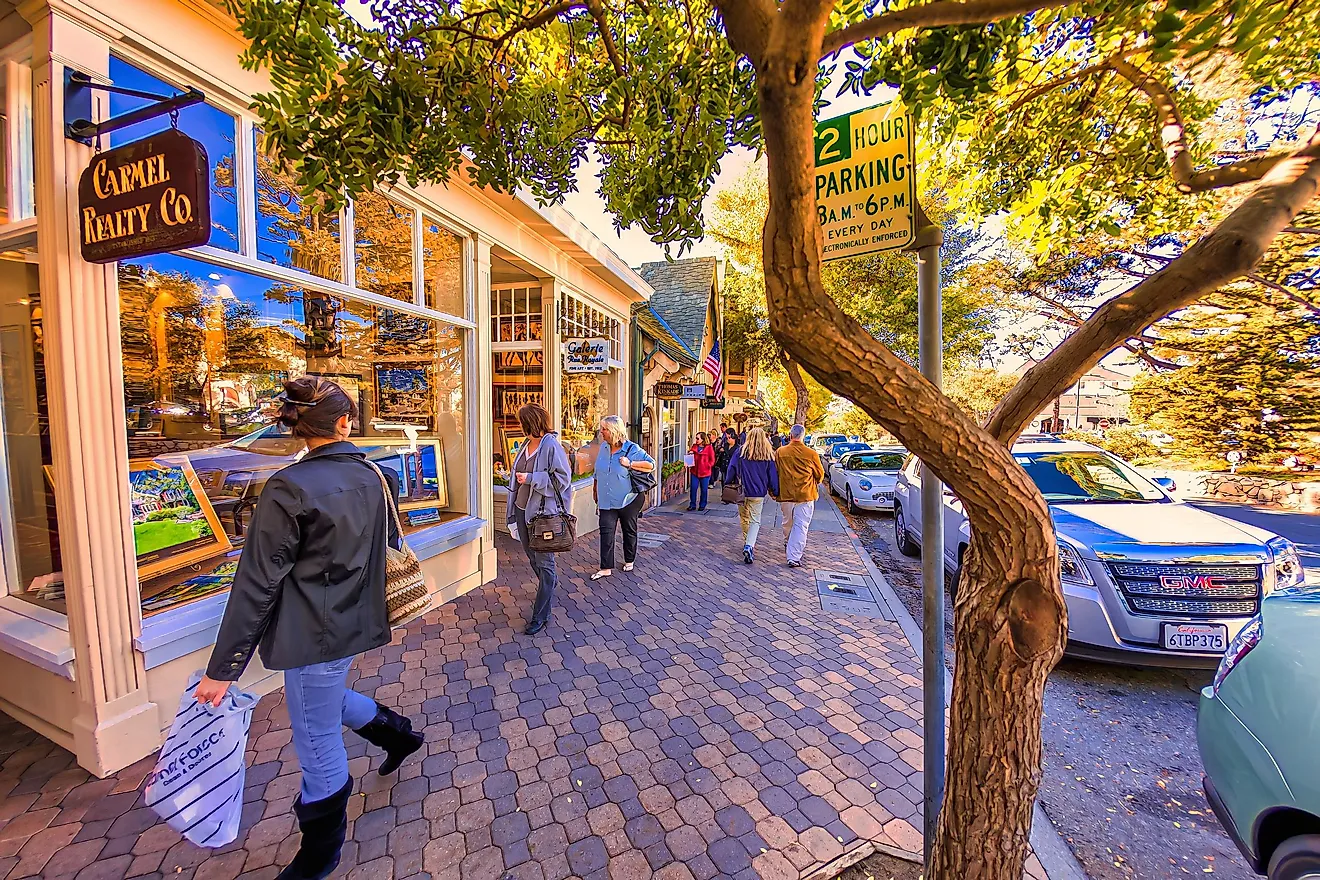
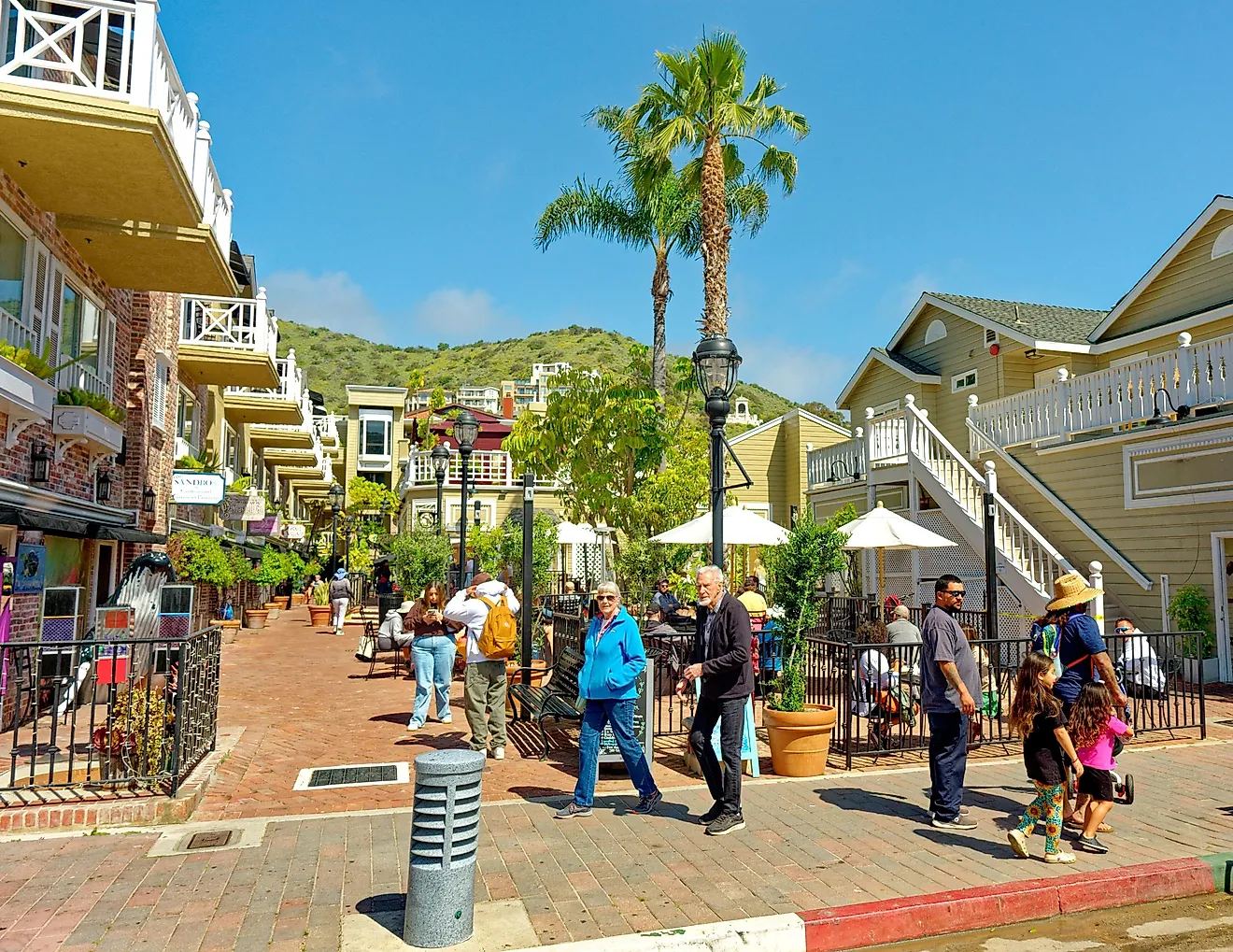
When most people think about the landscape of the United States, they picture towns inside counties inside states. Across the U.S., however, according to the U.S. Census Bureau, dozens of counties out of a total of 3,143 have zero incorporated towns. In counties like Arlington County Virginia and Mariposa County, California, the population relies entirely on the county for local governance. Unincorporated communities are not just found in remote, rural areas, either. Many huge urban counties like Baltimore County, Maryland have no incorporated towns. Here, we will explore eight of these counties with unincorporated towns, examining how they were created, how they function, and what life is like for residents living within the county borders.
Urban Counties Without Incorporated Towns
Arlington County, Virginia

With an area of 26 square miles and a population of 238,643, Arlington County, Virginia has an intense concentration of about 9,400 people per square mile. Arlington County has zero incorporated cities or towns. It does contain more than 60 distinct neighborhoods that its residents treat like "towns." These include Rosslyn, which is across the Potomac River from Washington, D.C.; Ballston, the county's science and technology center; Clarendon, an upscale neighborhood famous for its nightlife; and Courthouse, Arlington County's administrative headquarters.
Baltimore County, Maryland

Baltimore County, Maryland is another large county, with 854,535 residents and almost 600 square miles, but no incorporated towns or municipalities. (Note that Baltimore County wraps around Baltimore City, which is a separate, independent entity). Large, famous places like its county seat, Towson, are unincorporated areas called Census-Designated Places (CDPs). Other places within the county include suburban Owings Mills in the northwest part of the county; Catonsville on the county's western edge along the Patapsco River; and Fort Howard, at the southeastern tip of the county where the Patapsco River meets the Chesapeake Bay.
Hawaii County, Hawaii

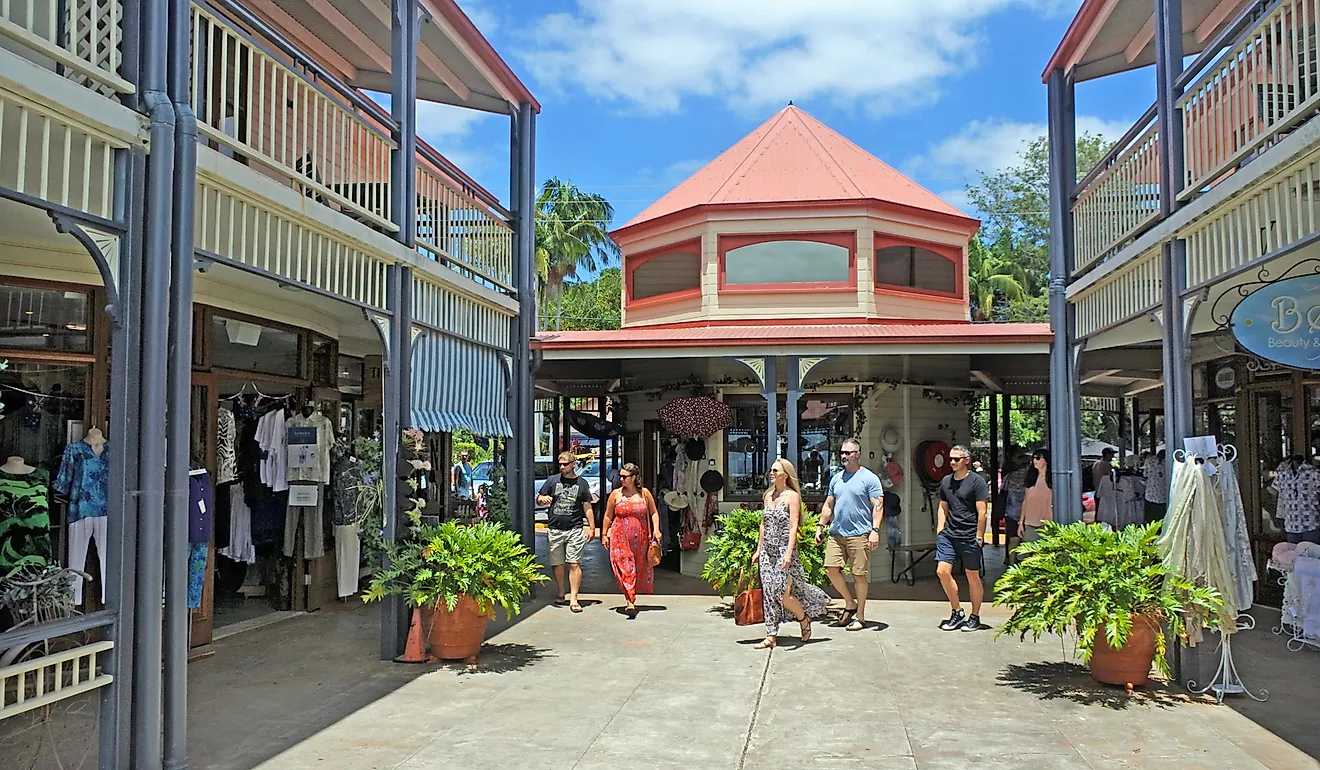
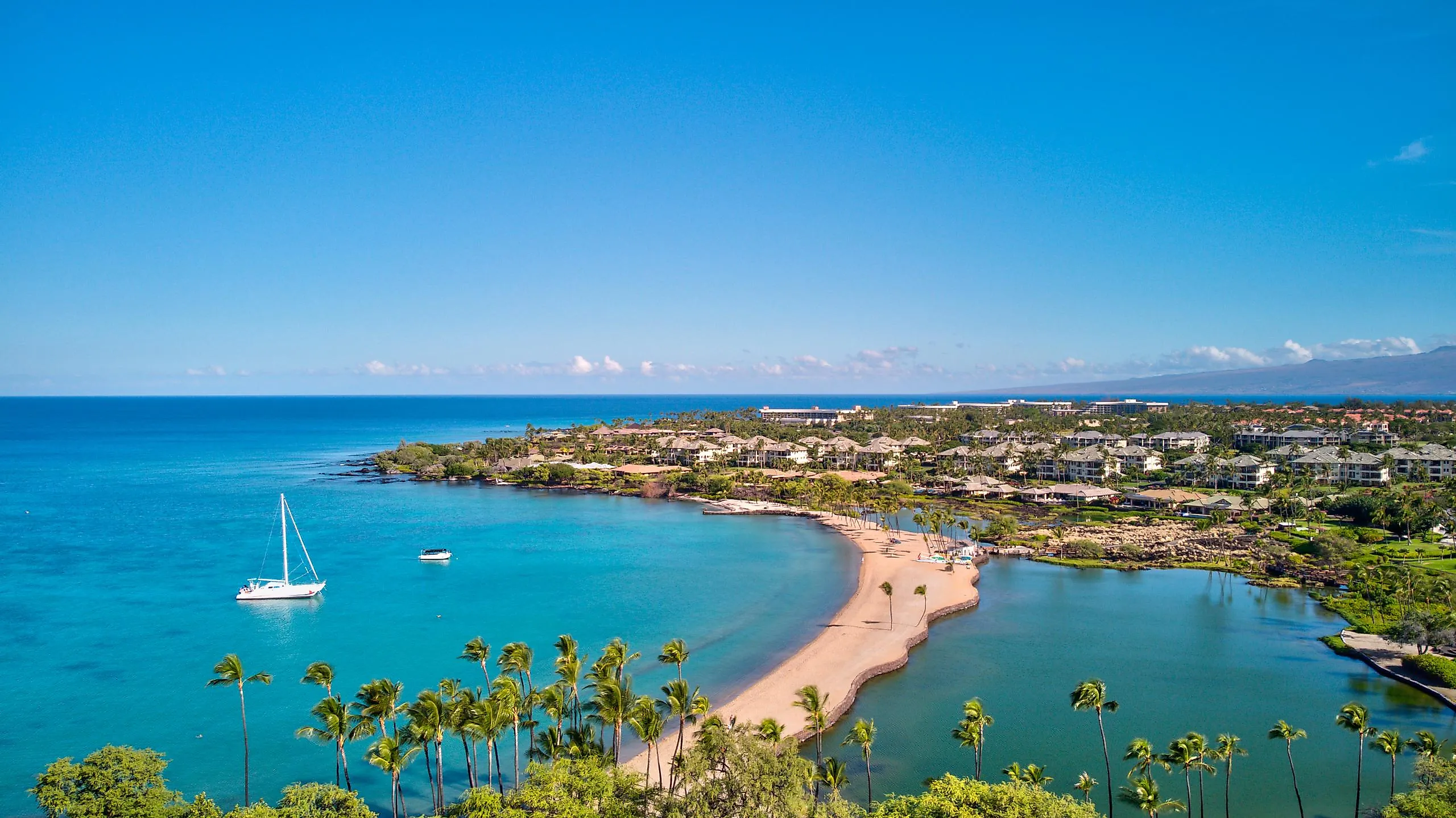
Hawaii's state constitution does not recognize separate municipal or city governments. Hawaii County, the largest county in the state, includes the entire Big Island of 200,629 residents, with zero incorporated towns across its 4,028 square miles. Hilo and Kailua-Kona, known as urban places and tourist attractions, are unincorporated CDPs. The entire island's urban infrastructure, from police services to zoning, is managed by the county council. Other places within the county include Captain Cook, south of Kona, a historic agricultural community home to Kona coffee. Rural areas of the county include Volcano, a residential village on the border of Hawaii Volcanoes National Park; and Pahoa, a boardwalk village in the Puna District famous for its independent, artsy vibe.
Rural Counties Without Incorporated Towns
Mariposa County, California

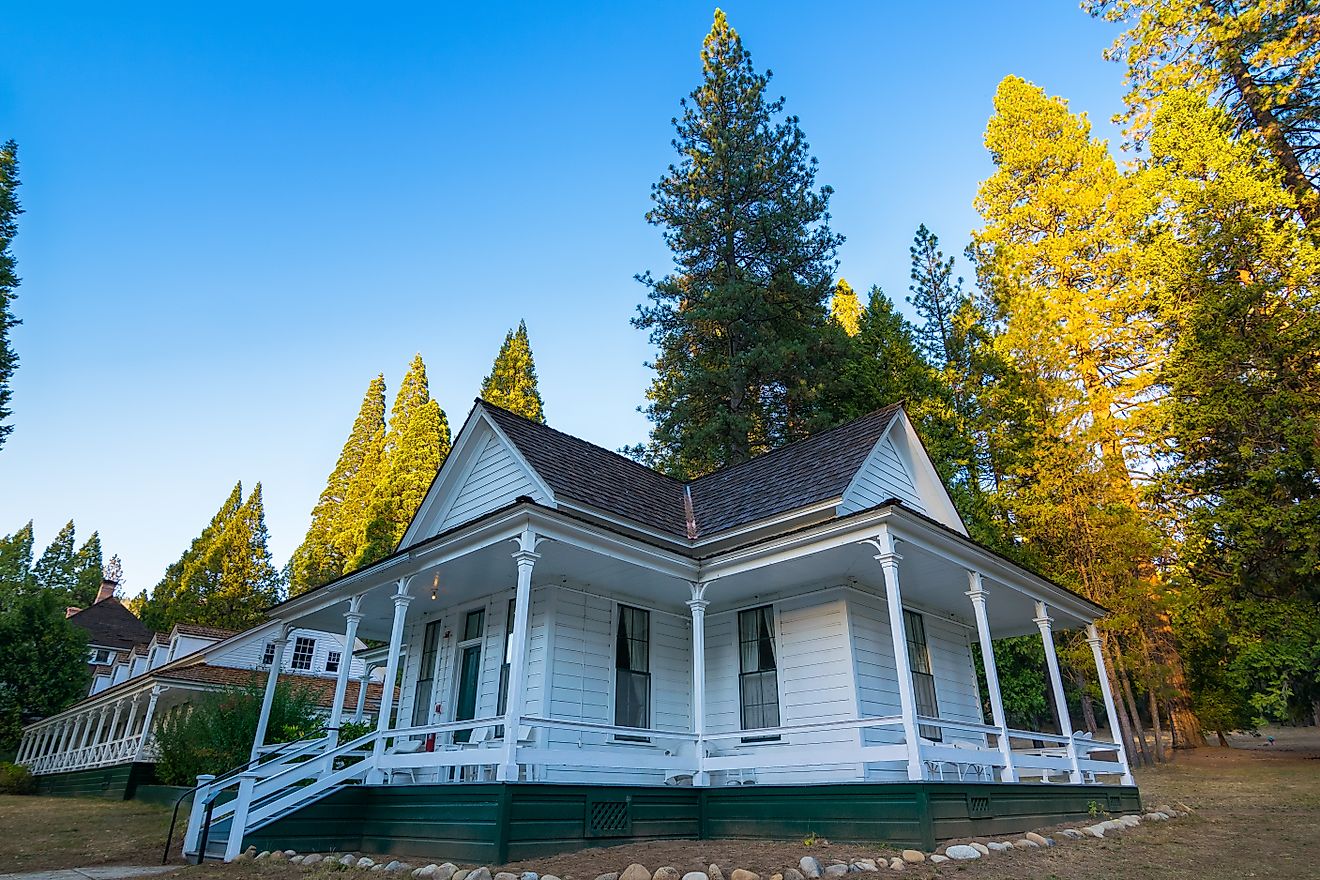
Home to Yosemite National Park, Mariposa County is one of three California counties with zero incorporated towns (the other two being Trinity County and Alpine County). This rural, heavily forested county is home to 17,131 residents and encompasses 1,448 square miles. Places within Mariposa County include El Portal, just outside Yosemite National Park's Arch Rock Entrance; Mariposa, the official county seat, resembling a town from the Gold Rush era; and Catheys Valley, an agricultural community in the county's western foothills.
McPherson County, Nebraska

Located in Nebraska's west-central Sandhills region, McPherson County has a population of 399 people spread over about 860 square miles, with no incorporated communities. Its county seat, Tryon, is an unincorporated community, not an official town. Ringgold, in the eastern portion of the county, is an unincorporated community of scattered ranches. Ghost "towns" like Flats and Omega are historical settlements and curiosities popular with travelers.
Loving County, Texas

Loving County, Texas, is one of the most extreme examples anywhere in the country. The 2020 Census counted just 64 residents across 668.8 square miles of land. The Census Bureau's 2025 estimate fell to only 52 people. Mentone is the county seat and the county's principal inhabited settlement, but it is not an incorporated municipality. A Texas Historical Commission marker describes it as the county's only town and records its long history as an extraordinarily small county seat. Oil production and ranchland dominate much of the surrounding landscape. Unlike Arlington or Baltimore County, Loving County lacks incorporated municipalities partly because there are so few residents to organize into one. Its county courthouse consequently serves a population smaller than many apartment buildings.
Esmeralda County, Nevada

A historic mining and ranching area with about 730 residents and zero incorporated towns, Esmeralda County, Nevada covers 3,589 square miles and is home to a place called Goldfield, the county seat. Its towns were once booming cities, but are now completely unincorporated communities. The county commission is responsible for all local ordinances and public services for the entire area. Silver Peak, one of the state's oldest mining communities, is still an active industrial hub that mines lithium. Ghost "towns" like Gold Point and Palmetto today serve as open-air museums and tourist attractions.
Pros and Cons of Unincorporated Towns

In an idealized scenario, a county featuring zero incorporated towns, with no city councils, mayors, or municipal courthouses, the county government holds full responsibility for administration within all places. This changes how public services are delivered, offering clear advantages and notable disadvantages.
Within these jurisdictions, one legislative entity, like a Board of County Commissioners or a County Board of Supervisors, serves as the only local authority. This board is responsible for serving both regional logistics and local neighborhood needs. The County Sheriff's Office or county police force handles neighborhood policing, municipal patrols, and traffic enforcement. Public works departments must manage the entire county grid. A single, centralized planning commission mandates building codes and zoning regulations for the whole county.
Governmental efficiency is one benefit of these types of systems. Eliminating dozens of municipal governments cuts out red tape, as a single county manager oversees the entire county workforce. This also creates lower tax burdens, in which residents do not have to pay a secondary layer of municipal property taxes.
A major disadvantage of these systems is lack of representation in government. When a single county board represents hundreds of thousands of people living across great distances in the county, individual neighborhoods may lose their voice. The lack of municipal status can also erase a community's sense of local identity. Without official town borders, localized festivals, or a mayor to fight for local interests, residents within these communities must rely on the U.S. Census Bureau's arbitrary boundaries on a map, and trust the county council to represent them fairly.
The Democratic Compromise
Governing a completely unincorporated county is a trade-off between fiscal responsibility and localized democracy. Consolidating power under one single county entity means that residents enjoy a streamlined, more efficient administration of power, as well as a lighter tax burden. The cost of this trade-off, however, may be a loss of local identity and recognition. Without a small-town city hall, citizens within these unincorporated communities may no longer feel that they have neighborhood autonomy or can directly access county leaders. Leaders within counties with zero incorporated towns must achieve a balance to ensure that residents are equally represented and that their "places" get the recognition they deserve.