The Cheapest Beautiful Towns To Live In Montana
Montana's median home price sits near $500,000, yet the state is dotted with small towns where homes sell for far less and the cost of living runs below the national average. Below is a rundown of seven of the most affordable towns in Montana, including tiny ranching communities and the state's third-largest city.
Dillon

Dillon is a small town in the Beaverhead Valley with wide-open views. The University of Montana Western keeps the town from feeling sleepy, bringing student energy, events, and a younger demographic into an otherwise quiet ranching community. It's one of the cheapest towns to live in Montana, with rentals starting around $800 a month for a one-bedroom apartment.
As of June 2026, the median home sale price was approximately $350,000, well below the Montana statewide median of about $525,000. Median asking rent in Dillon is approximately $1,000 per month, compared with the Montana average of roughly $1,500 per month.
Dillon's cost of living index is about 91.5, against a U.S. average of 100, reflecting a lower overall cost of living than the national average. Together, Dillon's comparatively affordable home prices, below-average rents, modest property taxes, and lower cost of living make it an attractive option for residents seeking small-town living with manageable housing and household expenses.
Lewistown

Lewistown is a small town with over 6,000 residents as of the 2020 Census. The Judith River runs right through town, and several mountain ranges ring it, so outdoor access is immediate rather than a drive away. Its downtown is lively, with local shops, restaurants, and a steady calendar of community events.
Lewistown is considered one of the cheapest places to live in Montana, with one of the lowest overall cost of living indexes on this list at about 77.6. Its median home price is about $315,000 as of June 2026, well below the Montana median of about $525,000, and median rent is approximately $950 per month, below the state average of about $1,500.
Fergus County's effective property tax rate is about 0.74%. Groceries and utilities are also much less expensive than the national average, putting Lewistown in the same affordability tier as Dillon.
Havre

Havre offers a blend of history and outdoor adventure. Visitors can dive into the past at the Wahkpa Chug'n Buffalo Jump and the Havre Beneath the Streets tour.
A typical home in Havre costs about $239,300, well below both the national and Montana averages.
Renting a two-bedroom unit costs about $830 a month, also well below the national and state averages. Havre's overall cost of living index is around 89.7, lower than the national average, with groceries and utilities running cheaper than in most other places, similar in price point to Great Falls and Polson.
Kalispell

Kalispell is the gateway to Glacier National Park and Flathead Lake, and it is the outlier on this list. Its cost of living runs only about 2% above the U.S. average, which is remarkably reasonable given its proximity to some of the most photographed landscapes in the country.
A typical home in Kalispell costs about $530,000, above both the national and Montana averages. Renting a two-bedroom unit costs about $1,180 a month, below the national average but above the state average.
Kalispell's recommended minimum annual income is about $101,520 for a family and $35,600 for a single person. Groceries and utilities are generally cheaper than the national average, but Kalispell is best thought of as affordable relative to other scenic gateway towns rather than genuinely cheap in the way Lewistown is.
Polson

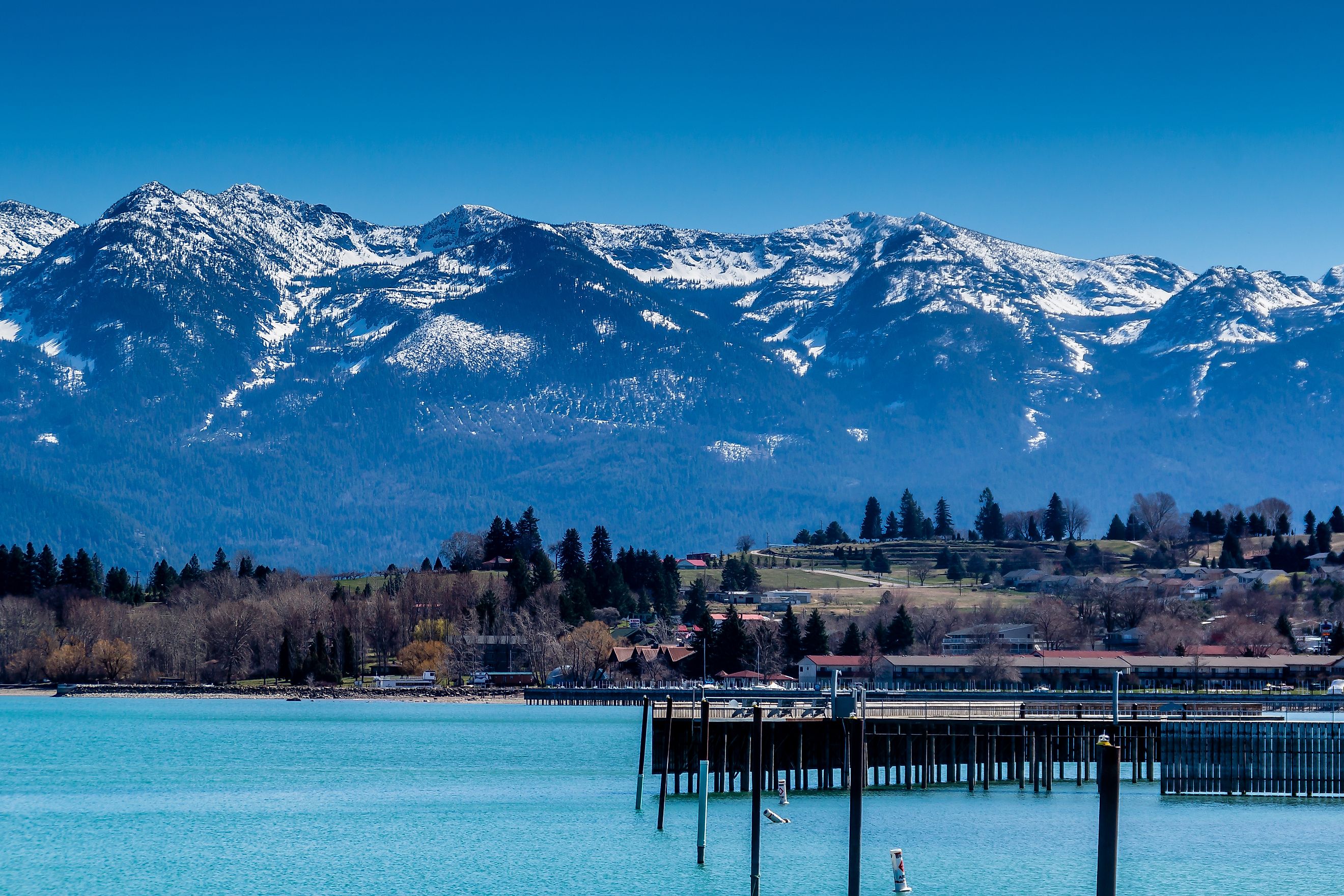
Polson sits on the southern shore of Flathead Lake, the largest natural freshwater lake west of the Mississippi, with the Mission Mountains as a backdrop. It has a population of over 5,200 residents and a real town center, with multiple grocery stores, restaurants, a Starbucks, a lakefront casino, marinas, live theater, and a lakeside golf course.
Cultural life includes the Flathead Cherry Festival and a 3-on-3 basketball tournament, plus ties to Salish-Kootenai tribal heritage since the town sits on the Flathead Indian Reservation. Polson's recommended minimum annual income is about $98,280 for a family and $35,200 for a single person.
The median home cost is around $187,000, and the overall cost of living index is about 92, roughly 8% below most U.S. cities. Food and groceries run about 12% below the national average, and rentals more than 20% below it, putting Polson in a similar bracket to Havre and Great Falls.
Great Falls

Great Falls is Montana's third-largest city, but it keeps a small-town character. A home here costs about $268,300, well below both the national and Montana averages. Renting a two-bedroom unit costs about $910 a month, also below the national and state averages.
Great Falls' cost of living index sits at about 87.4, below the national average of 100, a step cheaper than Polson and Havre, and a good option for anyone who wants small-city amenities without small-town prices.
Butte-Silver Bow

Butte-Silver Bow is home to the 90-foot Our Lady of the Rockies statue and 25 miles of trails at Thompson Park. It is less a postcard mountain town and more a working former mining city. A typical home costs about $239,900, well below both the national and Montana averages, and renting a two-bedroom unit costs about $810 a month.
The overall cost of living index is about 81.6, below both the U.S. and state averages. Butte-Silver Bow also has some of the lowest tax rates in the state, adding to the savings on top of already-cheap housing, putting it right alongside Dillon and Havre as one of the most budget-friendly options in Montana.
Conclusion
Montana offers many more budget-friendly small towns that are both affordable and beautiful. For house hunters, the eastern and central towns of Lewistown, Dillon, and Butte-Silver Bow offer the steepest discounts on housing. For those who want a bit more lake or mountain scenery without paying Whitefish or Bozeman prices, Polson, Havre, and Great Falls strike a middle ground. Kalispell remains the exception on this list, still relatively reasonable by national standards but priced more for its proximity to Glacier National Park than for pure affordability.