6 Tick Infested Areas In The Northern United States
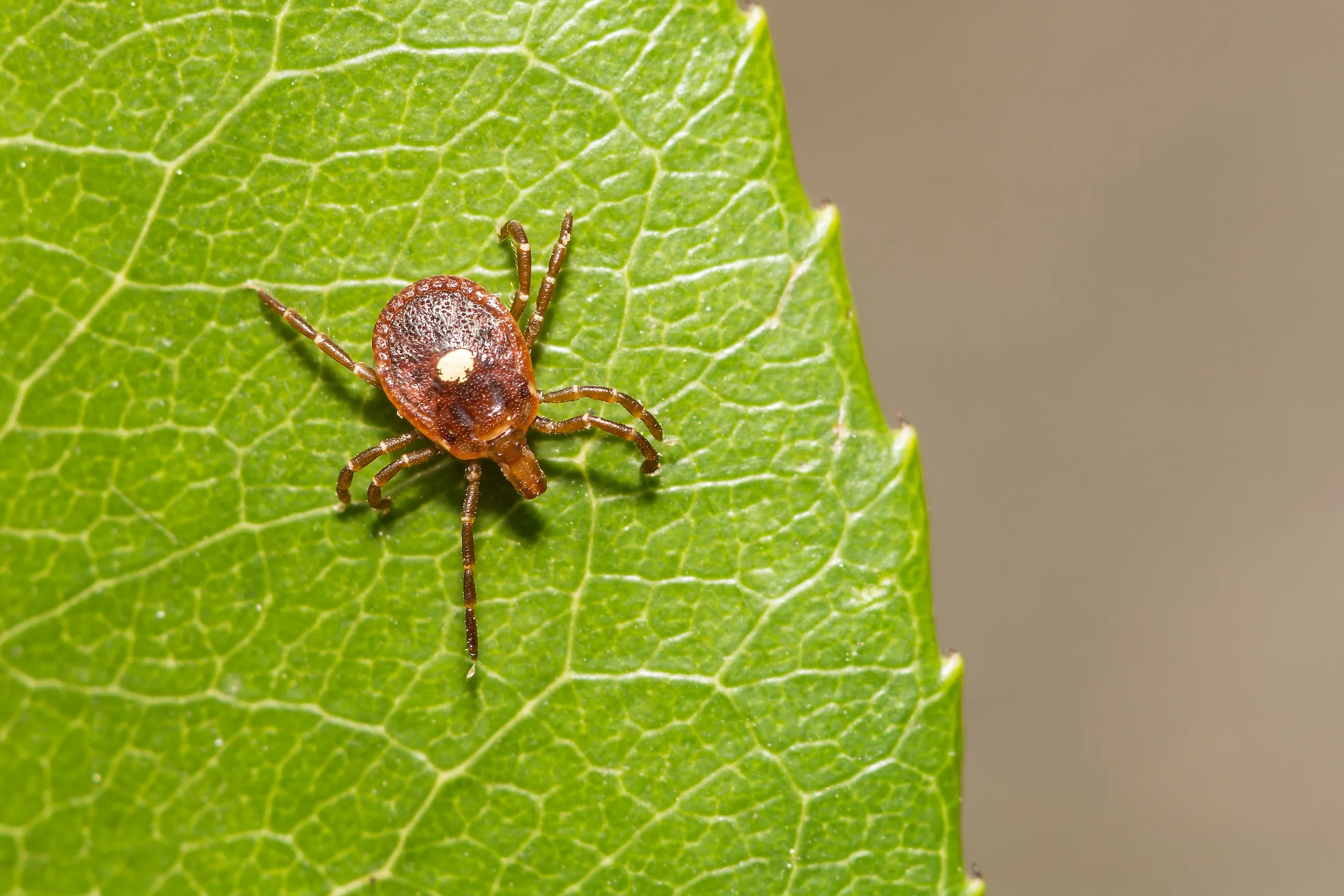
Ticks are widespread across the northern United States, but their numbers, as well as the diseases they may carry, vary considerably by region. Blacklegged ticks (sometimes called "deer ticks") are especially of concern across the Northeast and Upper Midwest because they transmit Lyme disease, as well as a number of other possibly dangerous illnesses. Today, we will highlight six specific areas with well-documented tick activity and/or elevated tickborne disease risk. We will also identify the dominant species involved, what they can transmit to you, and the geographic/ecological factors that make these locations particularly significant in terms of human exposure.
North-Central Minnesota

North-central Minnesota has had a major concentration of ticks for quite some time now, especially across its more forested landscapes around the Brainerd Lakes area and north toward Itasca County. The region's hardwood and mixed forests provide the humid, shaded conditions favored by blacklegged ticks, while local critters like white-footed mice, deer, and other mammals further support their life cycle.

Minnesota actually records some of the highest tick activity in the entire country, with Lyme disease being the state's most frequently reported tickborne illness as a result. In 2024, Minnesota reported 3,551 probable cases, or 60.8 cases per 100,000 people statewide. The state also recorded 627 confirmed and probable anaplasmosis cases that year, while Powassan virus reached a record 14 cases.
The highest exposure period generally runs from late spring into midsummer, when nymphs are abundant, followed by another period of adult activity reaching into fall. Bites generally happen on hiking trails, around campsites, and along the edges of wooded areas.
Northwestern Wisconsin

Northwestern Wisconsin is another major tick hotspot in the Midwest, particularly for blacklegged ticks, the primary vector of Lyme disease in the region. This species is well established across much of the state, with wooded areas, brushy vegetation, and other habitats in its more wild northwestern half hosting large amounts of white-tailed deer and small mammals that provide plenty of suitable carriers for the bloodthirsty arachnids.

Lyme disease is, of course, the biggest concern for outdoor adventurers, but blacklegged ticks can also transmit anaplasmosis, babesiosis, Powassan virus, and other infections. With that in mind, local tick activity is highest from spring through fall, when most people come to visit, although adult blacklegged ticks can remain active during winter whenever temperatures rise above freezing.
Northwestern Wisconsin has long been recognized as a major Upper Midwest focus of surveillance, and continues to thoroughly document the expansion and local increase of tick populations.
Acadia National Park

Acadia National Park is a growing tick hotspot in New England, with both lone star and blacklegged ticks prevalent across parts of the park. Although a University of Maine study found that these pests were concentrated only in specific habitats within Acadia, creating localized areas of greater exposure rather than an even distribution throughout the park. These spots, however, coincide with some of the park's top tourist destinations. Forests, thick ground foliage, and abundant wildlife create suitable habitat for ticks and their hosts at various scenic lookouts and trails.

Like in Wisconsin, blacklegged ticks in Maine have been the major source of Lyme disease, anaplasmosis, babesiosis, hard tick relapsing fever, and Powassan virus, all of which can be potentially deadly. With that, Acadia National Park itself warns all visitors that ticks here are numerous and mostly active from late spring through early fall. Activity can also occur during mild winter periods when temperatures rise above freezing. Nymphs are particularly important to watch out for because they are small and thus can easily be missed.
Southwestern Vermont

Southwestern Vermont stands out as having the state's most documented concentration of infected ticks. The Vermont Department of Health's 2018-2022 surveillance found that infection prevalence and the density of infected ticks were highest in this region in and around the Green Mountain National Forest. More than half of all blacklegged ticks tested during the study carried at least one pathogen, with Borrelia burgdorferi, the bacterium responsible for Lyme disease, being the most common.

Older disease surveillance shows the same geographic pattern, with Bennington, Windham, Rutland, and Windsor counties having repeatedly recorded Vermont's highest Lyme disease incidence. In 2018, Bennington County reached 244 cases, followed by Windham at 197, Rutland at 186, and Windsor at 164. That's pretty high for such a sparsely populated place.
Southwestern Vermont is also significant for anaplasmosis and babesiosis, which are transmitted by the same blacklegged ticks. The highest risk generally occurs from June through August, although infected ticks can, again, be active whenever temperatures rise above freezing.
Michigan's Upper Peninsula

Michigan's Upper Peninsula, for the most part, is a significant wilderness area, with established populations of ticks across multiple counties. In fact, state surveillance found that most locally acquired Lyme disease exposures in Michigan occurred in the U.P. and western Lower Peninsula. In 2023, the counties of Dickinson, Baraga, Menominee, Iron, and Ontonagon recorded the state's five highest Lyme disease incidence rates to date, with the region also becoming notable for anaplasmosis, in which cases are increasing locally year over year.

As usual, tick activity here varies by life stage, with nymphs being the most active during May through August, while adults become prominent up to autumn. The Upper Peninsula's extensive forests also provide abundant habitat for the wildlife that supports a tick's life cycle, making it an all-around hotspot in the northern US that outdoorsmen, whether paddling, fishing, or hiking, should be mindful of.
Northcentral Pennsylvania

Northcentral Pennsylvania has some of the strongest documented tick activity in the state. Recent surveillance has confirmed that infected specimens occur throughout, but this particular region remains particularly notable for its combination of high tick prevalence and Lyme disease rates. Plentiful, untouched forests and large tracts of undeveloped land have created substantial swathes of habitat for blacklegged ticks and American dog ticks.

Historical statewide research found that Elk, Forest, and Cameron counties had the highest blacklegged tick prevalence rates when researchers analyzed more than a century of records. Cameron County alone records some of the country's highest rates of Lyme disease incidence, at a whopping 537 cases per 100,000 people annually.
Keep an Eye Out for Ticks in these Northern Hotspots
Tick risk across these northern locales is highly uneven, with certain forests, lakes, valleys, and counties supporting far greater activity than surrounding areas in many cases. As said, blacklegged ticks remain the primary concern across much of this vast region, particularly because of Lyme disease and other infections they are known to transmit. But knowing where pesky arachnids are concentrated makes prevention more practical and targeted, allowing you to enjoy the outdoors safely.