9 Must-Visit Small Towns on the Pacific Coast
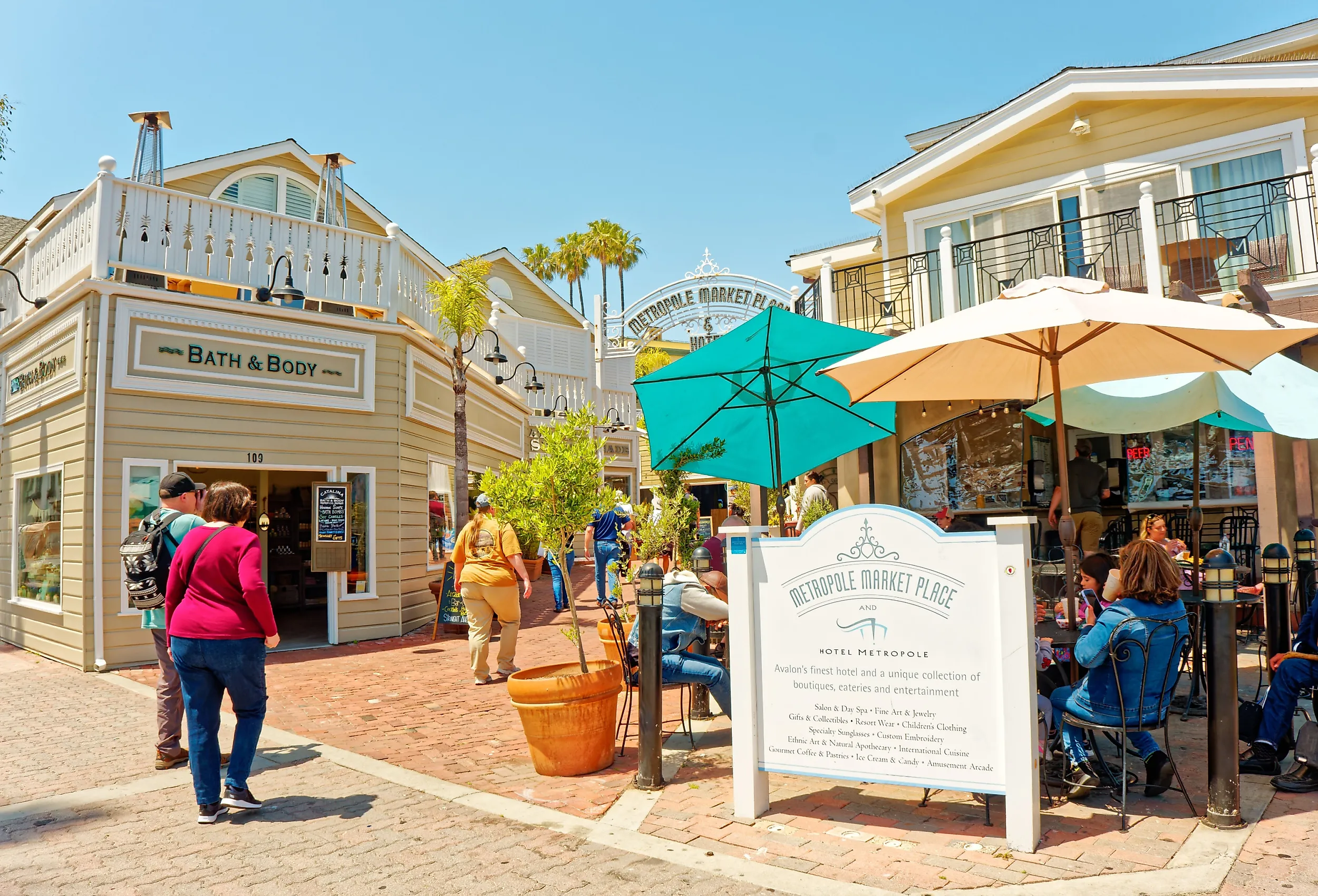
The big white building dominating Avalon's harbor is called the Casino, and it has never taken a bet in its life. That is the Pacific Coast in one image: a shoreline where the obvious reading is usually the wrong one. These nine towns run south to north, starting at a car-free island off Los Angeles and ending at a Washington town on an island you can drive to, and each has something that does not exist anywhere else on the coast.
Avalon, California

Avalon is the only town on Santa Catalina Island, an hour by fast ferry from the mainland, and it runs on golf carts because the waiting list for a car permit is measured in years. About 3,400 people live there.
Now, that Casino. William Wrigley Jr. opened it in 1929, and the name comes from the Italian for gathering place, not gambling. The lower floors hold the Avalon Theatre, the first cinema anywhere purpose-built for talkies, and the top floor is the largest circular ballroom in the world, a 180-foot dance floor with no supporting pillars. Wrigley dynamited a well-loved sea stack to clear the view from it, which tells you something about 1929. Up the canyon, the Wrigley Memorial and Botanic Garden grows plants found only on the Channel Islands, and the Avalon waterfront handles the rest: glass-bottom boats, a zipline, and the Hermit Gulch trail into the interior.
Morro Bay, California

You will see Morro Rock before you see the town. It is a volcanic plug rising 576 feet straight out of the water at the harbor mouth, the last in a chain of ancient peaks running inland, and it is a peregrine falcon reserve, so you look rather than climb.
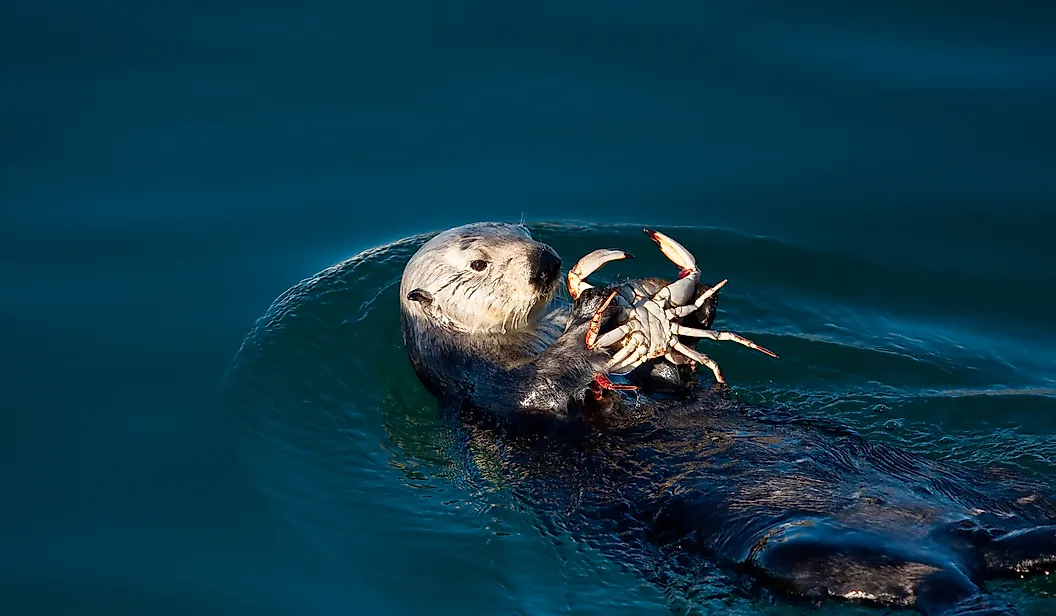
The estuary behind it is the reason to linger. Sea otters float in the harbor eating crab off their own chests, close enough to watch from the Embarcadero without a boat, and the wetlands draw serious birdlife on the Pacific Flyway. Kayak rentals launch from the waterfront, the Morro Bay State Park Museum of Natural History explains why the rock is there, and the fish coming off the boats goes straight into the restaurants along the front. Around 10,700 people live in Morro Bay.
Half Moon Bay, California

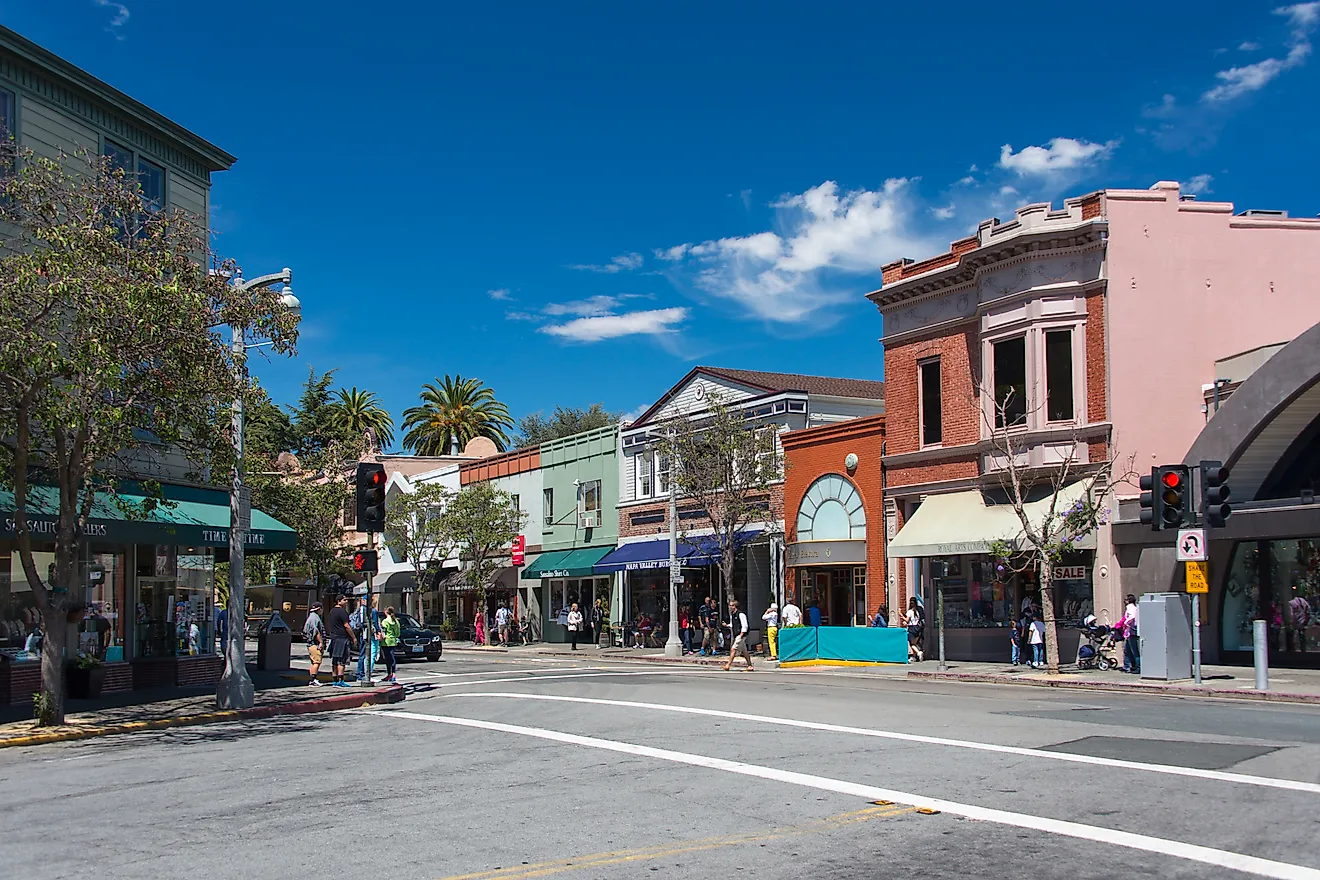
Forty-five minutes south of San Francisco and a world away from it, Half Moon Bay is where the Bay Area goes to look at the ocean. Just north at Pillar Point, Mavericks produces some of the heaviest waves on the planet each winter, sets that only a small number of surfers on earth will paddle into. Watching from the bluff is free and considerably safer.
For everyone else, the Coastside Trail runs several flat miles along the bluff top connecting the beaches, and the sand at Poplar and Dunes is fine for an ordinary afternoon. The old jailhouse now holds the Coastside History Museum. Come in October and the town is buried under the Art and Pumpkin Festival, which crowns a giant pumpkin that routinely clears a ton.
Florence, Oregon

Florence sits where the Siuslaw River meets the ocean, and the thing that sets it apart is what is behind the beach rather than on it. The Oregon Dunes run 40 miles down this coast and pile up to 500 feet, the largest expanse of coastal sand dunes in North America.
Sand Master Park in town was the world's first sandboard park, and it will rent you a board and point you at a hill. The 1936 Siuslaw River Bridge, a Conde McCullough art deco design, anchors Old Town, where the restaurants back onto the water. Thirteen miles north, Heceta Head Lighthouse stands on a headland above a cove, and the keeper's house below it takes overnight guests.
Depoe Bay, Oregon

Depoe Bay has the world's smallest navigable harbor, about six acres of water reached through a channel cut in the basalt that looks far too narrow for the boats that use it. Watching a charter thread it is entertainment in itself.
The town calls itself the whale watching capital of the Oregon Coast and has the resident population to justify it: roughly 20 gray whales stay off this stretch from spring into December rather than continuing north, so sightings are a reasonable bet for most of the year. The Whale Watching Center on the seawall is staffed by volunteers with spotting scopes, and it is free. Just north, Boiler Bay is good for seabirds, and the spouting horns along the wall fire seawater over the highway when the swell is running.
Cannon Beach, Oregon

Haystack Rock is 235 feet of basalt standing in the surf, and it is probably the most photographed object on the Oregon coast. What most visitors miss is that it is a working seabird colony: tufted puffins nest on it in spring and early summer, and the tidepools at its base fill with sea stars and anemones at low water. Volunteers set up scopes on the sand to show you.

The town of about 1,500 has banned formula chains, so the main street runs to galleries, bakeries, and one-off shops rather than the usual signage. Ecola State Park sits just north with the headland view that turns up on every Oregon poster. Cannon Beach is also where the sand gets serious each June for a sandcastle contest the town has run since the 1960s.
Astoria, Oregon

Founded in 1811 at the mouth of the Columbia, Astoria is the oldest American settlement west of the Rockies, and it looks it: steep streets of Victorian houses stacked above a working river port where ships still queue for the bar crossing. That bar, where the Columbia meets the Pacific, has wrecked enough vessels to earn the name Graveyard of the Pacific.

The Columbia River Maritime Museum covers that history properly, including the bar pilots who still board ships in open water. The Astoria Column, on the hill above town, has 164 steps and a spiral mural, and the tradition is to throw a balsa glider off the top. Sea lions have colonised the East Mooring Basin docks and are extremely loud about it. Film crews come for the Victorians, and The Goonies house still draws visitors to a residential street, which the owners have mixed feelings about.
Port Townsend, Washington

Port Townsend expected to become the great port of the Northwest in the 1880s and built accordingly, in brick and stone and considerable ambition. Then the railroad went to Seattle instead, the boom collapsed, and the money left, which is why an entire Victorian seaport survives here largely unaltered.
Fort Worden, the coastal artillery post north of downtown, is now a state park with barracks converted to lodging, the Point Wilson Lighthouse at the tip, and a Chinese garden. The Chetzemoka Trail links 18 sites across town telling the S'Klallam history of this ground, named for the chief who kept the peace here in the 1850s. The Wooden Boat Festival each September fills the harbor with craft that should not still be floating.
Anacortes, Washington

Anacortes sits on Fidalgo Island, which is an island you reach by bridge, so you get island geography without the ferry queue. The ferries here go the other direction, out to the San Juans and on to Vancouver Island, which makes the town the jumping-off point for most of the archipelago.
Washington Park covers 220 acres on the island's western tip with a loop road, forest trails, and rocky shoreline looking out at Rosario Strait. The Ship Harbor Interpretive Preserve runs boardwalks through tidal wetland with signs explaining what you are looking at. Downtown holds a series of life-size cutout murals of residents from the town's early decades, and the W.T. Preston, a retired sternwheel snagboat, sits in dry dock as a museum.
Working The Coast
Run these nine in order and you get the whole Pacific edge in one trip. Avalon and Morro Bay are the Southern California outliers, one an island with no cars and one a town built around a 576-foot rock. Half Moon Bay and Florence handle the extremes, the heaviest surf on the continent and the biggest dunes. Depoe Bay and Cannon Beach are the small ones, with a six-acre harbor and a 235-foot sea stack respectively. Astoria, Port Townsend, and Anacortes are the working ports, two of which got rich, went broke, and kept the architecture. Nine towns, one shoreline, and not a single interstate the whole way.