The US Towns With Free Public Transit
Paying a fare to ride public transit is something that most commuters in the United States accept as a fact of life. Yet there is a select group of US towns that have eliminated transit fees entirely, creating zero-fare transportation networks that anyone can use. These municipalities fund their free ride systems through a combination of targeted taxes, corporate partnerships, and industrial revenues rather than individual tickets.
Disposing of fares removes financial barriers to ridership and provides direct savings to low-income individuals and families. It also reduces traffic during peak times, which is good for both the environment and physical health, since fewer vehicles on the road mean lower emissions and cleaner air to breathe. The following is a list of US towns with free public transit for all passengers.
Breckenridge, Colorado

Breckenridge is a year-round alpine recreation destination that handles a massive influx of winter athletes each year. The increased traffic during high season led this high-altitude municipality to establish the Breck Free Ride system. The town's fare-free bus service is funded largely by a lift-ticket tax and paid parking revenues, and is available year-round to residents and visitors alike to help keep vehicles off the narrow mountain roads.
Workers rely on these routes to transport their gear directly to the base of the Breckenridge Ski Resort without having to fight for limited parking spaces. The free transit system also alleviates traffic along the Historic Main Street, where 19th-century mining architecture now houses outdoor gear shops and abundant dining options. Keeping the main intersections free of gridlock allows the community to function smoothly even during heavy snowfall months.
Commerce, California

Legal gaming and large retail centers provide the tax base needed to fund the City of Commerce Municipal Transit, which has operated without fares since 1962. This zero-fare transit network runs entirely on municipal revenues, allowing residents to navigate the local grid without a pass or cash. The distinct green buses follow consistent daily routes that connect residential neighborhoods directly to major business hubs and civic centers.
A large share of daily ridership consists of local employees commuting to the Commerce Casino and Hotel, a massive operation not far from downtown Los Angeles that is the heart of the local economy. The bus lines are also popular with shoppers who want to reach Citadel Outlets, an expansive retail complex with over 100 brand-name stores and restaurants. Providing free transportation to these locations drastically reduces the volume of vehicles on the roads, ensuring traffic in this busy municipality moves efficiently throughout the week.
Clemson, South Carolina

A rapid increase in the number of students at Clemson University and limited parking infrastructure in the town itself prompted Clemson University to develop Clemson Area Transit (CATbus). The system launched in 1996 with buses loaned by the university and is now sustained by federal grants and local matching funds, eliminating the logistical challenges of collecting individual fares. CATbus now provides free, environmentally friendly transit from Clemson's main campus to surrounding areas, with a fleet that includes electric buses, subsidizing commutes for residents and academics alike.
This zero-fare system affects daily movement and the local rental market, as apartment complexes market their proximity to the nearest transit stop. Passengers often use the network to reach Bowman Field, an expansive green space at the heart of campus that serves as a gathering point for the community. Removing the financial barrier to transportation allows the local population to navigate the town's hilly terrain without owning a personal vehicle.
Bar Harbor, Maine

Seasonal public transportation in Bar Harbor is fare-free through the Island Explorer system, a zero-fare bus service designed specifically to intercept summer vehicle traffic, with destinations in Acadia National Park and neighboring town centers. Park entrance fees, state and federal transportation funds, and corporate sponsorships cover the operational costs, allowing anyone to board the propane-powered fleet without a ticket. The buses operate on a seasonal schedule, transferring thousands of passengers out of the municipal center and into the surrounding wilderness.
Hikers and cyclists use the network to access trailheads inside the park, preventing vehicles from overflowing the narrow roads. Thanks to the Island Explorer buses, residents enjoy quieter streets and improved air quality while dining at seafood restaurants overlooking Frenchman Bay. Eliminating the fare box encourages maximum participation, which directly protects the precious coastal ecosystem from excessive carbon emissions.
Macomb, Illinois

Go West Transit, the fixed-route service of McDonough County Public Transportation, serves students and faculty at Western Illinois University and residents of the Macomb area. Long billed as the only fare-free fixed-route system in Illinois, the service was created to integrate a large student population into a rural agricultural center. A mix of student fees from the university and state grants entirely offsets the operational expenses of the fleet.
The routes naturally converge at the historic Macomb Courthouse Square, where the town's businesses benefit from the steady stream of pedestrians facilitated by the transit stops. Locals use the system to run daily errands and access medical facilities during the harsh Midwestern winters. The buses operate on fixed routes that blanket the municipality, allowing anyone in the community to ride without presenting identification or paying a fare.
Boone, North Carolina

Boone's fare-free AppalCART transportation system provides residents with a reliable way to navigate the town's steep Blue Ridge Mountains topography. Financial support from Appalachian State University and rural transit grants enable this network to operate without fares across the entire municipality. The buses traverse dramatic elevation changes daily, providing a critical lifeline for mobility that prevents gridlock on the narrow mountain roads.
Local residents rely on AppalCART to commute to work and access county services without having to navigate treacherous winter ice. The system also connects passengers to outdoor recreation corridors just miles from the Blue Ridge Parkway, offering access to the outdoors without personal vehicles. Eliminating transit costs significantly lowers the cost of living for the population that supports this high-altitude economy.
Park City, Utah

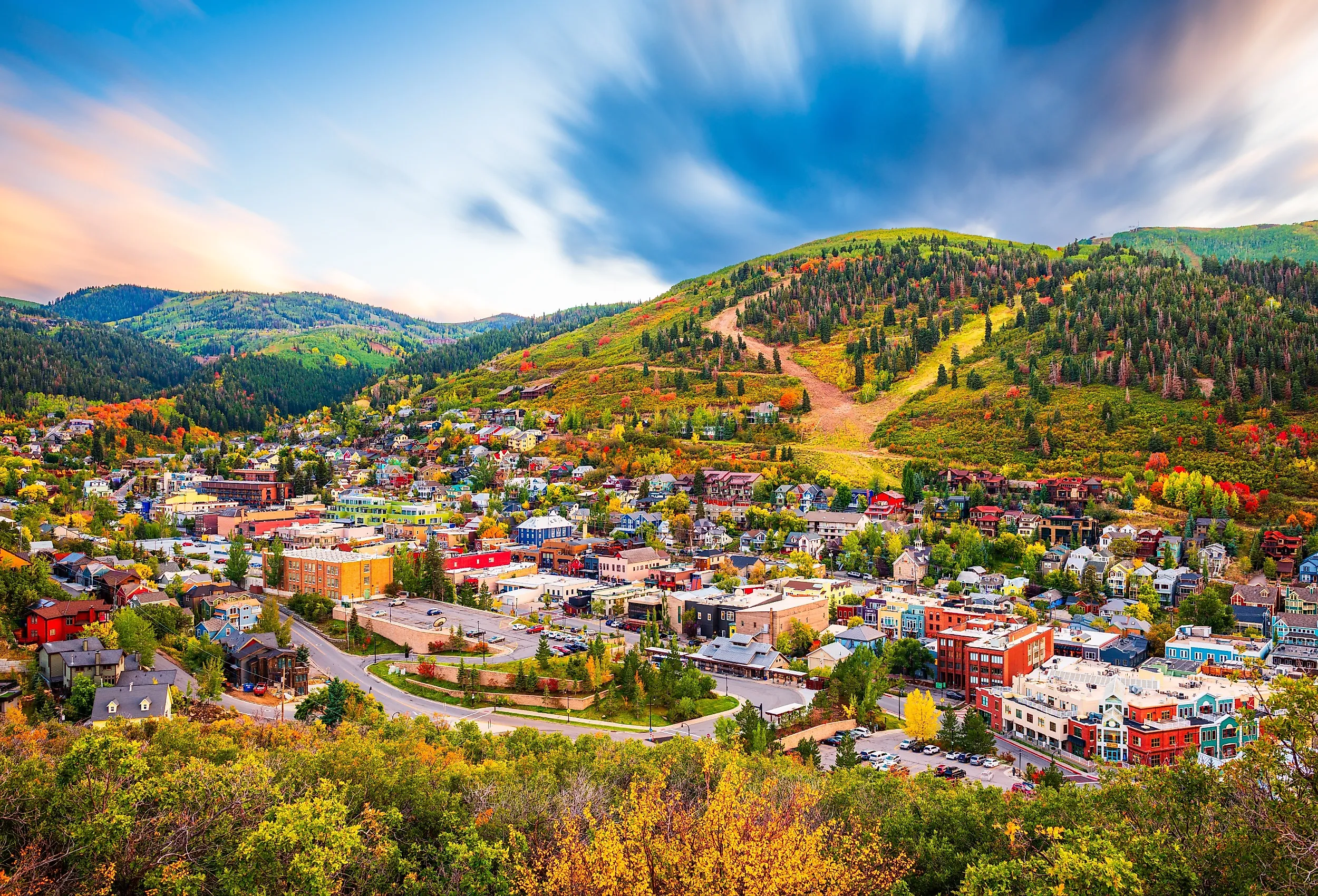
Ensuring Park City's canyon roads are free from heavy winter traffic is the main objective of the zero-fare Park City Transit network. Voters regularly approve dedicated local sales taxes to fund the system, ensuring that anyone can board the buses without having to pay. The electric and biodiesel fleet runs on high-frequency schedules, lowering the number of commuter vehicles that would otherwise clog the town's narrow valley roads.
Winter sports lovers can take the buses to reach the chairlifts at Park City Mountain without dealing with paid parking lots. The zero-fare model also drives evening economic activity along Historic Main Street, where locals can dine and shop without worrying about their vehicles. Free transit allows this former silver mining town to maintain a walkable, pedestrian-first atmosphere despite its robust tourist economy.
Free for All
Eliminating fares demonstrates that public transit can function as a core municipal service rather than a revenue source. When communities shift the funding burden to commercial taxes, university partnerships, or parking revenues, ridership increases and local traffic drops. These US towns demonstrate that removing financial barriers to bus boarding drastically changes how residents interact with their communities. Free transportation creates a more efficient urban grid, ensuring that everyone can navigate their hometown regardless of their income.